3-Month Plan to Combat Seasonal Pet Allergies in the U.S.

Implementing a proactive 3-month plan is crucial for effectively managing and mitigating seasonal pet allergies in the U.S., focusing on early identification, environmental control, and tailored veterinary strategies to ensure pet comfort.
As the seasons change across the United States, many pet owners notice their furry companions starting to itch, sneeze, or show other uncomfortable signs. If you’re wondering how to keep your pet comfortable during these challenging times, you’re in the right place. This guide presents a comprehensive 3-month plan to combat seasonal pet allergies in the U.S., offering practical solutions to help your beloved animal find relief and enjoy the outdoors once more.
Understanding Seasonal Pet Allergies in the U.S.
Seasonal pet allergies, often referred to as atopy or environmental allergies, are a common concern for pet owners across the diverse climates of the U.S. Just like humans, pets can develop allergic reactions to airborne particles such as pollen from trees, grasses, and weeds, as well as mold spores. The symptoms typically manifest when these allergens are prevalent in the environment, leading to discomfort and various health issues if left unaddressed. Understanding the specific allergens in your region and their peak seasons is the first step toward effective management.
Common Triggers and Regional Variations
The specific allergens affecting pets can vary significantly depending on the geographical location within the U.S. For instance, pets in the Northeast might suffer from tree pollen in spring, while those in the Southwest could react to desert flora or specific grasses. Identifying these common triggers is essential for developing a targeted management plan.
- Tree Pollen: Peaks in spring, affecting pets nationwide. Common culprits include oak, birch, and cedar.
- Grass Pollen: Prevalent from late spring through summer, especially in agricultural and suburban areas.
- Weed Pollen: Dominant in late summer and fall, with ragweed being a major allergen across much of the U.S.
- Mold Spores: Can be problematic year-round but often spike in damp, humid conditions, both indoors and outdoors.
Recognizing the specific seasonal patterns in your area can help you anticipate allergy flare-ups and implement preventive measures. Observing your pet’s behavior and symptoms during different times of the year can provide valuable clues about their triggers.
Recognizing the Symptoms
Pet allergy symptoms can range from mild to severe and often mimic other conditions, making accurate diagnosis crucial. Unlike humans who often experience respiratory symptoms, pets typically show skin-related signs. Persistent itching is the most common indicator, often leading to secondary infections if the skin barrier is compromised by constant scratching or licking.
- Intense Itching: Pets may incessantly scratch, lick, or chew at their paws, flanks, groin, and ears.
- Skin Irritation: Redness, rashes, hot spots, and hair loss can develop due to scratching.
- Ear Infections: Recurrent ear infections, characterized by head shaking, ear scratching, and discharge, are a common sign.
- Respiratory Issues: While less common, some pets may exhibit sneezing, coughing, or watery eyes.
If you observe any of these symptoms, especially if they recur seasonally, it’s advisable to consult your veterinarian. Early intervention can prevent the progression of symptoms and improve your pet’s quality of life.
Understanding the nature of seasonal pet allergies and their regional specificities is the bedrock of any effective management strategy. By knowing what to look for and when, pet owners can be better prepared to help their companions navigate the allergy season with greater comfort.
Month 1: Initial Assessment and Environmental Control
The first month of your 3-month plan focuses on laying the groundwork for effective allergy management. This involves a thorough veterinary assessment to confirm the diagnosis and identify potential triggers, followed by implementing crucial environmental control measures at home. These initial steps are vital for understanding your pet’s specific needs and reducing their exposure to allergens.
Veterinary Consultation and Diagnosis
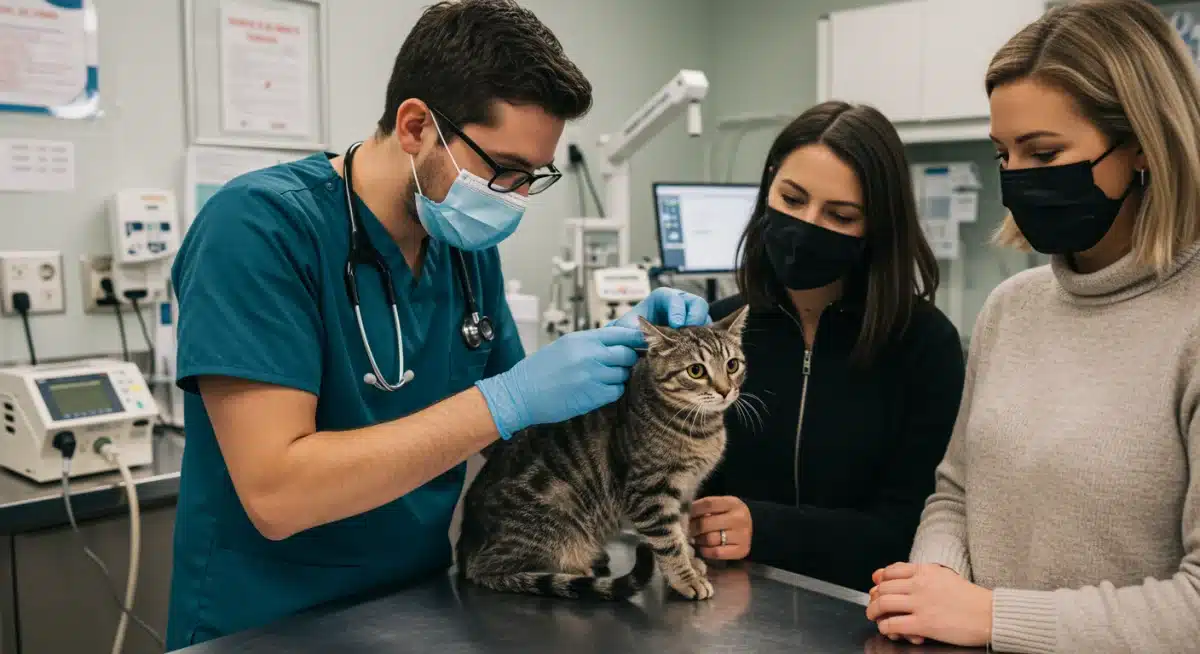
The first and most critical step is to schedule an appointment with your veterinarian. They will conduct a comprehensive physical examination and discuss your pet’s medical history and observed symptoms. This initial consultation is crucial for ruling out other conditions that might mimic allergy symptoms, such as parasitic infestations (fleas, mites) or food allergies.
- Physical Exam: Your vet will check for skin lesions, ear infections, and other signs of allergic reactions.
- Diagnostic Tests: Depending on the severity and nature of symptoms, blood tests (serum allergy testing) or intradermal skin tests may be recommended to identify specific environmental allergens.
- Treatment Plan: Based on the diagnosis, your vet will help formulate an initial treatment plan, which might include symptomatic relief and recommendations for environmental management.
Accurate diagnosis is paramount, as misdiagnosis can lead to ineffective treatments and prolonged discomfort for your pet. Be prepared to provide detailed information about when symptoms began, their frequency, and any patterns you’ve noticed throughout the year.
Implementing Home Environment Control
Once you have a clearer understanding of your pet’s allergies, implementing strict environmental control measures at home becomes essential. Reducing exposure to allergens can significantly alleviate symptoms and decrease the need for medication. This involves a multi-faceted approach to cleaning and managing your pet’s living spaces.
Reducing Allergen Exposure Indoors
Indoor allergens, such as dust mites and mold, can exacerbate seasonal allergies. Regular cleaning and air purification can make a big difference. Utilizing high-efficiency particulate air (HEPA) filters in your vacuum cleaner and HVAC system can trap airborne allergens, preventing them from circulating throughout your home. Frequently washing your pet’s bedding in hot water also helps eliminate accumulated allergens.
Managing Outdoor Allergen Exposure
For outdoor allergens like pollen, minimizing direct contact is key. After walks, especially during peak pollen seasons, gently wipe your pet’s paws and coat with a damp cloth or pet-safe wipes to remove pollen. Consider limiting outdoor activities during early mornings and late afternoons when pollen counts are typically highest. Keeping windows closed and using air conditioning can also prevent outdoor allergens from entering your home.
By diligently following these initial assessment and environmental control steps during the first month, you create a less reactive environment for your pet. This foundational work is crucial for the subsequent phases of the allergy management plan, paving the way for more targeted interventions and improved comfort.
Month 2: Dietary Adjustments and Topical Treatments
After establishing a baseline and implementing environmental controls in the first month, the second month of the plan shifts focus to internal and external support for your pet’s immune system and skin health. This involves exploring dietary adjustments and incorporating targeted topical treatments to further alleviate symptoms of seasonal pet allergies.
Nutritional Support for Skin and Immune Health
A balanced diet plays a pivotal role in supporting your pet’s overall health, including their skin barrier and immune system, both of which are crucial in combating allergies. Certain nutrients can help reduce inflammation and strengthen the skin’s natural defenses, making your pet less reactive to environmental allergens.
- Omega-3 Fatty Acids: Supplements like fish oil (EPA and DHA) are known for their anti-inflammatory properties, which can significantly improve skin health and reduce itching. Consult your vet for appropriate dosages.
- Probiotics: A healthy gut microbiome is linked to a stronger immune system. Probiotic supplements can help balance gut flora, potentially reducing allergic responses.
- Limited Ingredient Diets: While seasonal allergies are environmental, some pets may have concurrent food sensitivities. Your vet might recommend a limited ingredient diet to rule out or manage any dietary contributions to skin issues.
Always discuss any dietary changes or supplement additions with your veterinarian to ensure they are appropriate for your pet’s specific health needs and do not interact negatively with existing medications.
Targeted Topical Treatments
Topical treatments can provide immediate relief for irritated skin and help manage localized symptoms. These can be particularly effective in soothing hot spots, rashes, and itchy paws, complementing systemic treatments and environmental controls.
Soothing Shampoos and Conditioners
Regular bathing with medicated or hypoallergenic shampoos can wash away allergens from your pet’s coat and soothe irritated skin. Look for products containing ingredients like oatmeal, aloe vera, or ceramides, which moisturize and protect the skin barrier. Your veterinarian can recommend the best shampoo frequency and type for your pet’s condition.
Sprays, Wipes, and Balms
For localized itching or irritation, anti-itch sprays, medicated wipes, or soothing balms can offer quick relief. These products often contain hydrocortisone, pramoxine, or natural anti-inflammatory ingredients. Wipes are particularly useful for cleaning paws after outdoor exposure and for addressing mild skin flare-ups between baths.
By integrating dietary adjustments and topical treatments during the second month, you’re providing comprehensive support for your pet’s skin and immune health. This dual approach helps manage symptoms from both the inside and outside, leading to greater comfort and a noticeable reduction in allergic reactions.
Month 3: Advanced Treatments and Long-Term Management
Entering the third month, with foundational environmental controls and topical/nutritional support in place, the focus shifts to advanced veterinary treatments for persistent or severe seasonal pet allergies. This stage is about fine-tuning the management plan and establishing a sustainable long-term strategy that ensures your pet’s comfort throughout the year.
Exploring Advanced Veterinary Therapies
For pets whose allergies are not adequately controlled by environmental management and basic symptomatic treatments, your veterinarian may recommend more advanced therapeutic options. These treatments aim to modulate the immune response or provide more potent relief from severe symptoms.
Immunotherapy (Allergy Shots/Drops)
Immunotherapy, also known as allergy desensitization or allergy vaccines, is often considered the most effective long-term treatment for environmental allergies. Based on your pet’s allergy test results, custom-formulated injections or oral drops are administered over time to gradually desensitize the immune system to specific allergens. This approach targets the root cause of the allergy rather than just managing symptoms.
Medications for Symptomatic Relief
Several prescription medications are available to manage severe itching and inflammation associated with seasonal pet allergies. Your vet will determine the most appropriate option based on your pet’s specific needs, overall health, and potential side effects.
- Corticosteroids: Powerful anti-inflammatory drugs that can quickly reduce itching and inflammation. Used cautiously due to potential long-term side effects.
- Antihistamines: May be effective for mild cases, though less potent than other options for pets.
- Cyclosporine: An immunosuppressant that can effectively control allergic skin disease by modifying the immune response.
- Oclacitinib (Apoquel) and Lokivetmab (Cytopoint): Newer, targeted therapies that specifically block the itch pathway or neutralize key allergic inflammatory proteins, offering rapid and sustained relief with fewer side effects than traditional steroids.
These advanced therapies require close veterinary supervision and careful consideration of your pet’s individual circumstances. The goal is to find the most effective treatment regimen that minimizes side effects while providing optimal relief.
Developing a Long-Term Management Strategy
Seasonal pet allergies are often a chronic condition, meaning ongoing management is usually necessary. Establishing a long-term plan involves combining various strategies and being prepared to adjust as your pet’s needs or the allergen season changes.
Seasonal Adjustments and Monitoring
Your long-term plan should include seasonal adjustments. For example, during peak pollen seasons, you might increase bathing frequency, be more diligent with wiping paws, or temporarily increase medication dosages as advised by your vet. Regular check-ups allow your veterinarian to monitor your pet’s response to treatment and make necessary modifications.
Holistic and Preventative Measures
Continue with the environmental control measures, nutritional support, and regular grooming established in the earlier months. Think of these as foundational elements of your pet’s year-round allergy prevention strategy. Maintaining a healthy lifestyle, including regular exercise and a stress-free environment, also contributes to a robust immune system.
By the end of the third month, you should have a comprehensive and personalized plan in place to effectively manage your pet’s seasonal allergies. This holistic approach, combining veterinary expertise with diligent home care, ensures your pet can live a comfortable and happy life, regardless of the season.
Preventative Measures and Lifestyle Adjustments
Beyond the initial 3-month intensive plan, sustained relief from seasonal pet allergies requires ongoing preventative measures and thoughtful lifestyle adjustments. These strategies are about creating a consistent environment that minimizes allergen exposure and strengthens your pet’s natural defenses year-round, not just during peak allergy seasons.
Maintaining a Clean Living Environment
The importance of a clean home cannot be overstated when managing pet allergies. Dust, dander, and outdoor allergens can accumulate quickly, turning your home into an allergen hotspot. Regular and thorough cleaning is your first line of defense.
- Vacuuming: Use a vacuum cleaner with a HEPA filter at least twice a week on carpets, rugs, and upholstery.
- Dusting: Damp dust surfaces regularly to trap allergens instead of scattering them.
- Bedding: Wash pet beds, blankets, and your own bedding (if your pet sleeps with you) in hot water weekly to kill dust mites and remove dander.
- Air Purification: Consider investing in a high-quality air purifier with a HEPA filter for rooms where your pet spends most of its time.
These consistent cleaning habits significantly reduce the allergen load in your home, providing a sanctuary for your sensitive pet.
Outdoor Management and Grooming Routines
Managing outdoor exposure and establishing a consistent grooming routine are critical for preventing allergens from entering your home and from irritating your pet’s skin.
Smart Outdoor Practices
During peak allergy seasons, adjust your pet’s outdoor schedule. Walk your dog during mid-day when pollen counts are typically lower. Avoid areas with high concentrations of allergens, such as freshly mown fields or dense shrubbery. If possible, consider creating a designated outdoor potty area that is regularly maintained and free of common allergenic plants.
Consistent Grooming
Regular grooming is not just about aesthetics; it’s a vital part of allergy management. Brushing your pet daily helps remove loose fur, dander, and environmental debris. More importantly, frequent bathing with a veterinarian-recommended shampoo can wash away allergens from their coat before they can cause irritation or be tracked indoors.
- Paw Wiping: After every outdoor excursion, wipe your pet’s paws and belly with a damp cloth or pet-safe hypoallergenic wipes to remove pollen and other irritants.
- Ear Cleaning: For pets prone to ear infections due to allergies, regular ear cleaning with a vet-approved solution can help prevent flare-ups.
By integrating these preventative measures and lifestyle adjustments, you create a holistic approach to managing seasonal pet allergies. This proactive stance not only reduces the frequency and severity of allergic reactions but also significantly improves your pet’s overall well-being and comfort throughout the year.
The Role of Nutrition and Supplements
While environmental control and medical treatments form the backbone of managing seasonal pet allergies, the impact of proper nutrition and targeted supplements cannot be overstated. A robust immune system and a healthy skin barrier are your pet’s best defense against allergens, and both are heavily influenced by what they eat.
Building a Strong Foundation with Diet
The food your pet consumes directly affects their internal health, which in turn reflects on their skin and immune response. A high-quality, balanced diet is fundamental for any pet, but it becomes even more critical for those with allergies. Focus on diets rich in essential nutrients and free from common artificial additives that might contribute to inflammation.
- High-Quality Protein Sources: Opt for diets with easily digestible protein sources like lean meats or fish.
- Limited Ingredients: For pets with sensitive systems, a limited ingredient diet can help reduce the possibility of food sensitivities exacerbating environmental allergies.
- Whole Foods: Prioritize diets made with whole, recognizable ingredients over highly processed options.
Always consult your veterinarian before making significant changes to your pet’s diet, especially if they have pre-existing health conditions. They can guide you towards a diet that best supports their specific needs and minimizes allergic reactions.
Beneficial Supplements for Allergy Relief
Beyond a balanced diet, certain supplements can provide additional support to pets struggling with seasonal allergies. These supplements often target inflammation, improve skin barrier function, or bolster the immune system.
Omega-3 Fatty Acids (EPA & DHA)
These essential fatty acids, primarily found in fish oil, are renowned for their potent anti-inflammatory properties. They help reduce the body’s inflammatory response to allergens, leading to less itching and healthier skin. Regular supplementation can significantly improve coat quality and reduce skin dryness and flakiness.
Probiotics and Prebiotics
A healthy gut microbiome is intimately linked to a strong immune system. Probiotics (beneficial bacteria) and prebiotics (food for these bacteria) can help maintain gut health, which in turn can modulate the immune response and potentially decrease allergic reactions. Look for pet-specific formulations to ensure efficacy.
Antioxidants and Other Nutrients
Vitamins E and C, along with other antioxidants, can help protect cells from damage caused by inflammation. Zinc is another mineral crucial for skin health and immune function. Supplements containing these nutrients can provide an extra layer of defense for allergy-prone pets.
The strategic incorporation of appropriate nutrition and supplements can significantly enhance your pet’s resilience against seasonal allergens. This proactive approach, in conjunction with veterinary care, creates a comprehensive strategy for managing and alleviating the discomfort associated with seasonal pet allergies, promoting a happier, healthier life for your companion.
When to Seek Veterinary Intervention for Allergies
While a diligent 3-month plan and consistent home care can significantly mitigate seasonal pet allergies, there are specific instances when professional veterinary intervention becomes absolutely crucial. Recognizing these signs ensures your pet receives timely and appropriate medical attention, preventing complications and providing necessary relief.
Signs of Severe or Uncontrolled Allergies
Even with the best home management, some pets may experience severe allergy flare-ups or symptoms that simply don’t respond to over-the-counter remedies. These situations warrant immediate veterinary consultation.
- Persistent or Worsening Itching: If your pet is scratching, licking, or chewing themselves incessantly, leading to raw skin, scabs, or hair loss despite your efforts, it’s a clear sign their allergies are uncontrolled.
- Recurrent Skin Infections: Frequent hot spots, bacterial skin infections (pyoderma), or fungal infections (yeast) indicate a compromised skin barrier and an immune system struggling to cope with allergens.
- Chronic Ear Infections: Persistent ear inflammation, discharge, foul odor, or pain, especially if it recurs frequently, is a common manifestation of underlying allergies.
- Changes in Behavior: Lethargy, loss of appetite, irritability, or withdrawal can be signs that your pet is in significant discomfort due to their allergies.
These symptoms suggest that the current treatment plan is insufficient and a more aggressive or different approach may be required. Delaying veterinary care can lead to more severe secondary infections and prolonged suffering for your pet.
Exploring Advanced Diagnostics and Treatments
When initial treatments fail, your veterinarian might recommend advanced diagnostics to pinpoint the exact allergens or explore more potent therapeutic options. This is where specialized veterinary care can make a profound difference in your pet’s quality of life.
Allergy Testing
If not already done, allergy testing (intradermal skin testing or blood tests) can identify the specific environmental allergens your pet reacts to. This information is invaluable for developing a targeted immunotherapy plan, which can be a game-changer for chronic allergy sufferers. Immunotherapy aims to desensitize your pet’s immune system to these specific triggers over time.
Specialized Medications
For severe cases, your vet may prescribe medications such as oclacitinib (Apoquel), lokivetmab (Cytopoint injections), or cyclosporine. These are highly effective at controlling itching and inflammation by targeting specific pathways in the immune system. They offer more potent relief than over-the-counter options and are often reserved for cases that don’t respond to less intensive treatments.
It’s important to remember that managing seasonal pet allergies is often a collaborative effort between you and your veterinarian. Regular communication about your pet’s symptoms and response to treatment is key to adjusting their care plan as needed. Don’t hesitate to seek professional help when your pet’s comfort and health are at stake, as early intervention can lead to better outcomes and a happier, itch-free life.
| Key Phase | Focus and Actions |
|---|---|
| Month 1: Foundation | Veterinary diagnosis, identify triggers, implement home environmental controls (cleaning, air filters). |
| Month 2: Support | Introduce dietary adjustments (Omega-3s, probiotics), begin topical treatments (medicated shampoos, wipes). |
| Month 3: Advanced & Long-Term | Explore immunotherapy or advanced medications with vet, establish ongoing preventative routines and monitoring. |
Frequently Asked Questions About Pet Allergies
The most common signs include intense itching, often leading to excessive scratching, licking, or chewing of paws, flanks, and ears. You might also notice skin redness, rashes, hot spots, hair loss, and recurrent ear infections. Sneezing and watery eyes are less common but can occur.
Unfortunately, seasonal pet allergies are typically a chronic condition that cannot be completely cured. However, they can be effectively managed with a combination of environmental control, dietary adjustments, topical treatments, and veterinary-prescribed medications or immunotherapy to significantly alleviate symptoms and improve your pet’s quality of life.
To reduce indoor allergens, frequently vacuum with a HEPA filter, damp dust surfaces, and wash pet bedding in hot water weekly. Consider using an air purifier with a HEPA filter. Keep windows closed during high pollen counts and use air conditioning to prevent outdoor allergens from entering.
Some natural approaches include supplements like Omega-3 fatty acids for anti-inflammatory benefits and probiotics for immune support. Regular bathing with hypoallergenic shampoos and wiping paws after outdoor activities can also help. Always consult your vet before trying new remedies to ensure they are safe and effective for your pet.
You should consult your vet if your pet’s itching is persistent or severe, if they develop skin infections or hot spots, experience recurrent ear infections, or show changes in behavior due to discomfort. Early veterinary intervention is crucial for accurate diagnosis and effective management of severe or uncontrolled allergies.
Conclusion
Effectively managing seasonal pet allergies in the U.S. requires a dedicated, multi-faceted approach, as outlined in this 3-month plan. From initial veterinary assessment and rigorous environmental control to dietary support, topical treatments, and advanced therapies, each step plays a crucial role in alleviating your pet’s discomfort. By committing to these practical solutions and maintaining open communication with your veterinarian, you can significantly improve your pet’s quality of life, allowing them to enjoy every season with greater comfort and fewer allergic reactions. Proactive care is key to a happy, healthy companion.