Mastering Leash Manners: 6-Week Program for US Dogs
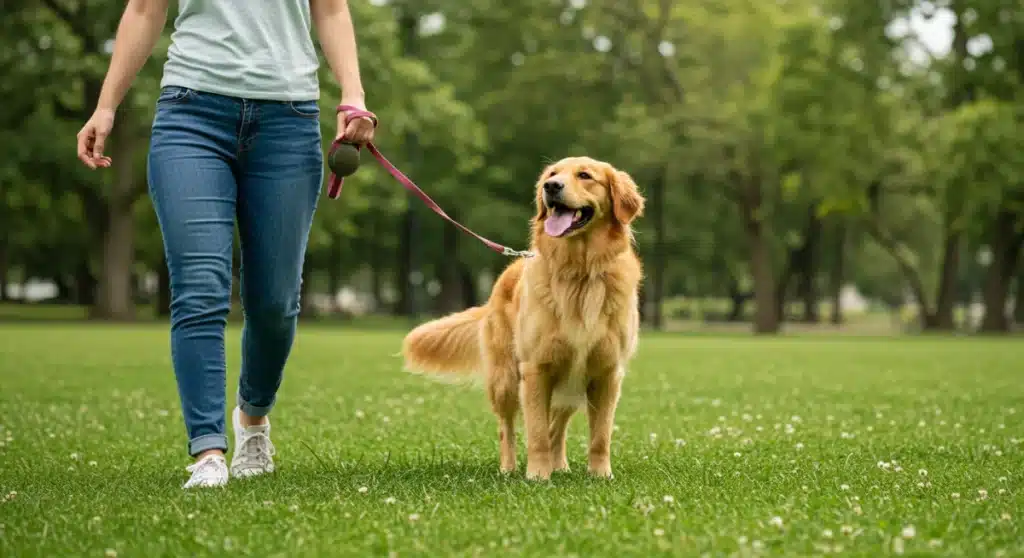
Implementing a structured 6-week program focused on positive reinforcement and consistent practice is crucial for US dog owners aiming to teach their pets proper leash manners and eliminate pulling behaviors.
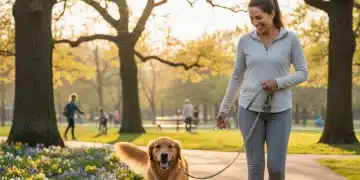
Are you tired of your daily walks feeling more like a tug-of-war than a pleasant stroll? For many dog owners across the United States, the dream of a calm, enjoyable walk remains just that—a dream. However, with dedication and the right approach, achieving excellent dog leash manners is entirely within reach. This comprehensive 6-week program is designed specifically for US dogs and their owners in 2025, offering a step-by-step guide to transform your walking experience from frustrating to fantastic.
Understanding the Root Cause of Leash Pulling
Before we dive into training techniques, it’s essential to understand why dogs pull on the leash. It’s rarely out of defiance or malice; more often, it’s a natural canine instinct driven by curiosity, excitement, or simply a lack of understanding regarding human expectations. Dogs experience the world through their noses and are eager to explore every scent and sight, often moving faster than their human companions.
Another significant factor is the concept of opposition reflex. If you pull one way, your dog naturally pulls the other. This reflex, combined with a dog’s stronger physical build, often leads to a cycle where the dog learns that pulling gets them closer to what they want. Recognizing these underlying motivations is the first step toward effective training.
Common Reasons Your Dog Pulls
- Excitement and Curiosity: The outdoor environment is a sensory overload for dogs, making them eager to investigate.
- Lack of Early Training: Many dogs aren’t taught proper leash etiquette from a young age, leading to ingrained pulling habits.
- Inappropriate Equipment: Certain collars or harnesses can inadvertently encourage pulling or cause discomfort.
- Owner Inconsistency: Mixed signals from the owner can confuse the dog about what is expected of them.
Understanding these reasons helps tailor your training approach. It’s not about punishing your dog for pulling, but rather about teaching them an alternative, more rewarding behavior. Consistency and patience are key, as you’ll be working to reshape a deeply ingrained habit. By identifying the specific triggers for your dog’s pulling, you can anticipate and address them proactively throughout the program.
Week 1: Foundations and Equipment Choices
The first week sets the stage for success by focusing on foundational skills and selecting the right tools. Proper equipment can make a significant difference in your training journey, providing better control and comfort for both you and your dog. This initial phase is crucial for building a positive association with the leash and collar, ensuring your dog is receptive to learning.
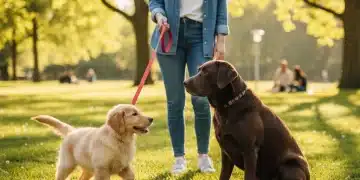
Start by introducing the leash and collar in a positive way. Let your dog wear them for short periods inside the house, offering treats and praise. The goal is for them to see these items as precursors to good things, not restrictive tools. Positive associations are paramount in dog training.
Selecting the Right Training Tools
Choosing the correct equipment is vital for effective leash training. Traditional flat collars can be ineffective for strong pullers, often leading to choking or discomfort. Instead, consider alternatives that provide better control without causing harm.
- Front-Clip Harness: These harnesses discourage pulling by redirecting your dog’s forward momentum to the side. When your dog pulls, they are gently turned, making it harder to continue forging ahead.
- Head Halter (Gentle Leader): Similar to a horse’s halter, this tool gives you control over your dog’s head, and where the head goes, the body follows. It’s excellent for strong pullers but requires careful introduction to ensure your dog accepts it comfortably.
- Standard Back-Clip Harness: While comfortable for dogs, these can sometimes exacerbate pulling if not paired with proper training, as they allow the dog to lean into the harness with their full body weight.
Avoid retractable leashes during training, as they teach dogs that pulling extends their range and can lead to inconsistent tension. A standard 6-foot leash made of nylon or leather is ideal for teaching loose-leash walking.
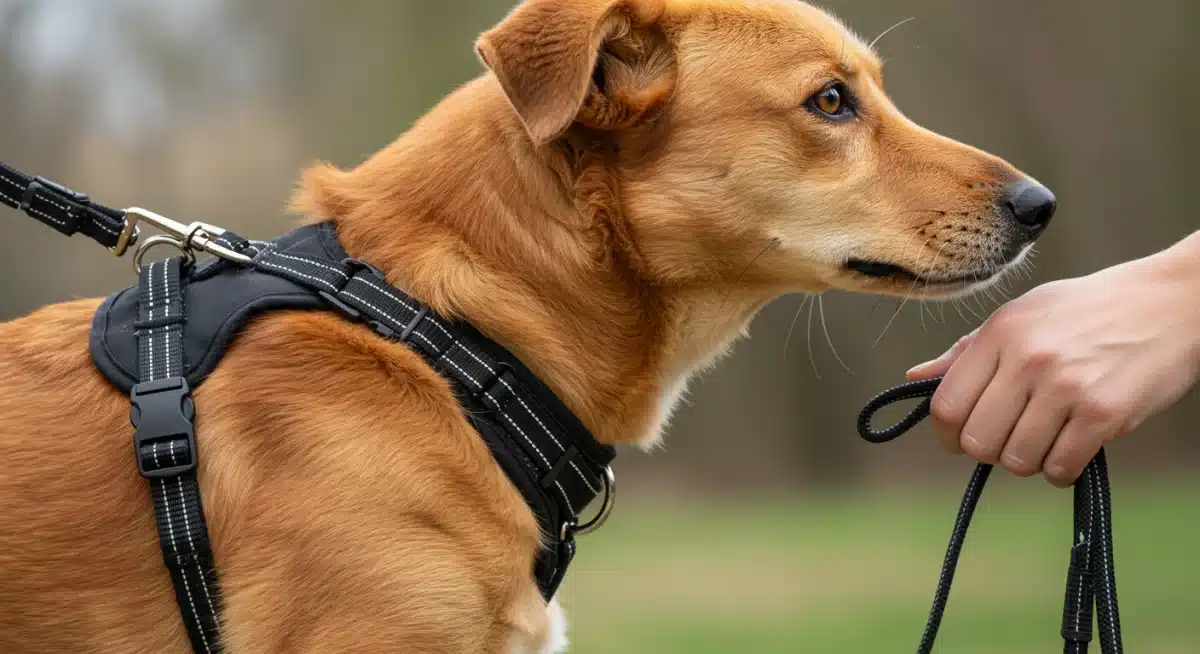

During Week 1, focus on short, positive training sessions indoors. Practice walking a few steps, rewarding your dog for staying by your side with a loose leash. Keep sessions brief to prevent your dog from becoming bored or frustrated. The foundation laid this week will be critical for subsequent progress.
Week 2: Introducing Loose-Leash Walking Techniques
With the right equipment in hand and a positive association established, Week 2 focuses on actively teaching the concept of loose-leash walking. This involves introducing specific techniques that reward your dog for walking politely and discourage pulling without punishment. Consistency is the cornerstone of this week’s training.
The core principle here is to make walking by your side more rewarding than pulling ahead. This requires your active participation and a clear understanding of your dog’s motivations. We’ll utilize positive reinforcement to shape their behavior, making good choices inherently more appealing.
The “Stop and Go” Method
This is one of the most effective techniques for teaching loose-leash walking. When your dog starts to pull, immediately stop walking. Stand still, like a tree, until the leash goes slack. The moment the leash slackens, even for a second, praise your dog and immediately start walking again. If they pull again, stop again. Your dog will quickly learn that pulling makes the walk stop, while a loose leash keeps it going.
The key to success with the “stop and go” method is absolute consistency. Every time your dog pulls, you must stop. If you let them pull even once, it sends a mixed signal and undermines the training. Practice this in a low-distraction environment initially, gradually increasing the level of distraction as your dog improves.
The “Change Direction” Method
Another powerful technique is changing direction. The moment your dog starts to pull, without saying a word, calmly change direction. Walk the other way. This surprises your dog and breaks their focus on whatever they were pulling towards. When they reorient to you and the leash slackens, reward them with praise and continue walking.
- Why it works: It teaches your dog that pulling doesn’t get them where they want to go; paying attention to you does.
- Implementation: Be prepared to change direction frequently at first. Make it a game, keeping your dog engaged and guessing.
- Benefits: This method also helps your dog learn to check in with you regularly during walks.
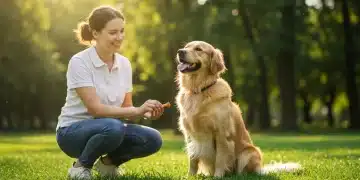
Remember to keep training sessions short and positive, ending on a successful note. Reward your dog frequently for any moment of loose-leash walking, even if it’s just a few steps. High-value treats and enthusiastic verbal praise work wonders in reinforcing desired behaviors.
Week 3: Managing Distractions and Reinforcement
By Week 3, your dog should be starting to grasp the concept of loose-leash walking in low-distraction environments. Now, it’s time to gradually introduce distractions and solidify their understanding. This week focuses on proofing their training and ensuring they can maintain good manners even when faced with tempting sights and smells.
Distractions are a natural part of any walk, from squirrels and other dogs to interesting smells on the ground. The goal is not to eliminate these distractions but to teach your dog how to respond appropriately in their presence, maintaining focus on you and the task at hand.
Gradually Increasing Distractions
Start by adding minor distractions. Perhaps walk past a parked car, or near a quiet park bench. As your dog shows consistent success, slowly increase the level of distraction. This might mean walking closer to a busy street, or in an area where other dogs are present but at a distance. Always set your dog up for success by starting small.
If your dog struggles with a particular distraction, go back a step. Practice at a greater distance from the distraction, or for shorter periods. The key is to progress at your dog’s pace, ensuring they remain confident and successful.
Using High-Value Rewards
When training with distractions, the value of your reward becomes even more critical. A small, dry biscuit might not be enough to compete with the allure of a squirrel. Use high-value treats like small pieces of cooked chicken, cheese, or specialized training treats that your dog absolutely loves. The reward needs to be compelling enough to capture their attention even amidst tempting distractions.
- Variety is Key: Rotate your high-value treats to keep your dog interested and engaged.
- Timing Matters: Deliver the reward immediately when your dog exhibits the desired behavior (e.g., looking at you instead of pulling towards a distraction).
- Verbal Praise: Combine treats with enthusiastic verbal praise to create a strong positive association.
Remember to practice in various locations to generalize the training. What your dog learns in your backyard might not immediately transfer to a bustling city street. Consistent practice in different environments will help your dog understand that loose-leash manners are expected everywhere.
Week 4: Incorporating Advanced Leash Skills
By Week 4, your dog should be making significant progress with loose-leash walking in various environments. This week, we’ll introduce more advanced leash skills, focusing on nuanced control and responsiveness. These skills will further solidify their good manners and make walks even more enjoyable.
This stage is about refining communication and building a stronger partnership. We’ll move beyond just preventing pulling to actively encouraging attentive walking, where your dog is engaged with you throughout the stroll.
The “Watch Me” Command
The “watch me” command is invaluable for gaining your dog’s attention, especially in distracting situations. To teach it, hold a high-value treat near your eye. When your dog looks at your eye, say “watch me” and immediately give them the treat. Practice this in quiet environments first, gradually increasing the duration they hold eye contact before receiving the reward.
Once your dog reliably responds to “watch me,” start incorporating it into your walks. When you anticipate a distraction, use the command to preemptively gain their focus. Reward heavily when they comply, reinforcing that checking in with you is highly rewarding.
“Heel” Position Introduction
While loose-leash walking encourages your dog to walk politely by your side, the “heel” command teaches them to walk precisely at your left or right side, often with their shoulder aligned with your leg. This is a more formal command useful for crowded areas or competitive obedience.
- Lure and Reward: Start by luring your dog into the heel position with a treat, then reward.
- Short Bursts: Practice for very short distances at first, gradually increasing the duration.
- Consistency: Always use the specific command “heel” when you want this precise position, differentiating it from general loose-leash walking.
These advanced skills add another layer of control and communication, making your walks smoother and more predictable. Remember to keep training sessions positive and engaging, always ending on a high note to maintain your dog’s enthusiasm for learning.
Week 5: Real-World Application and Troubleshooting
Week 5 is all about applying everything you’ve learned in real-world scenarios and troubleshooting any lingering challenges. Your dog should now have a solid understanding of loose-leash walking, but applying these skills in highly stimulating environments can still be a test. This week focuses on refining their responses and building confidence.
This is where the rubber meets the road. You’ll be taking your dog to busier parks, downtown areas, or anywhere they might encounter new and exciting stimuli. The goal is to consistently reinforce good behavior under pressure.
Addressing Specific Pulling Triggers
By now, you’ve likely identified specific situations or objects that trigger your dog’s pulling. This week, we’ll actively work on those triggers. For example, if your dog pulls towards other dogs, practice parallel walking at a distance where your dog can still focus on you. Gradually decrease the distance as they improve, always rewarding for calm behavior.
If your dog pulls towards squirrels, practice the “watch me” command or “stop and go” method the moment they spot a squirrel. The key is to interrupt the pulling behavior and redirect their focus to you before they can fully engage in the pulling habit.
Troubleshooting Common Issues
- Regression: If your dog starts pulling again, don’t get discouraged. It’s a normal part of learning. Go back to basics in a less distracting environment and rebuild their confidence.
- Lack of Motivation: Ensure your rewards are high-value enough to compete with distractions. Try different treats or toys.
- Inconsistency: All family members must be on the same page with training methods. Inconsistent application will confuse your dog.
Remember that every dog learns at their own pace. Be patient, consistent, and always end training sessions on a positive note. Celebrate small victories and focus on progress, not perfection. This week is about building resilience and ensuring your dog can perform reliably in diverse settings.
Week 6: Maintaining and Advancing Leash Manners
Congratulations! By Week 6, you and your dog have likely made incredible strides in mastering leash manners. This final week focuses on maintaining the progress you’ve achieved and exploring ways to further advance your dog’s skills. Training is an ongoing journey, and consistency will be key to long-term success.
The habits you’ve built over the past five weeks need continuous reinforcement. Think of it as maintaining a healthy lifestyle; occasional check-ups and consistent effort keep everything in good shape. This week is about solidifying those good habits and exploring new challenges.
Continuing Regular Practice
Don’t stop practicing just because your dog is walking well. Regular, short training sessions, even for a few minutes during your daily walk, will keep their skills sharp. Continue to reward loose-leash walking, especially in challenging environments. The occasional high-value treat will remind your dog that good behavior is always worthwhile.
Vary your walking routes to keep things interesting for your dog and to provide new opportunities for them to practice their manners in different settings. Explore new parks, trails, or even urban environments. Each new place is a chance to reinforce their training.
Exploring New Challenges and Activities
- Hiking: Once your dog has excellent leash manners, consider taking them on hiking trails. This provides great exercise and mental stimulation.
- Urban Exploration: Navigate busier city streets, teaching your dog to calmly walk past shops, cafes, and crowds.
- Canine Good Citizen (CGC) Test: Consider working towards the AKC’s CGC title, which includes a loose-leash walking component and demonstrates your dog’s good manners.
Remember to always be an advocate for your dog. If they seem overwhelmed or stressed in a new environment, don’t push them too hard. Retreat to a quieter area and try again later. The goal is to build a confident, well-mannered companion who enjoys walks as much as you do. Celebrate your achievements and continue to strengthen the bond with your furry friend.
| Key Program Week | Focus and Goals |
|---|---|
| Week 1: Foundations | Introduce leash/collar positively, select appropriate training equipment (e.g., front-clip harness). |
| Week 2: Loose-Leash Basics | Implement “Stop and Go” and “Change Direction” methods in low-distraction environments. |
| Week 3: Managing Distractions | Gradually introduce distractions, use high-value rewards to maintain focus and reinforce good behavior. |
| Week 6: Maintenance | Continue regular practice, explore new challenges, and reinforce positive leash manners long-term. |
Frequently Asked Questions About Leash Training
For dogs that pull, a front-clip harness or a head halter (like a Gentle Leader) is generally recommended over a traditional flat collar or back-clip harness. These tools provide better control by redirecting your dog’s momentum or head, making it more challenging for them to pull effectively without causing discomfort. Avoid retractable leashes during training.
Consistency is key. Aim for several short training sessions (5-10 minutes each) throughout the day rather than one long one. This keeps your dog engaged and prevents fatigue. Incorporate training into everyday walks, turning every outing into an opportunity to reinforce good leash manners.
Start by practicing in environments with minimal distractions, gradually increasing the level as your dog improves. Use high-value treats to capture their attention and reward them for focusing on you instead of the distraction. The “watch me” command is essential here, allowing you to proactively redirect their focus before they react.
While various methods exist, positive reinforcement is widely considered the most humane and effective approach. It builds a strong, trusting relationship between you and your dog, teaching them what you want them to do rather than punishing them for what you don’t. This approach fosters a positive association with walks and training.
The timeline varies depending on the dog’s age, previous training, temperament, and owner consistency. While this program is structured over 6 weeks, some dogs may show significant improvement sooner, while others might need more time. Consistent daily practice and patience are the most crucial factors for achieving lasting results.
Conclusion
Mastering leash manners is a journey that requires patience, consistency, and a deep understanding of your dog’s natural behaviors. This 6-week program provides a structured, positive reinforcement-based approach to transform your walks from a chore into a joy. By carefully selecting equipment, implementing effective techniques, gradually introducing distractions, and continuously reinforcing good behavior, you can achieve a harmonious walking experience with your canine companion. Remember, every step forward, no matter how small, is a victory. Enjoy the process of building a stronger bond and a more pleasant partnership with your dog for many years to come.