Canine Body Language: 10 Key Signals for US Pet Owners

Understanding canine body language is crucial for US pet owners to interpret their dog’s emotions, needs, and intentions, strengthening the bond and ensuring a harmonious life together.
For every dog owner in the United States, mastering the nuances of canine body language is not just a skill, but a cornerstone of responsible pet ownership. By January 2025, knowing these 10 key signals will empower you to communicate more effectively with your furry companion, fostering a deeper bond and preventing potential behavioral issues before they arise. This guide will illuminate the silent conversations your dog is having with you and the world around them.
The subtle language of the tail: More than just a wag
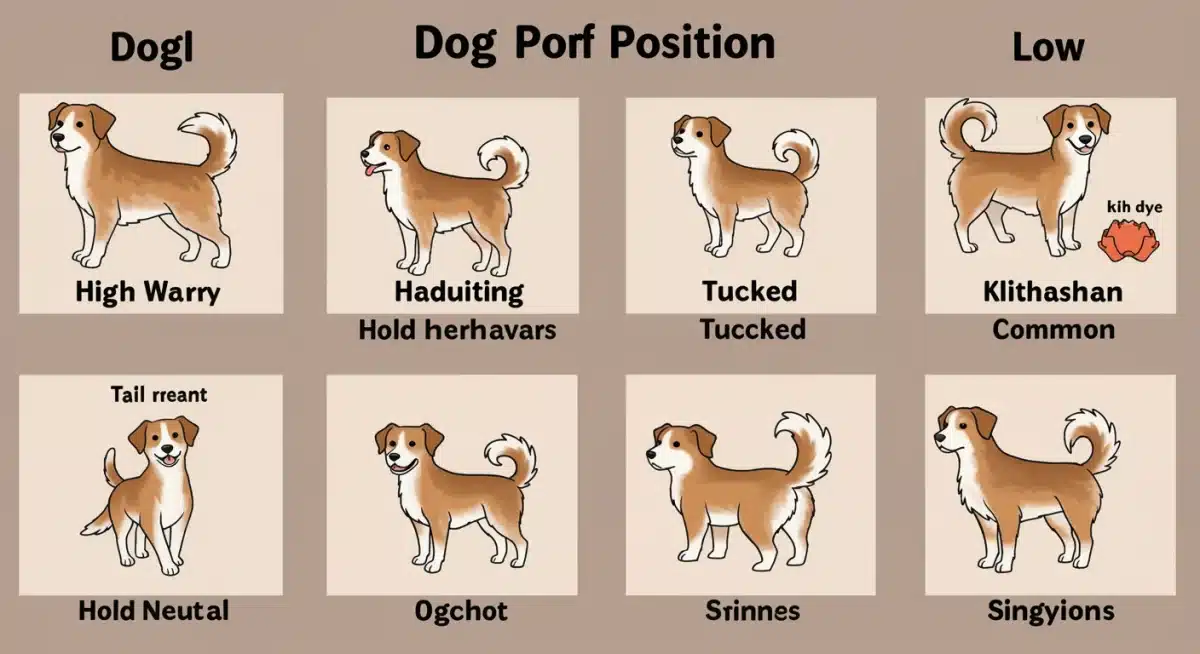
The dog’s tail is often considered the most expressive part of their body, communicating a wide range of emotions. However, simply observing a wag is not enough; the height, speed, and even the direction of the wag all convey different messages. A high, fast wag often signals excitement or happiness, but it can also be a sign of arousal or even aggression if combined with a stiff body. Conversely, a low, slow wag might indicate insecurity or nervousness.
Understanding these subtle variations is key to truly interpreting what your dog is trying to tell you. For instance, a tail tucked tightly between the legs is a clear sign of fear or submission, while a tail held high and stiff could suggest alertness or dominance. Paying attention to the entire body posture in conjunction with the tail is essential for accurate assessment.
Tail position and what it means
- High wag: Often signifies excitement, confidence, or high arousal.
- Neutral position: Generally indicates a relaxed and calm state.
- Low wag: Can suggest uncertainty, submission, or mild apprehension.
- Tucked tail: A strong indicator of fear, anxiety, or extreme submission.
The tail’s movement, combined with its position, provides a rich vocabulary. A broad, sweeping wag usually means friendliness, while a short, frantic wag might suggest anticipation or a high level of stress. Recognizing these distinctions allows owners to respond appropriately, whether by offering reassurance or by providing space.
Understanding ear positions: A window to emotions
A dog’s ears, much like their tails, are incredibly versatile communicators. Their position can shift rapidly, reflecting immediate changes in mood or attention. Erect ears, pointing forward, typically mean the dog is alert and focused on something in their environment. This could be a sign of curiosity, interest, or even a precursor to a reaction.
Conversely, ears flattened back against the head usually indicate fear, submission, or anxiety. This posture aims to make the dog appear smaller and less threatening. Understanding this signal is vital for de-escalating stressful situations or providing comfort to an anxious pet.
Common ear signals decoded
- Forward and alert: Engaged, curious, or focused on a sound/object.
- Relaxed or neutral: Content, at ease, and not particularly stimulated.
- Pinned back (flat): Fearful, anxious, submissive, or feeling threatened.
- Swiveling: Actively listening and trying to pinpoint a sound’s origin.
Different breeds have varying ear shapes, which can affect how pronounced these signals appear. For example, a dog with floppy ears might not be able to pin them back as dramatically as a dog with erect ears, but the muscle tension around the ear base will still convey the message. Observing the context and other body signals is always crucial for accurate interpretation.
The expressive eyes: Gaze, squint, and avoidance
A dog’s eyes can reveal a great deal about their emotional state, offering insights into their comfort levels, intentions, and even their health. A soft, relaxed gaze with slightly squinted eyes often indicates contentment and trust. This is the look of a happy dog, comfortable in their surroundings and with their human companions.
On the other hand, wide, staring eyes, sometimes showing the whites (whale eye), can be a sign of fear, stress, or even aggression. This signal often suggests the dog feels threatened and is preparing to react. Direct, prolonged eye contact from a dog can also be perceived as a challenge, especially by other dogs, and can be a sign of dominance.
What your dog’s eyes are telling you
- Soft, relaxed gaze: Contentment, trust, and affection.
- Wide, staring eyes (whale eye): Fear, anxiety, stress, or a warning.
- Squinting or blinking: Submission, discomfort, or an attempt to appease.
- Avoiding eye contact: Submission, guilt, or fear.
Understanding these ocular cues is critical for effective communication. Forcing eye contact with an anxious dog can exacerbate their fear, while a soft gaze can build rapport. Owners should learn to differentiate between a friendly glance and a stressed stare to better support their dog’s emotional well-being.
Mouth and lip signals: From panting to lip-licking
The mouth and lips of a dog are incredibly dynamic, communicating everything from relaxation to extreme stress or aggression. A relaxed dog will often have a slightly open mouth, with lips loose and corners turned up, sometimes appearing to “smile.” Gentle panting in warm weather or after exercise is normal, but excessive panting without physical exertion can indicate stress or pain.
Lip-licking, especially when not associated with food, is a common appeasement signal, often used to diffuse tension or show submission. Yawning, when not tired, can also be a sign of stress. Conversely, a tightly closed mouth, pulled-back lips, or baring of teeth are clear warnings that a dog is uncomfortable or preparing to defend itself.
Key mouth and lip indicators
- Relaxed, slightly open mouth: Contentment, comfort, and a friendly disposition.
- Lip-licking (not food-related): Stress, anxiety, or an appeasement gesture.
- Yawning (not tired): Often a sign of stress or discomfort.
- Pulled-back lips/baring teeth: A clear warning of aggression or fear.
Interpreting these signals correctly can prevent misunderstandings and potentially dangerous situations. Recognizing subtle signs of stress like lip-licking or yawning can prompt an owner to remove their dog from a challenging situation before it escalates to a growl or snap.
Body posture and weight distribution: The full picture
A dog’s overall body posture and how they distribute their weight offer a holistic view of their emotional state. A confident and relaxed dog will stand tall, with their weight evenly distributed and muscles relaxed. Their movements will be fluid and uninhibited, indicating comfort and self-assurance in their environment.
In contrast, a fearful or submissive dog might hunch their back, lower their head, and try to make themselves appear smaller. They might shift their weight backward, ready to retreat, or even crouch low to the ground. A dog displaying aggression might lean forward, stiffen their body, and appear larger, poised to lunge.
Decoding body posture
- Relaxed posture: Even weight distribution, loose muscles, fluid movement.
- Crouched/lowered body: Fear, submission, or an attempt to appease.
- Stiff, forward lean: Alertness, potential aggression, or high arousal.
- Play bow: An invitation to play, with front end down and rear end up.
Observing the entire body, from head to tail, is crucial for accurate interpretation. A dog might show conflicting signals, such as a wagging tail with a stiff body, indicating conflicted emotions. Learning to read these composite signals helps owners understand their dog’s inner world more completely.
Vocalizations: Beyond barks and growls
While barks and growls are obvious forms of canine communication, the nuances within these vocalizations, along with whines, howls, and even sighs, provide a rich tapestry of meaning. A sharp, high-pitched bark might signal excitement or alarm, while a low, guttural growl is a clear warning that a dog feels threatened and may bite if approached further.
Whining often indicates a need, such as wanting attention, food, or to go outside, but it can also be a sign of pain or anxiety. Howling, while less common in domestic settings, can be a form of communication over distance, or a response to certain sounds. Sighs, on the other hand, usually denote contentment or resignation.
Interpreting canine sounds
- Short, sharp barks: Alarm, excitement, or seeking attention.
- Low, rumbling growl: A warning sign, indicating discomfort or aggression.
- Whining: Expressing need, anxiety, or pain.
- Howling: Distant communication, response to sounds, or separation anxiety.
The context surrounding the vocalization is paramount. A bark at the mail carrier differs significantly from a bark during play. Understanding these distinctions allows owners to respond appropriately, addressing needs, providing comfort, or respecting boundaries.
Piloerection and shaking: Involuntary stress responses
Piloerection, commonly known as “raising the hackles,” is an involuntary response where a dog’s fur stands on end, typically along the spine. This is a clear sign of arousal, which can stem from fear, excitement, or aggression. It makes the dog appear larger and can be a precursor to a more assertive display.
Shaking or trembling, when not due to cold, is another strong indicator of stress, fear, or anxiety. This can occur in new environments, during thunderstorms, or when a dog is feeling overwhelmed. It’s an involuntary physical response to an emotional state and should be heeded by owners.
Recognizing involuntary signals
- Piloerection (raised hackles): Arousal, fear, excitement, or aggression.
- Shaking/trembling: Fear, anxiety, stress, or pain.
- Panting (excessive, without heat): Stress, anxiety, or discomfort.
- Sweaty paws: A subtle sign of stress or fear.
These involuntary signals are crucial because they often occur before a dog exhibits more overt behavioral cues. Recognizing them early allows owners to intervene, remove the dog from the stressful situation, or provide reassurance, thereby preventing potential escalation.
Appeasement gestures: Diffusing tension
Appeasement gestures are behaviors dogs use to signal that they mean no harm, often to diffuse potential conflict or show submission. These can include lip-licking, yawning (when not tired), turning their head away, or even rolling onto their back to expose their belly. These signals are vital in canine social interactions and are also directed towards humans.
Understanding these signals is especially important when interacting with unfamiliar dogs or when your dog is meeting new people. A dog displaying appeasement is trying to communicate that they are not a threat and wish to avoid confrontation. Respecting these signals is key to building trust and preventing fear-based reactions.
Common appeasement behaviors
- Lip-licking: A quick flick of the tongue, often in stressful situations.
- Head turning/gaze aversion: Avoiding direct eye contact to show submission.
- Yawning: A stress-related appeasement signal.
- Rolling over (belly up): Extreme submission or a request for belly rubs from trusted individuals.
By recognizing and respecting these gestures, owners can create a safer and less stressful environment for their dogs and for others. Forcing an interaction with a dog displaying appeasement can escalate their fear and potentially lead to defensive aggression.
Play bows and invitations: The language of fun
The play bow is one of the most universally recognized and unambiguous signals in canine body language, clearly indicating an invitation to play. In a play bow, the dog lowers their front end to the ground while keeping their rear end raised, often with a wagging tail. This posture is a clear signal that subsequent actions, which might otherwise seem aggressive, are part of a game.
Other play invitations include exaggerated movements, bouncy steps, and a relaxed, open-mouthed expression. These signals are critical for dogs to distinguish between playful nipping or chasing and actual aggression, allowing them to engage in rough-and-tumble games without misunderstanding.
Play signals to look for
- Play bow: Front end down, rear end up, signaling an invitation to play.
- Exaggerated movements: Bouncy, high-energy actions.
- Soft, open mouth: A relaxed expression during play, not a snarl.
- “Self-handicapping”: When a larger dog allows a smaller dog to “win” or appear dominant during play.
Observing play signals helps owners understand when their dog is genuinely enjoying an interaction and when play might be becoming too rough or escalating into something more serious. A good play session is characterized by mutual enjoyment and clear, reciprocal play invitations.
Understanding stress signals: Beyond the obvious
Beyond the more overt signs of fear or aggression, dogs exhibit a range of subtle stress signals that are often overlooked by owners. These can include excessive blinking, scratching (when not itchy), shaking off (as if wet), or sudden interest in sniffing the ground. These behaviors are often displacement activities, used by dogs to cope with internal conflict or anxiety.
Recognizing these subtle cues is paramount for proactive pet care. If a dog is repeatedly displaying these signals, it indicates they are uncomfortable or overwhelmed in a given situation. Ignoring these early warnings can lead to increased stress, and in some cases, a more significant behavioral response down the line.
Subtle signs of stress
- Excessive blinking or yawning: Often a sign of stress, not tiredness.
- Scratching or shaking off: Displacement behaviors to relieve tension.
- Sudden sniffing the ground: A way to avoid interaction or show disinterest.
- Turning away or freezing: Attempting to disengage or feeling overwhelmed.
By becoming attuned to these less obvious indicators, US pet owners can become more responsive to their dog’s emotional needs, creating a more supportive and understanding environment. Early intervention based on these signals can prevent chronic stress and improve overall well-being.
| Key Signal | Meaning |
|---|---|
| Tucked Tail | Fear, anxiety, or submission. |
| Pinned Back Ears | Fear, anxiety, or feeling threatened. |
| Lip-licking (not food) | Stress, appeasement, or discomfort. |
| Play Bow | An clear invitation to engage in play. |
Frequently Asked Questions About Canine Body Language
Understanding canine body language is crucial for US pet owners to interpret their dog’s emotions, needs, and intentions. This knowledge strengthens the bond, prevents misunderstandings, and helps address behavioral issues proactively, leading to a safer and happier life for both pet and owner.
A dog’s tucked tail is a strong indicator of fear, anxiety, or submission. It suggests the dog is feeling threatened, insecure, or is attempting to appease. Owners should observe other body signals to confirm the dog’s overall emotional state and provide reassurance if needed.
Yes, yawning in dogs, especially when not tired or just waking up, can be a significant sign of stress or discomfort. It’s often an appeasement gesture used to diffuse tension in a situation. Recognizing this can help owners remove their dog from a stressful environment.
“Whale eye” refers to when a dog shows the whites of their eyes, typically when their head is turned away, but their eyes are still looking at something. This is a clear indicator of fear, stress, or anxiety, suggesting the dog feels uncomfortable or threatened.
Differentiate by observing the dog’s entire body language. Playful growls are often accompanied by a relaxed body, play bows, and a loose, wagging tail. Aggressive growls, however, are usually paired with a stiff body, bared teeth, piloerection, and direct, hard stares, signaling a warning.
Conclusion
Mastering the art of canine body language is an ongoing journey that significantly enhances the relationship between US pet owners and their dogs. By diligently observing the 10 key signals discussed—from the subtle flick of a tail to the involuntary piloerection—owners gain an invaluable insight into their dog’s emotional world. This deeper understanding allows for more effective communication, proactive problem-solving, and ultimately, a more harmonious and fulfilling life together. As we approach January 2025, committing to learning these critical cues is one of the most impactful steps you can take to ensure your dog feels understood, safe, and loved.