2025 CDC Guidelines: Preventing Pet Zoonotic Diseases in the U.S.

The 2025 CDC Guidelines for preventing zoonotic diseases transmitted by pets in the U.S. provide essential updates on best practices for pet owners, veterinarians, and public health officials to minimize disease transmission risks.
As pet ownership continues to rise across the United States, so does the importance of understanding and mitigating the risks associated with zoonotic diseases—illnesses that can pass from animals to humans. The Centers for Disease Control and Prevention (CDC) regularly updates its recommendations to ensure public health and safety. The recently released 2025 CDC Zoonotic Guidelines for preventing zoonotic diseases transmitted by pets in the U.S. represent a significant step forward in this ongoing effort, offering crucial insights and actionable advice for every pet owner, veterinary professional, and public health advocate.
Understanding Zoonotic Diseases and Their Impact
Zoonotic diseases are a diverse group of infections caused by viruses, bacteria, parasites, and fungi that can spread from animals to humans. These diseases can range from mild, self-limiting conditions to severe, life-threatening illnesses. Pets, while beloved family members, can sometimes carry and transmit these pathogens, making informed prevention strategies vital for maintaining both animal and human health.
The impact of zoonotic diseases extends beyond individual cases, potentially affecting public health systems, agricultural economies, and even global trade. The CDC’s focus on these guidelines underscores the interconnectedness of human, animal, and environmental health, a concept known as ‘One Health.’ This holistic approach recognizes that the health of people is closely connected to the health of animals and our shared environment.
Common Zoonotic Pathogens from Pets
Various common pets can carry different types of zoonotic pathogens. Understanding which animals pose specific risks helps in implementing targeted preventative measures.
- Dogs and Cats: Can transmit rabies, toxoplasmosis, ringworm, Bartonellosis (cat scratch disease), and various gastrointestinal parasites like roundworms and hookworms.
- Reptiles (e.g., turtles, snakes, lizards): Often carry Salmonella bacteria, which can cause severe gastrointestinal illness in humans, especially young children, the elderly, and immunocompromised individuals.
- Backyard Poultry (e.g., chickens, ducks): Are frequent carriers of Salmonella and Campylobacter, which can lead to foodborne illnesses.
- Rodents (e.g., hamsters, guinea pigs, rats): Can transmit lymphocytic choriomeningitis virus (LCMV), hantavirus, and various types of bacterial infections.
How Zoonotic Diseases Spread
Transmission can occur through direct contact with an infected animal, indirect contact with contaminated environments (e.g., pet feces, bedding), bites or scratches, or through vectors like fleas and ticks. The 2025 guidelines emphasize understanding these transmission routes to effectively break the chain of infection.
In conclusion, recognizing the diverse nature and transmission methods of zoonotic diseases is the first step towards effective prevention. The CDC’s updated guidelines provide a critical framework for minimizing these risks, ensuring a safer coexistence between humans and their animal companions.
Key Updates in the 2025 CDC Guidelines
The 2025 CDC Zoonotic Guidelines introduce several significant updates, reflecting new scientific research, evolving disease patterns, and improved understanding of human-animal interactions. These revisions aim to provide clearer, more comprehensive, and actionable advice for pet owners and public health professionals alike.
One of the primary areas of focus is the enhanced emphasis on risk assessment tailored to specific pet types and owner demographics. The guidelines acknowledge that not all pets or owners face the same level of risk, and therefore, prevention strategies should be adapted accordingly. This nuanced approach moves beyond a one-size-fits-all model.
Enhanced Vaccination and Parasite Control Protocols
The updated guidelines stress the importance of robust vaccination schedules and consistent internal and external parasite control. This includes not only core vaccinations but also those recommended based on the pet’s lifestyle and geographic location.
- Vaccination: Recommends adherence to veterinary-recommended vaccination schedules for rabies, distemper, parvovirus, and other relevant diseases. For specific animals like ferrets, updated rabies vaccination protocols are highlighted.
- Parasite Control: Emphasizes year-round prevention for fleas, ticks, and intestinal parasites. Regular deworming, even for indoor pets, is strongly advised, especially for pets with potential exposure to contaminated environments or other animals.
- New Treatments: Acknowledges and incorporates newer parasiticides and antiparasitic medications that offer broader spectrum protection and improved safety profiles.
Improved Hygiene and Environmental Management
Basic hygiene practices remain foundational, but the 2025 guidelines offer more detailed recommendations. This includes specific advice for handling pet waste, cleaning pet habitats, and managing cross-contamination risks in multi-pet households or facilities.
The guidelines also provide clearer guidance on environmental management, such as proper disposal of pet waste to prevent environmental contamination and reducing access to areas where wild animals might transmit diseases. Understanding how to clean and disinfect pet supplies and living areas is crucial for preventing the spread of pathogens.
In summary, the 2025 updates offer a more refined and targeted approach to zoonotic disease prevention, integrating the latest scientific knowledge into practical recommendations for pet owners and professionals. These changes aim to enhance the effectiveness of prevention efforts across the board.
Responsible Pet Ownership: A Cornerstone of Prevention
Responsible pet ownership is not just about providing food and shelter; it’s about actively safeguarding the health of both your animal companions and your family. The 2025 CDC Zoonotic Guidelines underscore this principle, outlining key practices that every pet owner should adopt to minimize the risk of zoonotic disease transmission. These practices form the bedrock of a healthy human-animal bond.
Adopting a proactive stance on pet health and hygiene is paramount. This involves regular veterinary check-ups, understanding your pet’s specific needs, and being aware of potential risks. The guidelines emphasize that an informed owner is the first line of defense against zoonotic threats.
Veterinary Care and Health Monitoring
Regular veterinary visits are crucial for maintaining your pet’s health and preventing disease. These visits allow for timely vaccinations, parasite control, and early detection of potential health issues that could pose a zoonotic risk.
- Annual Check-ups: Essential for all pets, even those appearing healthy, to ensure they are up-to-date on vaccinations and deworming.
- Parasite Screening: Routine fecal exams and blood tests can detect internal and external parasites before they become a problem for the pet or humans.
- Prompt Treatment: Addressing any signs of illness in your pet promptly can prevent the escalation of conditions that might become zoonotic.
Hygiene Practices for Pet Owners
Good hygiene is simple but incredibly effective. The guidelines reiterate the importance of handwashing and proper handling of pet-related items.
Washing hands thoroughly with soap and water after touching pets, handling their food, or cleaning their habitats is a fundamental practice. This is especially important for children, the elderly, and immunocompromised individuals who may be more susceptible to infections. Additionally, avoiding direct contact between pet waste and bare skin, and ensuring proper disposal, are critical steps.
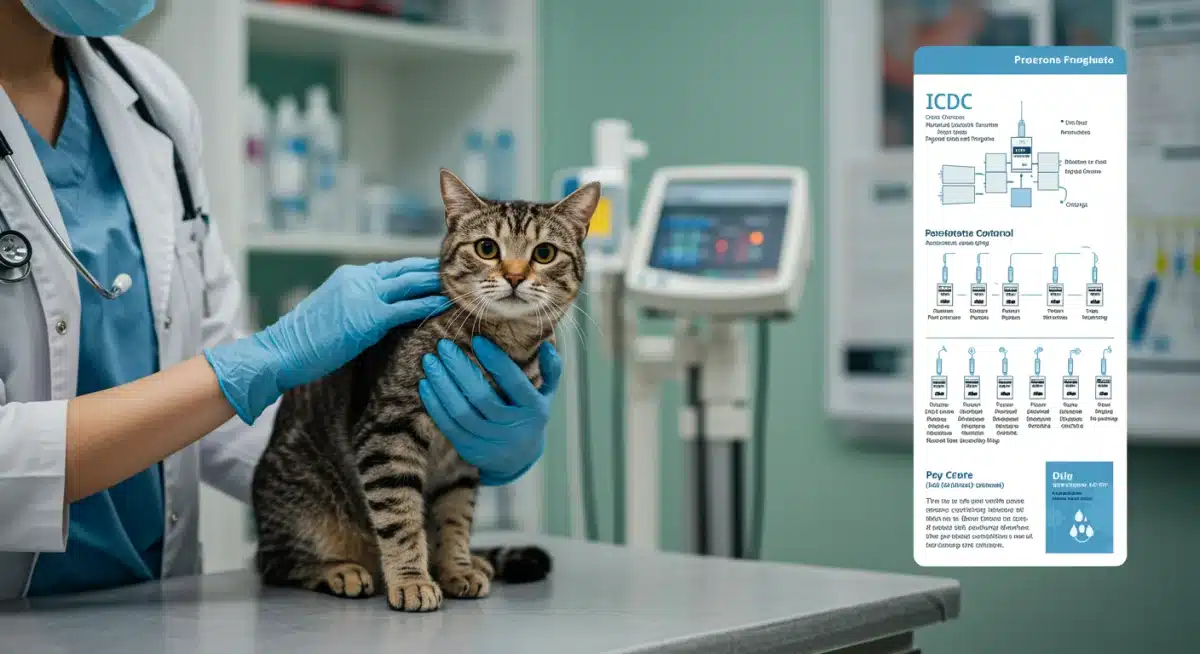
In essence, responsible pet ownership, as highlighted by the 2025 CDC guidelines, is a comprehensive approach that integrates consistent veterinary care, diligent hygiene, and a keen awareness of potential health risks. By embracing these practices, pet owners can significantly contribute to a safer environment for everyone.
Specific Recommendations for High-Risk Groups
The 2025 CDC Zoonotic Guidelines pay special attention to individuals who are more susceptible to severe outcomes from zoonotic infections. These high-risk groups include young children, pregnant women, the elderly, and individuals with compromised immune systems. For these populations, standard preventative measures need to be amplified, and certain pet interactions may require additional caution.
The guidelines provide tailored advice to help these vulnerable individuals enjoy the companionship of pets while minimizing health risks. This often involves a combination of heightened hygiene, careful pet selection, and specific environmental management strategies.
Guidance for Immunocompromised Individuals
Individuals with weakened immune systems due to medical conditions (e.g., HIV/AIDS, cancer, organ transplant recipients) or medications are at a greater risk of developing serious infections from zoonotic pathogens that might only cause mild symptoms in healthy individuals.
- Pet Selection: Advised to avoid certain pets known to carry higher risks, such as reptiles, amphibians, and very young animals that may not have fully developed immunity.
- Veterinary Consultation: Regular consultation with both their physician and veterinarian to discuss potential risks and appropriate preventative measures for their specific situation.
- Environmental Control: Strict adherence to cleaning pet habitats and avoiding direct contact with pet waste. Delegating these tasks to a healthy family member is often recommended.
Advice for Pregnant Women and Young Children
Pregnant women face risks such as toxoplasmosis, which can be transmitted through cat feces and have severe consequences for the unborn child. Young children, due to their developing immune systems and tendency to put hands in their mouths, are also highly vulnerable.
For pregnant women, avoiding cleaning litter boxes or wearing gloves and washing hands immediately after is crucial. For young children, close supervision during pet interactions is vital, along with consistent handwashing after playing with pets. Educating children about safe pet handling practices from an early age is also a key recommendation.
Ultimately, by providing specific, actionable advice for high-risk groups, the 2025 CDC guidelines aim to empower these individuals and their caregivers to make informed decisions that protect their health without necessarily sacrificing the benefits of pet ownership.
Role of Veterinarians and Public Health Agencies
The success of preventing zoonotic diseases hinges not only on responsible pet ownership but also on the concerted efforts of veterinary professionals and public health agencies. The 2025 CDC Zoonotic Guidelines emphasize their pivotal roles in surveillance, education, and implementation of preventative strategies, fostering a collaborative approach to public health.
Veterinarians serve as the frontline defense, providing direct care to animals and educating pet owners. Public health agencies, on the other hand, monitor disease trends, develop policies, and disseminate critical information to the broader community. Their combined efforts create a robust system for managing zoonotic risks.
Veterinary Responsibilities in Zoonotic Disease Prevention
Veterinarians are instrumental in identifying, treating, and preventing zoonotic diseases in pets. Their expertise ensures that animals receive appropriate care, thereby reducing the risk of transmission to humans.
- Client Education: Informing pet owners about zoonotic risks, proper hygiene, and the importance of vaccinations and parasite control.
- Disease Surveillance: Reporting suspected or confirmed zoonotic cases to public health authorities, contributing to broader disease tracking efforts.
- Biosecurity Protocols: Implementing strict biosecurity measures within veterinary clinics to prevent the spread of pathogens between animals and to staff.
- Risk Assessment: Providing individualized risk assessments for pets based on their lifestyle, exposure, and the health status of household members.
Public Health Agency Initiatives
Public health agencies play a crucial role in coordinating responses to zoonotic outbreaks and developing preventative policies. Their work often involves collaboration with various stakeholders, including veterinary medicine, environmental health, and human medicine.
These agencies are responsible for collecting and analyzing data on zoonotic disease incidence, identifying emerging threats, and developing public awareness campaigns. They also work to establish guidelines and regulations that support the safe ownership of pets and reduce the overall burden of zoonotic diseases in the population.
In conclusion, the symbiotic relationship between veterinarians and public health agencies is fundamental to the comprehensive approach outlined in the 2025 CDC guidelines. Their combined expertise and coordinated actions are essential for protecting both animal and human health from zoonotic threats.
Future Outlook and Emerging Zoonotic Threats
The landscape of zoonotic diseases is constantly evolving, influenced by factors such as climate change, globalization, and changes in human-animal interactions. The 2025 CDC Zoonotic Guidelines acknowledge this dynamic environment and hint at future directions for research, surveillance, and prevention strategies. Staying ahead of emerging threats is crucial for maintaining effective public health measures.
As human populations expand and encroach upon natural habitats, the interface between wildlife, domestic animals, and humans becomes more frequent, creating new opportunities for pathogen spillover. This necessitates continuous vigilance and adaptability in public health approaches.
Impact of Environmental Changes
Climate change, in particular, is altering the geographic distribution of disease vectors like mosquitoes and ticks, potentially introducing new zoonotic diseases to previously unaffected regions. This shift requires ongoing monitoring and flexible public health responses.
- Vector-borne Diseases: Increased prevalence of diseases like Lyme disease, West Nile virus, and potentially new arboviruses as vectors expand their range.
- Wildlife-Human Interface: Greater potential for novel pathogens to emerge from wildlife populations as habitats change and human contact increases.
Advances in Diagnostics and Research
Ongoing scientific advancements in diagnostic tools and genomic sequencing are revolutionizing our ability to detect and characterize zoonotic pathogens more rapidly and accurately. This allows for quicker identification of outbreaks and more targeted interventions.
Research into host-pathogen interactions and the development of new vaccines and therapeutics are also critical components of the future outlook. Understanding the complex mechanisms of disease transmission will lead to more effective prevention and control strategies, as emphasized by the forward-looking aspects of the 2025 guidelines.
Ultimately, the future of zoonotic disease prevention will rely on a combination of robust surveillance, innovative research, and a flexible, ‘One Health’ approach that integrates the health of humans, animals, and the environment. The 2025 CDC guidelines lay a strong foundation for these ongoing efforts.
Implementing the 2025 Guidelines in Daily Life
Translating comprehensive public health guidelines into actionable daily practices can sometimes feel daunting. However, the 2025 CDC Zoonotic Guidelines are designed to be practical and integrate seamlessly into the routines of pet owners and caregivers. Successful implementation involves a combination of awareness, consistency, and a willingness to adapt practices for optimal safety.
Making small, consistent changes can collectively have a significant impact on reducing the risk of zoonotic disease transmission. The goal is to create a safer environment for everyone in the household, fostering a healthier relationship between humans and their beloved pets.
Practical Steps for Pet Owners
Every pet owner can take concrete steps to align with the 2025 guidelines. These actions are often straightforward and can be incorporated into existing pet care routines.
- Regular Handwashing: Make it a habit to wash hands thoroughly with soap and water after any contact with pets, their food, or their waste.
- Designated Pet Areas: Establish clear boundaries for pets, especially in areas where food is prepared or consumed, to minimize cross-contamination.
- Safe Waste Disposal: Always use gloves when handling pet waste and dispose of it properly and promptly, especially for litter boxes and outdoor defecation.
- Veterinary Compliance: Adhere strictly to your veterinarian’s recommendations for vaccinations, deworming, and external parasite control.
Educating Family Members and Community
An essential aspect of implementation is educating all family members, particularly children, about safe pet interactions and hygiene. Extending this knowledge to the broader community, through discussions with friends and neighbors, can also contribute to collective health.
Sharing information about the 2025 CDC guidelines and promoting best practices can create a ripple effect, enhancing public awareness and encouraging widespread adoption of preventative measures. This community-level engagement reinforces the message that zoonotic disease prevention is a shared responsibility.
In conclusion, the effective implementation of the 2025 CDC guidelines in daily life is a continuous process that requires diligence and education. By consistently applying these practical steps, pet owners can play a vital role in protecting their families and communities from zoonotic threats, ensuring a safe and healthy environment for all.
| Key Aspect | Brief Description |
|---|---|
| Enhanced Prevention | Updates in vaccination, parasite control, and hygiene protocols for pets to minimize disease transmission. |
| Risk-Based Recommendations | Tailored advice for high-risk groups (children, pregnant, immunocompromised) to ensure their safety around pets. |
| One Health Approach | Emphasizes collaboration between human, animal, and environmental health sectors for comprehensive disease control. |
| Future Preparedness | Addresses emerging threats, environmental impacts, and continuous research for proactive zoonotic disease management. |
Frequently Asked Questions About 2025 CDC Zoonotic Guidelines
Zoonotic diseases are illnesses that can be transmitted from animals to humans. They can be caused by various pathogens, including viruses, bacteria, parasites, and fungi, and manifest with symptoms ranging from mild to severe, sometimes even life-threatening.
The 2025 guidelines incorporate updated scientific research, new disease patterns, and a more refined risk assessment approach. They provide more specific recommendations for high-risk groups and emphasize a collaborative ‘One Health’ strategy across human, animal, and environmental health sectors.
The most crucial step is consistent responsible pet ownership, including regular veterinary check-ups, adherence to vaccination and parasite control schedules, and practicing diligent personal hygiene, especially handwashing after pet contact or waste handling.
Yes, some pets carry higher risks. For example, reptiles frequently carry Salmonella, and backyard poultry can transmit various bacteria. High-risk groups, such as immunocompromised individuals, should consult with their doctor and veterinarian about specific pet choices.
Public health agencies play a vital role through disease surveillance, policy development, and public education. They monitor outbreaks, establish guidelines, and inform communities about preventative measures, often collaborating with veterinary professionals to ensure comprehensive protection.
Conclusion
The 2025 CDC Zoonotic Guidelines represent a critical advancement in our collective effort to safeguard public health against diseases transmitted by pets. By integrating the latest scientific understanding with practical, actionable advice, these guidelines empower pet owners, veterinary professionals, and public health agencies to work together more effectively. The emphasis on responsible pet ownership, tailored recommendations for vulnerable populations, and a forward-looking approach to emerging threats ensures a comprehensive strategy. Embracing these updated guidelines in our daily lives is not just about protecting ourselves; it’s about fostering a healthier, safer, and more harmonious coexistence with our beloved animal companions, reinforcing the invaluable bond we share while minimizing potential health risks.