2025 Canine Influenza Strains: Prevention for U.S. Pet Owners

Knowing about the 2025 canine influenza strains is vital for U.S. pet owners to implement effective prevention strategies and safeguard their dogs’ health against this evolving respiratory disease.
As pet owners, the health and well-being of our furry companions are always a top priority. Understanding 2025 canine influenza strains and their implications is crucial for ensuring our dogs remain healthy, especially with new developments emerging. This comprehensive guide will equip pet owners across the U.S. with the most recent information and essential prevention strategies.
Understanding canine influenza: the basics
Canine influenza, often referred to as dog flu, is a highly contagious respiratory disease in dogs caused by specific influenza A viruses. It’s similar to the human flu, but the strains are different and typically do not transmit between species. First identified in the U.S. in 2004, it has since become a recurring concern for dog owners and veterinarians alike. The disease can range from mild to severe, and understanding its nature is the first step in effective prevention and management.
The two main strains identified globally are H3N8 and H3N2. While both cause similar symptoms, their origins and prevalence can differ. H3N8 originated from an equine influenza virus and was the first strain to emerge in the U.S., while H3N2 is believed to have originated from an avian influenza virus in Asia and later spread to the U.S. These distinctions are important for vaccine development and understanding regional outbreaks.
The disease spreads primarily through direct contact with infected dogs, aerosolized respiratory secretions (coughing, barking, sneezing), and contaminated objects like food and water bowls, leashes, and even human hands. This high transmissibility makes environments like dog parks, boarding kennels, and grooming salons potential hotbeds for outbreaks. Recognizing these transmission routes is key to mitigating spread.
Symptoms to watch for in your dog
- Persistent coughing, often lasting 10-30 days
- Sneezing and nasal discharge
- Fever, lethargy, and reduced appetite
- Difficulty breathing in more severe cases
Early detection of these symptoms is critical. If you notice any of these signs, especially if your dog has recently been in contact with other dogs, it’s important to consult your veterinarian immediately. Prompt veterinary attention can help manage the symptoms and prevent potential complications, such as secondary bacterial infections like pneumonia.
In conclusion, canine influenza is a serious respiratory illness that requires vigilance from pet owners. Understanding its fundamental characteristics, including the strains involved, modes of transmission, and typical symptoms, forms the bedrock of effective prevention and timely intervention, safeguarding the health of our canine companions.
The evolving landscape of 2025 canine influenza strains
The world of viruses is constantly changing, and canine influenza is no exception. As we look towards 2025, veterinarians and public health experts are closely monitoring the evolution of existing strains and the potential emergence of new ones. This ongoing surveillance is vital for anticipating future outbreaks and adapting prevention strategies to keep pace with the virus’s developments.
Currently, the H3N2 strain continues to be a significant concern due to its higher transmissibility and the potential for more severe illness compared to H3N8. However, reports indicate that newer variants or mutations within these established strains might be gaining traction. These subtle genetic shifts can sometimes lead to changes in how effectively existing vaccines protect against the virus, or even influence the severity of the disease.
Research and development in veterinary medicine are continuously working to identify these emerging threats. Laboratories across the U.S. are actively sequencing viral samples from infected dogs to track changes and provide up-to-date information to veterinarians. This proactive approach ensures that the veterinary community can respond swiftly to protect the canine population.
Factors influencing strain evolution
- High population density in urban areas
- Frequent travel of pets across regions
- Genetic drift and shift in viral replication
- Immune pressures from vaccinated populations
These factors collectively contribute to the dynamic nature of canine influenza. The movement of pets for shows, competitions, or even family vacations can rapidly spread new strains or variants across geographical boundaries. Therefore, understanding these influencing factors helps in predicting and preparing for potential new challenges in canine health.
The continuous evolution of 2025 canine influenza strains underscores the importance of staying informed and adhering to updated veterinary recommendations. Pet owners should remain aware that the situation is fluid and preventative measures may need to be adjusted based on the latest scientific findings and regional outbreak patterns. Regular communication with your vet is paramount in this evolving landscape.
Prevention strategies for U.S. pet owners
Preventing canine influenza is a multi-faceted approach that combines vaccination, good hygiene, and responsible pet ownership. For U.S. pet owners, understanding and implementing these strategies is key to protecting their dogs from the 2025 canine influenza strains. Proactive measures are always more effective than reactive treatments, especially with highly contagious diseases.
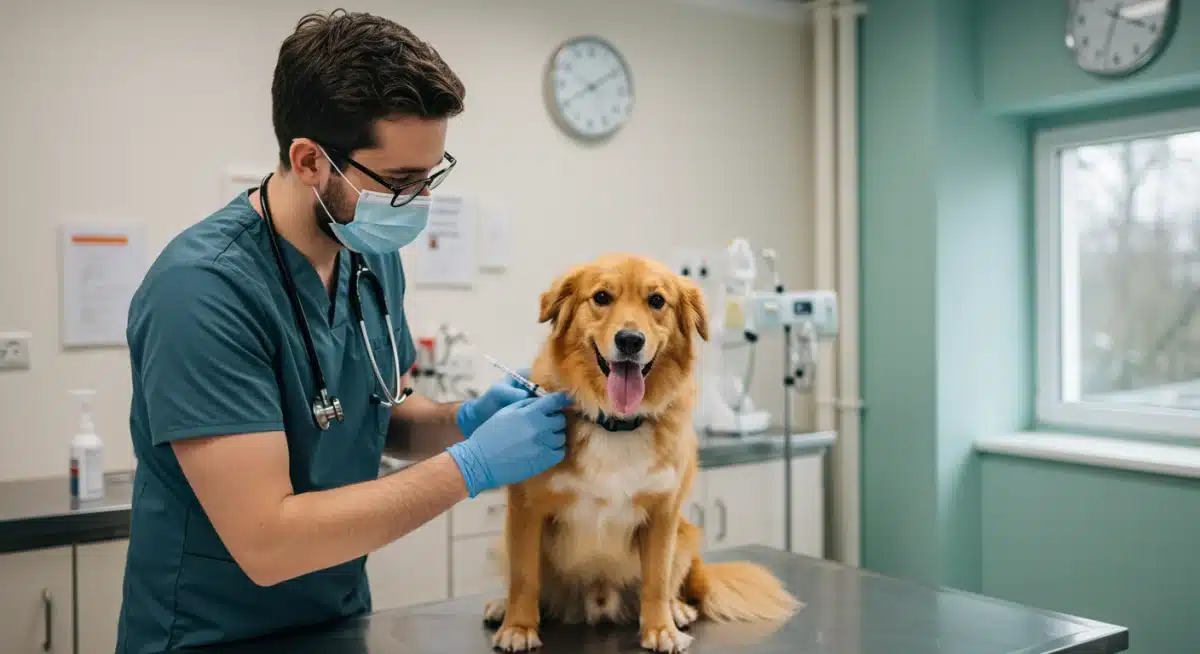
Vaccination remains one of the most effective tools in the arsenal against canine influenza. There are vaccines available for both H3N8 and H3N2 strains, often administered as a bivalent vaccine. While vaccination may not prevent infection entirely, it significantly reduces the severity of illness and the duration of viral shedding, thereby limiting transmission. It’s crucial to discuss with your veterinarian which vaccine protocol is best for your dog based on their lifestyle and risk factors.
Beyond vaccination, practicing excellent hygiene is paramount. This includes frequent handwashing after interacting with other dogs, cleaning and disinfecting shared items like toys and bowls, and avoiding communal water sources in public places. These simple steps can dramatically reduce the risk of your dog contracting the virus from contaminated surfaces or other animals.
Key preventative actions
- Consult your vet about canine influenza vaccination
- Practice good hygiene, especially in public settings
- Limit contact with sick or unknown dogs
- Monitor local outbreaks and veterinary advisories
Responsible pet ownership also involves being mindful of your dog’s social interactions. If your dog frequents dog parks, boarding facilities, or grooming salons, the risk of exposure increases. Consider the health status of other dogs your pet interacts with and, if possible, choose facilities that enforce strict vaccination and hygiene protocols. During known outbreaks, it may be prudent to temporarily limit your dog’s exposure to high-traffic communal areas.
Ultimately, a combination of vaccination, stringent hygiene practices, and informed decision-making about your dog’s social life forms the bedrock of effective prevention against 2025 canine influenza strains. Staying proactive and engaged with your veterinarian’s advice will provide the best protection for your beloved companion.
Vaccination protocols and recommendations
Vaccination plays a pivotal role in controlling canine influenza, and understanding the current protocols and recommendations is essential for every pet owner. The goal of vaccination is not only to protect individual dogs but also to contribute to herd immunity, reducing the overall spread of the disease within the canine population.
For the 2025 canine influenza strains, veterinarians typically recommend a bivalent vaccine that covers both the H3N8 and H3N2 strains. The initial vaccination usually involves two doses administered 2-4 weeks apart, followed by annual boosters. However, the specific schedule might vary based on the vaccine manufacturer and your dog’s individual health status and risk factors.
It’s important to note that like human flu vaccines, canine influenza vaccines do not offer 100% protection against infection. However, they are highly effective in mitigating the severity of the disease, reducing clinical signs, and shortening the duration of viral shedding. This means even if a vaccinated dog contracts the flu, their symptoms are likely to be much milder, and they will be less likely to transmit it to other dogs.
Who should get vaccinated?
- Dogs that frequent boarding kennels, doggy daycares, or grooming salons
- Dogs that attend dog parks, training classes, or dog shows
- Dogs with compromised immune systems or underlying health conditions
- Any dog living in an area with a known canine influenza outbreak
The decision to vaccinate should always be made in consultation with your veterinarian. They can assess your dog’s individual risk factors, lifestyle, and geographical location to provide the most appropriate recommendations. For instance, a dog that rarely leaves the house might have a lower risk than one that regularly interacts with many other canines, but even isolated dogs can contract the virus indirectly.
In conclusion, adhering to recommended vaccination protocols is a cornerstone of preventing serious illness from 2025 canine influenza strains. Regular discussions with your vet about your dog’s specific needs and local disease prevalence will ensure they receive optimal protection against this persistent respiratory threat.
Responding to a canine influenza outbreak
Despite best prevention efforts, outbreaks of canine influenza can still occur. Knowing how to respond effectively is crucial for containing the spread and ensuring the best possible outcome for affected dogs. A swift and informed reaction can make a significant difference in managing an outbreak situation.
If you suspect your dog has canine influenza, immediate veterinary consultation is essential. Your vet can perform diagnostic tests to confirm the infection and rule out other respiratory illnesses. Early diagnosis allows for prompt treatment and helps in isolating the infected dog to prevent further transmission. Transparency with your veterinarian about your dog’s recent contacts and symptoms is vital for accurate assessment.
For dogs diagnosed with canine influenza, supportive care is the primary treatment. This often includes rest, hydration, and potentially antibiotics for secondary bacterial infections. In severe cases, hospitalization with intravenous fluids and oxygen therapy may be necessary. Always follow your veterinarian’s instructions meticulously regarding medication and care.
Managing an infected dog at home
- Isolate your infected dog from other pets for at least 3-4 weeks
- Clean and disinfect all shared items and surfaces regularly
- Monitor symptoms closely and report any worsening condition to your vet
- Ensure your dog has a quiet, comfortable resting area
Communication within the pet community is also an important aspect of outbreak response. If your dog is diagnosed with canine influenza, inform any facilities they have recently visited (e.g., boarding kennels, dog parks, groomers) so they can take appropriate measures to prevent further spread. This responsible action helps protect other dogs and allows facilities to implement enhanced cleaning and screening protocols.
Responding to an outbreak of 2025 canine influenza strains requires a combination of rapid veterinary intervention, diligent home care, and community awareness. By acting responsibly and following expert advice, pet owners can significantly contribute to controlling and minimizing the impact of these challenging situations.
Future outlook and ongoing research
The fight against canine influenza is an ongoing endeavor, with researchers constantly working to understand the virus better and develop more effective prevention and treatment strategies. The future outlook involves continuous surveillance, advanced vaccine development, and improved diagnostic tools to stay ahead of evolving threats like the 2025 canine influenza strains.
One key area of research focuses on improving existing vaccines to offer broader protection against a wider range of viral variants. Scientists are exploring novel vaccine technologies that could provide longer-lasting immunity or be more adaptable to rapid viral changes. This proactive approach aims to ensure that future vaccines remain highly effective even as the virus mutates.
Enhanced surveillance programs are also crucial. These programs involve collecting and analyzing viral samples from outbreaks across the U.S. to identify new strains or significant mutations quickly. Early detection allows for prompt updates to vaccine recommendations and public health advisories, giving veterinarians and pet owners the most current information to act upon.
Innovations in canine influenza management
- Development of more comprehensive bivalent and multivalent vaccines
- Faster and more accurate point-of-care diagnostic tests
- Research into antiviral treatments specifically for dogs
- Improved understanding of long-term effects of infection
Furthermore, there is growing interest in understanding the long-term health implications of canine influenza beyond the initial acute illness. Some research is exploring whether severe infections could predispose dogs to other respiratory issues or chronic conditions. This deeper understanding will help in developing holistic care plans for affected animals.
The ongoing commitment to research and development provides hope for even better control of 2025 canine influenza strains and future viral challenges. Pet owners can support these efforts by staying informed, participating in veterinary studies if appropriate, and continuing to prioritize their dogs’ preventative health care.
| Key Aspect | Brief Description |
|---|---|
| Current Strains | H3N8 and H3N2 are the primary strains, with ongoing monitoring for new variants. |
| Prevention | Vaccination (bivalent recommended), strict hygiene, and limiting exposure to sick dogs. |
| Symptoms | Coughing, sneezing, nasal discharge, fever, and lethargy. Seek vet care immediately. |
| Outbreak Response | Isolate infected dogs, vet consultation, supportive care, and community communication. |
Frequently asked questions about canine influenza
As of 2025, the primary canine influenza strains in the U.S. remain H3N8 and H3N2. While these are the dominant strains, veterinary experts are continuously monitoring for any new variants or mutations that could emerge and impact canine health or vaccine effectiveness.
Current bivalent vaccines are designed to protect against both H3N8 and H3N2 strains, offering significant protection. While viruses can mutate, these vaccines generally reduce disease severity and spread. Consult your veterinarian for the most current vaccine recommendations tailored to your dog’s risk.
Vaccination is highly recommended for dogs frequenting communal areas. Additionally, practice good hygiene by washing hands after interacting with other dogs, avoid shared water bowls, and monitor your dog for any symptoms. If an outbreak occurs, consider temporarily limiting visits.
Common symptoms include persistent coughing, sneezing, nasal discharge, fever, and lethargy. In more severe cases, dogs may experience difficulty breathing. If you observe these signs, especially after exposure to other dogs, contact your veterinarian promptly for diagnosis and care.
Canine influenza viruses are highly species-specific and typically do not infect humans. While rare cases of H3N2 infecting cats have been reported, the risk of transmission to other animal species is generally low. It primarily affects dogs and ferrets.
Conclusion
Staying informed and proactive remains the best defense against 2025 canine influenza strains for pet owners in the U.S. The dynamic nature of these viruses necessitates continuous vigilance, adherence to vaccination schedules, and diligent hygiene practices. By working closely with your veterinarian and staying updated on local advisories, you can significantly reduce your dog’s risk of infection and contribute to the overall health of the canine community. Protecting our beloved companions from this respiratory threat requires a concerted effort, ensuring they can lead happy, healthy lives free from preventable illnesses.