Reduce Your Pet’s Carbon Pawprint by 15% in 2026
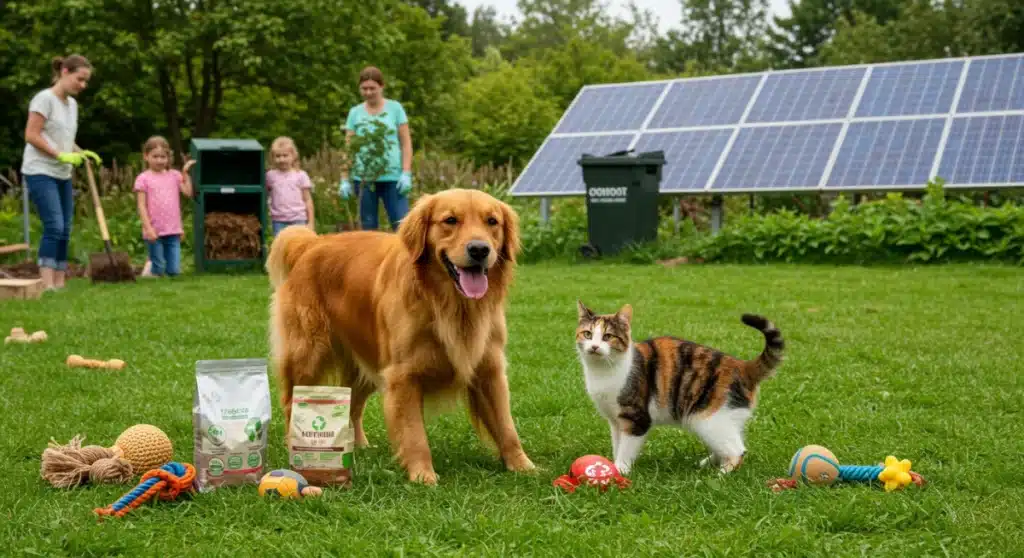
Achieving a 15% reduction in your pet’s carbon pawprint by 2026 involves strategic shifts towards sustainable diets, eco-conscious product choices, and effective waste management practices.
As pet owners, we cherish our furry, scaly, and feathered companions, but have you ever considered their environmental impact? This article offers insider tips: how to reduce your pet’s carbon pawprint by 15% in 2026, empowering you to make a tangible difference. It’s not just about grand gestures; it’s about a series of conscious, everyday choices that collectively contribute to a healthier planet for all.
Understanding your pet’s environmental footprint
Every pet, regardless of size, leaves an environmental mark. From the resources consumed in producing their food to the waste they generate, our pets are part of the larger ecological system. Recognizing this impact is the first step toward mitigating it.
The carbon pawprint encompasses various aspects of a pet’s life. This includes their diet, the products they use, and even the veterinary care they receive. A holistic approach is necessary to truly understand and address these areas effectively.
The hidden impact of pet food production
Pet food manufacturing is a significant contributor to a pet’s overall carbon footprint. The production of meat-based pet foods, in particular, requires substantial land, water, and energy resources, also generating greenhouse gas emissions. Exploring alternative protein sources can make a big difference.
- Traditional meat production: High demand for land, water, and energy.
- Greenhouse gas emissions: Livestock farming contributes significantly to global emissions.
- Resource depletion: Over-reliance on conventional farming methods strains natural resources.
- Transportation costs: Moving ingredients and finished products adds to the carbon load.
Beyond food: products and waste
Beyond what pets eat, the items they use and the waste they produce also have environmental implications. Toys, bedding, grooming products, and even waste disposal methods all play a role. Choosing sustainable alternatives can dramatically reduce this impact.
Understanding these facets allows us to move beyond simple assumptions and implement targeted strategies. It’s about being informed and making choices that align with our desire for a more sustainable future.
Sustainable diet choices for a greener pawprint
The food our pets consume is perhaps the largest component of their environmental impact. Shifting towards more sustainable dietary options is a powerful way to reduce their carbon pawprint. This involves exploring novel protein sources and understanding the benefits of locally sourced ingredients.
Exploring alternative protein sources
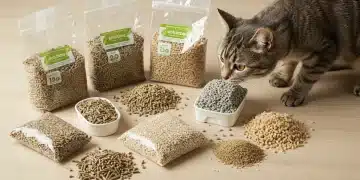
Insect-based proteins, for instance, are gaining traction as a sustainable alternative to traditional meat. Insects require significantly less land, water, and feed, and produce fewer greenhouse gases. Other options include plant-based diets, which can be nutritionally complete for many pets, particularly dogs, when formulated correctly.
It’s crucial to consult with your veterinarian before making any significant dietary changes to ensure your pet’s nutritional needs are met. Many reputable brands are now offering scientifically formulated insect or plant-based pet foods.
- Insect-based diets: Lower resource consumption, reduced emissions.
- Plant-based options: Environmentally friendly, requires careful nutritional balancing.
- Novel proteins: Duck, venison, or rabbit can be more sustainable than beef or chicken in some contexts.
- Algae-based proteins: Emerging as a highly sustainable and nutrient-rich option.
The benefits of locally sourced and organic ingredients
Choosing pet foods made with locally sourced ingredients reduces transportation emissions. Opting for organic ingredients also supports farming practices that avoid harmful pesticides and promote soil health, leading to a more sustainable agricultural system. This not only benefits the environment but can also lead to healthier pets.
Look for brands that prioritize transparency in their ingredient sourcing and manufacturing processes. Many companies are now highlighting their commitment to sustainability on their packaging and websites.
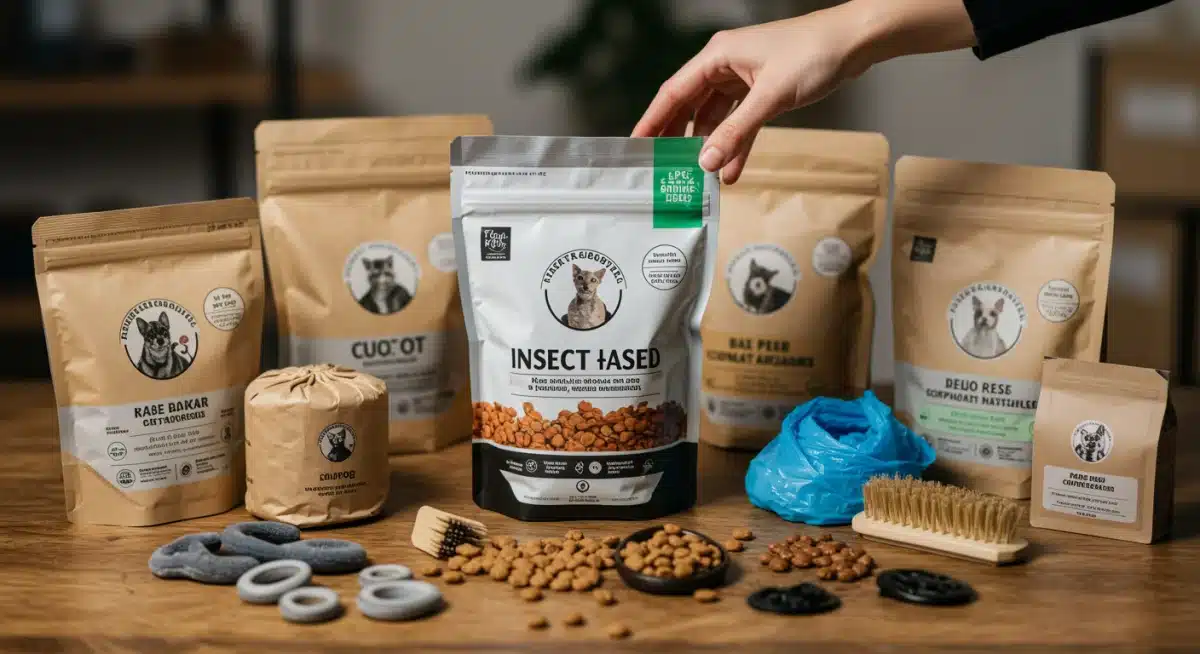
Eco-friendly pet products and accessories
The market for pet products is vast, and unfortunately, many items contribute to plastic waste and environmental degradation. Making conscious choices about the products we buy can significantly reduce our pets’ carbon pawprint. This extends from toys to bedding and even grooming supplies.
Consider the entire lifecycle of a product, from its creation to its disposal. Prioritizing durability, recyclability, and biodegradability can have a lasting positive impact.
Sustainable toys and bedding
When selecting toys, opt for those made from natural, non-toxic, and durable materials like hemp, organic cotton, or recycled plastics. Avoiding single-use plastic toys that quickly break and end up in landfills is a simple yet effective step. For bedding, choose options made from recycled materials or natural fibers that are washable and long-lasting.
Many small businesses specialize in crafting eco-friendly pet products, often using sustainable manufacturing processes and ethical labor. Supporting these businesses can also contribute to a greener economy.
- Natural materials: Hemp, organic cotton, wool for toys and bedding.
- Recycled content: Look for products made from post-consumer recycled plastics.
- Durability: Invest in high-quality items that last longer, reducing the need for frequent replacements.
- Biodegradable options: Toys and chews that safely decompose.
Grooming and waste management solutions
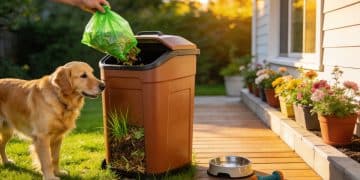
For grooming, choose shampoos and conditioners with natural, biodegradable ingredients and minimal packaging. Using reusable pet wipes instead of disposable ones can also cut down on waste. When it comes to waste management, biodegradable poop bags are a must. Consider composting pet waste if local regulations allow and you have the appropriate setup, especially for herbivores.
Even small changes, like switching to a bamboo toothbrush for your pet, can add up over time. Every conscious decision contributes to the larger goal of reducing environmental impact.
Reducing energy consumption in pet care
Our daily routines with pets often involve energy consumption that can be optimized for sustainability. From heating and cooling their spaces to washing their belongings, there are opportunities to reduce our energy footprint. Small adjustments can lead to significant savings and a reduced environmental impact.
Think about how your pet’s comfort and cleanliness intersect with your household’s energy use. Smart solutions can often satisfy both needs.
Optimizing pet living spaces
Ensure your pet’s living areas are well-insulated to minimize the need for excessive heating or air conditioning. Consider natural ventilation and shading to regulate temperature. If your pet has a dedicated space, use energy-efficient lighting. For aquariums and terrariums, invest in energy-efficient heating and filtration systems, and ensure they are properly sized for their inhabitants to avoid unnecessary energy drain.
Smart home devices can also play a role, allowing you to control thermostats and lighting remotely, ensuring energy isn’t wasted when you’re away.
Efficient cleaning and laundry practices
When washing pet bedding or toys, use cold water cycles and energy-efficient appliances. Air-drying items whenever possible further reduces energy consumption. For cleaning up pet messes, opt for natural, non-toxic cleaners that don’t harm the environment or your pet. Using reusable cleaning cloths instead of disposable paper towels also helps reduce waste.
Consolidate laundry loads to maximize efficiency. A full washing machine uses less energy per item than several smaller loads.
- Insulation and ventilation: Maintain comfortable temperatures naturally.
- Energy-efficient appliances: For heating, cooling, and cleaning.
- Cold water washing: Significant energy savings for pet laundry.
- Natural cleaners: Environmentally friendly and safe for pets.
Responsible pet ownership and community involvement
Beyond individual actions, responsible pet ownership extends to community engagement and advocating for sustainable practices. Supporting local shelters, choosing ethical breeders, and participating in community clean-up initiatives all contribute to a more sustainable future for pets and people.
Our choices as pet owners have ripple effects that can influence broader environmental outcomes.
Adoption and ethical breeding
Adopting pets from shelters and rescues helps reduce the demand for commercial breeding operations, which can sometimes have a substantial environmental footprint. If purchasing from a breeder, choose one who prioritizes the health and well-being of their animals and employs sustainable practices. This includes proper waste management and responsible resource use.
Supporting organizations that promote spaying and neutering also helps control pet overpopulation, reducing the overall demand for resources.
Community clean-ups and advocacy
Participate in local park or beach clean-ups with your pet. This not only keeps public spaces clean but also raises awareness about pet waste and litter. Advocate for pet-friendly policies that encourage sustainability, such as accessible recycling bins in parks or incentives for using biodegradable pet products. Your voice can inspire others.
Engaging with local pet communities can also lead to sharing sustainable tips and resources, fostering a collective effort towards a greener pawprint.
Monitoring and measuring your progress
To effectively reduce your pet’s carbon pawprint by 15% in 2026, it’s essential to monitor your efforts and measure your progress. This isn’t about rigid calculations but rather about being mindful and making informed adjustments. Small, consistent steps accumulate into significant change.
Tracking your habits can provide valuable insights and motivate further sustainable choices.
Setting realistic goals and tracking habits
Start by setting achievable goals, like switching one pet food meal per week to a more sustainable option or replacing one plastic toy with a natural alternative per month. Keep a simple log of your sustainable choices. This can be a notebook, a spreadsheet, or even a habit-tracking app. Seeing your progress can be incredibly motivating and help you identify areas for further improvement.
Remember that perfection isn’t the goal; consistent effort and gradual improvement are what truly matter.
- Baseline assessment: Understand your current pet care habits.
- Incremental changes: Implement sustainable practices gradually.
- Regular review: Periodically check your progress and adjust strategies.
- Celebrate small wins: Acknowledge every step towards a greener lifestyle.
Utilizing available resources and tools
Many online tools and resources can help you estimate your pet’s carbon footprint and suggest areas for improvement. Pet food manufacturers often provide sustainability reports, and environmental organizations offer guides for eco-friendly pet ownership. Leverage these resources to refine your strategy and discover new ways to reduce your environmental impact.
Connecting with other eco-conscious pet owners through online forums or local groups can also provide support and new ideas.
Future outlook: innovations in sustainable pet care
The landscape of sustainable pet care is continuously evolving, with exciting innovations on the horizon. Staying informed about these advancements can help us further reduce our pets’ environmental impact and contribute to a greener future. The pet industry is increasingly responding to consumer demand for eco-friendly options.
From advanced nutrition to smart waste solutions, the future holds promising developments for conscientious pet owners.
Emerging technologies and products
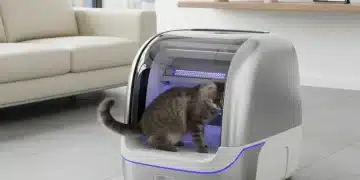
New technologies are leading to more efficient and sustainable pet food production, including cell-based meat alternatives that don’t require traditional animal farming. Biodegradable and compostable materials are being developed for a wider range of pet products, from leashes to litter. Smart feeders can optimize food portions, reducing waste, and advanced filtration systems for aquariums are becoming more energy-efficient.
These innovations promise to make sustainable pet care not only easier but also more effective in the years to come.
- Cell-based pet food: Lab-grown meat reducing environmental strain.
- Advanced biodegradable materials: For toys, packaging, and waste bags.
- Smart pet tech: Optimizing resource use and reducing waste.
- Upcycled ingredients: Transforming food byproducts into nutritious pet food.
The role of research and development
Ongoing research is crucial for identifying new sustainable ingredients, improving manufacturing processes, and understanding the long-term environmental impacts of various pet care practices. Supporting companies that invest in research and development for sustainability helps drive positive change across the industry. As consumers, our choices send a clear message to manufacturers.
By staying engaged and demanding more sustainable options, we can collectively accelerate the pace of innovation in pet care.
| Key Sustainability Action | Brief Description |
|---|---|
| Sustainable Pet Food | Choose insect-based, plant-based, or locally sourced organic pet food to reduce dietary carbon footprint. |
| Eco-Friendly Products | Opt for durable, natural, or recycled material toys, bedding, and biodegradable grooming supplies. |
| Energy Efficiency | Optimize pet living spaces for insulation, use energy-efficient appliances, and air-dry pet laundry. |
| Waste Management | Use biodegradable waste bags and explore composting pet waste where feasible. |
Frequently asked questions about pet carbon pawprint
A pet’s carbon pawprint refers to the total greenhouse gas emissions generated by their existence, including food production, manufacturing of pet products, veterinary care, and waste disposal. It’s a measure of their overall environmental impact.
Plant-based diets can be nutritionally complete for many dogs, but cats are obligate carnivores and require specific nutrients found only in animal products. Always consult your veterinarian before transitioning your pet to any new diet to ensure their health and nutritional needs are fully met.
To reduce plastic waste, choose toys and accessories made from natural, durable, or recycled materials. Opt for products with minimal or recyclable packaging. Consider DIY pet toys from repurposed household items and use reusable grooming tools. Support brands committed to sustainable packaging.
Composting pet waste can be effective for herbivores like rabbits. For carnivore waste (dogs/cats), it requires a specialized, hot composting system to kill pathogens and is not suitable for vegetable gardens. Always check local regulations and ensure proper handling to prevent health risks.
Adopting from local shelters reduces the demand for commercial breeding, which often has a larger environmental footprint due to extensive resource use. Shelters also help manage pet populations, preventing stray animals from impacting ecosystems. It’s a sustainable and compassionate choice for pet acquisition.
Conclusion
Reducing your pet’s carbon pawprint by 15% in 2026 is an ambitious yet achievable goal. By making informed choices about diet, products, energy consumption, and waste management, pet owners can significantly contribute to a more sustainable planet. These insider tips aren’t just about environmental responsibility; they often lead to healthier pets and more mindful living. Every small change you implement, from choosing insect-based food to opting for natural toys, collectively builds towards a greener future for our beloved companions and the world we share.