Climate Change & Pet Allergies: US Outlook 2026

Climate change will intensify and prolong pet allergy seasons across the U.S. by 2026, increasing the prevalence and severity of allergic reactions in animals, necessitating adaptive care strategies from pet owners.
As our planet undergoes significant environmental shifts, the health of our beloved companions is also affected. The impact of climate change on pet allergies: what to expect in the U.S. by 2026 and how to prepare is a critical topic for every pet owner. Understanding these changes now can help us safeguard our pets’ well-being in the years to come.
understanding pet allergies in a changing world
Pet allergies are not just a seasonal nuisance; they are a complex interaction between an animal’s immune system and environmental triggers. As the climate changes, these triggers themselves are evolving, presenting new challenges for pet health.
The rise in global temperatures and altered weather patterns directly influence plant growth cycles, insect populations, and even indoor allergen levels. This means that what was once a predictable allergy season for your pet might become a year-round struggle, or new allergens could emerge that your pet has never encountered before. Understanding these fundamental shifts is the first step in effective management.
the biology of pet allergies
Pet allergies, much like human allergies, occur when an animal’s immune system overreacts to a harmless substance, known as an allergen. This overreaction leads to a cascade of symptoms, ranging from skin irritation and itching to respiratory issues and digestive upset. Common allergens include pollen, dust mites, mold spores, certain foods, and insect bites. Genetic predisposition plays a significant role, but environmental factors are increasingly becoming a major determinant of allergy onset and severity.
- Immune system response: The body identifies a harmless substance as a threat.
- Histamine release: Triggers inflammatory reactions.
- Common symptoms: Itching, sneezing, skin rashes, ear infections, gastrointestinal issues.
- Genetic factors: Some breeds are more prone to allergies.
climate change and allergen production
Climate change acts as a catalyst for increased allergen production. Warmer temperatures extend growing seasons for plants, leading to longer periods of pollen release. Increased atmospheric carbon dioxide levels can also enhance pollen production in certain plants, making pollen more potent. Additionally, altered precipitation patterns can lead to increased humidity, fostering mold growth, or dry conditions that stir up dust mites and other particulate matter.
The interconnectedness of these factors means that a seemingly small change in local climate can have a magnified effect on the allergen landscape. Pet owners in regions experiencing more extreme weather events, such as prolonged droughts followed by heavy rains, might notice a corresponding increase in their pets’ allergy symptoms.
In conclusion, pet allergies are not static conditions but dynamic responses to a shifting environment. Climate change is undeniably altering the very nature of these environmental triggers, making it imperative for pet owners to adapt their understanding and care strategies to protect their animals’ health.
projected allergen increases and extended seasons by 2026
By 2026, scientific models predict a noticeable escalation in both the concentration of allergens and the duration of allergy seasons across various U.S. regions. This isn’t merely an incremental change but a significant shift that will impact millions of pets.
The primary drivers behind these projections are continued global warming, altered rainfall patterns, and elevated CO2 levels. These factors create an ideal environment for allergen-producing plants to thrive and for indoor allergens like mold and dust mites to proliferate.
pollen powerhouse: longer and stronger seasons
One of the most significant changes expected by 2026 is the intensification of pollen seasons. Many common allergy-triggering plants, such as ragweed, grasses, and trees, respond to increased CO2 and warmer temperatures by producing more pollen for longer periods. This means that spring allergies could start earlier and last longer into the summer, while fall allergies might extend well into winter.
- Earlier onset: Spring pollen seasons beginning weeks ahead of historical norms.
- Extended duration: Allergy seasons lasting several additional weeks.
- Increased potency: Higher concentrations of pollen grains in the air.
- Geographic shifts: Allergenic plants expanding into new regions.
mold and dust mites: a year-round threat
While pollen often receives the most attention, indoor allergens like mold and dust mites are also highly susceptible to climate change impacts. Increased humidity from more frequent or intense rainfall, coupled with warmer temperatures, creates perfect breeding grounds for mold indoors and outdoors. Similarly, dust mites thrive in warm, humid environments, meaning that poorly ventilated homes in increasingly humid climates could see a surge in these microscopic allergens.
Preparing for these changes involves not just outdoor precautions but also a focus on indoor air quality and humidity control. Pet owners will need to be more vigilant about cleaning and potentially investing in dehumidifiers or air purifiers to mitigate these indoor threats.
regional variations across the u.s.
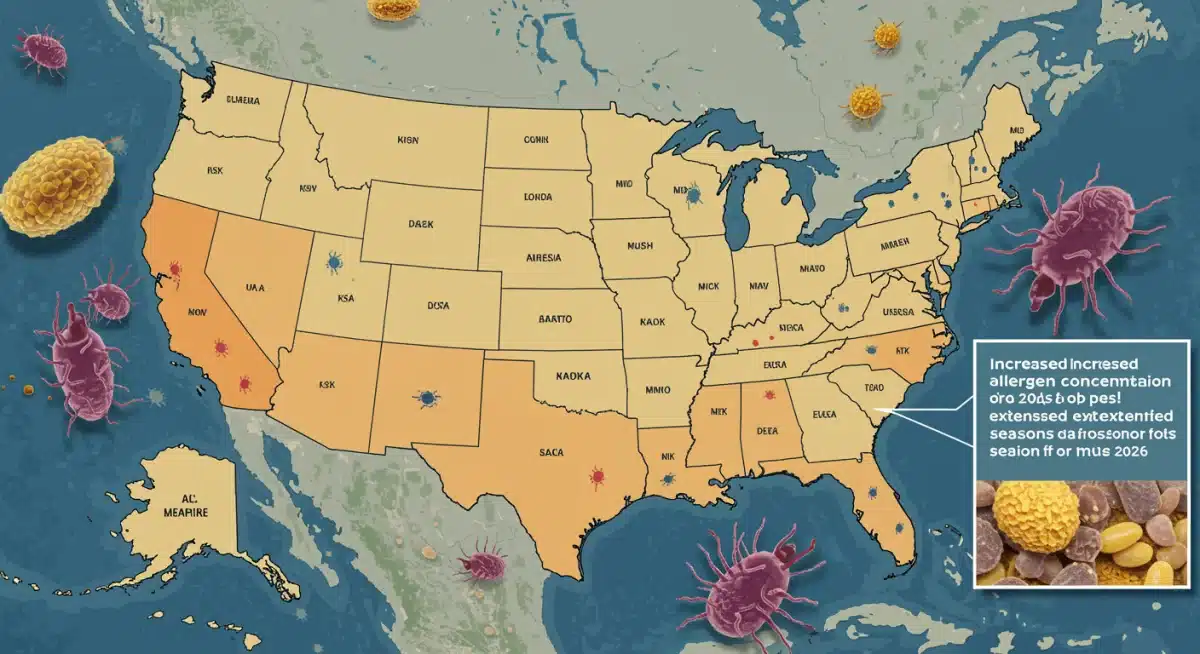
The impact of climate change on allergens will not be uniform across the United States. Different regions will experience unique challenges:
- Northeast: Expect longer tree and ragweed pollen seasons.
- Southeast: Increased humidity fosters mold and dust mites year-round.
- Midwest: Significant increases in ragweed pollen and earlier grass seasons.
- Southwest: Potential for increased desert plant allergens with altered precipitation.
- Pacific Northwest: Earlier and longer tree pollen seasons are anticipated.
These regional variations underscore the need for localized awareness and preparation. Pet owners should consult local weather and allergy forecasts, paying close attention to specific allergen types prevalent in their area. Understanding these shifts is crucial for developing effective preventative and management strategies for pets.
identifying new and emerging pet allergens
Beyond the amplification of existing allergens, climate change is also facilitating the emergence of new allergenic threats and the expansion of others into previously unaffected areas. This presents a diagnostic challenge for veterinarians and a management challenge for pet owners.
As ecosystems shift and plant life adapts to new climate conditions, so too do the types and distribution of airborne particles that can trigger allergic reactions in pets. This means vigilance and flexibility in pet care will be more important than ever.
plant migration and novel exposures
Warmer temperatures and altered precipitation patterns allow certain plant species to migrate into new geographical zones where they previously couldn’t survive. This can introduce novel pollens that pets in those regions have never been exposed to, potentially triggering new allergic sensitivities. For example, species like certain types of invasive grasses or weeds might expand their range, bringing their allergenic pollen with them.
Pet owners might find their pets reacting to plants that were not common in their area just a few years prior. This highlights the importance of observing changes in local flora and discussing any unusual allergy symptoms with a veterinarian.
insect-borne allergens and parasites
Climate change also affects insect populations. Warmer winters allow more insects, such as fleas and ticks, to survive and reproduce, extending their active seasons. Bites from these parasites can themselves trigger allergic reactions in sensitive pets, known as flea allergy dermatitis or tick bite hypersensitivity. Moreover, the geographic range of certain disease-carrying insects, like mosquitoes, is expanding, bringing with them not only parasitic threats but also potential allergens.
Increased insect activity means pet owners must be more diligent about year-round parasite prevention. This proactive approach can significantly reduce the incidence of insect-related allergic reactions and protect pets from various diseases.
soil and water contaminants
Changes in weather patterns, such as more intense rainfall and flooding, can lead to increased runoff and the spread of environmental contaminants in soil and water. While not traditional airborne allergens, exposure to certain chemicals, pesticides, or even naturally occurring fungi and bacteria in contaminated soil or water can exacerbate existing allergies or trigger new sensitivities in pets, particularly those who love to dig or swim.
Being aware of local environmental conditions and limiting exposure to potentially contaminated areas, especially after heavy weather events, can help mitigate these less obvious allergic threats.
In summary, the landscape of pet allergens is not static. Climate change is introducing new variables, from migrating plants to expanding insect populations and environmental contaminants. Staying informed and working closely with veterinary professionals will be crucial in identifying and managing these emerging allergic challenges for our pets.
recognizing symptoms and early intervention strategies
Identifying pet allergy symptoms early is crucial for effective management and preventing the escalation of discomfort for your animal. As allergen profiles change due to climate change, early recognition will become even more vital.
While some symptoms are obvious, others can be subtle or mimic other conditions. A proactive approach to observing your pet’s behavior and physical health can make a significant difference in their quality of life.
common signs of allergic reactions in pets
Pet allergies manifest in a variety of ways, primarily affecting the skin, respiratory system, and digestive tract. Understanding the common signs can help pet owners differentiate between a minor irritation and a developing allergic reaction.
- Skin issues: Persistent scratching, licking, chewing at paws, redness, rashes, hot spots, hair loss, ear infections (often recurring).
- Respiratory symptoms: Sneezing, watery eyes, nasal discharge, coughing, wheezing (less common in dogs, more so in cats).
- Gastrointestinal upset: Vomiting, diarrhea, excessive gas (more typical for food allergies but can occur with environmental triggers).
- Behavioral changes: Restlessness, irritability, avoidance of certain areas due to discomfort.
the importance of veterinary consultation
Upon noticing any of these symptoms, especially if they are persistent or worsening, consulting a veterinarian is paramount. Self-diagnosis and treatment can be ineffective or even harmful. A vet can accurately diagnose the allergy type, rule out other conditions (like parasitic infestations or infections), and recommend an appropriate course of action.
Veterinarians can conduct allergy tests, such as intradermal skin testing or blood tests, to identify specific allergens. This precise identification is key to developing a targeted management plan that minimizes exposure and provides effective relief.
early intervention and preventative measures
Early intervention focuses on minimizing allergen exposure and alleviating symptoms before they become severe. This can include a combination of environmental controls, dietary adjustments, and medical treatments.
For environmental allergies, reducing exposure to pollen by wiping paws after outdoor excursions, regular bathing, and using air purifiers can be beneficial. For food allergies, a hypoallergenic diet trial under veterinary supervision is often recommended. Medically, antihistamines, corticosteroids, or immunotherapy (allergy shots) may be prescribed to manage symptoms. The goal is to catch symptoms early and implement strategies that improve the pet’s comfort and long-term health, adapting to the changing allergen landscape.
Recognizing the diverse signs of pet allergies and seeking timely veterinary advice are fundamental steps in navigating the evolving challenges posed by climate change. Proactive and informed intervention ensures pets receive the care they need to thrive despite environmental shifts.
proactive pet care strategies for 2026
Preparing for the intensified pet allergy landscape of 2026 requires a proactive and multi-faceted approach. Pet owners must adapt their routines and environments to minimize exposure to allergens and support their pet’s immune health.
These strategies encompass environmental controls, dietary considerations, and a close partnership with veterinary professionals to ensure comprehensive care.
environmental controls and home management
Managing the home environment is a cornerstone of allergy prevention. As outdoor allergen seasons lengthen and indoor allergens like mold and dust mites proliferate, creating an allergen-reduced living space becomes critical.
- Air purification: Use HEPA air filters in your home and on your HVAC system to capture airborne pollen, dust, and mold spores.
- Regular cleaning: Vacuum frequently with a HEPA-filtered vacuum cleaner. Wash pet bedding, curtains, and rugs regularly in hot water.
- Humidity control: Maintain indoor humidity levels between 30-50% using dehumidifiers, especially in damp areas, to inhibit mold and dust mite growth.
- Post-outdoor routine: Wipe down your pet’s paws and coat with a damp cloth or pet-safe wipes after outdoor excursions to remove pollen.
- Limit outdoor exposure: During peak pollen counts, keep windows closed and limit outdoor playtime, especially in the early morning or late afternoon.
dietary considerations and immune support
A balanced and appropriate diet plays a vital role in supporting a pet’s overall health, including their immune system and skin barrier function. Nutritional deficiencies or sensitivities can exacerbate allergic reactions.
Consider discussing with your vet whether a diet rich in omega-3 fatty acids could benefit your pet’s skin and coat health, potentially reducing inflammation. Probiotics might also be recommended to support gut health, which is closely linked to immune function. For pets with suspected food allergies, a veterinary-prescribed elimination diet is essential to identify and remove trigger ingredients.
regular veterinary check-ups and personalized plans
Establishing a strong relationship with your veterinarian is more important than ever. Regular check-ups allow for early detection of allergy symptoms and provide an opportunity to refine your pet’s care plan as environmental conditions change.
Your vet can help you create a personalized allergy management plan that may include antihistamines, medicated shampoos, topical treatments, or even immunotherapy. They can also advise on specific regional allergen forecasts and how to best prepare for them. This tailored approach, factoring in your pet’s specific needs and local environmental conditions, is the most effective way to combat the rising tide of pet allergies.
By implementing these proactive strategies, pet owners can significantly mitigate the challenges posed by climate change-driven allergen increases, ensuring their pets remain as comfortable and healthy as possible in the coming years.
advancements in pet allergy treatments and management
The field of veterinary medicine is continually evolving, and significant advancements are being made in the diagnosis and treatment of pet allergies. As climate change intensifies the problem, these innovations offer new hope for managing chronic allergic conditions in our pets.
From more precise diagnostic tools to targeted therapies, pet owners will have an expanding array of options to improve their furry friends’ quality of life.
precision diagnostics and allergen identification
Newer diagnostic methods are becoming more accurate in identifying specific allergens affecting pets. While traditional blood tests and intradermal skin tests remain valuable, research is exploring even more refined techniques. These advancements allow veterinarians to create highly individualized treatment plans, focusing on the exact substances triggering a pet’s allergic response. This precision reduces the guesswork and can lead to more effective and faster relief for pets.
Understanding the specific allergens is crucial, especially as the allergen landscape shifts. Knowing if your pet is reacting to a newly emerging pollen or a specific mold type allows for more targeted environmental control and medical interventions.
innovative therapeutic options
Beyond traditional antihistamines and corticosteroids, several innovative treatments are now available or in development:
- Immunotherapy (allergy shots/drops): This remains a cornerstone of long-term allergy management, working to desensitize the immune system to specific allergens. Custom vaccines are formulated based on a pet’s individual allergy test results.
- Cytokine inhibitors: Medications that target specific pathways involved in the allergic inflammatory response, such as Janus kinase (JAK) inhibitors, offer rapid relief from itching and inflammation with fewer side effects than older medications.
- Monoclonal antibody therapy: These injectable treatments specifically target and neutralize key components of the allergic cascade, providing extended relief from itching and skin lesions with high safety profiles.
- Advanced topical treatments: Medicated shampoos, mousses, and spot-on treatments are being developed with novel ingredients to soothe irritated skin and strengthen the skin barrier against allergens.
integrative approaches and future outlook
Many veterinarians are adopting integrative approaches, combining conventional medical treatments with complementary therapies. This might include nutritional supplements, acupuncture, or herbal remedies, all aimed at supporting overall immune health and reducing allergic symptoms. The future of pet allergy management looks promising, with ongoing research into genetic therapies and more advanced immunomodulators.
As we head towards 2026, the collaboration between pet owners and veterinarians, armed with these new tools and knowledge, will be essential. This partnership will ensure that pets suffering from allergies receive the most advanced, compassionate, and effective care available, allowing them to lead comfortable lives despite environmental changes.
the role of pet owners in advocacy and adaptation
As climate change continues to influence pet health, especially regarding allergies, pet owners have a crucial role to play beyond just caring for their own animals. Their collective voice and adaptive actions can drive broader awareness and change.
This involves advocating for environmental policies and sharing knowledge within the pet community, fostering a more resilient future for all pets.
advocating for environmental awareness
Pet owners are uniquely positioned to highlight the direct impact of climate change on animal well-being. By sharing their experiences and observations with local and national policymakers, they can contribute to a growing body of evidence supporting climate action. This advocacy can take many forms:
- Community engagement: Participate in local environmental groups and discussions.
- Policy support: Support legislation aimed at reducing carbon emissions and promoting sustainable practices.
- Educating others: Share information about how climate change affects pet health with friends, family, and social networks.
Highlighting the tangible effects on beloved pets can often resonate more deeply with the public than abstract scientific data, making pet owners powerful advocates for environmental responsibility.
adapting care practices and sharing knowledge
Beyond advocacy, practical adaptation in pet care is essential. This includes staying informed about local environmental changes and adjusting pet routines accordingly. For instance, being aware of regional pollen forecasts and adjusting walk times, or proactively managing indoor air quality, are direct adaptive measures.
Sharing successful strategies and challenges with other pet owners can create a supportive community. Online forums, local pet groups, and veterinary clinics can serve as platforms for exchanging tips on managing allergies in a changing climate. This collective knowledge can help others navigate similar issues and prevent potential health problems for their pets.
supporting research and veterinary initiatives
Pet owners can also contribute by supporting research into pet allergies and the effects of climate change. This might involve participating in pet health studies, donating to veterinary research foundations, or simply ensuring their pet receives regular veterinary care, contributing to broader data collection.
By actively engaging with their veterinarians and following recommended protocols, pet owners help build a clearer picture of the evolving challenges. This collaborative effort between owners, vets, and researchers is vital for developing more effective long-term solutions for pet allergies in a climate-altered world.
Ultimately, the collective efforts of pet owners, both in advocating for environmental health and adapting their care practices, will be instrumental in safeguarding the well-being of their pets and future generations of animals against the escalating challenges of climate change.
future outlook: preparing for the long term
Looking beyond 2026, the long-term implications of climate change on pet allergies necessitate a sustained commitment to adaptation and innovation. The challenges will continue to evolve, requiring ongoing vigilance and flexibility from pet owners and veterinary professionals alike.
This future outlook emphasizes resilience, continuous learning, and a proactive stance against environmental shifts that impact animal health.
continuous monitoring and research
The dynamic nature of climate change means that allergen patterns will not stabilize. Continuous monitoring of environmental factors, allergen concentrations, and pet health trends will be crucial. Research into climate-resilient plant species, advanced air filtration technologies, and novel allergy treatments will remain a high priority.
Veterinary organizations and research institutions will need to collaborate to track regional changes and adapt diagnostic and therapeutic protocols. This ongoing scientific effort forms the backbone of long-term preparedness, ensuring that new threats are identified and addressed promptly.
resilient pet care ecosystems
Building resilient pet care ecosystems involves a multi-pronged approach. This includes educating future veterinarians on climate-related health challenges, developing accessible resources for pet owners, and fostering community networks that can share best practices. The goal is to create a system where information flows freely, and effective solutions are readily available.
Consideration should also be given to urban planning that integrates pet-friendly green spaces with allergen-conscious landscaping. This can help reduce exposure in densely populated areas while still providing essential outdoor environments for pets.
adapting urban and suburban environments
As climate change progresses, urban and suburban environments will need to adapt to mitigate allergen exposure. This could involve selecting low-allergen plant species for public parks and private gardens, improving air quality monitoring systems, and implementing public health campaigns to educate residents about seasonal allergen risks for both humans and pets.
The collective effort of communities and individuals will be vital in reshaping our living spaces to be more accommodating for allergy-prone pets. This includes advocating for policies that support green infrastructure and sustainable development, which indirectly contribute to a healthier environment for all.
In conclusion, while 2026 presents immediate challenges for pet allergies due to climate change, the long-term perspective calls for sustained effort. By embracing continuous research, fostering resilient care ecosystems, and adapting our environments, we can strive to create a future where our pets can thrive, even in the face of an ever-changing climate.
| Key Point | Brief Description |
|---|---|
| Extended Allergy Seasons | Warmer temperatures and CO2 increase prolong pollen and mold seasons, intensifying pet allergies. |
| Emerging Allergens | Plant migration and increased insect activity introduce new allergens to previously unaffected regions. |
| Proactive Care | Implement environmental controls, dietary support, and regular vet visits to manage symptoms. |
| Advanced Treatments | New diagnostics and therapies like cytokine inhibitors offer more targeted and effective relief. |
frequently asked questions about pet allergies and climate change
By 2026, warmer temperatures and increased CO2 levels are expected to cause spring pollen seasons to start earlier and last longer. This means your pet could experience allergy symptoms for an extended period, requiring earlier and more sustained management strategies throughout the spring months.
Yes, climate change can lead to plant species migrating to new areas, introducing novel pollens your pet hasn’t encountered before. Additionally, altered weather patterns can favor the growth of new mold types or increase the prevalence of certain insect-borne allergens in your specific region.
Effective home adjustments include using HEPA air filters, maintaining indoor humidity between 30-50% with dehumidifiers, and frequent cleaning with a HEPA-filtered vacuum. Wiping your pet’s paws and coat after outdoor activities also significantly reduces allergen tracking indoors, mitigating exposure.
While not a direct cure, certain diets rich in omega-3 fatty acids can support skin health and reduce inflammation, benefiting allergic pets. Probiotics may also aid gut health, which impacts immunity. Always consult your veterinarian before making significant dietary changes or introducing supplements to ensure they are appropriate for your pet’s specific needs.
Your veterinarian can provide personalized advice based on your pet’s specific allergies and local environmental forecasts. They can recommend updated diagnostic tests, discuss advanced treatment options like immunotherapy, and help you develop a comprehensive, adaptive management plan tailored to the evolving allergen landscape.
conclusion
The growing impact of climate change on pet allergies in the U.S. by 2026 is undeniable, necessitating a proactive and informed approach from pet owners. As allergy seasons lengthen and new environmental triggers emerge, understanding these shifts and implementing adaptive care strategies will be paramount. By staying vigilant, collaborating with veterinary professionals, and advocating for broader environmental awareness, we can help our beloved companions navigate these evolving challenges, ensuring their comfort and well-being for years to come.