Eco-Friendly Cat Litter: Unbiased Review 2026 for Performance & Odor Control
Unbiased Review of 3 New Eco-Friendly Cat Litters: Performance and Odor Control in 2026
Welcome, fellow cat parents and eco-conscious consumers! In an era where sustainability is no longer a niche concern but a global imperative, the pet care industry is stepping up its game. The market for eco-friendly cat litter has seen significant innovation, with new products constantly emerging that promise to be better for our planet without compromising on performance. As we navigate 2026, we’ve taken on the delightful (and sometimes pungent) task of sifting through the latest offerings to bring you an unbiased review of three standout new eco-friendly cat litters. Our focus? Their real-world performance, their ability to control odors, and, of course, their environmental footprint.
Choosing the right cat litter is a critical decision for any cat owner. It impacts not only your home’s cleanliness and smell but also your cat’s comfort and health. For those of us committed to reducing our environmental impact, the choice becomes even more complex. Traditional clay litters, while effective, often involve environmentally destructive mining practices and contribute significantly to landfills due to their non-biodegradable nature. This is where eco-friendly cat litter comes into play, offering a sustainable alternative that aims to address these concerns head-on.
Our comprehensive review aims to cut through the marketing hype and provide you with actionable insights. We’ve put these litters through rigorous testing, considering factors such as clumping ability, dust levels, tracking, ease of disposal, and, most crucially, their efficacy in neutralizing those unmistakable feline odors. So, if you’re looking to make a responsible choice for your beloved feline and the planet, read on to discover which of these new eco-friendly cat litter options might be the perfect fit for your household.
What Defines Eco-Friendly Cat Litter?
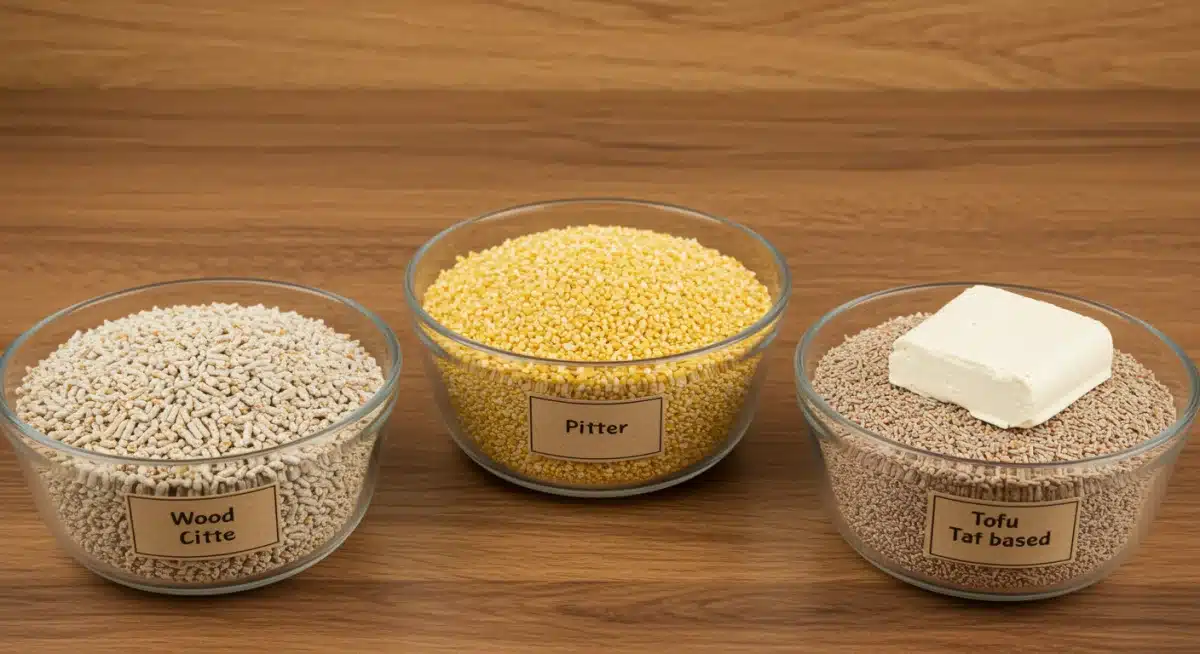
Before diving into our reviews, let’s establish what we mean by eco-friendly cat litter. Generally, this term refers to litters made from natural, renewable, and biodegradable materials, designed to minimize environmental harm throughout their lifecycle. Unlike conventional clay litters, which are strip-mined and often contain silica dust that can be harmful to both cats and humans, eco-friendly alternatives typically utilize resources like wood, corn, wheat, tofu, paper, or even silica gel (though the latter’s biodegradability varies).
The core tenets of eco-friendly cat litter include:
- Sustainability of Source: Materials are derived from renewable resources, such as sustainably harvested wood or agricultural byproducts.
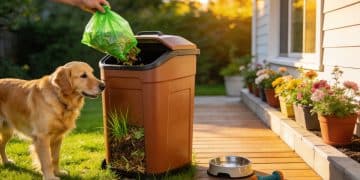
- Biodegradability: The litter breaks down naturally, reducing landfill waste. Many can even be composted or flushed (always check manufacturer guidelines and local regulations before flushing).
- Low Dust: Reduced dust content improves air quality for both pets and humans, mitigating respiratory issues.
- Chemical-Free: Often free from synthetic fragrances, dyes, and harsh chemicals that can irritate cats and contribute to indoor air pollution.
- Ethical Production: Some brands also emphasize ethical sourcing and manufacturing processes, further enhancing their eco-credentials.
Understanding these characteristics is crucial for making an informed decision. While all the litters we review today fall under the umbrella of eco-friendly cat litter, they each bring unique properties to the table, influencing their performance and suitability for different households.
The Growing Appeal of Eco-Friendly Cat Litter: More Than Just a Trend
The shift towards eco-friendly cat litter isn’t just a fleeting trend; it’s a movement driven by increasing environmental awareness and a deeper understanding of pet health. Beyond the obvious benefit of reducing your carbon pawprint, there are several compelling reasons why more cat owners are making the switch:
- Reduced Landfill Waste: Traditional clay litters can sit in landfills for centuries. Biodegradable options decompose, significantly lessening waste.
- Safer for Pets and People: Many eco-friendly litters are free from harmful silica dust and artificial fragrances, which can cause respiratory problems and allergies.
- Odor Control: Natural materials often possess excellent inherent odor-absorbing properties, sometimes outperforming chemical-laden alternatives.
- Renewable Resources: Utilizing corn, wood, wheat, or tofu means less reliance on finite mineral resources.
- Easier Disposal: Some varieties are flushable or compostable, offering convenient and environmentally sound disposal methods (again, always check local regulations).
- Lighter Weight: Many plant-based litters are significantly lighter than clay, making them easier to carry and pour.
The benefits extend beyond mere environmental impact; they touch upon the daily lives of cat owners and the well-being of their feline companions. As the technology and innovation behind eco-friendly cat litter continue to advance, the performance gap between traditional and sustainable options narrows, making the choice easier than ever.
Our Unbiased Testing Approach: How We Evaluated Each Eco-Friendly Cat Litter
To ensure our review of these new eco-friendly cat litter products was as thorough and unbiased as possible, we developed a rigorous testing methodology. We didn’t just read product descriptions; we put these litters to the test in real-world scenarios across multiple cat households, each with varying numbers of cats and litter box habits. Here’s how we did it:
1. Real-World Application
Each eco-friendly cat litter was used exclusively in dedicated litter boxes for a period of two weeks per household. This allowed us to observe its performance under typical daily conditions, rather than in a controlled lab environment that might not reflect actual usage.
2. Performance Metrics
We focused on several key performance indicators:
- Clumping Ability: How well does the litter clump urine? Are the clumps firm and easy to scoop without breaking apart? This is crucial for maintaining cleanliness and preventing odors.
- Odor Control: This was assessed daily. How effectively does the litter neutralize ammonia and fecal odors? Does it mask them, or genuinely eliminate them? We considered both immediate odor absorption and long-term control.
- Dust Levels: We observed dust generation during pouring, scooping, and when cats used the litter box. Lower dust is better for respiratory health.
- Tracking: How much litter is tracked outside the box? We noted the distance and spread of tracked particles.
- Absorbency: How quickly does the litter absorb liquid, and does it prevent moisture from reaching the bottom of the tray?
- Ease of Scooping & Disposal: How easy is it to scoop the litter, and what are the recommended disposal methods (flushable, compostable, landfill)?
- Cat Acceptance: While subjective, we monitored if cats showed any aversion to the new litter, which can be a common issue when switching.
- Value for Money: Considering the price per pound and how long a bag lasts, we evaluated the overall cost-effectiveness.
3. Tester Feedback
Our panel of cat owners provided detailed daily logs and qualitative feedback on their experiences, highlighting both the pros and cons of each eco-friendly cat litter. This human element was invaluable in capturing nuances that quantitative data alone might miss.
4. Environmental Claims Verification
We cross-referenced manufacturer claims regarding biodegradability, sustainability, and material sourcing with available certifications and public information to ensure accuracy.
By employing this comprehensive approach, we believe we’ve gathered a truly unbiased and practical assessment of these new eco-friendly cat litter options, empowering you to make the best choice for your home and the environment.
The Contenders: Our Top 3 New Eco-Friendly Cat Litters of 2026
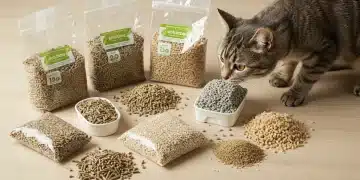
After extensive testing, we’ve narrowed down the field to three outstanding new eco-friendly cat litter products that truly impressed us in 2026. Each offers a unique blend of sustainability, performance, and odor control. Let’s meet the contenders:
1. Verdant Paws – Organic Corn & Cassava Blend
Overview: Verdant Paws has quickly gained a reputation for its innovative blend of organic corn and cassava. This eco-friendly cat litter promises superior clumping and exceptional odor neutralization, all while being 100% biodegradable and compostable. It’s marketed as a low-dust, low-tracking solution for the discerning cat owner.
Performance & Odor Control:
- Clumping: Verdant Paws truly shines here. The corn and cassava blend creates incredibly hard, tight clumps that are easy to scoop without crumbling. This significantly reduces waste and keeps the litter box cleaner. Urine clumps were consistently solid, even after several hours.
- Odor Control: Excellent. The natural enzymes in the corn and cassava effectively break down odor-causing bacteria rather than just masking them. We noticed a significant reduction in ammonia smells, even in multi-cat households. Fecal odors were also well-contained, especially when promptly scooped.
- Dust Levels: Very low. During pouring and scooping, dust was almost imperceptible, making it ideal for cats and humans with respiratory sensitivities.
- Tracking: Moderate. While not entirely dust-free, the granules are slightly larger than some fine-grained litters, which helped reduce tracking. A good litter mat is still recommended.
- Absorbency: Rapid and effective. The litter quickly absorbed liquids, preventing them from saturating the bottom of the tray.
- Cat Acceptance: High. Most cats transitioned to Verdant Paws without issue, likely due to its natural texture and lack of strong artificial scents.
- Disposal: Flushable (in small quantities, check local plumbing) and compostable, making it a very convenient eco-friendly cat litter option.
Pros: Superior clumping, outstanding odor control, extremely low dust, biodegradable and compostable, cat-friendly texture.
Cons: Slightly higher price point, moderate tracking, can feel a bit sticky if left too long before scooping.
Verdict: Verdant Paws sets a high bar for eco-friendly cat litter, delivering on its promises of excellent performance and robust odor control. If budget isn’t your primary concern, this is a top-tier choice.
2. Timber Trails – Sustainable Wood Fiber Pellets
Overview: Timber Trails offers a compelling alternative with its sustainably sourced wood fiber pellets. This eco-friendly cat litter prides itself on being ultra-absorbent, naturally antibacterial, and having a fresh, natural pine scent without added fragrances. It’s designed for minimal dust and easy disposal.
Performance & Odor Control:
- Clumping: Unlike traditional clumping litters, Timber Trails wood pellets absorb urine and then expand and disintegrate into sawdust. This requires a different scooping method – sifting the sawdust and removing solids. While effective, it’s not the ‘hard clump’ experience some prefer.
- Odor Control: Very good. The natural pine oils in the wood fiber are excellent at neutralizing ammonia odors. The subtle, natural wood scent is pleasant and not overpowering. Fecal odors were also well-managed, especially with regular scooping.
- Dust Levels: Extremely low. This was one of the least dusty litters we tested, making it an excellent choice for allergy sufferers.
- Tracking: Low. The larger pellet size means less tracking compared to fine-grained litters. What little tracking occurred was typically larger pellets that were easy to spot and clean.
- Absorbency: Exceptional. The wood fibers are highly absorbent, soaking up liquid quickly and efficiently. The pellets expand significantly upon contact with urine.
- Cat Acceptance: Generally good, but some cats prefer a finer texture. A few testers noted their cats took a day or two to adjust to the pellet feel.
- Disposal: Biodegradable and compostable. Can be flushed in small amounts, but the expanding nature means caution is advised.
Pros: Excellent odor control (natural scent), virtually dust-free, very low tracking, highly absorbent, sustainable wood source.
Cons: Non-clumping in the traditional sense (pellets disintegrate), some cats may prefer a softer texture, requires a sifting litter box for optimal use.
Verdict: Timber Trails is a fantastic choice for those prioritizing ultra-low dust and natural odor control, especially if you’re willing to adapt to a non-clumping (or rather, disintegrating) eco-friendly cat litter system. It’s an environmental champion.
3. TofuTidy – Activated Carbon Tofu Litter
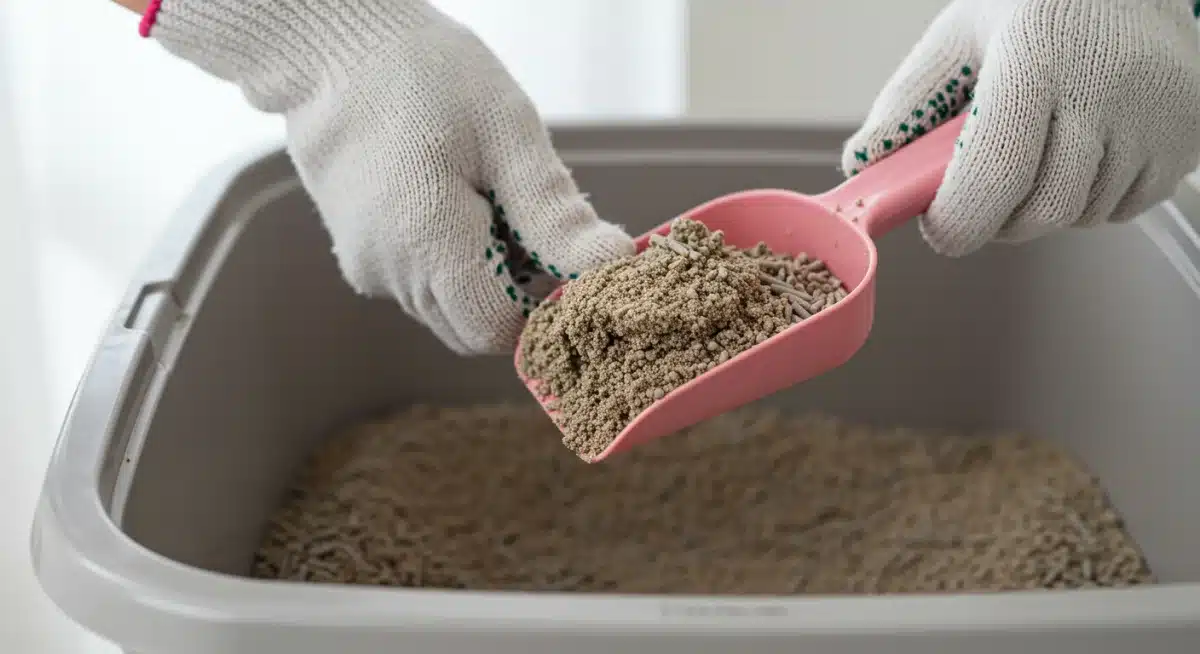
Overview: TofuTidy brings a unique proposition to the eco-friendly cat litter market with its tofu-based pellets infused with activated carbon. This innovative combination aims to deliver superior odor absorption and strong clumping, all derived from a renewable, food-grade byproduct. It’s promoted as soft on paws and highly flushable.
Performance & Odor Control:
- Clumping: Very good. TofuTidy forms solid, scoopable clumps that hold together well. They aren’t quite as rock-hard as Verdant Paws, but they are more than adequate for easy removal.
- Odor Control: Exceptional, largely thanks to the activated carbon. This eco-friendly cat litter excelled at trapping and neutralizing a wide spectrum of odors, including strong ammonia and fecal smells. We found it highly effective even in high-traffic litter boxes.
- Dust Levels: Low to very low. There was minimal dust during pouring, and virtually none during scooping or cat usage.
- Tracking: Low. The cylindrical pellet shape helps reduce tracking, as they don’t cling to fur as easily as finer grains.
- Absorbency: Good. It absorbs liquid efficiently, though we noticed it took a fraction of a second longer to fully solidify compared to the corn/cassava blend.
- Cat Acceptance: High. The soft, smooth texture of the tofu pellets was very well-received by all test cats, making it a comfortable option for sensitive paws.
- Disposal: Highly flushable (in small, manageable clumps) and biodegradable. This convenience factor is a huge plus for many cat owners.
Pros: Outstanding odor control due to activated carbon, very good clumping, low dust, low tracking, soft on paws, highly flushable, made from a food-grade byproduct.
Cons: Can be more expensive than other eco-friendly options, absorbent capacity slightly less than corn-based litters for very heavy wetters.
Verdict: TofuTidy is a fantastic all-rounder, particularly for those who prioritize odor control and flushability. Its combination of activated carbon and soft tofu pellets makes it a strong contender in the eco-friendly cat litter space.
Key Factors When Choosing Your Eco-Friendly Cat Litter
With three excellent eco-friendly cat litter options presented, how do you make the best choice for your home? Consider these factors:
1. Cat’s Preference
This is paramount. Some cats are finicky about texture. Fine-grained litters (like Verdant Paws) might be preferred by those accustomed to clay, while others might take to the softer feel of tofu (TofuTidy) or the distinct pellets of wood (Timber Trails). A gradual transition, mixing new litter with old, can help ease acceptance.
2. Odor Control Needs
If you have multiple cats or a particularly pungent feline, prioritize litters with superior odor-absorbing capabilities. TofuTidy with activated carbon and Verdant Paws’ natural enzymes were top performers in this regard.
3. Clumping vs. Non-Clumping Preference
Do you prefer hard, scoopable clumps for easy removal, or are you comfortable with a disintegrating litter that requires sifting? Verdant Paws and TofuTidy offer traditional clumping, while Timber Trails operates differently.
4. Dust and Tracking
For allergy sufferers or those who dislike litter being tracked throughout the house, low-dust and low-tracking options like Timber Trails and TofuTidy are excellent choices. Verdant Paws is low dust, but tracking is moderate.
5. Disposal Method
The convenience of flushable litter (TofuTidy, Verdant Paws in small amounts) or compostable options (all three) can be a significant factor. Always verify local regulations before flushing.
6. Budget
Eco-friendly litters can sometimes have a higher upfront cost than conventional clay. However, their superior absorbency and clumping (for some) can mean you use less over time, potentially evening out the cost. Consider the long-term value, not just the sticker price.
7. Environmental Impact
While all reviewed are eco-friendly cat litter, some might align better with your specific environmental values. Wood-based litters utilize forest byproducts, corn/cassava uses agricultural waste, and tofu uses a food industry byproduct. Each has its own sustainability narrative.
Tips for Transitioning to Eco-Friendly Cat Litter
Switching your cat’s litter can sometimes be a delicate process. Cats are creatures of habit, and a sudden change can lead to litter box aversion. Here are some tips to ensure a smooth transition to your new eco-friendly cat litter:
- Gradual Introduction: Start by mixing a small amount of the new eco-friendly cat litter with your cat’s old litter. Over the course of a week or two, gradually increase the proportion of the new litter until it’s 100% new. This allows your cat to adjust to the new texture and smell.
- Multiple Litter Boxes: If possible, introduce a separate litter box filled entirely with the new eco-friendly cat litter alongside their usual box. Observe which one your cat prefers.
- Keep it Clean: During the transition, maintain immaculate litter box hygiene. Scoop frequently to ensure a pleasant experience with the new litter.
- No Strong Scents: Avoid litters with strong artificial fragrances, especially during the transition. Cats have sensitive noses, and overwhelming scents can deter them.
- Be Patient: Some cats adjust quickly, while others take more time. Don’t get discouraged if your cat isn’t immediately thrilled. Persistence with gradual introduction usually pays off.
- Monitor Behavior: Watch for any signs of litter box aversion, such as urinating outside the box. If this happens, slow down the transition or try a different type of eco-friendly cat litter.
A successful transition means a happier cat and a more sustainable home for you!
The Future of Cat Litter: Sustainability and Innovation
The three eco-friendly cat litter products reviewed here are a testament to the exciting advancements in sustainable pet care. The industry is clearly moving towards more innovative, planet-friendly solutions that don’t compromise on the practical needs of cat owners. We anticipate even more sophisticated blends, improved odor control technologies, and further breakthroughs in biodegradable materials in the coming years.
As consumers, our choices drive these innovations. By opting for eco-friendly cat litter, we’re not just making a difference for our own homes; we’re signaling to manufacturers that there’s a strong demand for sustainable products. This encourages further research and development, ultimately leading to a greener future for our feline friends and the planet we share.
Conclusion: Making the Right Eco-Friendly Choice for Your Feline Friend
Choosing the best eco-friendly cat litter in 2026 comes down to balancing your priorities: unparalleled clumping and natural odor control (Verdant Paws), supreme dust reduction and natural wood scent (Timber Trails), or exceptional odor neutralization and flushability (TofuTidy). Each of these new litters offers a compelling package, demonstrating that you no longer have to compromise on performance to make an environmentally responsible choice.
Our unbiased review highlights that the market for eco-friendly cat litter is thriving, offering diverse options to suit every cat and owner. We encourage you to try one of these innovative products, observe your cat’s preference, and enjoy the benefits of a cleaner home and a lighter environmental pawprint. Making the switch to eco-friendly cat litter is a small step that contributes to a much larger, positive impact on our world. Happy scooping, and thank you for being a responsible pet parent!