Canine Influenza Strains 2026: Prevention & Pet Owner Guide
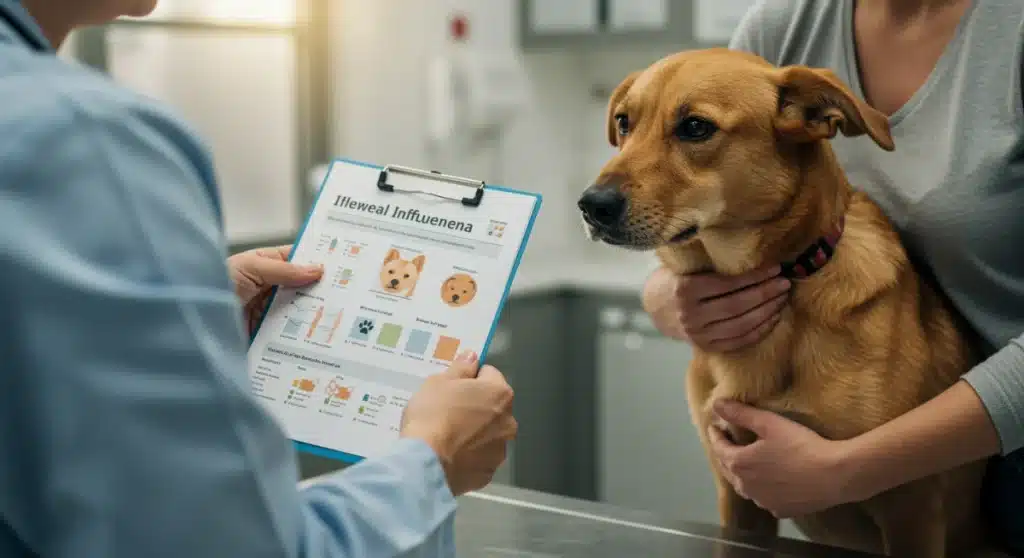
In the evolving landscape of pet health, staying informed about potential threats is paramount for every responsible dog owner. One such threat that consistently requires attention is Canine Influenza, commonly known as dog flu. As we step into 2026, understanding the latest Canine Influenza Strains and how to effectively prevent their spread becomes more crucial than ever, especially for pet owners in the U.S. This comprehensive guide aims to arm you with the knowledge needed to protect your beloved canine companions from this highly contagious respiratory disease.
Understanding Canine Influenza: A Persistent Threat
Canine Influenza is a respiratory infection caused by specific influenza A viruses adapted for dogs. Unlike human flu, which has seasonal patterns, canine influenza can occur year-round. It’s a highly contagious illness, capable of rapidly spreading among dog populations, particularly in environments where dogs congregate, such as boarding kennels, dog parks, grooming facilities, and shelters. The primary concern for pet owners revolves around recognizing the symptoms, understanding transmission, and implementing effective prevention strategies against the latest Canine Influenza Strains.
The Evolution of Canine Influenza Strains
Historically, two main strains of canine influenza virus (CIV) have been identified in the U.S.: H3N8 and H3N2. The H3N8 strain originated from an equine influenza virus and was first identified in dogs in 2004. The H3N2 strain, on the other hand, emerged from an avian influenza virus and was first detected in U.S. dogs in 2015. Both strains can cause similar respiratory symptoms, ranging from mild to severe, and both are highly transmissible. The challenge with viral diseases, including CIV, is their capacity for mutation and evolution. This means new variants or even entirely new Canine Influenza Strains can emerge, potentially posing different risks or requiring updated prevention measures.
As we navigate 2026, veterinary scientists and public health organizations continue to monitor for novel or re-emerging Canine Influenza Strains. While H3N8 and H3N2 remain the most prevalent concerns, ongoing surveillance is vital. Pet owners should always consult with their veterinarians for the most current information regarding local outbreaks and any new strains that might be circulating. This proactive approach ensures that your dog receives the most appropriate and timely protection.
How Canine Influenza Spreads
Canine influenza viruses are primarily spread through respiratory secretions (coughing, barking, sneezing) from infected dogs. These droplets can travel short distances and contaminate surfaces, bowls, toys, and even human hands or clothing. Dogs that are infected, even those not showing symptoms, can shed the virus and transmit it to other dogs. This asymptomatic shedding is a major factor in the rapid spread of the disease, making awareness and preventive measures for Canine Influenza Strains even more critical.
Direct contact with an infected dog is a common transmission route. However, indirect contact, such as touching contaminated objects or surfaces, also plays a significant role. The virus can survive on surfaces for up to 48 hours, on clothing for 24 hours, and on hands for 12 hours. This highlights the importance of hygiene and sanitation protocols in preventing the spread of Canine Influenza Strains.
Recognizing the Symptoms: What to Look For
The symptoms of canine influenza can vary in severity, with some dogs experiencing mild signs while others develop more serious illness. It’s important to note that many of these symptoms can also be indicative of other respiratory illnesses, so a veterinary diagnosis is essential. Prompt recognition of symptoms and immediate veterinary care are crucial for effective treatment and preventing further spread of Canine Influenza Strains.
Common Symptoms of Canine Influenza
- Coughing: This is one of the most common signs, often described as a soft, moist cough that can persist for several weeks, even with treatment.
- Sneezing: Similar to human flu, dogs may experience frequent sneezing.
- Nasal Discharge: This can range from clear and watery to thick and purulent (pus-like), especially if a secondary bacterial infection develops.
- Ocular Discharge: Some dogs may have discharge from their eyes.
- Fever: Elevated body temperature is a common indicator of infection.
- Lethargy: Infected dogs often appear tired, subdued, and less interested in usual activities.
- Loss of Appetite: A decrease in food intake is another frequent symptom.
- Difficulty Breathing: In more severe cases, dogs may show signs of labored breathing or shortness of breath.
It’s vital for pet owners to observe their dogs closely for any of these signs. If your dog exhibits any of these symptoms, especially if they have recently been in contact with other dogs, contact your veterinarian immediately. Early diagnosis can help in managing the disease and preventing complications, especially with new Canine Influenza Strains.
Severe Cases and Complications
While most dogs recover from canine influenza, a small percentage can develop more severe complications, particularly pneumonia. This is more common in dogs with underlying health conditions, puppies, or senior dogs. Pneumonia can be life-threatening and requires aggressive veterinary intervention. Signs of severe illness include:
- High fever (above 104°F or 40°C)
- Increased respiratory effort, including rapid or shallow breathing
- Blue-tinged gums or tongue (cyanosis), indicating a lack of oxygen
- Extreme lethargy and weakness
If you observe any of these severe symptoms, seek emergency veterinary care immediately. Understanding the potential severity of Canine Influenza Strains underscores the importance of prevention and early treatment.
Prevention is Key: Protecting Your Dog in 2026
The cornerstone of managing canine influenza, particularly with the emergence of new Canine Influenza Strains, lies in proactive prevention. There are several key strategies pet owners can employ to minimize their dog’s risk of infection.
Vaccination: Your First Line of Defense
Vaccination is arguably the most effective way to protect your dog from circulating Canine Influenza Strains. Vaccines are available for both the H3N8 and H3N2 strains of CIV. While vaccination may not completely prevent infection, it significantly reduces the severity of illness and the duration of viral shedding, thereby limiting the spread of the virus. It’s a critical tool in public health for dogs.
Discuss with your veterinarian whether the canine influenza vaccine is appropriate for your dog. Factors influencing this decision include your dog’s lifestyle, exposure risk (e.g., frequent boarding, dog park visits, dog shows), and geographic location. The vaccine typically requires an initial series of two doses, given a few weeks apart, followed by annual boosters. Ensure your dog’s vaccinations are up-to-date, especially if they are frequently exposed to other dogs.
Hygiene and Sanitation Practices
Good hygiene plays a significant role in preventing the spread of Canine Influenza Strains. Since the virus can survive on surfaces and clothing, practicing proper sanitation is crucial:
- Wash Your Hands: Always wash your hands thoroughly with soap and water after interacting with other dogs, especially in public settings.
- Clean Pet Supplies: Regularly clean and disinfect your dog’s bowls, toys, bedding, and any other items they share with other dogs.
- Disinfect Surfaces: If your dog has been in contact with an infected dog or a high-traffic dog area, disinfect surfaces in your home or vehicle with a veterinary-approved disinfectant.
- Isolate Sick Dogs: If your dog shows symptoms of illness, keep them isolated from other dogs to prevent further transmission.
Limiting Exposure to High-Risk Environments
While it’s important for dogs to socialize, being mindful of high-risk environments can help reduce the chance of exposure to Canine Influenza Strains. If there’s an outbreak in your area, or if you have an unvaccinated dog, consider temporarily limiting their visits to:
- Dog parks
- Boarding kennels
- Grooming salons
- Doggy daycare facilities
- Pet stores that allow dogs
- Dog shows or events
If your dog must attend these facilities, inquire about their vaccination policies and cleaning protocols. Reputable establishments typically require proof of vaccination for common canine diseases, including CIV, and maintain strict hygiene standards.
What to Do if Your Dog Gets Infected
Despite best efforts, some dogs may still contract canine influenza. If you suspect your dog has been infected with one of the Canine Influenza Strains, prompt action is necessary to ensure their well-being and prevent further spread.
Consult Your Veterinarian Immediately
The first and most important step is to contact your veterinarian. Describe your dog’s symptoms and any recent exposure to other dogs. Your vet may recommend bringing your dog in for an examination and diagnostic testing to confirm the presence of CIV and rule out other respiratory illnesses. Early diagnosis allows for timely treatment and better outcomes.
Treatment and Supportive Care
There is no specific antiviral medication for canine influenza, so treatment is primarily supportive. This means focusing on managing symptoms and providing comfort while your dog’s immune system fights off the virus. Treatment may include:
- Rest: Ensure your dog gets plenty of rest in a quiet, comfortable environment.
- Hydration: Encourage fluid intake. Your vet may recommend subcutaneous fluids in severe cases.
- Nutrition: Offer palatable food to maintain their strength.
- Cough Suppressants: Your vet may prescribe medications to help alleviate severe coughing.
- Antibiotics: If a secondary bacterial infection develops (e.g., bacterial pneumonia), antibiotics will be prescribed.
- Anti-inflammatory Medications: To reduce fever and discomfort.
Strictly follow your veterinarian’s instructions regarding medication and care. Do not give human cold or flu medications to your dog without veterinary guidance, as many can be toxic.
Isolation and Preventing Spread
If your dog is diagnosed with canine influenza, it is crucial to isolate them from other dogs for at least 3-4 weeks, or as advised by your veterinarian. This prevents the further spread of Canine Influenza Strains. During this period:
- Keep your dog indoors and away from other pets.
- Avoid dog parks, grooming facilities, and any public areas where dogs congregate.
- Wash your hands thoroughly after handling your infected dog.
- Dedicate specific bowls, toys, and bedding for the sick dog and clean them regularly.
Remember that even after symptoms subside, dogs can still shed the virus, so adhering to the isolation period is vital for community health.
The Role of Veterinary Professionals in 2026
Veterinary professionals are at the forefront of monitoring, diagnosing, and treating Canine Influenza Strains. They play a critical role in public education and disease control. Regular check-ups with your veterinarian are not just for routine care but also for staying updated on emerging health threats and ensuring your dog’s vaccination status is current.
Ongoing Surveillance and Research
Veterinary researchers and public health organizations continuously monitor for new Canine Influenza Strains and track the prevalence of existing ones. This surveillance helps inform vaccine development and public health recommendations. By staying in communication with your vet, you benefit from the latest scientific insights and recommendations tailored to your region.
Community Health and Responsible Pet Ownership
Preventing the spread of Canine Influenza Strains is a collective responsibility. By vaccinating your dog, practicing good hygiene, and isolating sick pets, you contribute to the overall health of the canine community. Responsible pet ownership extends beyond your own household to the broader community of dog lovers.
Frequently Asked Questions About Canine Influenza
Can humans catch canine influenza?
Currently, there is no evidence that canine influenza viruses (H3N8 or H3N2) can be transmitted from dogs to humans. However, influenza viruses are known for their ability to mutate and cross species barriers, so scientists continue to monitor the situation. It’s always wise to practice good hygiene when handling sick animals.
Are certain dog breeds more susceptible to canine influenza?
No specific breed is inherently more susceptible to canine influenza. However, dogs with compromised immune systems, very young puppies, and older dogs may be at higher risk for developing severe illness if infected with Canine Influenza Strains.
How long does the canine influenza vaccine last?
The canine influenza vaccine typically provides protection for about one year. Annual boosters are recommended to maintain immunity, especially for dogs at higher risk of exposure.
What should I do if I think my dog was exposed but isn’t showing symptoms?
If your dog has been exposed to a confirmed case of canine influenza but isn’t showing symptoms, contact your veterinarian. They may recommend monitoring your dog closely and possibly isolating them for a period to prevent potential asymptomatic spread, especially if new Canine Influenza Strains are a concern. Vaccination might also be considered if your dog is not already protected.
Is there a rapid test for canine influenza?
Veterinarians can use several diagnostic tests to confirm canine influenza, including PCR (polymerase chain reaction) tests on nasal or throat swabs, which can provide results relatively quickly. Blood tests to detect antibodies can also be used, but these may take longer to show positive results.
Conclusion: Staying Vigilant in 2026
The threat of Canine Influenza Strains is a persistent concern for pet owners in the U.S. in 2026. However, by staying informed, understanding the symptoms, and implementing effective prevention strategies, you can significantly reduce the risk to your beloved canine companion. Vaccination, good hygiene, and responsible management of your dog’s interactions are your strongest tools. Always maintain open communication with your veterinarian, who can provide the most current information and tailored advice for your dog’s health needs. Together, we can work towards a healthier and safer environment for all dogs.
Protecting your dog from canine influenza is an ongoing commitment. By actively participating in their preventative care and being prepared for potential illness, you ensure they can continue to live happy, healthy lives free from the worries of evolving Canine Influenza Strains.