Pet Obesity: 6-Month Plan for Health & Longevity in 2026

Navigating Pet Obesity: A 6-Month Plan to Improve Your Pet’s Health and Longevity in 2026
In 2026, pet obesity remains a silent epidemic, affecting millions of beloved companions worldwide. Just like in humans, excess weight in pets can lead to a myriad of health problems, significantly reducing their quality of life and shortening their lifespan. Conditions such as diabetes, arthritis, heart disease, respiratory issues, and even certain types of cancer are more prevalent in overweight and obese animals. Recognizing and addressing this issue is not just about aesthetics; it’s about providing our furry family members with the best possible chance at a long, happy, and healthy life. This comprehensive 6-month pet obesity plan is designed to guide you through a structured approach, helping your pet shed those extra pounds and embrace a vibrant, active future. We’ll delve into the causes, the critical steps, and the sustained commitment required to achieve lasting success.
Understanding the gravity of pet obesity is the first step toward change. Many pet owners, out of love, inadvertently contribute to their pet’s weight gain through overfeeding, excessive treats, and insufficient exercise. The good news is that with dedication, knowledge, and a tailored approach, this trend can be reversed. This guide will provide you with actionable strategies, expert insights, and a clear timeline to monitor your pet’s progress. By the end of this 6-month journey, you’ll not only see a healthier pet but also experience a deeper bond forged through shared activity and mindful care. Let’s embark on this transformative journey together to combat pet obesity and enhance your pet’s health and longevity.
Month 1: Assessment and Initial Setup for Combating Pet Obesity
The first month of our pet obesity plan is crucial for laying a solid foundation. It involves a thorough assessment of your pet’s current health status, lifestyle, and dietary habits. This initial data collection will inform the rest of your pet’s weight loss journey, ensuring a personalized and effective approach. Fighting pet obesity starts with understanding the problem.
Veterinary Consultation: The Cornerstone of Your Pet Obesity Plan
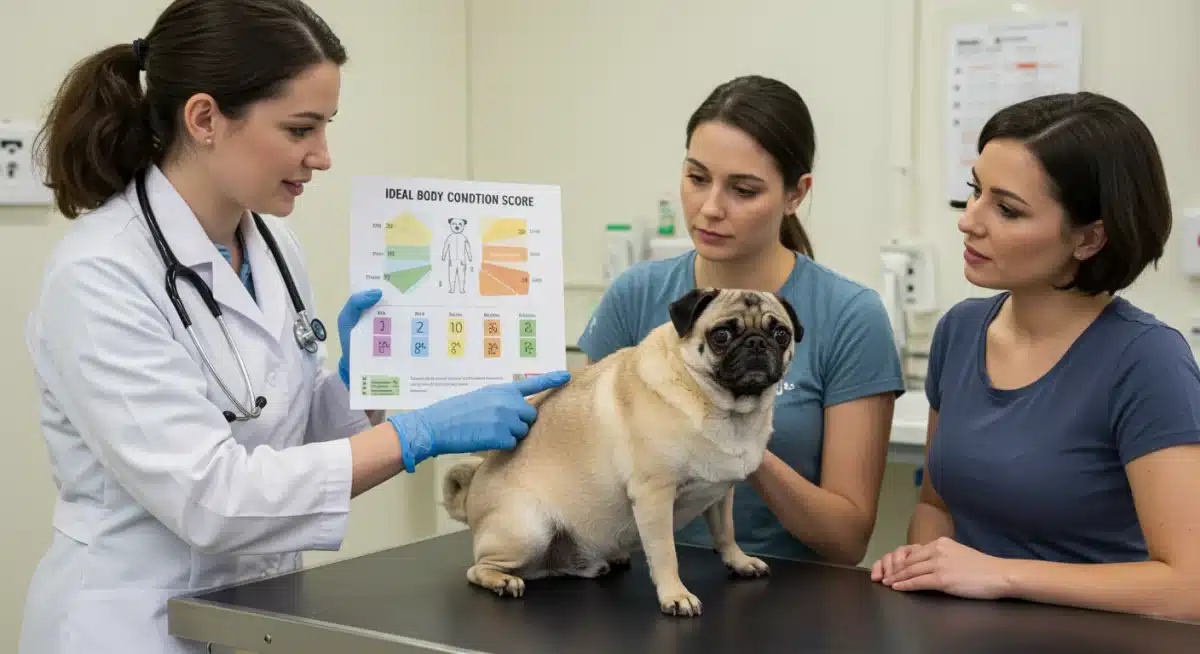
Your first and most important step is to schedule a comprehensive check-up with your veterinarian. During this visit, your vet will perform a physical examination, assess your pet’s current weight, and determine their ideal body condition score (BCS). The BCS is a standardized tool used to evaluate the amount of fat on a pet’s body, ranging from 1 (emaciated) to 9 (severely obese). A BCS of 4-5 is generally considered ideal. Your vet will also rule out any underlying medical conditions that might contribute to weight gain, such as hypothyroidism or Cushing’s disease, and discuss any existing health issues that could be exacerbated by excess weight, like arthritis. This consultation is critical for establishing a safe and realistic target weight and a timeline for achieving it. They will help you understand the specific challenges of your pet’s situation and how to best address their pet obesity.
Dietary Analysis and Transition
Once you have a clear understanding of your pet’s health, the next step is to scrutinize their current diet. Be honest and thorough: document everything your pet eats in a typical week, including their regular food, treats, table scraps, and even accidental finds. Many pet owners underestimate the caloric intake from treats and human food. Your veterinarian, or a certified veterinary nutritionist, can help you calculate your pet’s daily caloric needs based on their ideal weight and activity level. This is a critical component of any effective pet obesity plan.
Transitioning to a new diet, particularly a weight-management formula, should be done gradually over 7-10 days to prevent gastrointestinal upset. Your vet will likely recommend a high-fiber, lower-calorie food designed for weight loss. These foods typically help pets feel fuller on fewer calories. Portion control is paramount; use a measuring cup and stick to the recommended serving sizes strictly. Avoid free-feeding, which allows pets to graze throughout the day, making it difficult to monitor intake. Instead, establish a consistent feeding schedule with two to three meals per day.
Introducing Gentle Activity
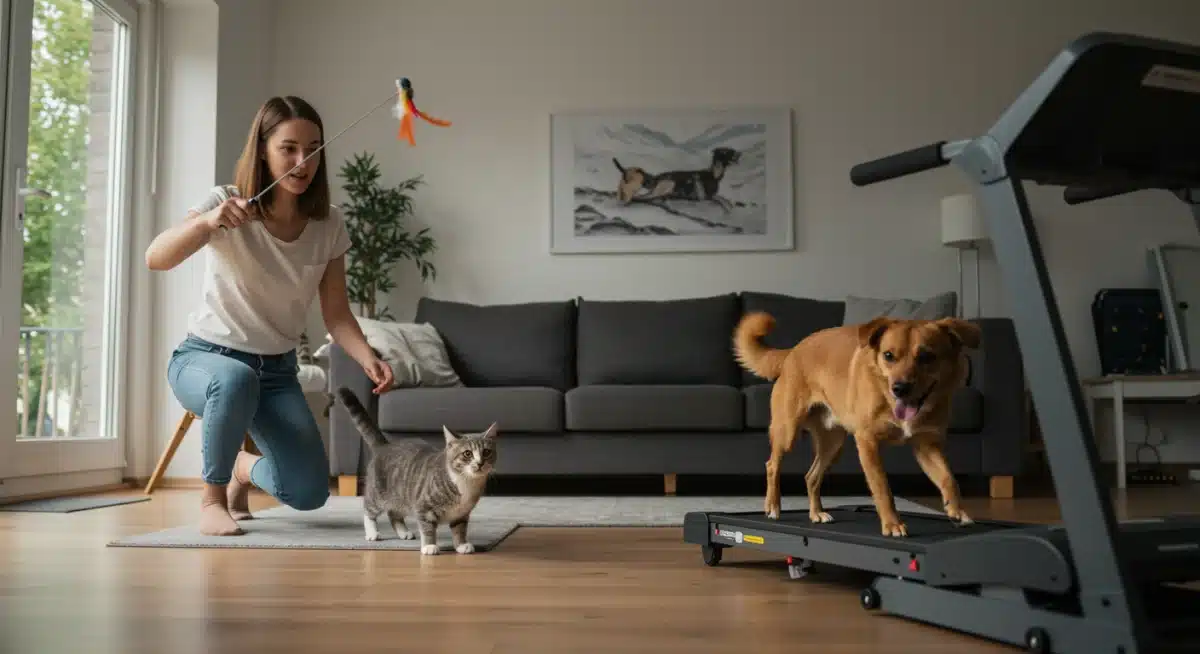
For pets new to exercise or those significantly overweight, the first month’s activity should be gentle and low-impact. The goal is to gradually increase their movement without putting undue stress on their joints or cardiovascular system. For dogs, this might mean shorter, more frequent walks (10-15 minutes, 2-3 times a day) on flat surfaces. For cats, interactive play sessions with feather wands, laser pointers, or toy mice (5-10 minutes, several times a day) can encourage movement. The key is consistency and observation; watch for signs of fatigue or discomfort and adjust the activity level accordingly. Even small increases in activity contribute significantly to combating pet obesity.
Month 2: Calorie Control and Moderate Exercise for Pet Obesity Management
Building on the foundations laid in Month 1, Month 2 focuses on refining dietary control and steadily increasing physical activity. This is where you’ll start to see more tangible progress in your pet’s weight loss journey and solidify habits crucial for long-term pet obesity management.
Refining Dietary Habits
By now, your pet should be fully transitioned to their new weight-management food. Continue to meticulously measure portions and adhere to the feeding schedule. This month, pay even closer attention to treats. Many commercial pet treats are high in calories. Consider switching to low-calorie alternatives like small pieces of cooked lean meat (chicken or turkey breast), plain green beans, carrots, or air-popped popcorn (unsalted, unbuttered). Remember, treats should constitute no more than 10% of your pet’s daily caloric intake. If your pet is particularly food-motivated, use a portion of their daily kibble allowance as treats during training or playtime. This strategy helps manage overall calorie intake effectively, a core principle in fighting pet obesity.
Increasing Exercise Intensity and Duration
As your pet’s stamina improves, gradually increase the duration and intensity of their exercise. For dogs, extend walks to 20-30 minutes, 2-3 times a day. Introduce varied terrain, like gentle slopes, to engage different muscle groups. Consider adding short bursts of playtime, such as fetch, if appropriate for your dog’s breed and physical condition. For cats, extend interactive play sessions to 10-15 minutes, 3-4 times a day. Introduce new toys to keep them engaged and prevent boredom. Cat trees and climbing structures can also encourage vertical movement and calorie burning. Swimming, if accessible and your pet enjoys it, is an excellent low-impact exercise for both dogs and some adventurous cats, particularly beneficial for pets with joint issues. Consistent, moderate exercise is vital for successful pet obesity intervention.
Month 3: Monitoring Progress and Adjusting the Pet Obesity Plan
Month 3 is about critically evaluating your pet’s progress and making necessary adjustments to ensure the weight loss journey remains on track. Regular monitoring is essential for sustained success in managing pet obesity.
Weekly Weight Checks and Body Condition Scoring
By now, you should be weighing your pet weekly or bi-weekly. A consistent weight loss of 1-2% of their body weight per week is generally considered healthy and sustainable. If your pet isn’t losing weight, or is losing it too rapidly, it’s time to re-evaluate. Also, continue to assess their body condition score at home. You should start to see ribs more easily, feel their waistline, and notice a tuck in their abdomen. If progress stalls, revisit their daily caloric intake and exercise regimen. Small adjustments can make a big difference. This vigilant monitoring is key to preventing plateaus in your pet obesity plan.
Troubleshooting and Adjustments
If your pet’s weight loss plateaus, don’t get discouraged. This is a common occurrence. First, double-check your portion measurements and ensure no hidden calories are creeping into their diet. Are other family members or visitors giving treats? Are they scavenging for food? Second, consider increasing exercise duration or intensity slightly. For dogs, try a new walking route, introduce a short hike, or enroll in a beginner agility class. For cats, explore puzzle feeders to make mealtime more engaging and calorie-burning, or introduce supervised outdoor time in a secure enclosure. If unsure, always consult your veterinarian or a veterinary nutritionist. They can offer insights and suggest specific changes to your pet obesity strategy.
Month 4: Introducing New Activities and Mental Stimulation to Combat Pet Obesity
As your pet continues to lose weight and gain fitness, Month 4 focuses on diversifying their activities and incorporating mental stimulation. This not only keeps them engaged but also helps burn more calories and strengthens your bond, reinforcing the pet obesity plan.
Expanding Exercise Horizons
With improved fitness, your pet can now tackle more challenging activities. For dogs, consider dog parks, hiking trails, or even dog sports like flyball, obedience, or rally. These activities provide both physical exertion and mental engagement. For cats, introduce more complex interactive toys, such as those that dispense treats only after solving a puzzle. Cat wheels can be an excellent option for highly energetic indoor cats. Supervised outdoor walks on a leash (for cats that tolerate it) can provide a wealth of new sensory experiences and encourage exploration. The goal is to make exercise fun and varied, preventing boredom and maintaining enthusiasm for your pet obesity efforts.
Mental Stimulation and Enrichment
Mental stimulation is just as important as physical exercise for overall well-being and can actually contribute to calorie burning. Puzzle feeders are excellent for both dogs and cats, as they make mealtime a game, slowing down eating and providing mental challenge. Training sessions, even for just 5-10 minutes a day, can be incredibly enriching. Teach new tricks, practice commands, or engage in scent work games. For cats, provide vertical spaces like cat trees, shelves, and window perches to satisfy their natural climbing instincts. A stimulating environment reduces boredom, which can sometimes lead to excessive eating. This holistic approach is vital for a successful pet obesity plan.
Month 5: Sustaining Momentum and Addressing Behavioral Challenges in Pet Obesity
Month 5 is about reinforcing good habits and proactively addressing any behavioral issues that might hinder your pet’s continued progress. Consistency and understanding are key to overcoming obstacles in your pet obesity journey.
Maintaining Consistency and Routines
By this point, your pet should be accustomed to their new diet and exercise routine. The challenge now is to maintain consistency. Stick to feeding schedules, measure portions diligently, and ensure regular exercise sessions. Life can get busy, but making your pet’s health a priority is essential. If you anticipate a disruption to your routine (e.g., vacation), plan ahead for how you will maintain their diet and exercise. Consider pet sitters who understand and will adhere to your pet’s specific needs. Consistency is the bedrock of any successful pet obesity plan.
Addressing Begging and Food-Related Behaviors
Some pets may develop begging behaviors or become overly food-focused during a weight loss program. It’s crucial to address these behaviors constructively. Avoid giving in to begging, as this reinforces the behavior. Instead, redirect their attention with playtime, cuddles, or a low-calorie treat if it’s within their daily allowance. Ensure all family members are on board with the weight loss plan and understand the importance of not giving table scraps or extra treats. If your pet is constantly searching for food, consider increasing the frequency of their meals (while keeping the total daily caloric intake the same) or using puzzle feeders to make meals last longer. In some cases, increasing fiber in their diet can help them feel more satiated. Behavioral challenges are a common hurdle in combating pet obesity.
Month 6: Long-Term Management and Celebrating Success in Your Pet Obesity Plan
The final month of our 6-month pet obesity plan focuses on transitioning from active weight loss to long-term weight management. This is about celebrating your pet’s achievements and establishing sustainable habits for a lifetime of health.
Final Veterinary Check-up and Maintenance Plan
Schedule a final vet check-up at the end of the 6 months. Your vet will assess your pet’s new weight, body condition, and overall health. They will help you determine if your pet has reached their ideal weight or if further weight loss is needed. More importantly, they will assist you in developing a maintenance plan. This plan will outline the appropriate caloric intake and exercise regimen to keep your pet at their ideal weight. It might involve a slight increase in food portions or a transition to a maintenance-specific diet formula, but always under veterinary guidance. This final step is crucial for cementing the gains made in your pet obesity efforts.
Celebrating Milestones and Reinforcing Positive Habits
Take time to celebrate your pet’s incredible achievement! A healthier weight means more energy, improved mobility, and a significantly reduced risk of weight-related diseases. Reward your pet with non-food treats like new toys, extra playtime, or a special grooming session. Continue to reinforce positive habits: daily walks, interactive play, consistent feeding schedules, and regular weight monitoring. Involve your pet in family activities that promote movement, such as hiking or playing in the yard. This celebration of success is a powerful motivator for both you and your pet in their pet obesity journey.
Preventing Relapse and Staying Vigilant
Weight management is a lifelong commitment. Relapse can occur if old habits creep back in. Continue to monitor your pet’s weight and body condition regularly (monthly or bi-monthly). Be mindful of caloric creep from treats or changes in activity levels. If you notice weight starting to increase, address it immediately by slightly reducing portions or increasing exercise. Regular veterinary check-ups (at least annually) are essential to monitor their overall health and catch any potential issues early. Educate friends and family about your pet’s dietary needs to ensure everyone supports their healthy lifestyle. Staying vigilant is paramount to preventing pet obesity from returning.
Beyond the 6-Month Pet Obesity Plan: A Lifetime of Health
Successfully navigating the 6-month pet obesity plan is a monumental achievement, but it’s just the beginning of a lifelong commitment to your pet’s health. The habits you’ve established—mindful feeding, regular exercise, and consistent veterinary oversight—are the pillars of a healthy lifestyle for your companion. Remember that every pet is unique, and their needs may evolve over time due to age, changes in health, or activity levels. Therefore, flexibility and ongoing communication with your veterinarian are crucial.
Adapting to Life Changes and Aging
As your pet ages, their metabolism may slow down, and their activity levels might naturally decrease. This means their caloric needs will likely change. Senior pets, in particular, may require specialized diets and modified exercise routines that are gentle on their joints. Regular check-ups become even more important to catch age-related conditions early and adjust their pet obesity management plan accordingly. Similarly, if your pet experiences an injury or illness, their diet and exercise will need to be re-evaluated under veterinary guidance to support their recovery without leading to weight gain.
The Role of Nutrition in Long-Term Pet Obesity Management
The quality of your pet’s food plays a significant role in their long-term health and weight maintenance. Continue to choose high-quality, balanced pet foods appropriate for their life stage and activity level. If your pet has specific dietary needs or sensitivities, work with your vet or a veterinary nutritionist to select the best options. Consider incorporating supplements, such as omega-3 fatty acids for joint health or probiotics for gut health, if recommended by your vet. Smart nutrition is a continuous effort in preventing pet obesity.
Making Exercise a Joyful Routine
Exercise should always be a positive experience for your pet. Continue to explore new activities that both of you enjoy. For dogs, this could be joining a dog walking group, trying new hiking trails, or engaging in scent work. For cats, rotating toys, setting up obstacle courses, or even training them to walk on a leash can keep them physically and mentally stimulated. The goal is to integrate physical activity seamlessly into your daily life, making it a source of joy and bonding, not a chore. This sustained engagement is key to keeping pet obesity at bay.
Community and Support
Don’t underestimate the power of community. Connect with other pet owners who are also committed to their pets’ health. Share tips, celebrate successes, and offer support during challenges. Online forums, local pet groups, or even social media communities can provide valuable encouragement and new ideas. Your veterinarian and their staff are also invaluable resources; don’t hesitate to reach out with questions or concerns. A strong support system can make all the difference in the ongoing fight against pet obesity.
Conclusion: A Healthier Future for Your Beloved Pet
Tackling pet obesity is a journey that requires patience, consistency, and an unwavering commitment to your pet’s well-being. This 6-month plan provides a structured roadmap, but the principles of balanced nutrition, regular exercise, and proactive veterinary care are timeless. By dedicating yourself to this plan, you’re not just helping your pet lose weight; you’re investing in their overall health, vitality, and extending the precious time you have together. Imagine a future where your pet is more energetic, playful, and free from the discomforts and risks associated with excess weight. That future is within reach. By embracing this comprehensive approach, you empower your pet to live their best life, full of joy, activity, and unparalleled companionship. Your efforts in combating pet obesity will yield a lifetime of rewards for both you and your cherished companion.