Mastering Dog Recall: Advanced Techniques for US Owners in 2026
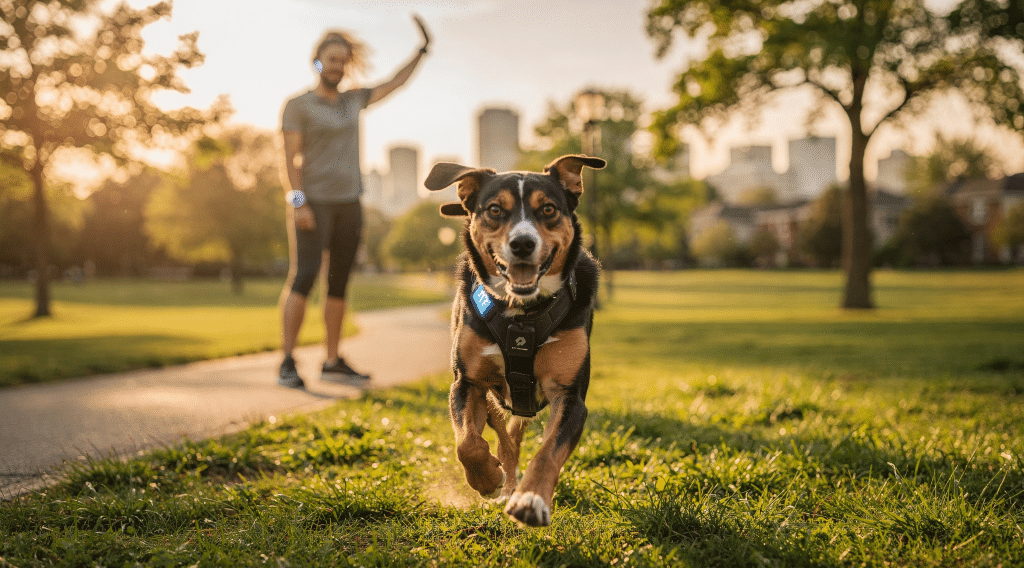
Every dog owner dreams of a dog that, no matter the distraction, will come bounding back to them with unwavering enthusiasm. This isn’t just a dream; it’s a fundamental aspect of responsible dog ownership, ensuring your furry friend’s safety and your peace of mind. While basic recall training is a good start, true mastery requires diving into advanced dog recall techniques. As we approach 2026, the demands on our dogs and our training methods are evolving, making these advanced strategies more crucial than ever for US dog owners.
Imagine being able to confidently let your dog off-leash in appropriate areas, knowing that a single command will bring them back, regardless of squirrels, other dogs, or fascinating smells. This level of control isn’t magic; it’s the result of consistent, intelligent training, building upon foundational skills to achieve a rock-solid recall. This comprehensive guide will explore four advanced techniques that will transform your dog’s responsiveness, making them a true recall champion. We’ll delve into proofing for real-world scenarios, mastering distraction management, implementing a bulletproof emergency recall, and maintaining long-term consistency.
The journey to advanced dog recall is rewarding, fostering a deeper bond and communication between you and your canine companion. It’s about more than just obedience; it’s about trust, safety, and the freedom to explore the world together. Let’s embark on this journey to unlock your dog’s full recall potential.
Understanding the Foundation: Beyond Basic Recall
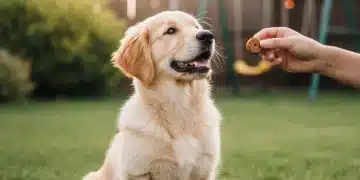
Before we jump into the advanced stuff, it’s essential to briefly revisit the core principles of recall. A basic recall typically involves teaching your dog to come when called in a low-distraction environment. This usually starts with a positive interrupter (like their name or a specific word), followed by the command ‘come’ or ‘here,’ and immediately rewarding their return with high-value treats and praise. Consistency and positive reinforcement are the bedrock of this initial stage.
Why Basic Recall Isn’t Enough for Advanced Scenarios
While a dog that comes when called in your living room is great, the real world is far more complex. Parks are filled with tantalizing smells, other dogs, children playing, and unexpected sounds. A basic recall often crumbles under the weight of these distractions. This is where advanced dog recall comes into play. It’s about systematically introducing these challenges and teaching your dog to prioritize your command above all else.
Many US dog owners find themselves frustrated when their otherwise obedient dog ignores them outdoors. This isn’t necessarily a sign of a stubborn dog, but rather a gap in their training. They haven’t been taught to generalize the recall command across different environments and levels of distraction. Our goal with advanced techniques is to bridge this gap, creating a dog that responds reliably, no matter the circumstance.
The journey to advanced dog recall is rewarding, fostering a deeper bond and communication between you and your canine companion. It’s about more than just obedience; it’s about trust, safety, and the freedom to explore the world together. Let’s embark on this journey to unlock your dog’s full recall potential.
The Importance of High-Value Rewards
As you progress to advanced dog recall, the value of your rewards becomes even more critical. What might be motivating in a quiet house might not compete with the allure of a rabbit in the park. High-value treats (like small pieces of cooked chicken, cheese, or hot dogs), enthusiastic praise, and exciting games (a quick tug-of-war) are essential tools in your advanced training toolkit. Rotate your rewards to keep your dog engaged and guessing, making the recall experience consistently exciting and unpredictable.
Remember, the reward isn’t just about food. It’s about making returning to you the most rewarding option available. This means being genuinely happy and excited when your dog comes back, even if it took a moment longer than you hoped. Your positive reaction reinforces the behavior far more effectively than any punishment for a delayed response.
Technique 1: Proofing for Real-World Reliability
Proofing is arguably the most critical component of advanced dog recall. It involves systematically practicing the recall command in increasingly challenging environments and situations. The goal is to teach your dog that ‘come’ means ‘come,’ regardless of where they are or what’s happening around them. This builds resilience and reliability.
Gradual Introduction of Distractions
Start by introducing distractions gradually. Don’t go from your backyard straight to a dog park. Begin with mild distractions you can control:
- Visual Distractions: Have a family member walk by at a distance, or place a favorite toy a few feet away.
- Auditory Distractions: Play some music softly, or have someone make soft noises in the background.
- Olfactory Distractions: Place a small, intriguing scent (like a hidden treat) a little distance away, but not so close that your dog can easily get to it without recalling.
As your dog succeeds with these minor distractions, slowly increase their intensity and proximity. The key is to set your dog up for success, never pushing them to a point where they are likely to fail. If they fail, it means you’ve moved too quickly, and you need to go back a step.
Varying Environments
Once your dog is reliable with controlled distractions, it’s time to change the environment. Practice in:
- Different rooms of your house: Each room has different smells and associations.
- Your backyard: A familiar outdoor space.
- A quiet park or open field: Start early morning or late evening when fewer people and dogs are around.
- Areas with slight background noise: Near a quiet road (on-leash, of course) or a park with distant activity.
Each new environment presents a new set of sensory information for your dog to process. By practicing in diverse locations, you teach your dog that the recall command is universal, not just tied to one specific place.
Practicing Around Other Dogs (Controlled)
This is often the biggest hurdle for advanced dog recall. Begin with a trusted, calm dog friend at a distance. Both dogs should be on long lines. Practice recalling your dog when the other dog is stationary or calmly sniffing. Gradually decrease the distance between the dogs, always ensuring your dog is successful before moving closer. Avoid letting them play wildly off-leash until their recall is impeccable around other dogs.
The goal is not to prevent your dog from interacting with other dogs, but to teach them that you are more important than the other dog when you issue a recall. This means that after a successful recall away from another dog, you might reward them by allowing them to go and greet the other dog (if appropriate). This turns the other dog into a secondary reward, reinforcing the idea that coming to you leads to good things.
Technique 2: Mastering Distraction Management
Distraction management isn’t just about proofing; it’s about actively teaching your dog to disengage from high-value distractions and choose to return to you. This is a nuanced skill that requires patience and a deep understanding of your dog’s motivations.
The ‘Look at That’ Game (LAT)
The ‘Look at That’ game is an excellent way to build a positive association with distractions. When your dog notices a distraction (e.g., another dog, a person, a squirrel), say ‘Look at That’ (or a similar phrase) and immediately reward them for simply acknowledging the distraction without reacting excessively. The moment they glance back at you after hearing the phrase, reward them. The goal is to teach them that the appearance of a distraction predicts a reward from you, shifting their focus from the distraction itself to you.
As they get better, you can wait for them to disengage from the distraction on their own after you say the cue, then reward. This builds self-control and teaches them that checking in with you is always a good idea, even when something interesting appears.
The ‘Emergency U-Turn’ or ‘Pattern Games’
These games are designed to build a strong habit of checking in with you and rapidly changing direction. One popular pattern game is the ‘Figure Eight’ or simply walking in a random pattern, frequently changing direction, and rewarding your dog for staying with you and anticipating your movements. This teaches them to pay attention to your body language and be ready to follow.
The ‘Emergency U-Turn’ is a more specific technique. When your dog starts to drift or focus intensely on a distraction, quickly change direction 180 degrees, call their name excitedly, and run a few steps in the new direction. When they follow, reward them heavily. This breaks their focus on the distraction and redirects their attention back to you in a fun, engaging way. It’s a proactive measure to prevent them from getting too far or too engrossed in a distraction before you need a full recall.
Using a Long Line for Safety and Control
A high-quality long line (15-30 feet) is indispensable for advanced dog recall training. It allows you to practice off-leash recall in a safe, controlled manner, preventing your dog from truly running off while still giving them the illusion of freedom. Always use a harness with a long line, never a collar, to prevent neck injuries if your dog hits the end of the line.
When using a long line, let your dog explore, but keep an eye on them. When you call them, if they hesitate, gently reel them in while continuing to praise and encourage them. Reward lavishly when they reach you. The long line allows you to enforce the recall without resorting to punishment, ensuring that the experience remains positive.
Technique 3: The Bulletproof Emergency Recall
An emergency recall is a separate, distinct command that you reserve for critical situations – when your dog is heading towards a busy road, a dangerous animal, or a toxic substance. This isn’t your everyday ‘come’ command; it’s a life-saving tool that needs to be treated with utmost seriousness and high-stakes rewards.
Choosing a Unique Command Word
The first step is to choose a unique, distinct word or sound that you will *only* use for emergency recall. It should be something you don’t use in everyday conversation. Examples include ‘CRITICAL,’ ‘RECALL NOW,’ a whistle, or a specific, sharp clap. The novelty of the word ensures it carries no baggage from previous, less urgent recalls.
High-Stakes Training Sessions
Train your emergency recall in short, intense sessions, perhaps only once or twice a week, and never when you’re frustrated. The rewards for an emergency recall should be the absolute highest possible – an entire hot dog, a large piece of cheese, or a favorite toy that only comes out for this specific command. The goal is to create an incredibly powerful positive association with this word.
Start in a low-distraction environment, and practice making the command incredibly exciting and rewarding. When you say the emergency word, act like it’s the most amazing thing that’s ever happened, and shower your dog with praise and their ultimate reward the moment they reach you. Keep these sessions brief but impactful.
Simulating Emergencies Safely
As your dog understands the emergency recall, you can start to simulate emergencies in a controlled manner. This is where your long line is crucial. Have a friend walk by with a tempting object, or have a controlled distraction appear suddenly. When the distraction appears and your dog starts to focus on it, use your emergency recall word. If they respond, jackpot them with the ultimate reward.
It’s important to never use the emergency recall lightly. If you use it too often, or in non-emergency situations, it will lose its potency. This command is your absolute last resort, your dog’s ‘bat signal,’ and it needs to carry that weight in their mind.
Technique 4: Consistency, Maintenance, and Troubleshooting
Achieving advanced dog recall isn’t a one-time event; it’s an ongoing process. Consistency in your training, regular maintenance, and knowing how to troubleshoot common issues are vital for long-term success.
The Importance of Random Reinforcement
Once your dog is reliably recalling, resist the urge to stop rewarding them. Instead, transition to random reinforcement. This means you don’t reward every single recall, but you still reward frequently and unpredictably. Sometimes it’s a treat, sometimes a toy, sometimes just enthusiastic praise. This keeps your dog guessing and motivated, making the recall even stronger because they never know when the jackpot might hit.
Think of it like a slot machine – the unpredictable nature of the reward makes people keep playing. The same principle applies to your dog’s motivation for recall. If they always know what they’re getting, or if they know they’ll get nothing, their motivation can wane. Random, high-value rewards keep the recall fresh and exciting.
Maintaining the Skill Through ‘Pop Quizzes’
Regularly practice your recall in various environments, even if it’s just a quick ‘pop quiz’ during a walk. Call your dog when they’re sniffing something interesting, when they’re walking ahead, or when another dog is in the distance (always starting with a safe distance). These short, successful recalls reinforce the behavior and keep it sharp.
These ‘pop quizzes’ don’t always need to involve full off-leash freedom. Even on-leash, you can practice calling your dog’s name and rewarding them for looking at you and engaging. This maintains their responsiveness to your voice and keeps the communication channel open, which is fundamental to advanced dog recall.
Troubleshooting Common Recall Issues
Issue 1: Dog Ignores Recall When Highly Distracted
Solution: You’ve moved too fast. Go back to a lower level of distraction where your dog is successful. Use a long line to ensure you can enforce the recall without being punitive. Increase the value of your rewards. Make coming to you the most exciting thing in the world.
Issue 2: Dog Comes, But Slowly and Reluctantly
Solution: This often means the reward isn’t high enough, or the recall experience isn’t exciting enough. Use higher-value treats, make your voice enthusiastic, and turn the return into a mini-party. Avoid chasing your dog, as this can turn recall into a game of ‘keep away.’ Instead, run away from your dog to encourage them to chase you.
Issue 3: Dog Comes Close But Won’t Let You Catch Them
Solution: This is a common problem, often stemming from negative associations with being caught (e.g., playtime ending, going home). Practice the ‘touch’ command (touching your hand with their nose) and reward them generously when they do. When they recall, reward them, then release them to go play again a few times before actually putting the leash on. This teaches them that coming to you doesn’t always mean the fun stops.
Issue 4: Dog Only Responds to One Person
Solution: Everyone in the household needs to be involved in recall training. Ensure everyone uses the same command words and rewards consistently. This helps generalize the recall command across different people and voices.
Integrating Advanced Recall into Daily Life
The true measure of advanced dog recall is its seamless integration into your daily life. It’s not just about formal training sessions, but about consistent reinforcement and engagement every time you’re with your dog. This means being mindful of your dog’s environment, anticipating potential distractions, and seizing every opportunity to reinforce positive choices.
From the moment you wake up until your dog’s bedtime, there are countless opportunities to reinforce their responsiveness to you. Call your dog for meals, for cuddles on the couch, or for a quick game in the yard. Each positive interaction where your dog chooses to come to you strengthens their overall bond and their understanding that you are the source of all good things. This constant, low-pressure reinforcement builds a strong foundation for when you need a more urgent recall.
Even when your dog is off-leash in a safe area, don’t just wait until they are about to run off to call them. Randomly call them back for a quick treat and praise, then immediately release them to continue exploring. This creates a positive association with returning to you, without the implication that coming back means the end of fun. This proactive approach is key to maintaining a high level of responsiveness.
Building a Strong Relationship Beyond Commands
Ultimately, advanced dog recall is deeply rooted in the relationship you share with your dog. A dog that trusts you, enjoys spending time with you, and views you as a source of safety and joy is far more likely to return when called. Spend quality time with your dog, engage in activities they enjoy, and be their reliable leader.
Play games together, go on adventures, and practice clear communication. The stronger your bond, the more willing your dog will be to choose you over any distraction. Recall isn’t just about obedience; it’s a testament to the connection you’ve built. By consistently being a fun, fair, and trustworthy companion, you make yourself the most compelling reason for your dog to come back.
Conclusion: A Safer, More Connected Future by 2026
Mastering advanced dog recall is an ongoing journey that requires patience, consistency, and a positive approach. By implementing these four advanced techniques – systematic proofing, proactive distraction management, a bulletproof emergency recall, and unwavering consistency – you’re not just training a command; you’re building a deeper, more reliable relationship with your canine companion.
For US dog owners, a strong recall offers unparalleled freedom and safety. It means more adventurous hikes, worry-free park visits, and the confidence that your dog will always choose to return to your side, even when the world is full of tempting distractions. As we move towards 2026, let’s commit to elevating our dog training, ensuring our furry family members are not only well-behaved but also safe and happy in every environment.
The effort you invest in these advanced techniques will pay dividends in the form of a more responsive, confident, and connected dog. Embrace the journey, celebrate every success, and enjoy the profound bond that comes from a dog with a truly advanced, reliable recall.