Heatstroke in Pets: 7 Critical Warning Signs & First Aid for Summer 2026
Heatstroke in Pets: 7 Critical Warning Signs and First Aid Steps for Summer 2026
As the warmth of summer 2026 approaches, bringing with it longer days and outdoor adventures, it also ushers in a serious threat to our beloved animal companions: heatstroke. Often underestimated, pet heatstroke can escalate rapidly from a minor discomfort to a life-threatening emergency within minutes. Understanding the nuances of pet heatstroke prevention, recognizing its early warning signs, and knowing how to administer immediate first aid are not just responsible pet ownership – they are critical acts of love and protection. This comprehensive guide is designed to equip you with the knowledge and tools necessary to safeguard your pets against the dangers of overheating, ensuring they enjoy a safe, happy, and healthy summer.
The physiological mechanisms that allow humans to regulate body temperature differ significantly from those in animals. While we sweat across our skin, dogs primarily cool themselves by panting, and cats through panting and sweating through their paw pads, a far less efficient process. This inherent difference makes them particularly vulnerable to rising temperatures. Factors such as breed, age, health conditions, and even fur length can further exacerbate this vulnerability. For instance, brachycephalic breeds (those with short snouts like Bulldogs, Pugs, and Persian cats) have compromised respiratory systems that make panting less effective, placing them at an exceptionally high risk. Elderly pets, very young pets, and those with underlying heart or respiratory conditions also struggle more to maintain a normal body temperature.
Ignoring the early signs of heatstress can have devastating consequences, leading to organ damage, seizures, coma, and even death. The good news is that heatstroke is largely preventable, and with prompt recognition and action, its severe effects can often be mitigated. This article will delve deep into the seven most critical warning signs that every pet owner must know, provide clear, actionable first aid steps to take in an emergency, and offer practical pet heatstroke prevention strategies to keep your companions cool and comfortable throughout the summer.
Join us as we explore how to create a safer summer for your pets, transforming potential dangers into opportunities for informed and proactive care. Your vigilance and preparedness are their best defense against the summer heat.
Understanding Pet Heatstroke: More Than Just Being Hot
Before diving into the specifics of warning signs and first aid, it’s crucial to understand what heatstroke is and how it affects pets. Heatstroke, or hyperthermia, is a severe elevation of the body’s core temperature above the normal range, typically exceeding 104°F (40°C). Unlike a fever, which is a controlled increase in body temperature due to infection or inflammation, heatstroke is an uncontrolled rise caused by external factors like high environmental temperatures, excessive exercise, or confinement in poorly ventilated spaces.
The Dangers of Overheating
When a pet’s body temperature rises too high, their internal organs begin to shut down. The circulatory system struggles to cope, leading to decreased blood flow to vital organs. The brain can swell, causing neurological symptoms. The kidneys, liver, and gastrointestinal tract can suffer irreversible damage. Blood clotting abnormalities can also occur, leading to widespread bleeding. These cascading effects underscore the urgency of immediate intervention when heatstroke is suspected.
Who is Most at Risk?
While any pet can suffer from heatstroke, some are more predisposed:
- Brachycephalic Breeds: Dogs like Pugs, Bulldogs, Boxers, and Shih Tzus, and cats like Persians, have shortened airways that make efficient panting difficult.
- Obese Pets: Excess fat acts as insulation, trapping heat and making it harder for pets to cool down.
- Elderly and Very Young Pets: Their thermoregulatory systems are often less efficient.
- Pets with Heart or Respiratory Conditions: Underlying health issues compromise their ability to cope with heat stress.
- Thick-Coated Breeds: While their coats offer some insulation against both heat and cold, extremely dense coats can hinder heat dissipation in high humidity.
- Highly Active Pets: Dogs involved in strenuous exercise on hot days are at high risk.
Understanding these risk factors is a fundamental aspect of pet heatstroke prevention. Knowing if your pet falls into one of these categories means you need to be extra vigilant during warmer weather.
7 Critical Warning Signs of Pet Heatstroke
Recognizing these signs early is paramount. The sooner you identify heatstroke, the better the chances of a full recovery. Don’t wait for all signs to appear; even one or two warrant immediate action.
1. Excessive Panting and Difficulty Breathing
Panting is a dog’s primary way to cool down, but excessive, rapid, or labored panting – especially if it’s unusual for your pet or doesn’t subside – is a major red flag. Cats may also pant, which is always abnormal for them and indicates significant distress. If your pet is struggling to catch their breath, making raspy sounds, or their breathing seems shallow and fast, it’s a critical sign.
2. Bright Red or Pale Gums and Dry, Sticky Tongue
Check your pet’s gums. In the early stages of heatstroke, they might appear unusually bright red due to increased blood flow. As heatstroke progresses, they can become pale or even bluish (cyanotic) if oxygen levels drop. A dry, sticky tongue is also a clear indicator of dehydration. This visual check is a quick and effective way to assess their circulatory status.
3. Excessive Thirst and Drooling
While increased thirst is natural on a hot day, excessive, frantic drinking can be a sign of severe dehydration. Coupled with thick, ropey drool, it indicates the body is struggling to regulate its temperature and is losing fluids rapidly. The drool might be more viscous than usual, signaling a worsening condition.
4. Vomiting and Diarrhea (Potentially Bloody)
Gastrointestinal upset, including vomiting and diarrhea, is a common symptom of advanced heatstroke. The extreme heat can damage the lining of the intestines, leading to severe fluid loss and, in critical cases, bloody vomit or diarrhea. This is a very serious sign requiring immediate veterinary attention.
5. Staggering, Weakness, or Collapse
As the brain and muscles are affected by high temperatures, pets may become disoriented, stumble, or appear uncoordinated. They might lose their balance, walk like they are drunk, or even collapse. This indicates severe neurological impairment and is an emergency.
6. Seizures or Muscle Tremors
Seizures are a grave symptom of severe brain damage due to heatstroke. Muscle tremors or spasms can also occur, signifying neurological distress. If your pet experiences seizures, it’s a life-threatening situation requiring immediate emergency veterinary care.
7. Glazed Eyes and Increased Heart Rate
A pet experiencing heatstroke may have eyes that appear glazed over or unfocused. Their heart rate will also be significantly elevated, a compensatory mechanism as the body tries to pump more blood to cool itself. You might feel a rapid, pounding pulse. These are subtle but important indicators of the body under extreme stress.
First Aid Steps for Pet Heatstroke: Act Fast!
If you suspect your pet is suffering from heatstroke, every second counts. Immediate action can significantly improve their outcome. Follow these steps while simultaneously arranging for veterinary transport.
Step 1: Move to a Cooler Environment Immediately
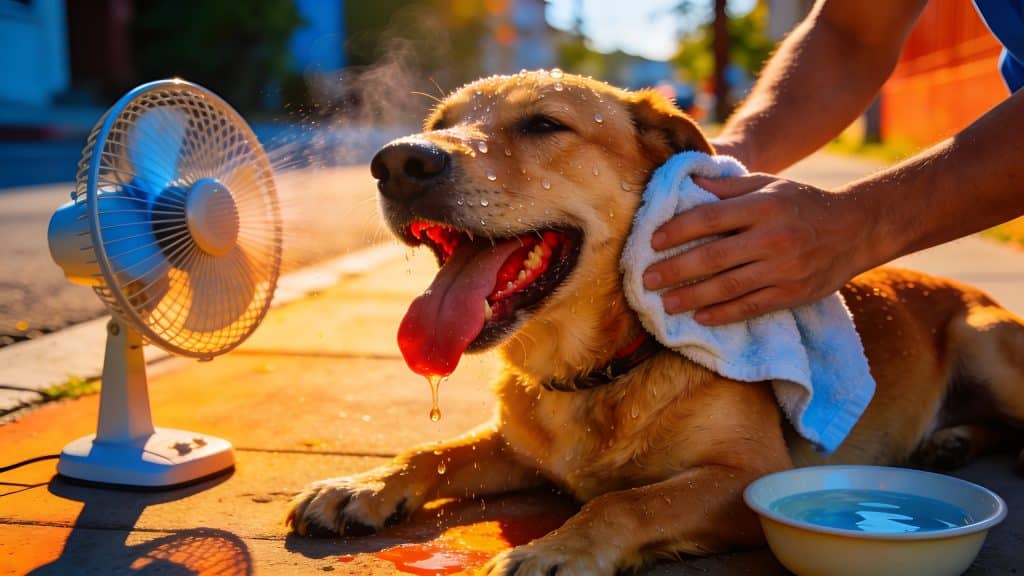
Get your pet out of the sun and into the coolest possible area – an air-conditioned room, a shaded spot, or near a fan. This is the very first and most crucial step in pet heatstroke prevention and treatment.
Step 2: Start Cooling Your Pet Gently
Do NOT use ice-cold water or ice packs. Rapid cooling can cause blood vessels to constrict and actually hinder the cooling process, or even induce shock. Instead:
- Use cool (not cold) water: Soak towels in cool water and apply them to your pet’s body, focusing on areas with less fur and major blood vessels – the armpits, groin, belly, and paw pads.
- Fan your pet: Use a fan or even a piece of cardboard to create airflow over their wet fur, which aids evaporative cooling.
- Wet their paws: You can also gently wet their paw pads with cool water.
- Offer small sips of water: If your pet is conscious and able to drink, offer small amounts of cool water. Do not force them to drink, as they could aspirate.
Step 3: Monitor Their Temperature (If Possible)
If you have a rectal thermometer, monitor your pet’s temperature every few minutes. Stop cooling once their temperature drops to around 103°F (39.4°C) to prevent hypothermia. If you don’t have a thermometer, continue cooling until you are en route to the vet and the pet seems more responsive.
Step 4: Seek Veterinary Care IMMEDIATELY
Even if your pet seems to recover quickly, internal damage from heatstroke can be severe and not immediately apparent. Take your pet to the nearest emergency veterinarian as soon as possible. Call ahead to let them know you’re coming so they can prepare.
Pet Heatstroke Prevention: A Summer 2026 Imperative
Prevention is always better than cure, especially when it comes to heatstroke. Implementing these pet heatstroke prevention strategies will drastically reduce the risk for your furry friends.
1. Never Leave Pets in Parked Cars
This cannot be stressed enough. The temperature inside a car can rise by 20 degrees in just 10 minutes, even on a mild day with the windows cracked. It becomes a death trap. This is the leading cause of heatstroke fatalities in pets.
2. Provide Ample Fresh Water
Always ensure your pet has access to fresh, cool water. On walks, carry a portable water bottle and bowl. At home, have multiple water stations, perhaps with ice cubes, to encourage hydration.
3. Limit Exercise During Hot Hours
Walks and playtime should be reserved for early mornings or late evenings when temperatures are cooler. Avoid strenuous activity during the hottest parts of the day.
4. Offer Shade and Shelter
If your pet spends time outdoors, ensure they have constant access to shade – whether from trees, an awning, or a designated shelter. Consider cooling mats or elevated beds that allow for airflow underneath.
5. Avoid Hot Pavement
Pavement, asphalt, and even sand can get incredibly hot, burning your pet’s paw pads. If it’s too hot for your bare hand, it’s too hot for their paws. Walk on grass or dirt, or consider protective booties.
6. Consider Grooming (But Don’t Shave Double-Coated Breeds)
Regular grooming helps remove excess undercoat, which can trap heat. However, avoid shaving double-coated breeds (like Huskies or Golden Retrievers) entirely, as their double coat actually provides insulation against heat and protects against sunburn.
7. Be Mindful of Humidity
Humidity impairs a pet’s ability to cool down through panting, as the air is already saturated with moisture. On humid days, even moderate temperatures can be dangerous. Adjust your pet’s activity levels accordingly.
8. Know Your Pet’s Individual Risk Factors
As discussed, certain breeds, ages, and health conditions increase risk. Be extra cautious if your pet falls into one of these categories. Consult your vet for personalized advice on pet heatstroke prevention for your specific companion.
Beyond Basic Prevention: Proactive Summer Care
While the fundamental pet heatstroke prevention steps are crucial, proactive measures can further enhance your pet’s safety and comfort during the summer of 2026.
Hydration Hacks for Picky Drinkers
- Water Fountains: Many pets are enticed by moving water. A pet water fountain can encourage increased water intake.
- Wet Food: Incorporating wet food into their diet can add a significant amount of moisture.
- Broth Ice Cubes: Freeze low-sodium chicken or beef broth into ice cubes for a refreshing and hydrating treat. Ensure it’s plain broth without onions, garlic, or other harmful ingredients.
- "Pupsicles": Blend pet-safe fruits (like banana or berries) with plain yogurt or water and freeze them into molds.
Cooling Gear and Gadgets
- Cooling Vests/Bandanas: These rely on evaporative cooling to help lower your pet’s core temperature.
- Elevated Beds: Allow air to circulate underneath, preventing heat buildup from the ground.
- Kiddie Pools: For dogs who love water, a shallow kiddie pool filled with cool water can be a fantastic way to beat the heat. Always supervise.
- Mister Fans: A fine mist can provide a refreshing cool-down, especially in outdoor shaded areas.
Summer Travel Safety
If traveling with your pet during summer 2026, plan meticulously:
- Car Air Conditioning: Ensure your vehicle’s AC is functioning well.
- Frequent Stops: Plan regular stops for water and potty breaks in shaded areas.
- Travel Bowls: Always have a portable water bowl and sufficient water supply.
- Never Leave Unattended: Reiterate the rule: never leave your pet in a parked car, even for "just a minute."
When to Call the Vet: Don’t Hesitate!
It’s vital to understand that even after initial cooling measures, a pet suspected of having heatstroke needs professional veterinary evaluation. The internal damage can be insidious, affecting organs long after the external signs subside.
- Immediate Consultation: If your pet exhibits any of the critical warning signs, call your vet or an emergency animal hospital immediately while you begin first aid.
- Post-Cooling Check-up: Even if your pet seems to recover, a vet visit is essential to check for organ damage (kidney, liver, brain), dehydration, and other complications. They may need intravenous fluids, medication, or further diagnostic tests.
- Prognosis: The prognosis for heatstroke depends heavily on the severity and duration of the elevated temperature, and how quickly intervention was initiated. Early and aggressive treatment offers the best chance of recovery.
Conclusion: Your Pet’s Summer Safety is in Your Hands
Summer 2026 promises warmth and outdoor enjoyment, and with the right precautions, your pets can safely partake in the fun. By understanding the severe risks of heatstroke, diligently watching for its 7 critical warning signs, and being prepared to administer immediate first aid, you become your pet’s most important protector. Remember, pet heatstroke prevention is an ongoing commitment throughout the warmer months. Keep them hydrated, provide ample shade, limit strenuous activity during peak heat, and never, under any circumstances, leave them unattended in a vehicle.
Your vigilance and proactive care are invaluable. By integrating these strategies into your routine, you’re not just preventing a medical emergency; you’re ensuring your beloved companions can thrive and enjoy a happy, healthy, and safe summer alongside you. Stay informed, stay prepared, and help make summer 2026 a season of joy, not worry, for every paw and purr in your life.