Senior Pet Joint Pain: Improve Mobility 30% in 6 Months

Senior Pet Joint Pain: Improve Mobility 30% in 6 Months
As our beloved companions age, their playful leaps often turn into cautious steps, and their boundless energy may give way to longer naps. This natural progression is often accompanied by the onset of joint pain and decreased mobility, a common challenge for many senior pets. Witnessing your furry friend struggle with everyday movements can be heartbreaking, but the good news is that proactive and comprehensive care can significantly improve their quality of life. In 2026, with advancements in veterinary medicine and a deeper understanding of senior pet needs, we are better equipped than ever to tackle these issues head-on. Our goal is ambitious yet achievable: to help you manage senior pet joint pain and improve their mobility by a remarkable 30% within a six-month period. This article will serve as your definitive guide, offering actionable strategies, expert insights, and a holistic approach to enhancing your senior pet’s comfort and activity levels. We’ll delve into everything from the early signs of joint discomfort to cutting-edge treatments and everyday adjustments that can make a world of difference for senior pet mobility.
Understanding Senior Pet Joint Pain: The Foundation of Improved Mobility
Before we can embark on a journey to improve senior pet mobility, it’s crucial to understand the underlying causes and symptoms of joint pain in older animals. Just like humans, pets experience wear and tear on their joints over time. This often leads to conditions like osteoarthritis, also known as degenerative joint disease, which is characterized by the progressive breakdown of cartilage within the joints. This breakdown causes friction between bones, leading to inflammation, pain, and reduced range of motion. While osteoarthritis is the most common culprit, other factors can contribute to joint pain, including genetic predispositions, previous injuries, obesity, and even certain autoimmune diseases.
Recognizing the early signs of senior pet joint pain is paramount for timely intervention. Pets are masters at hiding discomfort, so owners need to be vigilant. Subtle changes in behavior or movement can be indicators. Look out for reluctance to jump, climb stairs, or engage in previously enjoyed activities. You might notice a stiff gait, limping, or difficulty getting up after resting. Licking or chewing at specific joints, changes in appetite, irritability, or even house-soiling accidents can also signal pain. It’s important to remember that every pet is an individual, and their symptoms may vary. If you observe any of these signs, a visit to your veterinarian is the essential first step.
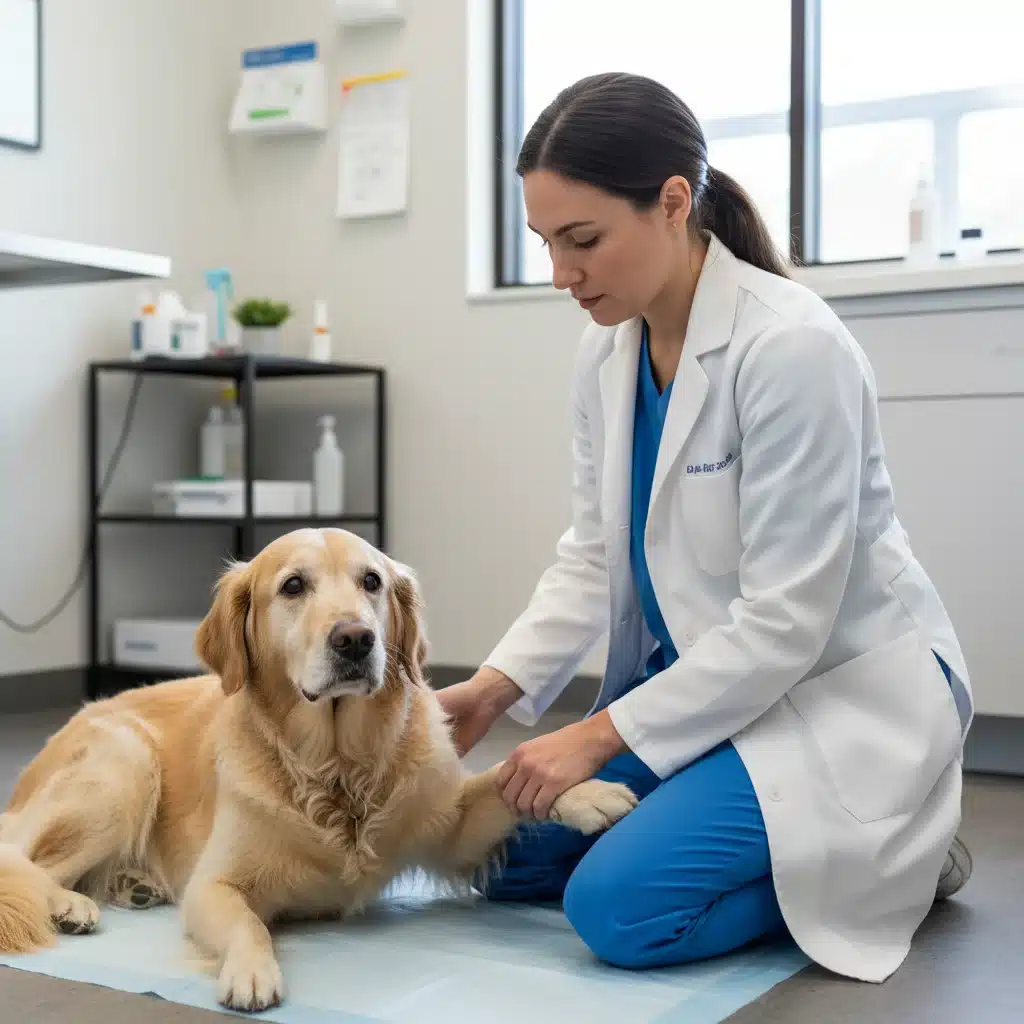
A proper diagnosis from a veterinarian will typically involve a physical examination, where they will assess your pet’s gait, palpate their joints for swelling or pain, and evaluate their range of motion. X-rays are often used to confirm osteoarthritis and assess the severity of joint degeneration. In some cases, blood tests or other diagnostic imaging like MRI might be recommended to rule out other conditions. Understanding the specific nature and extent of your pet’s joint issues is the bedrock upon which an effective treatment plan for senior pet mobility can be built. Early diagnosis and intervention are key to slowing the progression of the disease and maximizing your pet’s comfort and function.
The Six-Month Mobility Improvement Plan: A Holistic Approach
Achieving a 30% improvement in your senior pet’s mobility within six months requires a multifaceted, consistent, and personalized approach. This isn’t about a single magic bullet, but rather a combination of strategies working in synergy. Our plan focuses on five key pillars: veterinary intervention, nutritional adjustments, targeted exercise, supportive therapies, and environmental modifications. Each pillar plays a vital role in managing senior pet joint pain and enhancing their overall well-being.
Pillar 1: Veterinary Intervention and Medical Management
Your veterinarian is your primary partner in this journey. They will help formulate a tailored medical plan to manage pain and inflammation. Non-steroidal anti-inflammatory drugs (NSAIDs) are commonly prescribed for their effectiveness in reducing pain and swelling. Newer medications specifically designed for canine and feline osteoarthritis are also available, offering novel mechanisms of action and potentially fewer side effects. These might include monoclonal antibody injections that target nerve growth factor, a key mediator of pain, or other pain-relieving drugs that can be used in conjunction with NSAIDs or as alternatives.
Beyond daily medications, your vet might recommend disease-modifying osteoarthritis drugs (DMOADs), such as polysulfated glycosaminoglycans (PSGAGs), which can help protect cartilage and improve joint fluid quality. For severe cases, or when other treatments aren’t sufficient, more advanced interventions like joint injections (e.g., corticosteroids or hyaluronic acid) or even surgical options might be discussed. These decisions are always made in close consultation with your vet, considering your pet’s specific condition, age, and overall health. Regular check-ups every 3-6 months are crucial to monitor progress, adjust dosages, and explore new treatments as they become available. Consistent veterinary oversight is non-negotiable for improving senior pet mobility.
Pillar 2: Nutritional Adjustments and Weight Management
One of the most impactful changes you can make for a senior pet with joint pain is managing their weight. Excess weight puts enormous strain on already compromised joints, exacerbating pain and accelerating cartilage degradation. Even a few extra pounds can make a significant difference. Your veterinarian can help you determine your pet’s ideal weight and recommend a suitable weight loss plan. This typically involves reducing calorie intake and increasing appropriate, low-impact exercise.
Dietary choices also play a crucial role. Many senior pet foods are formulated with joint health in mind, containing higher levels of omega-3 fatty acids (EPA and DHA), glucosamine, and chondroitin sulfate. Omega-3s are powerful natural anti-inflammatories, while glucosamine and chondroitin are building blocks for cartilage and joint fluid. Look for foods specifically labeled for senior pets or those with joint support. If your pet is on a regular diet, supplements can bridge nutritional gaps. We’ll delve deeper into supplements shortly, but remember that diet forms the bedrock of good health and is a cornerstone for improving senior pet mobility.
Portion control is key. Use a measuring cup and stick to recommended daily amounts. Avoid table scraps and high-calorie treats. Opt for healthy, low-calorie alternatives if you need to give treats. Sometimes, simply switching to a senior-specific diet can provide the necessary nutrient balance and calorie reduction to support weight management and joint health. A lighter pet is a happier, more mobile pet.
Pillar 3: Targeted Exercise and Physical Activity
While it might seem counterintuitive to exercise a pet with joint pain, appropriate, low-impact activity is vital for maintaining muscle mass, joint flexibility, and overall fitness. Inactivity leads to muscle atrophy, which further destabilizes joints and worsens mobility. The key is ‘targeted’ and ‘low-impact.’
- Short, Frequent Walks: Instead of one long walk, opt for several shorter walks throughout the day. This keeps joints lubricated without over-stressing them.
- Leash Walking on Soft Surfaces: Walk on grass, dirt paths, or sand rather than pavement, which is harder on joints.
- Swimming: This is an excellent non-weight-bearing exercise that builds muscle and range of motion without joint impact. Many pet rehabilitation centers offer hydrotherapy.
- Gentle Range-of-Motion Exercises: Your vet or a certified rehabilitation therapist can show you how to gently flex and extend your pet’s joints to maintain flexibility.
- Avoid High-Impact Activities: Discontinue activities that involve jumping, running, or sudden stops and starts.
Always listen to your pet. If they show signs of pain or fatigue, stop and rest. The goal is consistent, gentle movement, not strenuous activity. Consistency is far more important than intensity when it comes to improving senior pet mobility through exercise. Start slow and gradually increase duration as your pet’s comfort and strength improve. A structured exercise plan, often developed with a vet or a canine rehabilitation specialist, is ideal.
Pillar 4: Supportive Therapies and Complementary Treatments
Beyond traditional medicine, a range of supportive therapies can significantly enhance senior pet mobility and reduce pain. These often work synergistically with medical treatments.
- Physical Rehabilitation (Physiotherapy): A rapidly growing field in veterinary medicine, physical rehabilitation offers a variety of techniques including therapeutic exercises, massage, stretching, balance work, and specialized equipment like underwater treadmills. A certified canine rehabilitation therapist can develop a personalized program.
- Acupuncture: This ancient Chinese practice involves inserting thin needles into specific points on the body to stimulate nerve function, reduce pain, and promote healing. Many pets tolerate acupuncture well, and it can be very effective for chronic pain.
- Laser Therapy (Photobiomodulation): Low-level laser therapy uses specific wavelengths of light to reduce pain and inflammation, accelerate tissue healing, and improve circulation. It’s non-invasive and often very comforting for pets.
- Massage: Gentle massage can improve circulation, reduce muscle tension around painful joints, and provide comfort. Learning basic massage techniques from a professional can be very beneficial.
- Chiropractic Care: Veterinary chiropractors can address misalignments in the spine and other joints, which can contribute to overall discomfort and affect senior pet mobility.
These therapies are not replacements for veterinary medical care but powerful adjuncts that can accelerate recovery and improve quality of life. Discuss these options with your veterinarian to determine which ones are most appropriate for your pet’s specific needs and condition.
Pillar 5: Environmental Modifications for Enhanced Comfort
Making simple adjustments to your home environment can dramatically improve your senior pet’s comfort, safety, and ability to navigate their surroundings. These changes reduce strain on painful joints and prevent further injury.
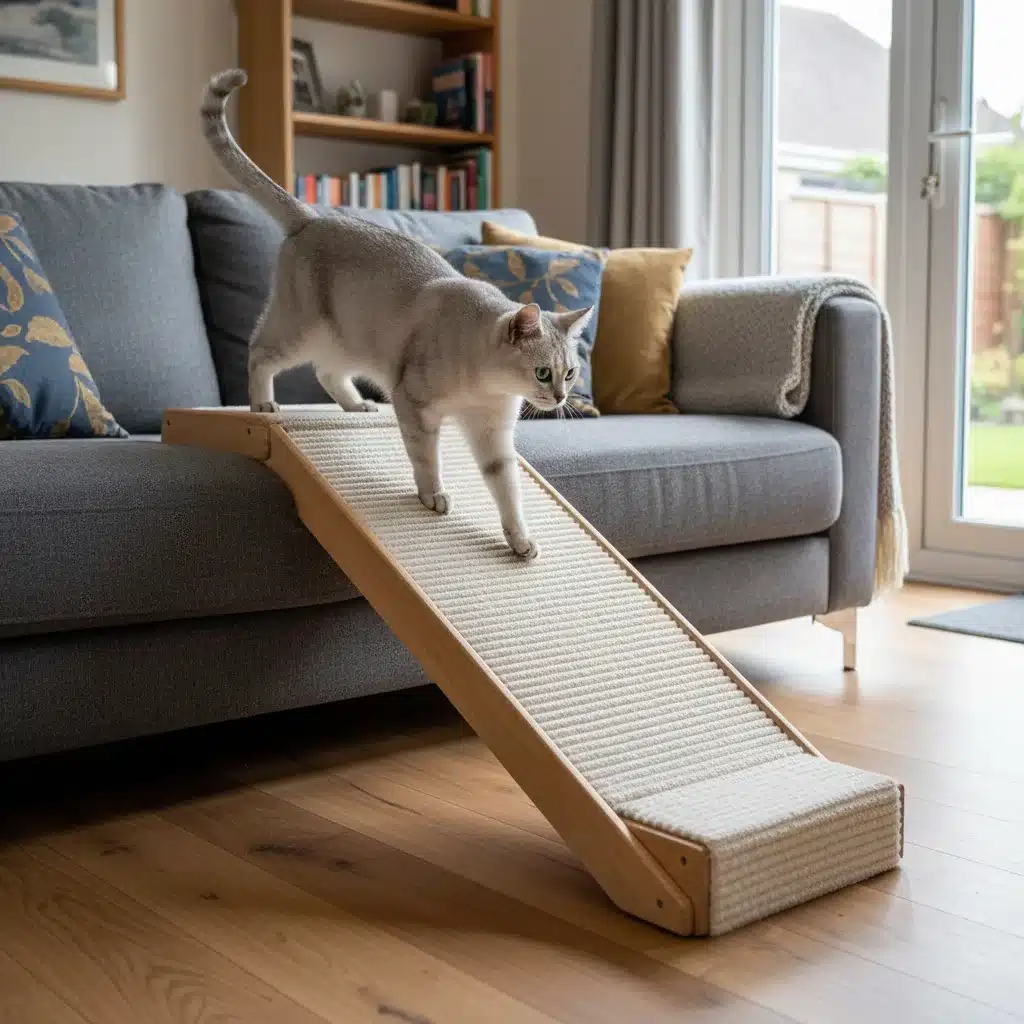
- Ramps or Steps: Provide ramps or pet stairs for accessing furniture (beds, sofas) or getting into and out of cars. This eliminates the need for painful jumping.
- Non-Slip Flooring: Hardwood, tile, and laminate floors can be treacherous for pets with compromised mobility. Lay down rugs, carpet runners, or yoga mats in high-traffic areas to provide traction.
- Orthopedic Beds: Invest in a high-quality orthopedic bed with memory foam or supportive cushioning. These beds evenly distribute weight, reduce pressure points, and provide better support for aging joints. Place them in easily accessible, warm spots.
- Elevated Food and Water Bowls: Raising food and water bowls can make eating and drinking more comfortable, especially for larger breeds or pets with neck or back pain.
- Easy Access to Outdoors: Ensure your pet has easy, safe access to the yard for potty breaks. Consider adding a pet door or ensuring a clear, non-slippery path.
- Warmth: Provide warm sleeping areas, especially in colder climates. Heated pet beds or blankets can soothe aching joints.
- Grooming Aids: Consider specialized grooming tools that reduce the need for your pet to stand for long periods, or seek professional groomers experienced with senior pets.
These modifications create a more accessible and comfortable world for your senior pet, significantly contributing to their overall well-being and supporting improved senior pet mobility. Regularly assess your home from your pet’s perspective to identify areas where improvements can be made.
The Role of Supplements in Senior Pet Mobility
Supplements can play a supportive role in managing senior pet joint pain, often working best when combined with other treatments. It’s crucial to discuss any supplements with your veterinarian before introducing them, as some can interact with medications or may not be appropriate for all pets.
- Glucosamine and Chondroitin Sulfate: These are probably the most well-known joint supplements. They are natural components of healthy cartilage and joint fluid. Supplementation aims to support cartilage repair, reduce further breakdown, and improve joint lubrication. Look for products with veterinary approval and quality sourcing.
- Omega-3 Fatty Acids (EPA & DHA): Derived from fish oil, these fatty acids are potent natural anti-inflammatories. They can help reduce joint inflammation and pain, complementing the effects of NSAIDs. Ensure the product has been tested for purity and heavy metals.
- MSM (Methylsulfonylmethane): An organic sulfur compound with anti-inflammatory and pain-relieving properties. It’s often combined with glucosamine and chondroitin in joint formulas.
- Green-Lipped Mussel (GLM): A natural source of omega-3s, glucosamine, chondroitin, and other beneficial nutrients. It has strong anti-inflammatory effects.
- CBD (Cannabidiol): While research is ongoing, many pet owners and some veterinarians report positive results with CBD for pain management and reducing anxiety in pets. It’s essential to use pet-specific, high-quality CBD products from reputable manufacturers and discuss dosing with your vet.
- Antioxidants: Vitamin E, Vitamin C, and other antioxidants can help combat oxidative stress in the joints, which contributes to inflammation and cartilage damage.
The effectiveness of supplements can vary between individual pets. It often takes several weeks or even months to see noticeable results. Consistency is vital. Choose reputable brands that provide third-party testing to ensure product quality and accurate labeling. Always prioritize supplements recommended or approved by your veterinarian to ensure safety and efficacy for your senior pet mobility plan.
Monitoring Progress and Adjusting the Plan
Achieving a 30% improvement in senior pet mobility is a journey that requires careful monitoring and periodic adjustments. How do you measure progress? It’s not always about a numerical scale, but rather observing tangible improvements in your pet’s daily life.
- Daily Activity Logs: Keep a journal. Note when your pet seems more active, less stiff, or more willing to engage in certain movements. Track the duration of walks, ease of getting up, and overall demeanor.
- Video Recordings: Occasionally record your pet’s movement (e.g., walking, getting up from a rest) for comparison. This can provide objective evidence of improvement over time, especially when shared with your vet.
- Veterinary Re-evaluations: Regular follow-up appointments with your vet are crucial. They will assess changes in gait, joint flexibility, and pain response. They might also use objective measures, like goniometry (measuring joint angles) or pressure-sensitive walkways, if available.
- Owner Feedback: Your observations are invaluable. Communicate any changes, positive or negative, to your vet.
If after a few months you’re not seeing the desired improvement, don’t get discouraged. This is the time to reassess the plan with your veterinarian. It might involve:
- Adjusting Medication Dosages: Pain medication might need to be increased or a different type tried.
- Adding New Therapies: Introducing a new supportive therapy like acupuncture or laser therapy if not already in use.
- Dietary Changes: Further refining the diet or exploring different joint support formulations.
- Environmental Tweaks: Identifying any overlooked aspects of the home environment that could be hindering progress.
Remember, the goal is continuous improvement and a better quality of life. The path to improved senior pet mobility is not always linear, but with dedication and a close partnership with your veterinary team, significant positive changes are well within reach.
Preventative Measures for Future Senior Pets
While this article focuses on managing existing joint pain, it’s worth noting that preventive measures can reduce the severity or delay the onset of joint issues in pets as they age. For pet owners with younger animals, consider these strategies from an early age:
- Maintain a Healthy Weight: This is arguably the most critical preventive measure. A lean body condition throughout a pet’s life significantly reduces stress on joints.
- Balanced Nutrition: Feed a high-quality, complete, and balanced diet appropriate for your pet’s life stage and breed size. Avoid overfeeding.
- Appropriate Exercise: Ensure regular, appropriate exercise that builds muscle and maintains joint health without over-stressing developing joints (especially in large breed puppies).
- Early Detection: Regular veterinary check-ups, even for young pets, can help identify subtle signs of orthopedic issues early on, allowing for timely intervention.
- Joint Supplements (Prophylactic): For breeds predisposed to joint problems (e.g., large dogs, certain purebreds), your vet might recommend starting joint supplements like glucosamine and chondroitin proactively, even before symptoms appear.
- Avoid High-Impact Activities in Youth: While puppies and young dogs are energetic, excessive jumping from heights or very intense, repetitive activities on hard surfaces can contribute to future joint problems.
By implementing these preventative strategies, you can lay a strong foundation for your pet’s long-term joint health, potentially mitigating the severity of senior pet joint pain and ensuring better senior pet mobility as they enter their golden years.
Conclusion: A Brighter Future for Senior Pet Mobility
Managing senior pet joint pain and improving their mobility by 30% in 6 months is an ambitious but entirely achievable goal with dedication and a comprehensive approach. We’ve explored the critical pillars of veterinary care, nutrition, targeted exercise, supportive therapies, and environmental modifications, each playing a vital role in enhancing your pet’s comfort and activity levels. Remember, your senior pet has given you years of unconditional love and companionship; now it’s our turn to provide them with the best possible care during their golden years. By understanding their needs, working closely with your veterinarian, and implementing these strategies consistently, you can significantly reduce their discomfort, restore their joy in movement, and help them live out their senior years with dignity and a renewed zest for life. The journey towards improved senior pet mobility is a testament to the enduring bond we share with our aging companions, ensuring their comfort and happiness every step of the way.