Optimal Pet Grooming Schedule: Coat Health & Shedding Reduction
The 3-Month Pet Grooming Schedule: Insider Tips for Maintaining Coat Health and Reducing Shedding in 2026
As devoted pet parents, we all want what’s best for our furry companions. Beyond nourishing meals and regular exercise, a consistent and effective pet grooming schedule is paramount to their overall health and happiness. A well-maintained coat isn’t just about aesthetics; it’s a vital barrier against environmental elements, a reflection of internal health, and a key factor in preventing skin issues, discomfort, and excessive shedding. In 2026, with an ever-growing understanding of pet wellness, optimizing your grooming routine has never been more important. This comprehensive guide will walk you through a detailed 3-month pet grooming schedule, offering insider tips and practical advice to ensure your beloved pet boasts a healthy, lustrous coat and minimal shedding.
Why a Consistent Pet Grooming Schedule Matters More Than You Think
Before diving into the specifics of a 3-month plan, let’s understand the profound impact a regular pet grooming schedule has on your pet’s well-being. Many pet owners view grooming as an occasional chore, but it’s a fundamental aspect of preventative care. Neglecting grooming can lead to a cascade of problems, from painful matting and skin infections to an increase in allergens within your home due to uncontrolled shedding.
Beyond the Brush: The Holistic Benefits of Grooming
- Skin and Coat Health: Regular brushing distributes natural oils, keeping the coat shiny and healthy, and the skin moisturized. It also removes dead hair, dirt, and debris that can irritate the skin.
- Shedding Reduction: Consistent grooming, especially de-shedding, significantly reduces the amount of loose hair found on your furniture and clothes. This is a major benefit for both pet and owner.
- Early Detection of Health Issues: Grooming sessions provide an excellent opportunity to inspect your pet’s skin for lumps, bumps, parasites, rashes, or unusual sensitivities that might indicate underlying health problems.
- Improved Hygiene: Cleaning ears, trimming nails, and bathing prevent infections, discomfort, and potential injuries.
- Bonding and Socialization: Grooming can be a positive bonding experience, strengthening the relationship between you and your pet. It also helps pets become more accustomed to handling, which is beneficial for vet visits.
- Temperature Regulation: For double-coated breeds, proper grooming helps maintain the insulating properties of their coat, keeping them warm in winter and cool in summer.
Understanding these benefits underscores the importance of integrating a structured pet grooming schedule into your pet care routine. It’s an investment in their long-term health and your mutual happiness.
Understanding Your Pet’s Unique Grooming Needs
There’s no one-size-fits-all approach to a pet grooming schedule. Different breeds, coat types, activity levels, and even individual health conditions dictate varying grooming requirements. Before establishing your 3-month plan, take a moment to consider your pet’s specific needs.
Factors Influencing Your Pet Grooming Schedule:
- Breed: A Poodle’s grooming needs are vastly different from a Labrador’s. Long-haired, double-coated, and wire-haired breeds generally require more frequent and specialized attention.
- Coat Type:
- Short-haired: (e.g., Beagles, Boxers) Minimal brushing, occasional bathing.
- Long-haired: (e.g., Shih Tzus, Afghan Hounds) Daily brushing to prevent mats, regular trimming.
- Double-coated: (e.g., Huskies, German Shepherds) Seasonal heavy shedding, requires de-shedding tools. Never shave a double-coated dog unless medically necessary.
- Wire-haired: (e.g., Terriers) Requires hand-stripping or regular clipping.
- Curly/Wavy: (e.g., Poodles, Bichon Frise) Prone to matting, requires frequent brushing and professional clipping.
- Activity Level: Active pets, especially those who enjoy rolling in mud or swimming, will naturally require more frequent bathing and cleaning.
- Age: Puppies and senior pets may have more sensitive skin or require gentler grooming techniques.
- Health Conditions: Pets with skin allergies or certain medical conditions may need specialized shampoos or more frequent inspections.
- Seasonal Changes: Most pets shed more during spring and fall. Your pet grooming schedule should adapt to these seasonal changes, with increased de-shedding during peak shedding seasons.
By understanding these variables, you can tailor the general 3-month pet grooming schedule to perfectly suit your individual pet, ensuring optimal results and comfort.
The Comprehensive 3-Month Pet Grooming Schedule: A Detailed Breakdown
This detailed pet grooming schedule is designed to be a robust framework. Remember to adjust frequencies based on your pet’s specific needs, as discussed above. We’ll break it down into monthly focuses, with weekly and daily tasks integrated.
Month 1: Establishing the Foundation and De-Shedding Focus
The first month of your pet grooming schedule is crucial for setting routines and thoroughly addressing any existing shedding or matting issues. This is often the most intensive period, especially if your pet hasn’t had a consistent grooming routine.
Weekly Tasks (Month 1):
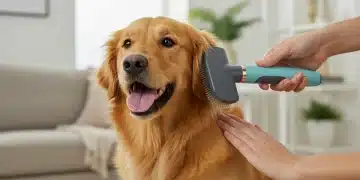
- Brushing (2-3 times a week, or daily for long-haired/double-coated breeds): This is the cornerstone of any good pet grooming schedule. Use the appropriate brush for your pet’s coat type (e.g., slicker brush for de-matting, pin brush for longer coats, rubber curry brush for short coats, de-shedding tool for double coats). Focus on removing loose hair, dirt, and preventing tangles.
- Ear Check (Once a week): Gently lift your pet’s ears and check for redness, odor, discharge, or excessive wax. Clean the outer ear canal with a vet-approved ear cleaner and cotton ball (never use cotton swabs deep inside the ear).
- Dental Care (2-3 times a week): Brushing your pet’s teeth is vital for preventing periodontal disease. Use pet-specific toothpaste and a toothbrush. If brushing is challenging, consider dental wipes, water additives, or dental chews as supplements.
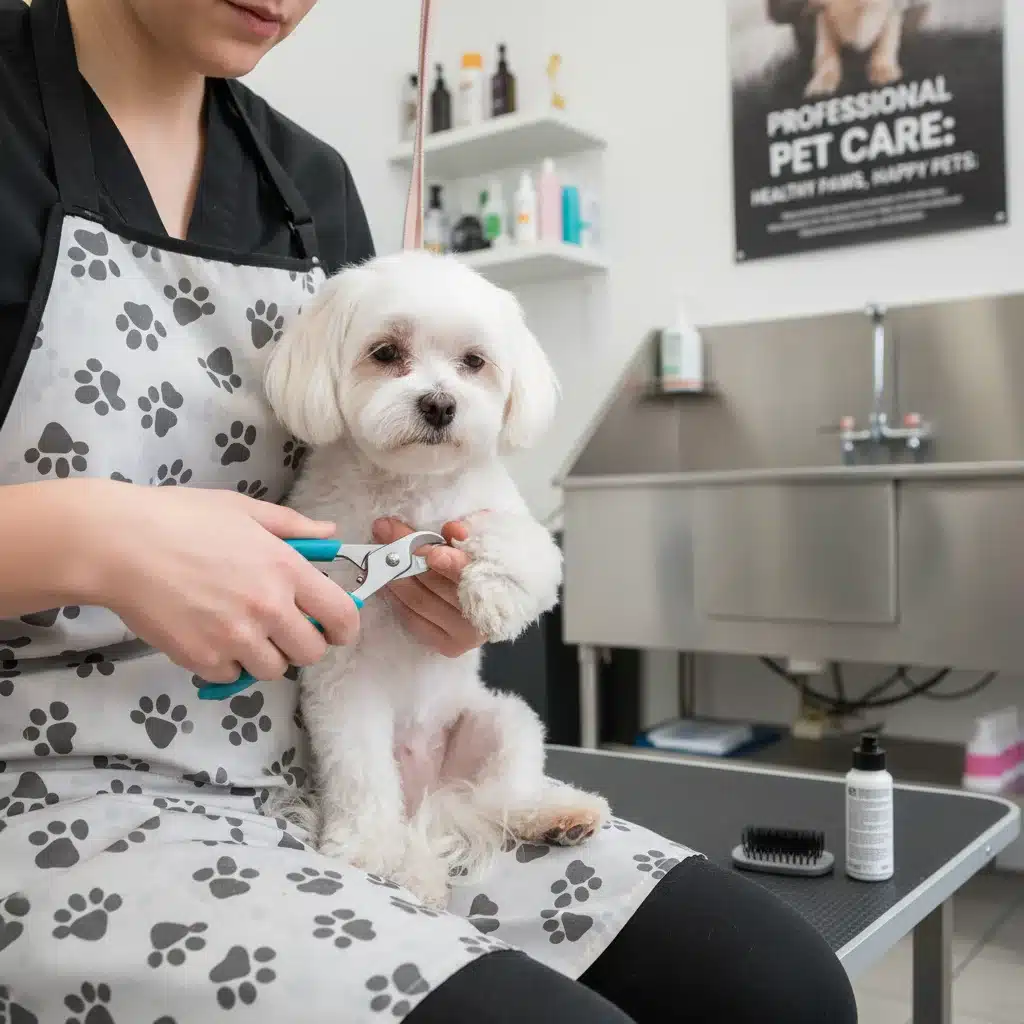
- Paw and Nail Check (Once a week): Inspect paws for cuts, foreign objects, or irritation between the pads. Check nails and trim if necessary. Overgrown nails can cause pain and lead to paw deformities.
- Eye Area Clean-up (As needed): For breeds prone to tear stains, gently wipe the area around the eyes with a damp cloth or pet-safe eye wipes.
Monthly Tasks (Month 1):
- Bathing (Once a month, or as needed): Use a pet-specific shampoo and conditioner. Ensure you rinse thoroughly to prevent skin irritation. For pets with specific skin conditions, your vet might recommend a medicated shampoo.
- Full Body Inspection: Beyond just brushing, run your hands over your pet’s entire body, checking for any new lumps, bumps, skin lesions, or parasites.
- Sanitary Trim (For long-haired breeds): Trim the fur around the private areas to maintain hygiene and prevent matting.
Month 2: Maintenance and Specialized Care
Month two of your pet grooming schedule shifts towards maintaining the progress made in month one and focusing on specific areas that might need more attention, such as nail health and deeper coat conditioning.
Weekly Tasks (Month 2):
- Brushing (2-3 times a week, or daily for long-haired/double-coated breeds): Continue consistent brushing. If your pet is a heavy shedder, increase de-shedding sessions to three times a week.
- Ear Check (Once a week): Maintain vigilance for ear hygiene.
- Dental Care (2-3 times a week): Consistency is key for dental health.
- Paw and Nail Trim (Once a week, or as needed): Trim nails regularly to prevent overgrowth. If you’re uncomfortable doing this, a professional groomer or vet can assist.
Monthly Tasks (Month 2):
- Professional Grooming Session (Optional but recommended for certain breeds): For breeds requiring specialized cuts, hand-stripping, or extensive de-matting, a professional groomer can provide expert care. Discuss your pet grooming schedule with them.
- Bathing (Once a month, or as needed): Continue with monthly baths.
- Deep Conditioning Treatment: Consider a leave-in conditioner or a deeper conditioning mask during your bath to further enhance coat health and reduce static, especially for long-haired pets.
- Anal Gland Check (For some dogs): For dogs prone to anal gland issues, your vet or groomer might recommend regular expression. This is not typically a DIY task.
Month 3: Reinforcement and Prevention
The third month of your pet grooming schedule is about reinforcing good habits and focusing on preventative measures. By now, your pet should be accustomed to the routine, and you should be seeing significant improvements in coat health and shedding management.
Weekly Tasks (Month 3):
- Brushing (2-3 times a week, or daily for long-haired/double-coated breeds): Continue the regular brushing routine to maintain a healthy coat and minimize shedding.
- Ear Check (Once a week): Regular checks help catch issues early.
- Dental Care (2-3 times a week): Consistent oral hygiene prevents plaque and tartar buildup.
- Paw and Nail Trim (Once a week, or as needed): Keep those nails at an optimal length.
Monthly Tasks (Month 3):
- Bathing (Once a month, or as needed): Maintain the bathing frequency.
- Flea and Tick Prevention Application: If using topical treatments, ensure they are applied according to the product’s schedule, which often aligns with monthly intervals.
- Review and Adjust: Take time to review your entire pet grooming schedule. What’s working well? What needs adjustment? Is your pet still shedding excessively? Are there any new skin sensitivities? This reflective step is crucial for long-term success.
Insider Tips for an Effective Pet Grooming Schedule
Beyond the routine, these insider tips will elevate your pet grooming schedule from good to excellent.
1. Invest in Quality Tools
The right tools make all the difference. Don’t skimp on brushes, combs, nail clippers, and shampoos. Research what’s best for your pet’s specific coat type. A good de-shedding tool (like a Furminator for appropriate coats) can drastically reduce shedding.
2. Start Young and Make it Positive
Introduce grooming to puppies and kittens early. Make it a positive experience with treats, praise, and gentle handling. This will create a positive association with grooming throughout their lives.
3. Consistency is Key
Sporadic grooming is far less effective than a consistent routine. Adhere to your pet grooming schedule as much as possible, even if it’s just a quick brush every day.
4. Don’t Forget the Undercoat
For double-coated breeds, it’s essential to get past the topcoat to address the dense undercoat. Mats often form in the undercoat, and proper de-shedding tools are designed for this purpose.
5. Address Mats Promptly
Small mats can quickly turn into large, painful tangles. Address them as soon as you find them. Use a de-matting comb or a mat splitter. If a mat is too severe, seek professional help rather than trying to cut it out yourself, which can lead to injury.
6. Nutrition Plays a Role
A high-quality diet rich in omega fatty acids (omega-3 and omega-6) contributes significantly to a healthy coat and skin, which in turn can reduce shedding and improve overall coat luster. Consider supplements if recommended by your vet.
7. Professional Help is Valuable
Don’t hesitate to consult a professional groomer or your veterinarian. They can offer advice, demonstrate proper techniques, and handle tasks you’re uncomfortable with (like anal gland expression or severe mat removal). A professional groomer can be an invaluable partner in maintaining your pet grooming schedule.
8. Be Patient and Gentle
Grooming should be a calm and relaxing experience. If your pet is resistant, break sessions into shorter intervals. Never force them or make it a stressful event, as this can create a lifelong aversion to grooming.
9. Monitor for Changes
During each grooming session, be observant. Any changes in your pet’s skin, coat, behavior, or body condition should be noted and, if concerning, discussed with your veterinarian.
Common Grooming Mistakes to Avoid
Even with the best intentions, some common mistakes can hinder your pet grooming schedule‘s effectiveness.
1. Shaving Double-Coated Breeds
Unless medically necessary (e.g., severe skin condition), never shave a double-coated dog. Their undercoat provides insulation against both heat and cold, and shaving can permanently damage their coat, leading to improper regrowth, sunburn, and heatstroke.
2. Using Human Products
Human shampoos and conditioners have different pH levels than pet products and can irritate your pet’s skin, leading to dryness, itchiness, or infections. Always use pet-specific products.
3. Incomplete Rinsing
Leaving shampoo residue on your pet’s coat can cause skin irritation, flakiness, and itching. Always rinse thoroughly until the water runs clear.
4. Ignoring Dental Hygiene
Dental disease is rampant in pets and can lead to serious systemic health issues. Neglecting dental care is a major oversight in any pet grooming schedule.
5. Neglecting Nail Trims
Overgrown nails can be incredibly painful, causing pets to shift their weight unnaturally, leading to joint problems and even arthritis over time. They can also snag and tear, causing injury.
Adapting Your Pet Grooming Schedule for Different Pet Types
While this guide focuses broadly on dogs and cats, it’s important to remember that exotic pets or even specific dog breeds will have unique needs. For instance:
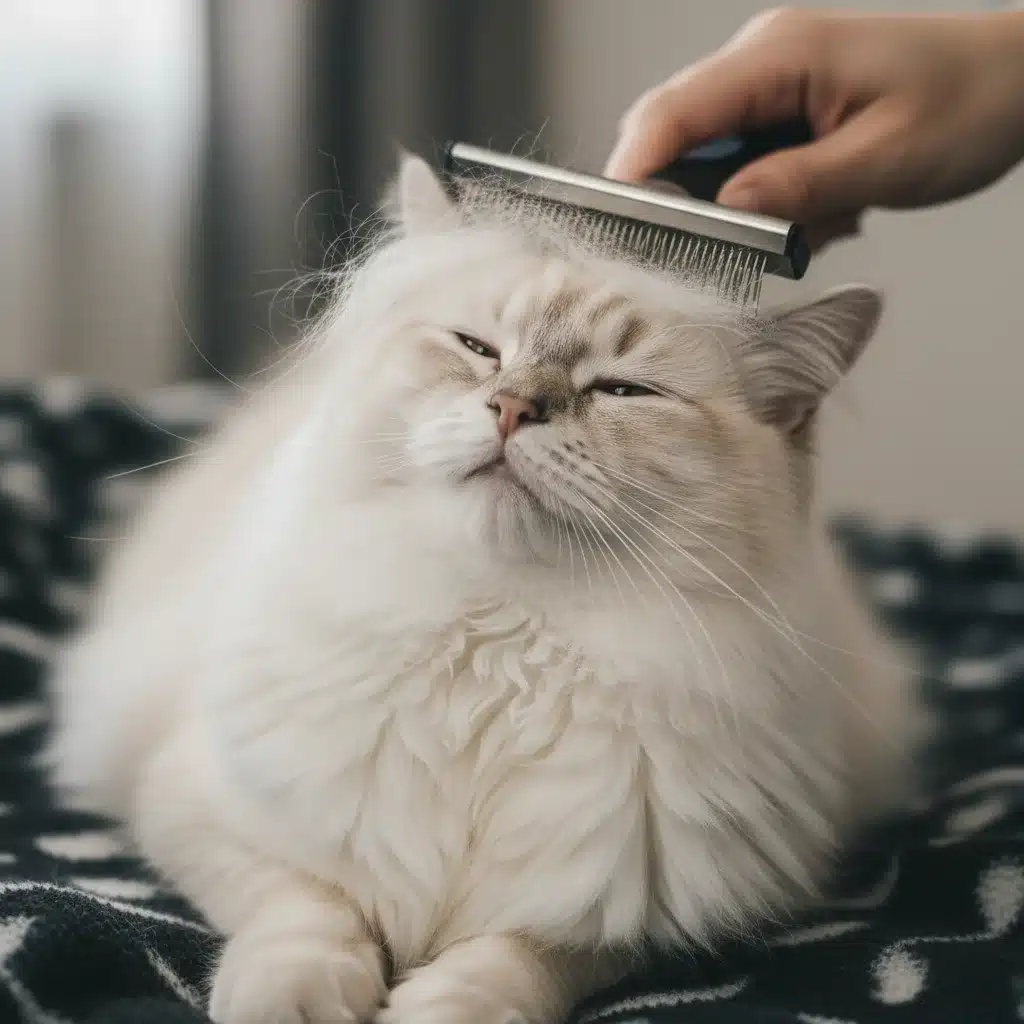
- Cats: Many cats are meticulous self-groomers, but long-haired breeds (like Persians or Maine Coons) still require regular brushing to prevent mats and hairballs. Even short-haired cats benefit from occasional brushing to reduce shedding.
- Rabbits: Require regular brushing, especially during shedding seasons, to prevent wool block (ingestion of too much fur). Nail trims are also crucial.
- Birds: Need regular misting/bathing opportunities, and some may require occasional nail or beak trims by an avian vet.
Always research the specific grooming needs of your particular pet species and breed to fine-tune your pet grooming schedule.
The Link Between Diet, Health, and Your Pet Grooming Schedule
It’s worth reiterating: what goes into your pet directly impacts what you see on the outside. A poor diet can manifest as a dull, dry, flaky coat, excessive shedding, and skin problems, making your grooming efforts less effective. Conversely, a high-quality, balanced diet provides the essential nutrients for a vibrant coat and healthy skin, reducing shedding and making grooming easier.
Key Nutrients for Coat Health:
- Omega Fatty Acids (3 & 6): Crucial for skin barrier function and coat sheen. Found in fish oil, flaxseed, and some specialized pet foods.
- Protein: Hair is primarily protein. A diet rich in high-quality protein is essential for strong, healthy hair growth.
- Vitamins and Minerals: Biotin, Zinc, Vitamin E, and other micronutrients play vital roles in skin and coat health.
Discuss your pet’s diet with your veterinarian to ensure it supports optimal coat health, complementing your diligent pet grooming schedule.
Conclusion: A Lifetime of Health and Happiness Through Grooming
Establishing and consistently adhering to a well-structured pet grooming schedule is one of the most loving and responsible things you can do for your animal companion. It’s not merely about keeping them looking good; it’s about preventative healthcare, comfort, and strengthening the unique bond you share. By following this 3-month guide, adapting it to your pet’s individual needs, and incorporating the insider tips, you’ll be well on your way to ensuring your pet enjoys a lifetime of magnificent coat health, minimal shedding, and overall well-being. Make grooming a positive, regular part of your routine, and both you and your furry friend will reap the rewards for years to come.