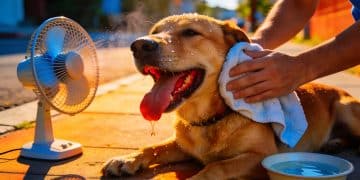
Preventing Pet Heatstroke: 6 Critical Warning Signs and Immediate Actions for Summer 2026
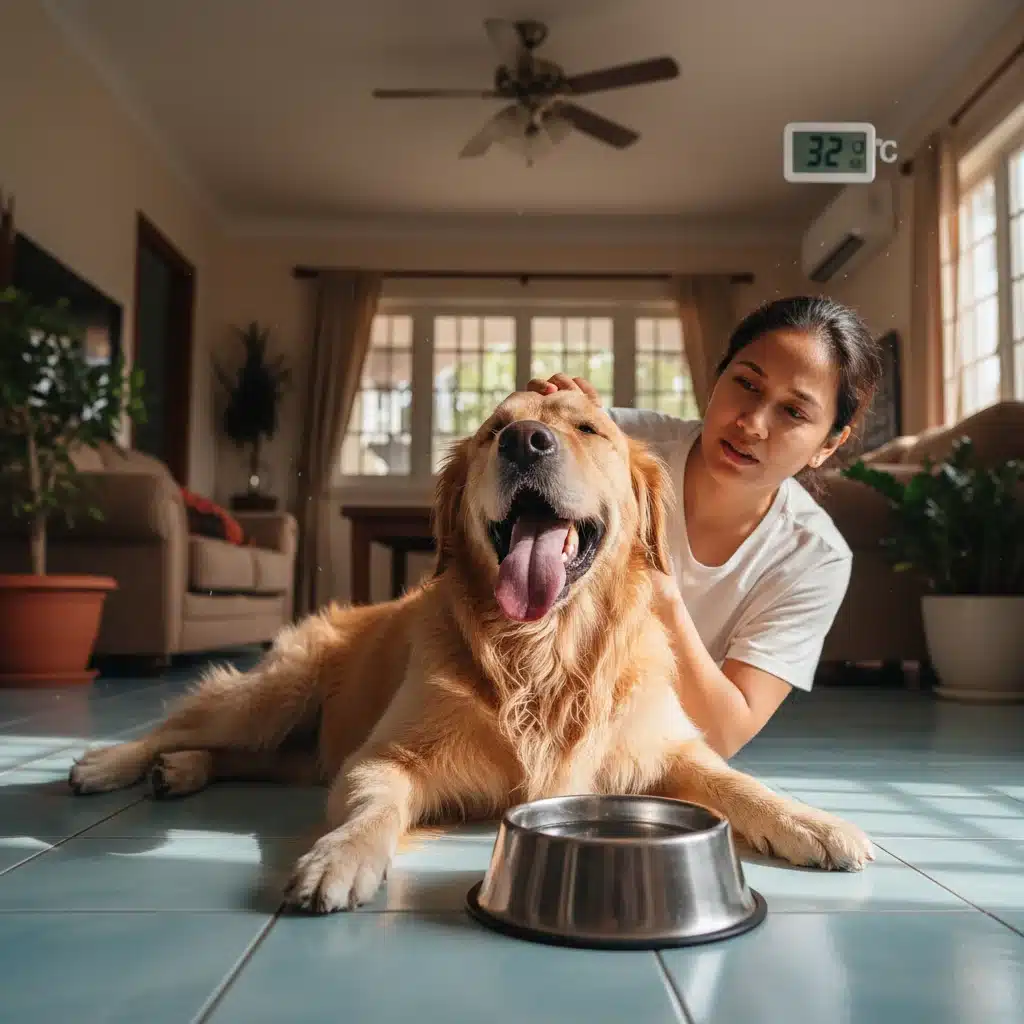
Summer 2026 is on its way, bringing with it glorious sunshine, outdoor adventures, and unfortunately, a significant risk for our beloved pets: heatstroke. As pet owners, our primary responsibility is to ensure the safety and well-being of our furry companions. Understanding and preventing pet heatstroke is not just important; it’s absolutely crucial. This comprehensive guide will delve into the critical aspects of pet heatstroke prevention, equipping you with the knowledge to recognize the warning signs and take immediate, life-saving actions.
Heatstroke, also known as hyperthermia, is a serious and potentially fatal condition where a pet’s body temperature rises to dangerous levels, exceeding its ability to regulate itself. Unlike humans, who sweat efficiently through their skin, dogs primarily cool themselves by panting, and cats through panting, sweating through their paw pads, and grooming. When environmental temperatures are too high or pets exert themselves excessively in hot conditions, these natural cooling mechanisms become insufficient, leading to heatstroke. This condition can cause organ damage, brain swelling, and even death if not addressed promptly.
The good news is that pet heatstroke is largely preventable. By being vigilant, understanding the risks, and knowing what to do, you can ensure your pet enjoys a safe and happy summer. This article will cover the top six critical warning signs of heatstroke, immediate first aid steps, and comprehensive prevention strategies to keep your pet cool and healthy through Summer 2026 and beyond.
Understanding the Dangers: Why Pets Are Susceptible to Heatstroke
Before we dive into pet heatstroke prevention, it’s essential to grasp why certain pets are more vulnerable and what factors contribute to this dangerous condition. Several elements can increase a pet’s risk of developing heatstroke:
Breed Predisposition
Brachycephalic (short-nosed) breeds, such as Bulldogs, Pugs, Boxers, and Persian cats, are particularly susceptible. Their shortened airways make it difficult for them to pant effectively, which is their primary cooling mechanism. This anatomical limitation significantly impairs their ability to regulate body temperature, making them high-risk candidates for heatstroke, even in moderately warm weather.
Age and Health Conditions
Very young puppies and kittens, as well as senior pets, often have compromised thermoregulation systems, making them less able to cope with heat. Pets with underlying health issues like heart disease, obesity, respiratory problems, or neurological disorders are also at a higher risk. Obesity, for instance, acts as an insulating layer, trapping heat within the body and making it harder for the pet to cool down.
Lack of Acclimatization
Pets that are not accustomed to hot weather are more likely to suffer from heatstroke. If a pet suddenly experiences a significant increase in temperature without a gradual adjustment period, their body may not be prepared to handle the heat effectively. This is especially true for pets traveling from cooler climates to warmer ones.
Environmental Factors
High humidity exacerbates the risk of heatstroke. When the air is saturated with moisture, evaporation of moisture from a pet’s mouth and respiratory tract (through panting) becomes less efficient, hindering their ability to cool down. Lack of shade, insufficient access to fresh water, and confinement in poorly ventilated areas (like parked cars) are also major environmental culprits.
Overexertion
Vigorous exercise during hot weather is a leading cause of pet heatstroke. Even a short walk or play session can be dangerous when temperatures soar. Pets, especially dogs, often push themselves to please their owners and may not show signs of discomfort until it’s too late. Owners must be proactive in limiting activity during peak heat hours.
6 Critical Warning Signs of Pet Heatstroke
Early detection is paramount in pet heatstroke prevention and treatment. Knowing these warning signs can literally save your pet’s life. Be vigilant and look out for any of the following symptoms:
1. Excessive Panting and Difficulty Breathing
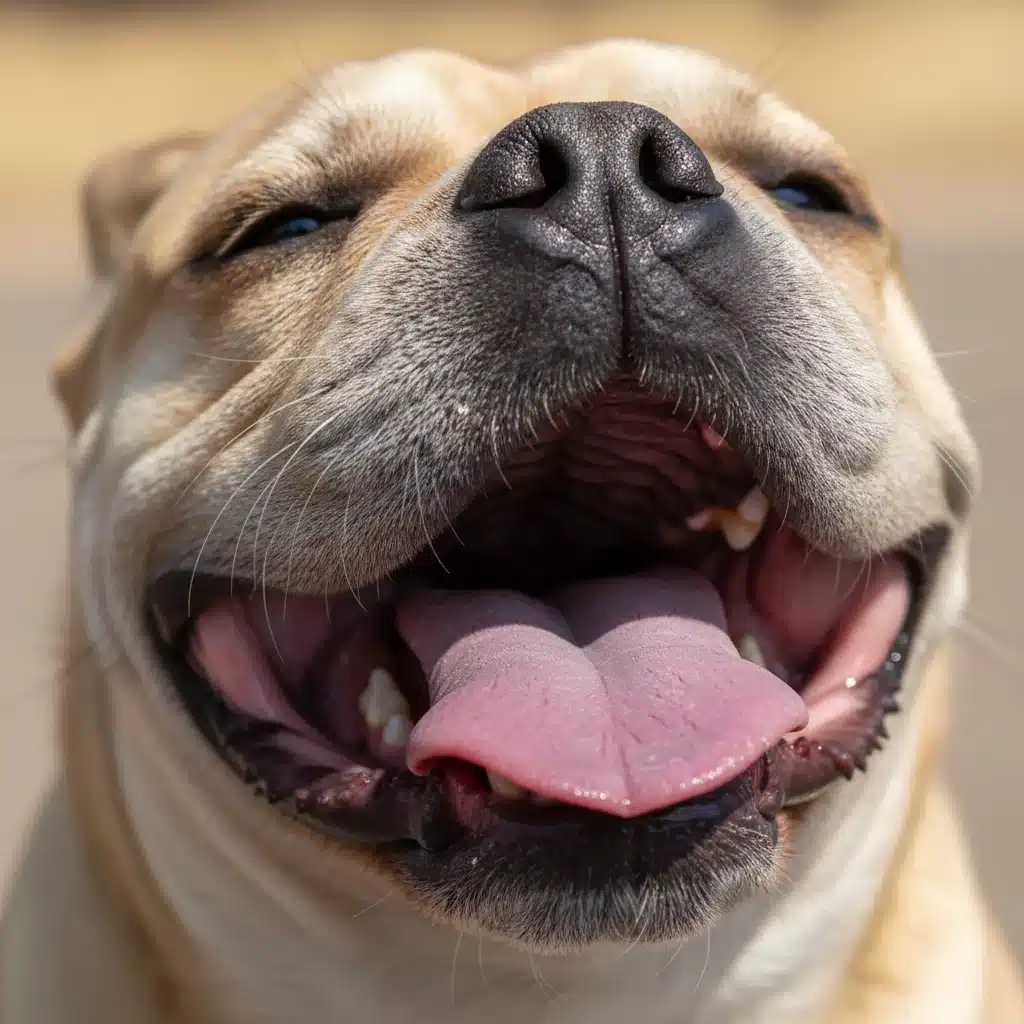
While panting is a normal cooling mechanism for dogs, excessive, rapid, and labored panting that seems out of proportion to their activity level or the ambient temperature is a red flag. In cats, panting is less common and almost always a sign of distress, including heatstroke. Look for deep, noisy breaths, often accompanied by drooling.
2. Bright Red Gums and Tongue
One of the most telling signs of heatstroke is a change in mucous membrane color. Healthy gums are typically pink. If your pet’s gums and tongue appear bright red, almost scarlet, it indicates increased blood flow as the body tries to dissipate heat. As heatstroke progresses, gums can become pale or even bluish (cyanotic) due to oxygen deprivation, which is a critical emergency.
3. Vomiting and Diarrhea
Gastrointestinal upset, including vomiting and diarrhea (which may be bloody), is a common symptom as the pet’s internal organs start to shut down due to extreme heat. This is a severe sign and indicates that the heatstroke has progressed to a dangerous stage. The pet may also appear bloated or have abdominal pain.
4. Weakness, Stumbling, or Collapse
As the body struggles to cope with rising temperatures, pets may become disoriented, wobbly, and uncoordinated. They might stumble, struggle to stand, or even collapse. This is due to the impact of heat on the brain and nervous system, leading to neurological dysfunction. Seizures can also occur in advanced stages.
5. Excessive Thirst and Glazed Eyes
Pets suffering from heatstroke will often show an intense thirst as their body attempts to rehydrate and cool itself. Their eyes may appear glazed over or unfocused, indicating confusion and distress. They might also appear restless and unable to settle down.
6. Elevated Body Temperature
While this requires a rectal thermometer, an internal body temperature above 104°F (40°C) is a definitive sign of heatstroke. Normal pet body temperature ranges from 100°F to 102.5°F (37.8°C to 39.2°C). If you suspect heatstroke and have a pet thermometer, carefully take their temperature. Do not rely on touch, as a pet’s fur can mask their true internal temperature.
Immediate Actions: What to Do if You Suspect Pet Heatstroke
If you observe any of the warning signs of heatstroke, immediate action is critical. Every minute counts. Follow these steps while simultaneously preparing to transport your pet to the nearest emergency veterinary clinic:
Step 1: Move Your Pet to a Cooler Environment
The very first thing to do is get your pet out of the heat. Move them into an air-conditioned room, a shady spot, or near a fan. Do not delay this step. Even a slight reduction in ambient temperature can make a difference.
Step 2: Start Cooling Your Pet Down
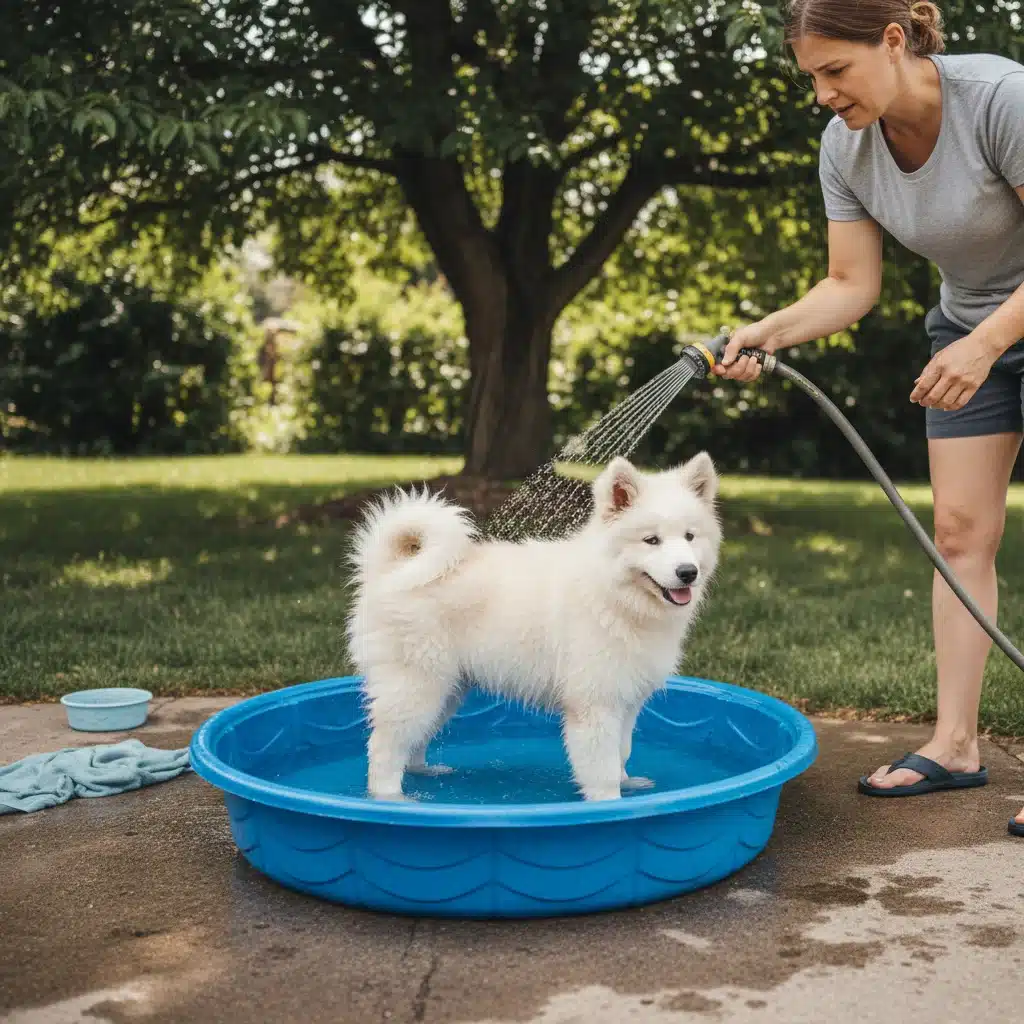
Begin cooling your pet’s body immediately. Use cool (not ice-cold) water. Ice-cold water can cause blood vessels to constrict, which can hinder heat dissipation and even lead to shock. Focus on areas with less fur and good blood flow:
- Wet their fur: Use a hose with a gentle stream, wet towels, or a sponge to apply cool water to their body, especially their head, neck, armpits, and groin area.
- Fan them: If available, use a fan to blow air over their wet fur. The evaporation of water will help cool them down.
- Cool compresses: Apply cool, wet compresses to their paw pads.
- Avoid submersion: Do not submerge a severely affected pet in water, as this can make it difficult for them to breathe and regulate their temperature.
Step 3: Offer Small Amounts of Water
If your pet is conscious and able to swallow, offer small amounts of cool water to drink. Do not force them to drink, as this could lead to choking. If they are vomiting or disoriented, do not offer water by mouth.
Step 4: Monitor Body Temperature (If Possible)
If you have a rectal thermometer, take your pet’s temperature every 5-10 minutes. Stop active cooling once their temperature drops to 103°F (39.4°C) to prevent hypothermia. However, continue heading to the vet even if their temperature has normalized.
Step 5: Seek Veterinary Attention IMMEDIATELY
Even if your pet appears to recover after initial cooling, it is absolutely vital to get them to a veterinarian as soon as possible. Heatstroke can cause internal organ damage that may not be immediately apparent. A vet can assess for complications like kidney failure, liver damage, brain swelling, and disseminated intravascular coagulation (DIC), a severe bleeding disorder. Early veterinary intervention significantly improves the prognosis.
Comprehensive Strategies for Pet Heatstroke Prevention in Summer 2026
The best approach to heatstroke is always prevention. By implementing these strategies, you can significantly reduce your pet’s risk during the warmer months:
1. Never Leave Pets in Parked Cars
This cannot be stressed enough. The temperature inside a car can rise to deadly levels in minutes, even on a moderately warm day with windows cracked. It is never safe, even for a short period. This is the single most common cause of fatal heatstroke in pets. Always take your pet with you or leave them at home.
2. Provide Ample Fresh Water
Ensure your pet always has access to fresh, cool water. If you’re out and about, carry a portable water bowl and a bottle of water for them. At home, place multiple water bowls in different locations and consider adding ice cubes to keep the water cool.
3. Limit Exercise During Peak Heat
Adjust your pet’s exercise schedule to cooler parts of the day, typically early morning or late evening. Avoid strenuous activities during the hottest hours (usually between 10 AM and 4 PM). Consider less intense activities like swimming (if your pet is a good swimmer and supervised) or indoor play.
4. Ensure Access to Shade and Cool Spaces
If your pet spends time outdoors, make sure they have constant access to shade, whether from trees, an awning, or an umbrella. Indoors, ensure they have access to air-conditioned rooms or areas with fans. Cooling mats or elevated beds can also provide relief.
5. Consider Cooling Accessories
For pets prone to overheating, consider cooling vests, bandanas, or mats. These products use evaporative cooling or gel technology to help maintain a lower body temperature. Always ensure they are used correctly and are not restrictive.
6. Protect Paw Pads from Hot Surfaces
Pavement, asphalt, and sand can become incredibly hot, reaching temperatures that can burn your pet’s paw pads. If it’s too hot for your bare hand, it’s too hot for their paws. Walk your pet on grass, dirt trails, or during cooler times of the day. Paw booties can also offer protection.
7. Grooming and Haircuts
While a thick coat can act as insulation against both heat and cold, some pets, especially those with very dense undercoats, may benefit from a professional trim. However, never shave a double-coated breed down to the skin, as their coats provide protection from sunburn and help regulate temperature. Consult with your groomer or vet for appropriate summer grooming for your specific breed.
8. Be Mindful of Humidity
High humidity makes it much harder for pets to cool down, even if the air temperature isn’t excessively high. On humid days, take extra precautions and reduce outdoor activity even more. Pay close attention to your pet’s breathing and energy levels.
9. Know Your Pet’s Limits
Every pet is an individual. Some breeds, like those mentioned earlier, are inherently more sensitive to heat. Older pets, very young pets, and those with health conditions will have lower heat tolerances. Be aware of your pet’s specific needs and limitations, and adjust your summer routine accordingly.
Living with Brachycephalic (Short-Nosed) Breeds in Summer
For owners of Pugs, Bulldogs, Boxers, and similar breeds, pet heatstroke prevention requires even greater vigilance. Their unique anatomy makes them extremely vulnerable. Here are additional tips for these special companions:
- Strictly limit outdoor time: Even short walks in moderate heat can be dangerous. Consider indoor exercise or very brief potty breaks during the coolest parts of the day.
- Maintain a cool indoor environment: Air conditioning is often a necessity for these breeds during summer.
- Monitor breathing constantly: Any signs of labored breathing, loud snoring, or excessive panting should prompt immediate action.
- Avoid excitement: High excitement can lead to increased body temperature. Keep them calm and relaxed during hot weather.
- Consult your vet: Discuss specific heat management strategies with your veterinarian, especially if your pet has a history of respiratory issues.
The Importance of Hydration Beyond Water Bowls
While fresh water is crucial, you can also boost your pet’s hydration through their diet and other means:
- Wet food: If your pet eats dry kibble, consider incorporating some wet food into their diet during summer, as it has a higher moisture content.
- Broth or ice cubes: Offer pet-safe, low-sodium chicken or beef broth (ensure no onions or garlic) as a treat or mixed with water. Plain ice cubes can also be a fun and hydrating snack.
- Frozen treats: Make homemade frozen treats using pet-safe ingredients like pureed fruit (e.g., banana, watermelon without seeds), plain yogurt, or broth.
Creating a Summer Safety Plan for Your Pet
A proactive approach is the best defense against heatstroke. Consider creating a summer safety plan that includes:
- Emergency contact information: Keep your vet’s number, the nearest emergency vet clinic’s number, and the ASPCA Animal Poison Control Center number (if in the US) readily accessible.
- First aid kit: Assemble a pet first aid kit that includes a rectal thermometer, cool compresses, and a small cooling towel.
- Designated cool zones: Identify the coolest areas in your home where your pet can retreat.
- Travel plans: If you’re traveling, research pet-friendly accommodations and ensure your pet will have access to a cool environment at all times.
- Educate family members: Make sure everyone in your household understands the risks of heatstroke and knows the warning signs and immediate actions.
Conclusion: A Safe Summer for Every Pet
As we look forward to Summer 2026, let’s commit to making it a safe and enjoyable season for our pets. Pet heatstroke prevention is a serious responsibility that requires awareness, vigilance, and prompt action. By understanding the risk factors, recognizing the six critical warning signs – excessive panting, bright red gums, vomiting/diarrhea, weakness, glazed eyes, and elevated body temperature – and knowing the immediate steps to take, you can protect your furry family members from this life-threatening condition.
Remember, if you suspect heatstroke, act quickly: move your pet to a cool area, begin cooling them with cool water, offer small amounts of water if conscious, and most importantly, get them to a veterinarian immediately. Your proactive care and attention are the best defense against heatstroke, ensuring many happy, healthy summers for you and your beloved companion.