Smart Pet Doors 2026: Security, Weatherproofing, and Innovation for US Homes
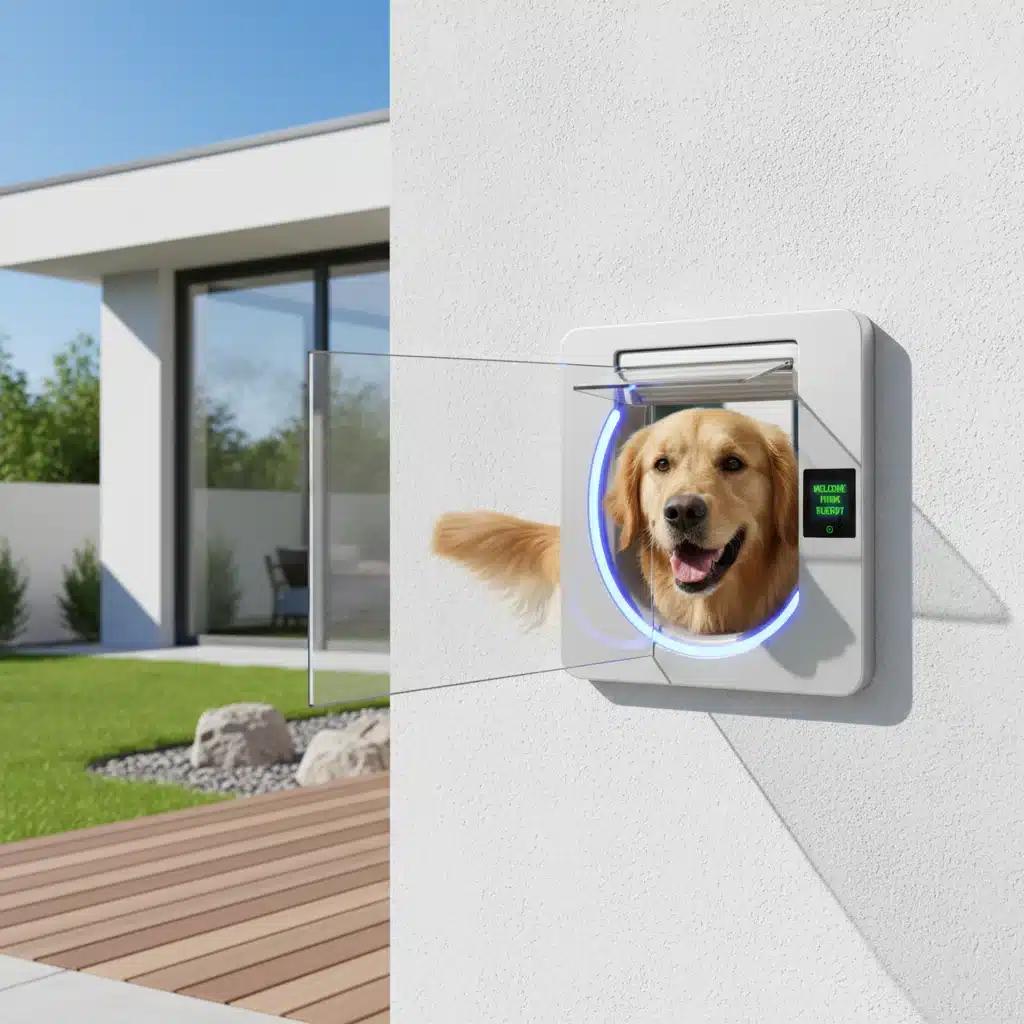
In the evolving landscape of smart home technology, our beloved pets are not being left behind. The year 2026 marks a significant leap forward in smart pet door innovation, offering homeowners in the US unparalleled convenience, enhanced security, and superior weatherproofing. Gone are the days of simple, drafty flaps. Today’s smart pet doors are sophisticated devices, integrating seamlessly into our connected lives and providing peace of mind for pet owners. This comprehensive review delves into the cutting-edge features that define the best smart pet doors of 2026, focusing on the critical aspects of security and weatherproofing that are paramount for any US household.
The demand for smart home solutions continues to surge, and pet care products are at the forefront of this revolution. With an increasing number of households owning pets, the desire for solutions that enhance their well-being while maintaining home integrity has never been stronger. Smart pet doors address a fundamental need: allowing pets the freedom to access the outdoors while preventing unwanted intruders and maintaining indoor climate control. This article will guide you through the intricacies of selecting the perfect Smart Pet Doors for your home, ensuring both your furry companions and your property are well-protected.
The Evolution of Smart Pet Doors: Beyond the Basic Flap
For decades, pet doors were rudimentary openings, often compromising home security and energy efficiency. The advent of smart technology has transformed these simple portals into intelligent gateways. Modern Smart Pet Doors utilize a variety of technologies, from RFID (Radio-Frequency Identification) and microchip readers to sophisticated motion sensors and even facial recognition, to ensure only authorized pets can enter or exit. This evolution is driven by a consumer desire for greater control, convenience, and, most importantly, enhanced security.
Key Technological Advancements in 2026
- Biometric Authentication: While still nascent, some high-end models are experimenting with paw print or even facial recognition for ultimate security, limiting access to specific pets.
- Integrated AI and Machine Learning: Smart pet doors are beginning to learn pet habits, optimizing access times and even detecting unusual behavior.
- Seamless Smart Home Integration: Compatibility with popular smart home ecosystems like Amazon Alexa, Google Home, and Apple HomeKit is now standard, allowing for voice control, remote monitoring, and automation.
- Energy Efficiency Optimization: Advanced sensors detect environmental conditions, automatically adjusting door settings to minimize heat loss or gain.
Understanding these advancements is crucial for making an informed decision. The market for Smart Pet Doors is diverse, catering to various pet sizes, home types, and budget considerations. Our focus will remain on the core attributes that benefit every homeowner: robust security and effective weatherproofing.
Unpacking Security: Protecting Your Home from Unwanted Guests
One of the primary concerns for homeowners considering a pet door has always been security. Traditional pet doors were often seen as vulnerabilities, potential entry points for pests or even human intruders. Smart Pet Doors of 2026 have largely mitigated these concerns through innovative security features.
Advanced Access Control Mechanisms
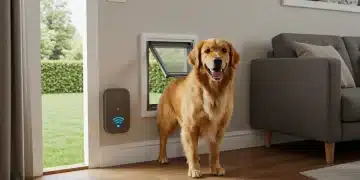
The cornerstone of smart pet door security lies in its access control. Unlike manual flaps, smart doors only open for your authorized pets.
RFID and Microchip Readers
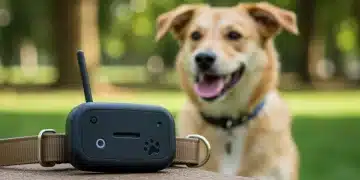
The most common and reliable method involves RFID technology or direct microchip reading. Your pet wears a small RFID tag on their collar, or the door reads their existing implanted microchip. When the pet approaches, the door verifies their identity and unlocks. This prevents stray animals, wildlife, or even neighborhood pets from entering your home. The sophistication of these readers has improved, offering faster detection and greater reliability in 2026 models.
- Benefits: Highly secure, no need for batteries on the pet’s side (for microchip readers), prevents unauthorized animal entry.
- Considerations: RFID tags can be lost or damaged; microchip reading requires careful installation and calibration.
Smart Sensors and Motion Detection
Beyond identification, smart pet doors employ an array of sensors. Motion sensors detect an approaching pet, initiating the identification process. Some advanced systems differentiate between pets and other objects, reducing false positives. Infrared sensors can detect body heat, adding another layer of verification.
Robust Locking Mechanisms
Once closed, the security of a smart pet door relies heavily on its locking mechanism. Modern doors feature multi-point locking systems, similar to those found in human-sized entry doors. These locks are often motorized and engage automatically once the pet has passed through or after a set period. They are designed to withstand tampering and forced entry attempts.
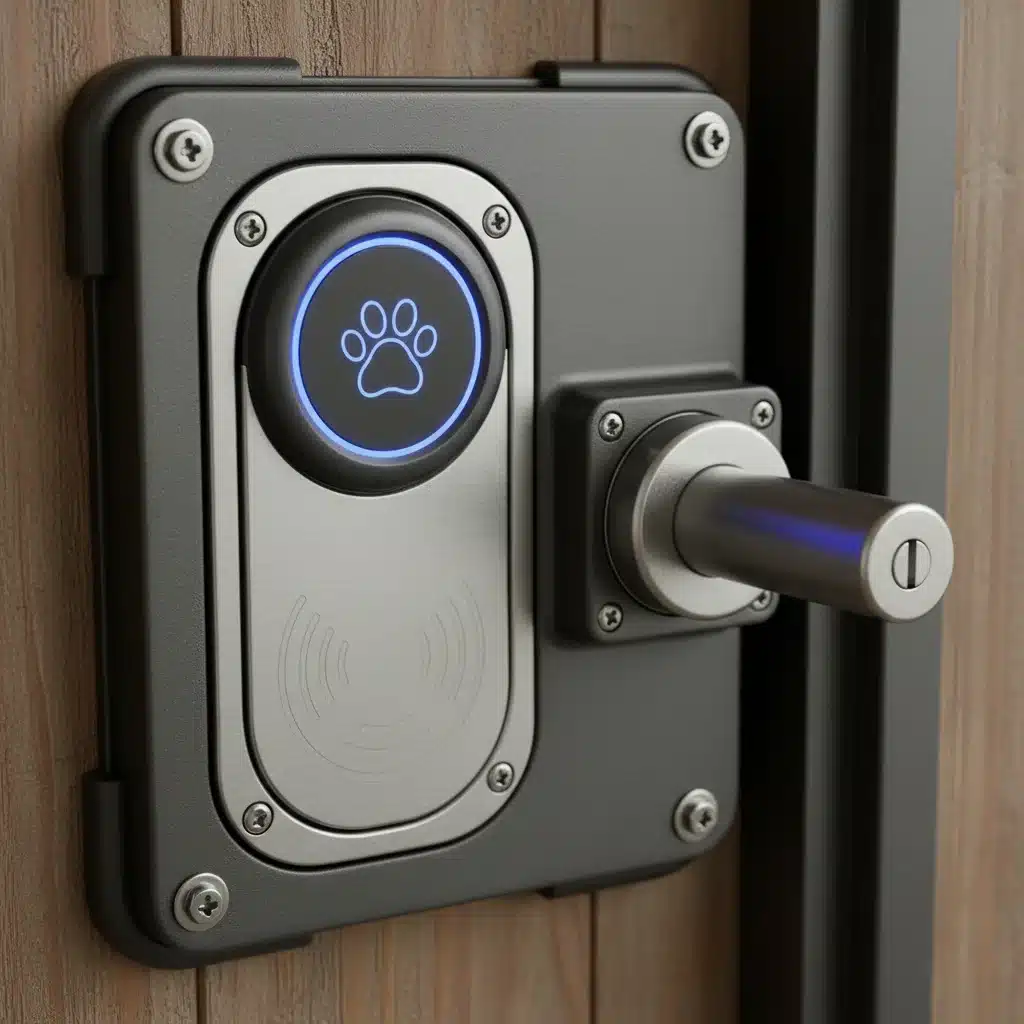
The materials used in the door frame and flap also contribute significantly to security. High-grade plastics, reinforced aluminum, and even steel components are common in premium Smart Pet Doors, making them resistant to damage and prying. Furthermore, many models include anti-jemmy features and reinforced hinges to deter intruders.
Remote Monitoring and Control
For the ultimate peace of mind, many Smart Pet Doors integrate with smartphone applications. This allows homeowners to:
- Monitor Pet Activity: Track when your pet enters and exits, providing insights into their daily routines.
- Receive Alerts: Get notifications if an unregistered animal attempts to use the door or if the door remains open for an unusual duration.
- Remotely Lock/Unlock: Manually control the door from anywhere, which is particularly useful if you need to keep your pet indoors during a storm or an unexpected event.
- View Live Camera Feeds: Some advanced models include integrated cameras, allowing you to see who (or what) is at your pet door.
These remote capabilities transform a simple pet door into an active security component of your smart home ecosystem. In 2026, the integration of these features is more streamlined and user-friendly than ever before, making it easier for pet owners to stay connected and informed.
Mastering Weatherproofing: Keeping the Elements Out
Beyond security, weatherproofing is a critical consideration for any pet door, especially in the diverse climates found across the US. A poorly insulated or sealed pet door can lead to significant energy loss, increased utility bills, and uncomfortable drafts. Smart Pet Doors of 2026 excel in this area, employing innovative designs and materials to maintain your home’s internal climate.
Advanced Sealing Technologies
The primary challenge in weatherproofing a pet door is creating a tight seal around the opening. Manufacturers have developed several effective solutions:
Multi-Flap Systems
Instead of a single flap, many smart pet doors now feature two or even three flaps. These create a series of air pockets, acting as an insulating barrier. The flaps are often made from durable, flexible materials that can withstand extreme temperatures without cracking or becoming brittle.
Magnetic and Brush Seals
Powerful magnetic strips embedded in the flaps and frame ensure a tight, secure closure after your pet passes through. These magnets pull the flaps together, preventing drafts and moisture ingress. Additionally, brush seals lining the edges of the opening reduce air infiltration around the pet’s body as they move through the door.
Insulated Panels and Frames
The entire pet door unit, including the frame and the flaps themselves, often incorporates insulating materials. This might include foam cores within the flaps or thermal breaks in the frame construction, minimizing heat transfer. High-quality materials like UV-resistant plastics and insulated aluminum frames prevent warping and degradation due to sun exposure or extreme temperatures.
Automatic Climate Control Features
Some advanced Smart Pet Doors go a step further by integrating with your home’s HVAC system or having their own climate sensors. These doors can:
- Detect Extreme Weather: Automatically lock and seal tightly if outdoor temperatures drop below a certain threshold or if heavy rain/wind is detected.
- Adjust Flap Settings: For instance, a door might reduce the gap between flaps or increase magnetic force during a storm.
- Provide Internal Heating/Cooling: While rare, some ultra-premium models may feature small, localized heating elements around the opening to prevent cold air from entering during winter.
These intelligent features ensure that your home remains comfortable and energy-efficient, regardless of external weather conditions. This is particularly important for homeowners in regions with harsh winters or scorching summers.
Installation and Integration: A Seamless Experience
The best Smart Pet Doors are not only feature-rich but also designed for relatively straightforward installation and seamless integration into existing home structures and smart home systems.
Types of Installation
- Door Installation: Replacing a section of an existing exterior door. This requires precise cutting and careful sealing.
- Wall Installation: Building a tunnel through an exterior wall. This is often preferred for larger pets or specific aesthetic requirements, but it’s a more complex installation.
- Sliding Glass Door Panels: Pre-fabricated panels that fit into the track of a sliding glass door, offering a less invasive installation option.
- Window Installation: Similar to sliding door panels, these fit into window frames.
For optimal security and weatherproofing, professional installation is highly recommended, especially for wall or door installations. This ensures proper sealing, structural integrity, and correct calibration of electronic components.
Smart Home Ecosystem Integration
As mentioned, compatibility with major smart home platforms is a significant advantage. This allows you to manage your pet door alongside your smart lights, thermostats, security cameras, and other devices from a single app or voice command. Look for doors that support open standards or have direct integrations with the platforms you already use.
- IFTTT (If This Then That) Compatibility: Many smart pet doors support IFTTT, allowing for custom automation. For example, ‘If my pet exits, then lock the smart door and turn off the indoor lights.’
- API Access: Some manufacturers provide APIs for advanced users or custom home automation systems, offering unparalleled flexibility.
The goal is to create a cohesive smart home environment where your pet door operates harmoniously with other systems, enhancing both convenience and security.
Choosing the Right Smart Pet Door for Your US Home
With so many options available in 2026, selecting the ideal Smart Pet Door can seem daunting. Here’s a checklist of factors to consider:
- Pet Size and Breed: Ensure the door opening is appropriate for your pet’s dimensions. Consider if they are still growing.
- Security Needs: Evaluate your neighborhood, local wildlife, and personal security concerns. Do you need basic RFID or advanced biometric features?
- Climate and Weather: Regions with extreme temperatures or frequent storms will benefit from higher-grade weatherproofing.
- Installation Type: Determine where you want to install the door (wall, door, window) and if you’re comfortable with DIY or prefer professional installation.
- Smart Home Compatibility: Check if the door integrates with your existing smart home hub or preferred ecosystem.
- Power Source: Most smart pet doors require a power outlet. Consider battery backup options for power outages.
- Durability and Materials: Look for high-quality, weather-resistant materials that will stand the test of time.
- Budget: Smart Pet Doors range widely in price. Determine your budget but remember that investing in better security and weatherproofing can save money in the long run.
- Reviews and Reputation: Research user reviews and manufacturer reputation for reliability and customer support.
It’s also wise to consider the long-term maintenance. Are replacement parts readily available? Is the software regularly updated? These questions can save future headaches.
The Future of Smart Pet Doors: What’s Next?
The trajectory of Smart Pet Doors suggests even more sophisticated features on the horizon. We can anticipate:
- Enhanced AI for Pet Health Monitoring: Doors that can track your pet’s weight, gait, or even detect changes in their activity patterns, alerting you to potential health issues.
- Integrated Pest Deterrence: Ultrasonic emitters or other non-harmful technologies to deter small pests from lingering around the door opening.
- Modular Designs: Doors with interchangeable parts for easy upgrades or repairs, extending product lifespan.
- Sustainable Materials: A greater emphasis on eco-friendly and recycled materials in manufacturing.
- Augmented Reality Installation Guides: Using AR to simplify the installation process, guiding homeowners step-by-step.
These future innovations will undoubtedly make Smart Pet Doors even more integral to the smart, secure, and pet-friendly homes of tomorrow.
Conclusion: A Smart Investment for Pet Owners
The Smart Pet Doors available in 2026 represent a significant advancement in pet care and home living. By offering robust security features, advanced weatherproofing, and seamless integration with smart home ecosystems, these devices provide unparalleled convenience and peace of mind for US homeowners. No longer a mere luxury, a smart pet door is becoming an essential component for those who wish to grant their pets freedom while maintaining the integrity, security, and energy efficiency of their homes.
Investing in a high-quality smart pet door means investing in your pet’s well-being and your home’s security. Take the time to research the options, consider your specific needs, and choose a model that aligns with your lifestyle. The future of pet access is here, and it’s smarter, safer, and more efficient than ever before.