Daily Dental Care: 10-Minute Routine Prevents 80% Pet Gum Disease
Implementing a 10-minute daily pet dental care routine is crucial for preventing up to 80% of gum disease, ensuring your pet’s overall health and well-being through practical and consistent efforts.
Did you know that a staggering 80% of dogs and 70% of cats show signs of oral disease by age three? This alarming statistic highlights the critical need for proactive pet dental care. Fortunately, a simple, consistent daily pet dental care routine, taking as little as 10 minutes, can dramatically reduce these risks, preventing gum disease and ensuring your beloved companion lives a healthier, happier life. Let’s delve into practical solutions that can make a significant difference.
Understanding pet gum disease and its impact
Pet gum disease, also known as periodontal disease, is far more than just bad breath. It’s a progressive and painful condition that starts with plaque and tartar buildup on the teeth, leading to inflammation of the gums (gingivitis). If left untreated, this inflammation can spread below the gum line, destroying the supporting tissues and bone around the teeth.
The implications of gum disease extend beyond the mouth. Bacteria from infected gums can enter the bloodstream, traveling to major organs like the heart, kidneys, and liver, potentially causing serious systemic health issues. This makes understanding and preventing gum disease a cornerstone of comprehensive pet care, impacting longevity and quality of life.
The silent threat: progression and symptoms
Gum disease often progresses silently, with pets instinctively hiding their pain. Pet owners might not notice symptoms until the disease is quite advanced, making regular home care and veterinary check-ups essential. Early detection and intervention are key to managing this condition effectively.
- Bad breath (halitosis): One of the earliest and most common signs.
- Red, swollen, or bleeding gums: Indicates inflammation and infection.
- Difficulty eating or loss of appetite: Due to oral pain.
- Pawing at the mouth or excessive drooling: Signs of discomfort.
- Loose or missing teeth: Advanced stages of periodontal disease.
Recognizing these signs early can prompt timely veterinary attention, potentially saving your pet from significant discomfort and more invasive treatments. Regular visual checks of your pet’s mouth should become a routine part of your daily interactions.
The 10-minute daily pet dental care routine
Establishing a consistent, brief daily routine is the most effective way to combat pet gum disease. It doesn’t require extensive time or specialized skills, just dedication. The goal is to disrupt plaque formation and remove food particles before they harden into tartar, which can only be removed by professional cleaning.
This routine focuses on mechanical removal of debris and the use of supportive dental products. Consistency is far more important than intensity; a few minutes every day yield better results than sporadic, lengthy sessions. Let’s break down the components of this manageable daily commitment.
Brushing your pet’s teeth: the cornerstone of care
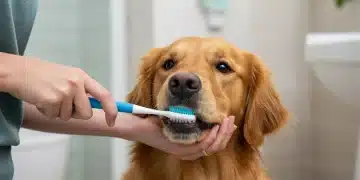
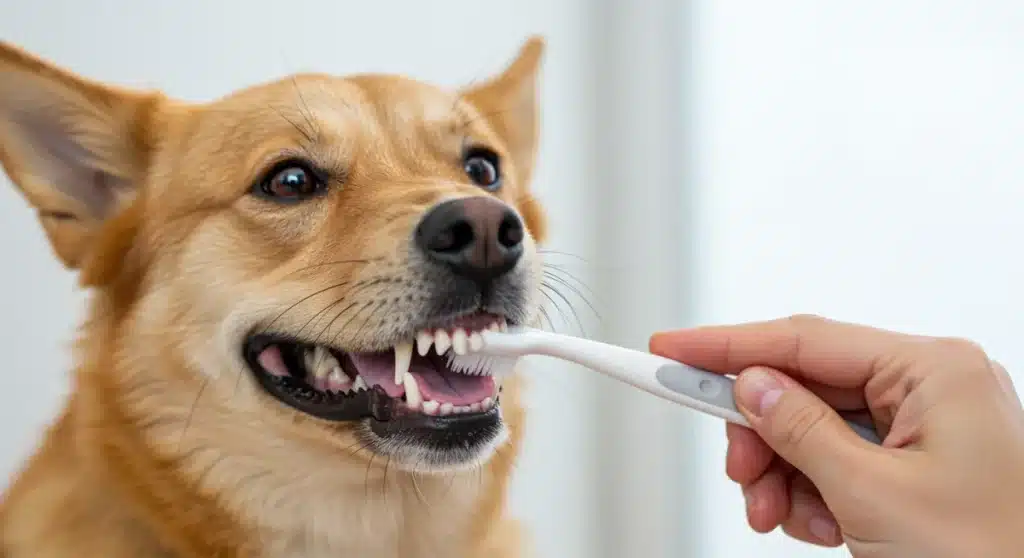
Brushing is the gold standard for pet dental hygiene. It mechanically removes plaque and food debris, preventing buildup. Start slowly, making it a positive experience for your pet with praise and treats. Use pet-specific toothpaste, as human toothpaste contains ingredients harmful to animals.
- Choose the right tools: A pet toothbrush or finger brush is ideal.
- Introduce gradually: Let your pet taste the toothpaste first, then gently introduce the brush.
- Focus on outer surfaces: Most plaque accumulates on the outside of the teeth.
- Short and frequent: Aim for 1-2 minutes daily, focusing on each tooth.
Even if you can only brush a few teeth effectively each day, that small effort contributes significantly to their overall oral health. Over time, most pets can become accustomed to the routine, especially if it’s introduced gently from a young age.
Beyond brushing: supplementary dental products
While brushing is paramount, several supplementary products can enhance your daily pet dental care routine, especially for pets resistant to brushing or to provide additional protection. These products work in various ways, from mechanical cleaning to chemical plaque reduction.
Integrating these into your pet’s daily life can provide a multi-faceted approach to oral hygiene, complementing your brushing efforts. Always look for products approved by veterinary dental health organizations, such as the Veterinary Oral Health Council (VOHC) seal of acceptance.
Dental chews and toys: a tasty approach
Dental chews and toys are designed to help reduce plaque and tartar through abrasive action as your pet chews them. They can be a fun and engaging way to support oral health, but it’s crucial to choose the right ones. Look for products specifically formulated for dental health, not just any chew toy.
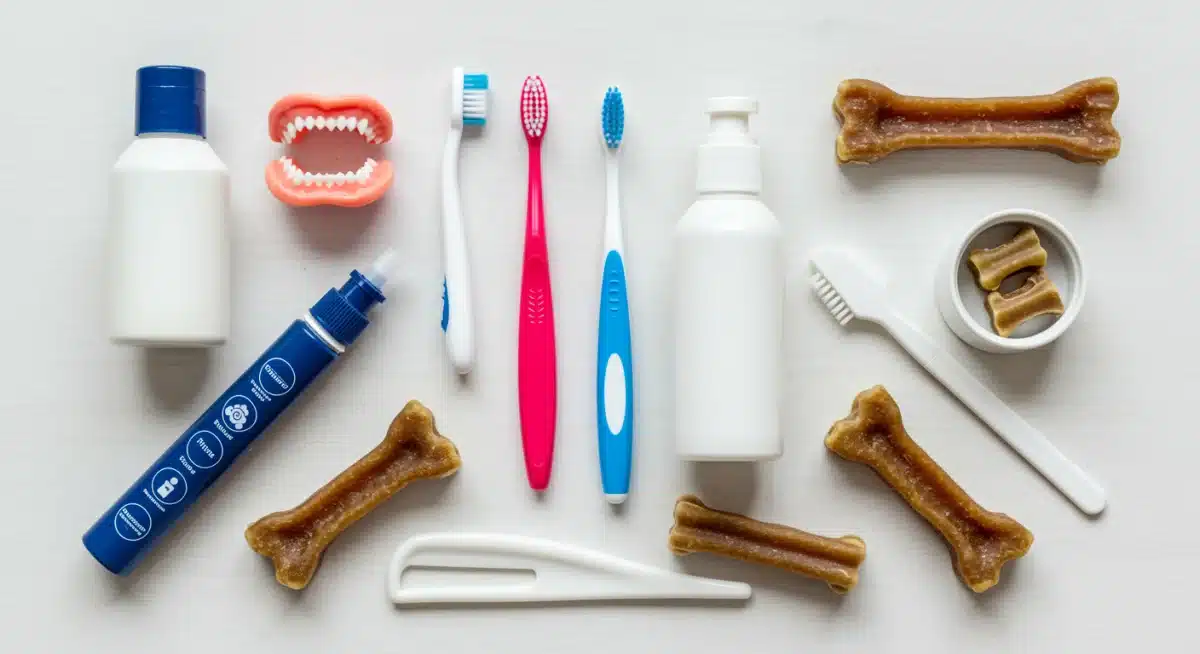
Ensure the size and hardness are appropriate for your pet to prevent choking or tooth fractures. While beneficial, these should always be considered supplemental and not a complete replacement for brushing.
Water additives and oral rinses: easy integration
Water additives and oral rinses offer a convenient way to improve your pet’s oral hygiene without direct application to the teeth. Water additives are simply added to your pet’s drinking water, releasing ingredients that help reduce bacteria and plaque. Oral rinses can be applied directly to the gums or mixed with water.
- Check for VOHC seal: Ensures efficacy and safety.
- Follow dosage instructions: Overuse can be ineffective or harmful.
- Monitor effectiveness: While easy, they may be less effective than brushing for significant plaque.
These solutions are particularly useful for pets who strongly resist brushing, providing a baseline level of dental support. However, for optimal results, combining them with some form of mechanical cleaning is always recommended.
Nutritional considerations for dental health
Diet plays a significant role in your pet’s overall dental health. While specialized dental diets aren’t a standalone solution, they can be a valuable component of a comprehensive daily pet dental care strategy. These diets are typically formulated with larger kibble sizes or unique fiber structures that encourage mechanical abrasion of the teeth as the pet chews.
The texture and composition of certain foods can help scrape away plaque from the tooth surface, reducing accumulation. However, it’s important to understand that not all dry kibble offers dental benefits; many regular kibbles can actually contribute to plaque buildup.
Choosing dental-specific diets
When considering a dental diet, look for formulations specifically designed to promote oral health. These often feature:
- Unique kibble structure: Larger or fibrous kibble that doesn’t crumble easily, allowing for a scrubbing action on the teeth.
- Specialized coatings: Ingredients that help prevent plaque adherence or tartar formation.
Consult with your veterinarian to determine if a dental-specific diet is appropriate for your pet’s individual needs and health status. They can recommend brands that have undergone rigorous testing and demonstrated efficacy in improving dental health.
The importance of regular veterinary dental check-ups
Even with the most diligent daily pet dental care routine at home, professional veterinary dental check-ups and cleanings are indispensable. Just like humans need regular dental visits, pets require professional attention to address issues that home care cannot resolve. These appointments allow veterinarians to assess the overall health of your pet’s mouth, identify early signs of disease, and perform thorough cleanings.
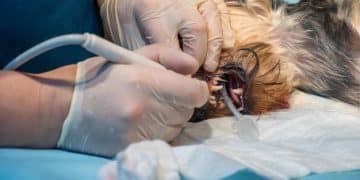
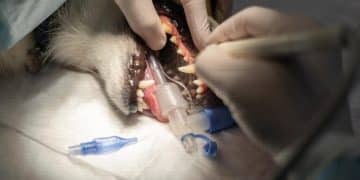
Professional cleanings, typically performed under anesthesia, allow the veterinarian to remove plaque and tartar from above and below the gum line, where most significant disease occurs. This comprehensive approach is critical for preventing advanced periodontal disease and addressing any existing problems.
What to expect during a professional dental cleaning
A professional dental cleaning involves several key steps to ensure your pet’s oral health is thoroughly addressed.
- Pre-anesthetic blood work: To ensure your pet is healthy enough for anesthesia.
- Anesthesia: Essential for a thorough and pain-free examination and cleaning.
- Oral examination: A detailed inspection of each tooth and the surrounding gums.
- Scaling: Removal of plaque and tartar using ultrasonic and hand instruments.
- Polishing: Smoothing the tooth surface to prevent future plaque adherence.
- Dental X-rays: To assess the health of the tooth roots and jawbone, identifying hidden problems.
- Extractions (if necessary): Removal of severely diseased or damaged teeth.
These regular veterinary interventions complement your home care efforts, creating a robust defense against gum disease and maintaining your pet’s oral and systemic health for years to come. Do not underestimate the value of these professional examinations.
Making pet dental care a positive experience
The success of your daily pet dental care routine hinges on making it a positive and stress-free experience for your pet. Forceful or unpleasant interactions can lead to resistance and fear, making future attempts difficult. The key is patience, positive reinforcement, and gradual introduction.
Start with short, gentle sessions and gradually increase the duration as your pet becomes more comfortable. Associate dental care with rewards, such as treats, praise, and play. This helps your pet view the routine as a pleasant interaction rather than a chore.
Tips for a successful routine
Implementing these strategies can transform dental care from a struggle into a bonding experience:
- Start young: Introduce dental care early in your pet’s life, even before adult teeth fully emerge.
- Consistency is key: Daily, brief sessions are more effective than infrequent, long ones.
- Positive reinforcement: Always reward your pet immediately after dental care.
- Gentle approach: Never force the issue. If your pet is resistant, take a break and try again later.
- Use appropriate tools: Pet-specific toothbrushes and toothpastes are designed for comfort and safety.
By prioritizing a positive experience, you’re not only ensuring better dental health but also strengthening the bond with your pet. This thoughtful approach will make your 10-minute daily routine something both you and your furry friend can look forward to.
| Key Aspect | Brief Description |
|---|---|
| Daily Brushing | The most effective method to remove plaque and food debris, preventing tartar buildup. |
| Dental Chews & Additives | Supplements brushing by mechanically cleaning or reducing bacteria in water. |
| Veterinary Check-ups | Essential for professional cleaning, early disease detection, and overall oral assessment. |
| Positive Reinforcement | Crucial for making dental care a comfortable and successful routine for your pet. |
Frequently asked questions about pet dental care
Ideally, you should brush your pet’s teeth daily. Just like humans, daily brushing is the most effective way to remove plaque and prevent tartar buildup. If daily isn’t feasible, aiming for at least three times a week can still provide significant benefits, but consistency is key for optimal results.
No, human toothpaste is not safe for pets. It often contains fluoride, xylitol, and other ingredients that can be toxic if ingested by animals. Always use a veterinarian-approved pet toothpaste, which is formulated to be safe for swallowing and comes in flavors appealing to pets.
Common signs include bad breath, red or swollen gums, bleeding from the gums, difficulty eating, pawing at the mouth, excessive drooling, and visible tartar buildup. If you notice any of these symptoms, it’s essential to consult your veterinarian promptly for an examination.
While dental chews can help reduce plaque and tartar, they are generally not a complete replacement for brushing. Brushing provides the most thorough cleaning action. Dental chews are best used as a supplement to daily brushing and other dental hygiene practices, enhancing overall oral health.
The frequency of professional dental cleanings varies depending on your pet’s breed, age, diet, and individual oral health. Many veterinarians recommend annual cleanings, but some pets may require them more or less frequently. Your vet will advise the best schedule during routine check-ups.
Conclusion
Establishing a consistent daily pet dental care routine is one of the most impactful actions you can take for your furry friend’s long-term health. A mere 10 minutes a day can drastically reduce the risk of gum disease, preventing pain, discomfort, and potentially severe systemic health issues. By combining regular brushing with appropriate dental chews, water additives, and crucial professional veterinary check-ups, you’re not just caring for their teeth; you’re investing in their overall well-being and extending their healthy, happy years by your side. Make dental health a priority, and witness the profound difference it makes.