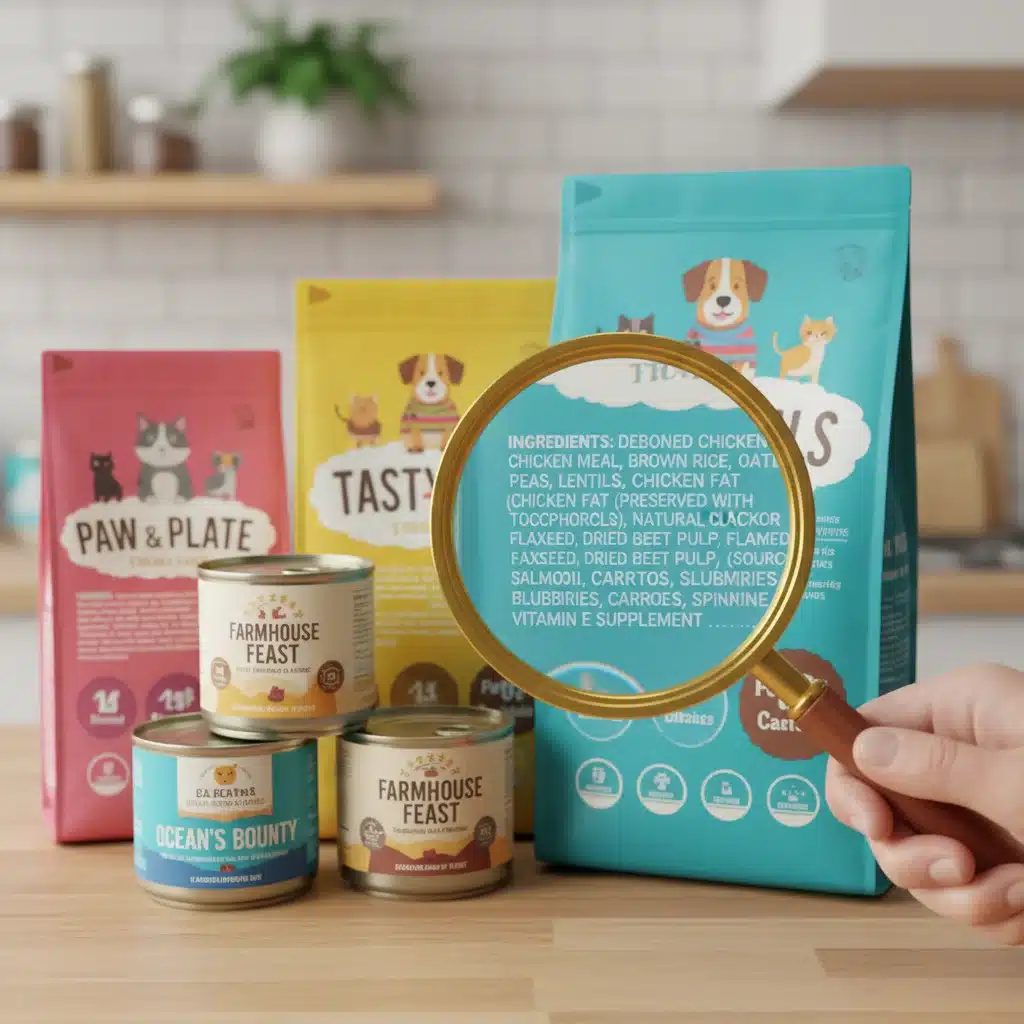
Decoding Pet Food Labels 2026: Your Ultimate U.S. Nutritional Guide
Welcome to 2026, where the world of pet nutrition continues to evolve at a rapid pace. As pet parents, our primary goal is to provide our beloved companions with the best possible care, and that starts with understanding what goes into their bowls. Navigating the myriad of options on pet store shelves can be overwhelming, but the key to making informed decisions lies in mastering the art of reading pet food labels. This comprehensive guide will equip you with the insider knowledge you need to decipher U.S. nutritional information, understand ingredient lists, and confidently choose the perfect food for your furry family member.
The pet food industry is a multi-billion dollar market, and with that comes a vast array of products, each promising optimal health, shiny coats, and boundless energy. However, not all claims are created equal, and the subtle nuances on a label can make a significant difference in your pet’s well-being. By the end of this article, you’ll be an expert at identifying high-quality ingredients, understanding guaranteed analyses, and recognizing potential red flags. Let’s embark on this journey to become savvy pet food label detectives!
The Foundation: Understanding the Basics of Pet Food Labels
Before we dive into the nitty-gritty, it’s crucial to understand the fundamental components of any U.S. pet food label. These labels are regulated by various bodies, primarily the Food and Drug Administration (FDA) and the Association of American Feed Control Officials (AAFCO). AAFCO, while not a regulatory body itself, provides model regulations that most states adopt, ensuring a degree of uniformity and consumer protection. Knowing what each section represents is the first step towards making an informed choice.
The Product Name: More Than Just a Catchy Title
The name of the pet food can tell you a lot, particularly about its primary ingredients. AAFCO has specific rules regarding how ingredients are listed in the product name:
- "95% Rule": If the product name states "Chicken Dog Food," at least 95% of the product (excluding water added for processing) must be chicken. If there are two ingredients, like "Chicken and Beef Dog Food," the two combined must make up 95%, with the first ingredient being more prevalent. This rule typically applies to products with few ingredients, often canned foods.
- "Dinner" or "Platter" Rule (25% Rule): If the name includes terms like "dinner," "platter," "entrée," "formula," or "nuggets," the named ingredient(s) must constitute at least 25% of the product (excluding water added for processing), but less than 95%. For example, "Chicken Dinner for Dogs" means chicken comprises at least 25% of the food.
- "With" Rule (3% Rule): If the product name says "Dog Food With Chicken," the chicken only needs to comprise at least 3% of the product. This is a common claim and often indicates a minimal amount of the named ingredient.
- "Flavor" Rule: If the label says "Chicken Flavored Dog Food," there’s no requirement for actual chicken. The flavor can come from other sources, such as by-products or artificial flavorings.
Understanding these rules immediately gives you insight into the proportion of key ingredients, helping you manage expectations and avoid being misled by marketing tactics. Always look beyond the enticing picture on the front of the bag.
Deciphering the Ingredient List: Quality Over Quantity
The ingredient list is arguably the most crucial part of any pet food label. It’s where you discover what your pet is truly eating. Ingredients are listed in descending order by weight, meaning the first few ingredients make up the bulk of the food. This is where your detective skills really come into play.
Identifying High-Quality Protein Sources
Protein is vital for your pet’s muscle development, organ function, and overall health. Look for clearly identified meat sources as the first few ingredients. Ideal examples include:
- "Chicken," "Beef," "Lamb," "Salmon": These are whole meat sources. However, remember that fresh meat contains a high percentage of water, so after processing and drying, its proportion by weight in the final product might decrease.
- "Chicken Meal," "Beef Meal," "Lamb Meal": "Meal" indicates that most of the water and fat have been removed before processing. This means it’s a concentrated form of protein, often a higher quality source of protein than whole meat listed first (due to water content). Don’t be afraid of "meal" – it can be an excellent protein source.
Be wary of vague terms like "meat by-products" or "animal digest" if they are high on the list. While not inherently bad, their specific origin is unknown, making it difficult to assess quality and consistency. "By-products" can include organs and connective tissue, which are nutritious, but they can also include less desirable parts. Transparency is key.
Carbohydrates and Grains: Friend or Foe?
Carbohydrates provide energy. The trend towards "grain-free" diets has been popular, but grains themselves are not inherently bad for most pets and can provide valuable nutrients and fiber. The issue often lies with the quality and type of grain, or if a pet has a specific allergy.
Look for:
- Whole grains: "Brown rice," "oats," "barley," "quinoa." These provide complex carbohydrates, fiber, and nutrients.
- Vegetables and legumes: "Sweet potatoes," "peas," "lentils," "chickpeas." These are common carbohydrate sources in grain-free diets and offer fiber, vitamins, and minerals.
Avoid:
- Excessive fillers: Ingredients like "corn gluten meal" or "wheat gluten" as primary protein sources (they are incomplete proteins for pets) or large amounts of "corn," "wheat," or "soy" if they are not whole forms and are used simply as cheap fillers.
Fats: Essential for Energy and Health
Fats are concentrated sources of energy and crucial for healthy skin, coat, and absorption of fat-soluble vitamins. Look for named animal fats and healthy oils:
- "Chicken fat," "Beef fat," "Salmon oil," "Flaxseed oil."
Avoid "animal fat (preserved with BHA)" or similarly vague and chemically preserved fats, though many reputable companies now use natural preservatives like mixed tocopherols (Vitamin E).
The Guaranteed Analysis: What the Numbers Mean
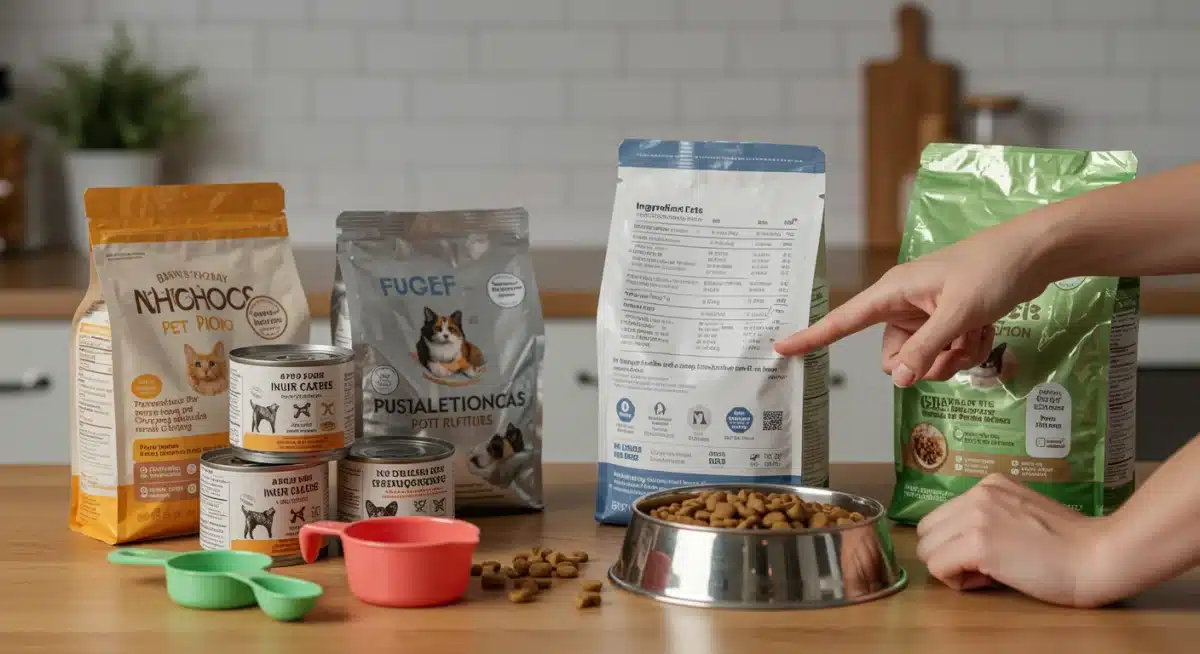
The Guaranteed Analysis (GA) provides minimum or maximum percentages of key nutrients in the food. It’s a snapshot of the nutritional content, but it’s important to understand its limitations.
Key Components of the Guaranteed Analysis:
- Crude Protein (min): This is the minimum percentage of protein. Higher isn’t always better; the quality and digestibility of the protein are more important than just the raw number.
- Crude Fat (min): The minimum percentage of fat. Essential for energy and nutrient absorption.
- Crude Fiber (max): The maximum percentage of fiber. Fiber aids digestion but too much can reduce nutrient absorption.
- Moisture (max): The maximum percentage of water. This is crucial for comparing dry kibble to wet food. Wet food has a much higher moisture content, so its "as-fed" protein and fat percentages will appear lower than dry food even if the dry matter basis is similar.
Converting to a Dry Matter Basis (DMB): The True Comparison
To accurately compare the nutritional content between different types of food (e.g., dry vs. wet), you must convert the GA to a Dry Matter Basis (DMB). This removes the water content, giving you a true "apples-to-apples" comparison.
Here’s how to do it:
- Subtract the maximum moisture percentage from 100% to find the dry matter percentage.
- Divide the "as-fed" nutrient percentage (e.g., crude protein) by the dry matter percentage.
- Multiply by 100 to get the DMB percentage.
Example:
- Dry Food: Crude Protein 25% (min), Moisture 10% (max)
- Wet Food: Crude Protein 8% (min), Moisture 78% (max)
Dry Food DMB:
- Dry Matter: 100% – 10% = 90%
- Crude Protein DMB: (25 / 90) * 100 = 27.78%
Wet Food DMB:
- Dry Matter: 100% – 78% = 22%
- Crude Protein DMB: (8 / 22) * 100 = 36.36%
As you can see, even though the wet food looked much lower in protein "as-fed," it actually has a higher protein content on a dry matter basis. This conversion is invaluable for making accurate comparisons when evaluating pet food labels.
The AAFCO Statement: Your Pet’s Nutritional Adequacy
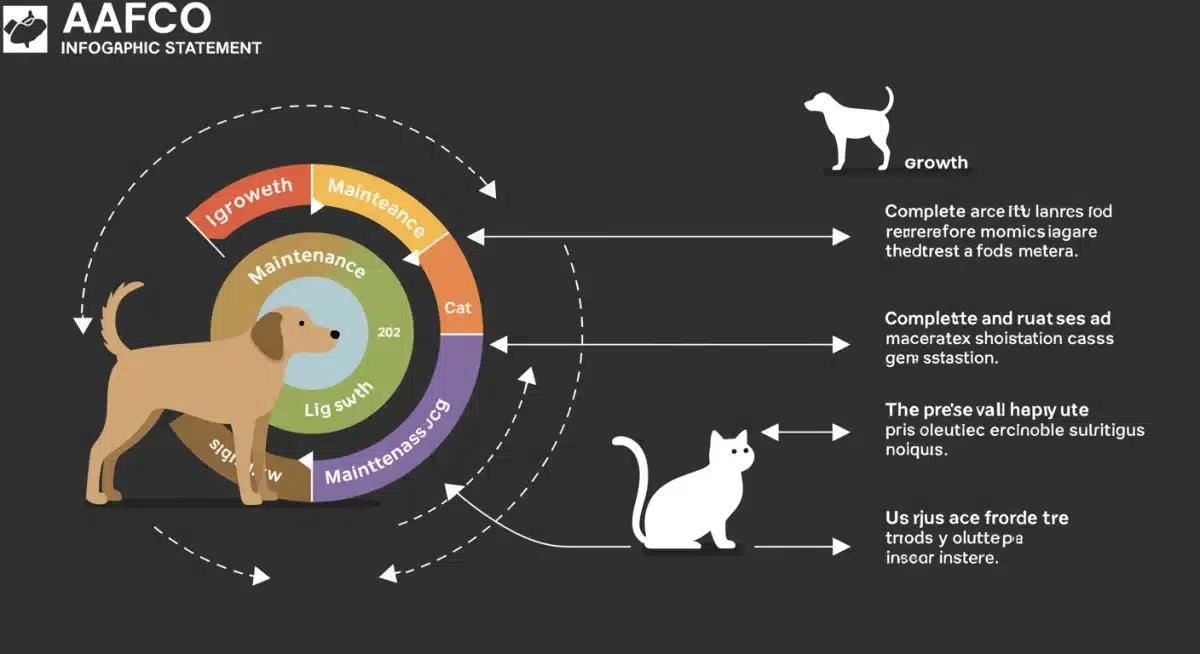
The AAFCO Nutritional Adequacy Statement is perhaps the most important statement on the entire pet food label. It tells you whether the food is "complete and balanced" for a particular life stage. If a product doesn’t have an AAFCO statement, it’s likely a treat or supplement, not a primary food source.
Key Phrases to Look For:
- "[Product Name] is formulated to meet the nutritional levels established by the AAFCO Dog Food Nutrient Profiles for [life stage]." This means the food’s recipe meets the specific nutrient levels set by AAFCO for a particular life stage (e.g., "growth," "maintenance," "all life stages"). This is the most common type of statement.
- "Animal feeding tests using AAFCO procedures substantiate that [Product Name] provides complete and balanced nutrition for [life stage]." This is the gold standard! It means the food has actually been fed to animals and proven to provide complete and balanced nutrition through feeding trials. This indicates a higher level of confidence in the food’s nutritional adequacy.
Life Stages Explained:
- Growth: For puppies and kittens. These foods are higher in calories, protein, and certain minerals.
- Maintenance: For adult dogs and cats.
- Gestation/Lactation: For pregnant or nursing mothers. Similar to growth formulas, these are nutrient-dense.
- All Life Stages: This means the food is suitable for growth, maintenance, and gestation/lactation. While convenient, a food formulated for "all life stages" might be too calorie-dense for an inactive adult or not perfectly optimized for a specific life stage.
Be skeptical of products without an AAFCO statement or those labeled "for intermittent or supplemental feeding only." These are not designed to be your pet’s sole source of nutrition.
Beyond the Basics: Other Important Label Information
While the product name, ingredient list, and guaranteed analysis are paramount, other sections of the pet food label provide valuable insights.
Feeding Guidelines: Not One-Size-Fits-All
Every bag or can of pet food will have feeding guidelines, usually based on your pet’s weight. These are starting points, not strict rules. Factors like your pet’s age, activity level, metabolism, and health conditions will influence their actual caloric needs. Always monitor your pet’s body condition and adjust feeding amounts accordingly. Consult your veterinarian if you’re unsure.
Calorie Content (Metabolizable Energy – ME)
Many labels now include calorie content, expressed as "kcal/kg" (kilocalories per kilogram) and "kcal/cup" or "kcal/can." This is incredibly useful for managing your pet’s weight and ensuring they receive appropriate energy intake. AAFCO requires calorie content to be listed on "complete and balanced" pet foods.
Manufacturer Information and "Best By" Date
The manufacturer’s name and contact information should always be present. A reputable company will be transparent and easy to reach for questions or concerns. The "Best By" or "Expiration" date is critical for ensuring the freshness and nutritional integrity of the food. Always check this date before purchasing and feeding.
Nutritional Claims: Separating Fact from Marketing
Pet food labels often feature a variety of claims intended to attract consumers. While some are legitimate, others can be misleading:
- "Natural": AAFCO has a definition for "natural," generally meaning ingredients derived from plant, animal, or mined sources without chemical alterations. However, it doesn’t preclude the use of certain processing aids or vitamins.
- "Organic": For pet food, "organic" claims generally follow USDA organic standards for human food. Look for the USDA Organic seal.
- "Holistic" or "Human-Grade": These terms have no legal definition in the pet food industry and can be used without specific standards. "Human-grade" is particularly tricky; while some ingredients might be sourced from human food facilities, the final product is rarely processed to human food standards unless explicitly stated and backed by certifications.
- "Grain-Free," "Limited Ingredient Diet (LID)," "Hypoallergenic": These claims are often used for pets with sensitivities or allergies. While they can be beneficial, always consult your vet before switching to a specialized diet. The link between grain-free diets and Dilated Cardiomyopathy (DCM) is still under investigation, so discuss this with your veterinarian.
The U.S. Regulatory Landscape for Pet Food in 2026
Understanding the regulatory environment helps you appreciate the information presented on pet food labels. In the U.S., pet food is regulated at both federal and state levels.
The Role of the FDA
The Food and Drug Administration (FDA) is the primary federal agency regulating pet food. They ensure that pet foods are safe to eat, produced under sanitary conditions, and truthfully labeled. The FDA’s authority extends to:
- Ingredient Safety: Ensuring ingredients are safe and have an appropriate function in pet food.
- Manufacturing Practices: Setting standards for good manufacturing practices (GMPs) to prevent contamination.
- Labeling: While AAFCO sets model regulations, the FDA enforces broader labeling requirements, including proper identification of ingredients and accurate claims.
- Additives: Regulating the use of food additives, including preservatives, colorings, and flavorings.
The FDA also investigates complaints about pet food and issues recalls when necessary, playing a critical role in consumer protection.
AAFCO’s Influence and State Regulations
As mentioned, AAFCO (Association of American Feed Control Officials) is a voluntary membership association of local, state, and federal agencies. While AAFCO itself doesn’t have regulatory authority, its model regulations are widely adopted by individual states. This means that when you see an AAFCO statement on a pet food label, it indicates compliance with the standards set forth in these model regulations, which are then enforced by state feed control officials.
AAFCO’s key contributions include:
- Nutrient Profiles: Establishing minimum and maximum levels for essential nutrients for different life stages of dogs and cats.
- Ingredient Definitions: Standardizing the names and definitions of ingredients used in pet food, which helps ensure consistency across products.
- Labeling Standards: Developing model regulations for pet food labels, covering everything from product names to guaranteed analysis and feeding instructions.
The collaborative effort between the FDA and state agencies (often guided by AAFCO) ensures that the pet food you purchase adheres to certain safety and nutritional standards. However, it’s important to remember that these are minimum standards. Many premium brands go above and beyond these requirements.
Common Pitfalls and How to Avoid Them
Even with a good understanding of pet food labels, certain marketing tactics and common misconceptions can make choosing difficult. Here are some pitfalls to watch out for:
- "Splitting" Ingredients: Manufacturers sometimes divide less desirable ingredients (like corn or peas) into multiple entries (e.g., "corn," "corn gluten meal," "corn bran"). If combined, these might rank higher on the ingredient list than the primary protein source. Look for ingredient clarity and avoid products with numerous ambiguous "filler" ingredients.
- Exaggerated "Superfood" Claims: While ingredients like blueberries or kale are healthy, their presence in minuscule amounts at the very end of a long ingredient list provides negligible nutritional benefit. Don’t let these "superfoods" distract you from the core ingredients.
- Price vs. Quality: A higher price doesn’t always guarantee higher quality, and a lower price doesn’t always mean poor quality. Focus on the ingredients and nutritional adequacy, not just the cost. Sometimes, "budget" brands can offer decent nutrition, especially for adult maintenance, while some expensive brands might rely more on marketing hype.
- Humanization of Pet Food: While it’s natural to want the best for our pets, phrases like "human-grade" or "gourmet" can be misleading. Pets have different nutritional needs than humans. What’s healthy for us isn’t always ideal for them.
Making the Best Choice for Your Pet in 2026
Armed with this detailed knowledge of pet food labels, you’re now better equipped to make a truly informed decision. Here’s a structured approach to choosing the best food for your pet:
- Consult Your Veterinarian: This is always the first step. Your vet knows your pet’s specific health needs, age, activity level, and any existing conditions. They can recommend appropriate diets or help you narrow down choices.
- Identify Your Pet’s Life Stage: Ensure the AAFCO statement matches your pet’s life stage (puppy/kitten, adult, senior, pregnant/lactating).
- Prioritize Quality Protein: Look for named meat or meat meal as the first one or two ingredients.
- Evaluate Carbohydrate Sources: Choose whole grains, vegetables, or legumes over excessive refined fillers.
- Understand the Guaranteed Analysis: Convert to a dry matter basis for accurate comparison, especially between dry and wet foods.
- Check for Essential Nutrients: While not exhaustively listed on the label, a "complete and balanced" AAFCO statement implies appropriate levels of vitamins and minerals.
- Review the "Best By" Date: Always ensure freshness.
- Contact the Manufacturer: Don’t hesitate to call or email the company if you have specific questions about ingredient sourcing, manufacturing processes, or nutrient analysis beyond what’s on the label. Reputable companies are usually transparent.
- Observe Your Pet: Ultimately, the best indicator of a good food is your pet’s health and happiness. Look for signs of good digestion (healthy stools), a shiny coat, healthy energy levels, and good body condition.
Remember, there’s no single "best" pet food for every animal. What works for one might not work for another. It’s about finding the right balance of nutrition, palatability, and affordability that suits your individual pet’s needs. The journey of pet parenthood is a continuous learning process, and understanding pet food labels is a vital skill in ensuring a long, healthy, and vibrant life for your cherished companion.
By becoming a discerning consumer, you empower yourself to cut through the marketing noise and focus on what truly matters: providing optimal nutrition for your pet. Happy label reading!