DIY Pet Feeding Schedule: Optimal Digestion in 2 Weeks
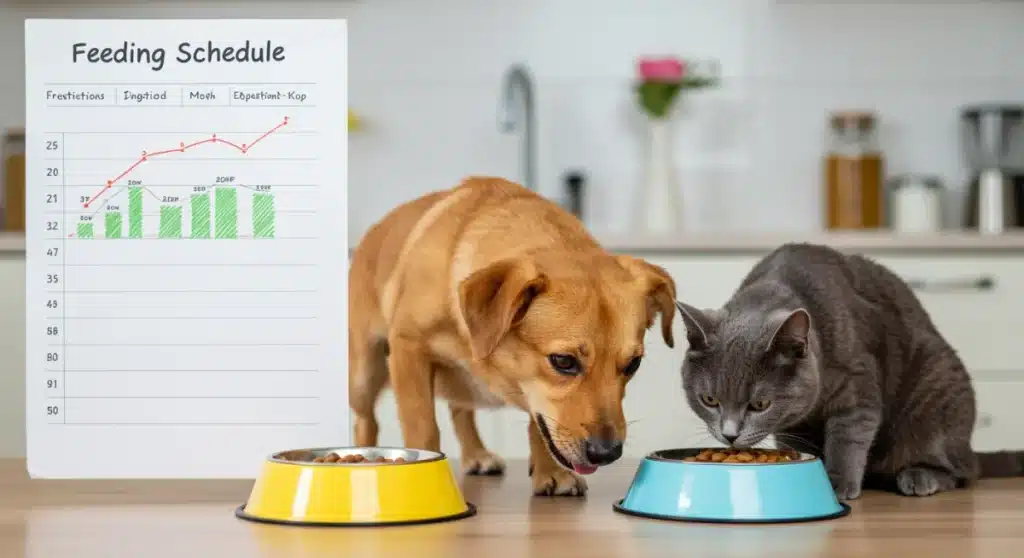
Creating a structured DIY pet feeding schedule can significantly enhance your pet’s digestive health, leading to noticeable improvements in their well-being and energy levels within a fortnight.
Are you looking for practical solutions to improve your furry friend’s digestive health? Implementing a DIY pet feeding schedule can be a game-changer, yielding noticeable results within just two weeks. This guide will walk you through the essential steps to foster optimal digestion and overall well-being for your beloved companion.
Understanding Your Pet’s Digestive Needs
Before diving into creating a feeding schedule, it’s crucial to understand the unique digestive system of your pet. Dogs and cats have distinct dietary requirements and digestive processes that influence how they metabolize food and absorb nutrients. A one-size-fits-all approach rarely leads to optimal health outcomes.
Factors such as age, breed, activity level, and existing health conditions all play a significant role in determining the ideal diet and feeding frequency. Puppies and kittens, for instance, require more frequent meals to support their rapid growth and development, while senior pets might benefit from smaller, more digestible portions to accommodate slower metabolic rates and potential digestive sensitivities.
The Science Behind Pet Digestion
Pet digestion begins in the mouth, where enzymes in saliva start breaking down food, though this is less significant in carnivores like cats and dogs compared to herbivores. The food then travels down the esophagus to the stomach, where strong acids and enzymes further break it down. From there, it moves into the small intestine, where the majority of nutrient absorption occurs, aided by the pancreas and liver. Finally, the large intestine absorbs water and forms waste.
- Enzyme Activity: Different foods require specific enzymes for proper breakdown.
- Gut Microbiome: A healthy balance of gut bacteria is vital for nutrient absorption and immune function.
- Transit Time: The speed at which food moves through the digestive tract impacts nutrient uptake and waste elimination.
Understanding these biological processes helps in selecting appropriate foods and establishing a schedule that supports, rather than hinders, efficient digestion. For example, feeding too much at once can overwhelm the stomach, leading to indigestion or vomiting. Conversely, spacing meals too far apart can lead to hunger and overeating at the next meal.
Recognizing the nuances of your pet’s digestive system is the foundational step towards crafting an effective feeding plan. Observing their current eating habits and digestive responses to different foods provides valuable insights that will inform the subsequent steps in developing a personalized schedule.
Step 1: Assessing Current Diet and Habits
The first practical step in creating an effective DIY pet feeding schedule is to thoroughly assess your pet’s current diet and eating habits. This involves more than just knowing what brand of food they eat; it requires a detailed look at portion sizes, feeding frequency, and any treats or supplements given throughout the day. A comprehensive understanding of their current intake is essential for identifying areas for improvement and making informed adjustments.
Begin by keeping a detailed food diary for a few days. Note down everything your pet consumes, including meal times, food type, exact portion sizes, and any snacks or human food. Also, observe their behavior before, during, and after meals. Are they overly enthusiastic, or do they eat slowly? Do they show any signs of digestive upset, such as gas, bloating, or changes in stool consistency?
Evaluating Food Quality and Ingredients
The quality of your pet’s food is paramount to their digestive health. Many commercial pet foods contain fillers, artificial ingredients, and by-products that can be difficult for pets to digest and may contribute to various health issues. Look for foods with high-quality protein sources as the primary ingredient, whole grains (if applicable to your pet’s diet), and essential vitamins and minerals.
- Read Labels Carefully: Prioritize foods with clearly named meat sources (e.g., ‘chicken meal’ instead of ‘meat by-products’).
- Avoid Unnecessary Fillers: Ingredients like corn, wheat, and soy can be hard to digest for some pets.
- Consider Life Stage Formulas: Ensure the food is appropriate for your pet’s age and activity level.
It’s also important to consider if your pet has any known allergies or sensitivities. Common allergens include chicken, beef, dairy, and grains. If you suspect an allergy, consult with your veterinarian about an elimination diet or allergy testing. Switching to a limited-ingredient diet or a novel protein source can sometimes resolve chronic digestive issues.
By meticulously evaluating their current diet and habits, you lay the groundwork for making targeted changes. This initial assessment helps in identifying patterns and potential triggers contributing to less-than-optimal digestion, enabling you to build a schedule that truly caters to your pet’s specific needs.
Step 2: Establishing Optimal Meal Frequency and Portions
Once you have a clear picture of your pet’s current dietary landscape, the next critical step is to establish optimal meal frequency and portion sizes. This is where the ‘schedule’ aspect of a DIY pet feeding schedule truly comes into play, creating consistency that benefits digestive health. Consistency in feeding times helps regulate your pet’s metabolism and digestive enzymes, leading to more efficient nutrient absorption.
For most adult dogs, two meals a day (morning and evening) are ideal. This prevents them from becoming overly hungry and reduces the risk of bloat, especially in larger breeds. Adult cats, being grazers by nature, might benefit from three to four smaller meals throughout the day, or even free-feeding if they don’t overeat. Puppies and kittens, due to their rapid growth and smaller stomach capacity, generally require three to four meals daily.
Calculating the Right Portion Size
Determining the correct portion size is crucial to prevent overfeeding or underfeeding. Most pet food bags provide feeding guidelines based on weight, but these are general recommendations. Your pet’s individual metabolism, activity level, and body condition should also be considered. A very active dog will naturally need more calories than a sedentary one of the same weight.
- Consult Your Veterinarian: They can provide personalized recommendations based on your pet’s specific health profile.
- Use a Measuring Cup or Scale: Precise measurement ensures consistent portion control. Eyeballing can lead to significant discrepancies.
- Monitor Body Condition: Regularly check your pet’s weight and body shape. You should be able to feel their ribs easily but not see them prominently.
It’s often helpful to start with the recommended portion on the food bag and then adjust based on your pet’s response. If they gain too much weight, reduce the portion slightly; if they seem too thin, increase it. The goal is to maintain a healthy weight and body condition score. Overfeeding, even healthy food, can lead to obesity, which brings its own host of health problems, including digestive issues.
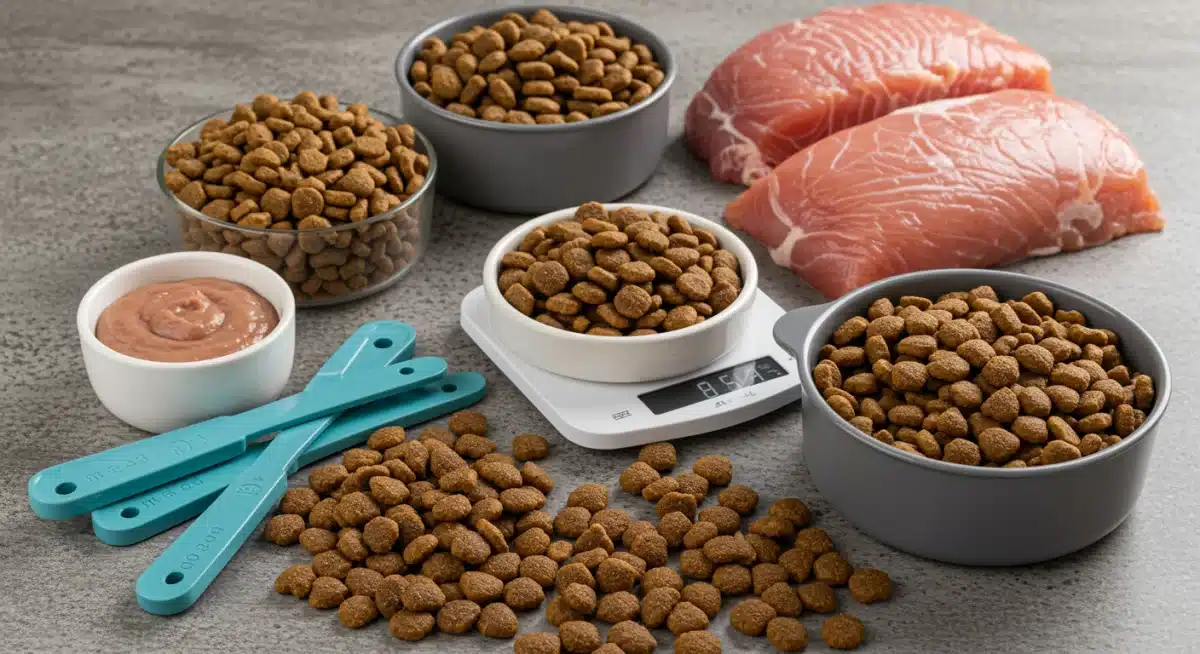
By carefully planning meal frequency and portions, you provide your pet’s digestive system with a predictable routine. This regularity allows their body to anticipate and prepare for digestion, ensuring that food is processed efficiently and nutrients are absorbed optimally. This consistency is a cornerstone of improved digestive health.
Step 3: Gradual Transition and Monitoring Digestion
Making sudden changes to a pet’s diet or feeding schedule can often lead to digestive upset. Therefore, the third step in creating your DIY pet feeding schedule involves a gradual transition to the new routine and meticulous monitoring of your pet’s digestive response. Patience and observation are key during this phase to ensure a smooth and beneficial adjustment.
When introducing a new food or significantly altering meal times, do so incrementally over a period of 7 to 10 days. For food changes, start by mixing a small amount of the new food with the old, gradually increasing the proportion of the new food each day while decreasing the old. This allows your pet’s digestive system to adapt to the new ingredients and nutrient profile without shock.
Observing Key Indicators of Digestive Health
During this transition period, close monitoring of your pet’s digestive health is paramount. Pay attention to several key indicators that can signal whether the new schedule and diet are working well or if further adjustments are needed.
- Stool Consistency: Ideal stool should be firm, moist, and easy to pick up. Diarrhea or overly hard stools are signs of digestive distress.
- Energy Levels: A well-nourished pet will have consistent energy. Lethargy or hyperactivity after meals could indicate an issue.
- Coat Condition: A shiny, healthy coat often reflects good internal health and nutrient absorption.
- Appetite: While some initial pickiness is normal, a sustained lack of appetite warrants attention.
- Behavioral Changes: Look for signs of discomfort, such as excessive licking, pacing, or changes in mood.
Keep a journal to record your observations. Note down the changes you implement, your pet’s reactions, and any improvements or concerns. This data will be invaluable for fine-tuning the schedule and diet. If you notice persistent issues, such as prolonged diarrhea, vomiting, or severe lethargy, consult your veterinarian immediately. They can rule out underlying medical conditions and provide professional guidance.
A gradual approach minimizes stress on your pet’s system, making the transition to an improved feeding schedule a positive experience for both of you. Consistent monitoring ensures that any adverse reactions are caught early, allowing for timely adjustments and preventing more serious digestive problems.
Step 4: Consistency and Long-Term Adjustments
The final step in establishing a successful DIY pet feeding schedule is maintaining consistency and being prepared to make long-term adjustments. A feeding schedule isn’t a one-time setup; it’s an ongoing commitment that evolves with your pet’s changing needs throughout their life. The goal is to create a sustainable routine that supports optimal digestion and overall vitality for years to come.
Once you’ve found a schedule and diet that your pet thrives on, stick to it as much as possible. Feed them at roughly the same times each day, and avoid significant variations in meal size or content. Pets are creatures of habit, and predictability in their routine reduces stress and supports a stable digestive environment. This consistency is what allows you to start noticing results within two weeks, as their system adapts and becomes more efficient.
Adapting to Life Changes and Aging
Your pet’s needs will change over time. What works for a playful puppy or an active adult might not be suitable for a senior pet or one recovering from illness. Be prepared to re-evaluate and adjust the feeding schedule as your pet ages or experiences significant life changes.
- Age: Puppies and kittens need more frequent, calorie-dense meals. Senior pets often require fewer calories, more digestible proteins, and potentially softer foods.
- Activity Level: An increase or decrease in physical activity will impact caloric needs. Adjust portion sizes accordingly to maintain a healthy weight.
- Health Conditions: Illnesses, surgeries, or chronic conditions may necessitate special diets or feeding protocols prescribed by your veterinarian.
- Environmental Factors: Changes in climate or living situation can also subtly affect appetite and digestion.
Regular veterinary check-ups are also crucial. Your vet can provide insights into your pet’s current health status, recommend dietary modifications, and help you fine-tune the feeding schedule. They can also advise on appropriate supplements if needed, such as probiotics for gut health or joint support for older pets.
Embracing consistency while remaining flexible enough to adapt to your pet’s evolving requirements ensures that your DIY feeding schedule remains effective throughout their life. This proactive approach to their nutritional care is a testament to your commitment to their long-term health and happiness.
Troubleshooting Common Digestive Issues
Even with a well-planned DIY pet feeding schedule, you might encounter occasional digestive issues. Knowing how to troubleshoot these common problems can help you respond effectively and keep your pet comfortable. Many minor issues can be resolved with simple dietary adjustments, while persistent problems warrant veterinary attention.
One common issue is mild stomach upset, which can manifest as occasional vomiting or soft stools. This might be triggered by a new treat, scavenging something undesirable, or stress. For mild cases, a temporary bland diet (such as boiled chicken and rice for dogs, or plain cooked fish for cats) can help settle the stomach. Ensure your pet has constant access to fresh water to prevent dehydration, especially if vomiting or diarrhea occurs.
When to Seek Veterinary Advice
While many minor digestive issues can be managed at home, it’s vital to recognize when professional veterinary care is needed. Delaying treatment for serious conditions can lead to severe health complications. Always err on the side of caution when your pet’s health is concerned.
- Persistent Vomiting or Diarrhea: If it lasts more than 24-48 hours, or is accompanied by blood, lethargy, or pain.
- Loss of Appetite: If your pet refuses to eat for more than a day, especially if they are normally enthusiastic eaters.
- Significant Weight Loss or Gain: Unexplained changes in weight can indicate underlying health problems.
- Bloating or Abdominal Pain: These can be symptoms of serious conditions like bloat (gastric dilatation-volvulus) in dogs, which is a medical emergency.
- Changes in Urination or Thirst: While not directly digestive, these can be related to systemic illness affecting digestion.
Your veterinarian can perform diagnostics to identify the root cause of digestive problems, which might range from parasites and infections to food allergies, inflammatory bowel disease, or even organ dysfunction. They can then recommend appropriate treatment, which might include medications, prescription diets, or further specialized care.
Being proactive in observing your pet and understanding when to seek help is a critical part of managing their digestive health. By combining a consistent feeding schedule with informed troubleshooting, you can significantly enhance your pet’s comfort and well-being.
Benefits Beyond Digestion: Noticing Results in 2 Weeks
While the primary goal of creating a DIY pet feeding schedule is to optimize digestion, the benefits extend far beyond just a healthy gut. Pet owners often report noticing significant improvements in their pets’ overall health and behavior within a mere two weeks of implementing a consistent, tailored feeding routine. These rapid positive changes serve as powerful motivation to maintain the schedule.
One of the most commonly observed improvements is an increase in energy levels and vitality. When pets are absorbing nutrients efficiently, they have more sustained energy throughout the day, leading to more active play, better engagement, and a generally happier demeanor. Conversely, a pet struggling with digestion might appear lethargic or restless due to discomfort.
Holistic Health Improvements
The impact of a well-regulated digestion on other aspects of pet health is profound. A healthy gut is often considered the foundation of a strong immune system, meaning pets on an optimal feeding schedule may experience fewer illnesses and recover more quickly when they do fall sick. The benefits are truly holistic:
- Improved Coat and Skin Health: Better nutrient absorption often translates to a shinier coat, less shedding, and fewer skin irritations or allergies.
- Better Weight Management: Consistent portions and meal times help prevent obesity or malnourishment, maintaining an ideal body condition.
- Reduced Odor: Pets with optimal digestion tend to have less gas and less pungent stool, indicating efficient processing of food.
- Enhanced Mood and Behavior: A comfortable pet is a happy pet. Reduced digestive discomfort can lead to decreased anxiety, aggression, or other stress-related behaviors.
Observing these changes within two weeks can be incredibly rewarding. You might notice your pet’s eyes becoming brighter, their playful spirit returning, or simply an overall sense of calm and contentment. These visible improvements reinforce the value of the effort you’ve put into establishing their new routine.
The rapid onset of positive results underscores the powerful connection between diet, digestion, and overall well-being. By committing to a thoughtful DIY pet feeding schedule, you’re not just managing their meals; you’re investing in a healthier, happier life for your cherished companion, with tangible benefits evident in a surprisingly short period.
| Key Step | Brief Description |
|---|---|
| Assess Current Diet | Document current food, portions, and habits to identify areas for improvement. |
| Establish Meal Plan | Determine optimal frequency and precise portion sizes based on pet’s needs. |
| Gradual Transition | Introduce changes slowly over 7-10 days, closely monitoring pet’s reactions. |
| Maintain & Adjust | Ensure consistency and adapt the schedule to your pet’s evolving life stages. |
Frequently Asked Questions About Pet Feeding Schedules
Most adult dogs thrive on two meals a day, typically once in the morning and once in the evening. This helps regulate their metabolism, prevents excessive hunger, and can reduce the risk of digestive issues like bloat, especially in larger breeds. Always consult your vet for personalized advice.
Free-feeding can work for some cats, particularly those who regulate their intake well and don’t overeat. However, it can lead to obesity in others. Scheduled meals, often three to four small meals a day, allow for better portion control and easier monitoring of food intake, which is beneficial for digestive health.
Many pet owners observe noticeable improvements in their pet’s digestion, energy levels, and overall well-being within two weeks of consistently implementing a new, optimized feeding schedule. Full adaptation and long-term benefits typically continue to develop over several months.
Signs of poor digestion include vomiting, diarrhea, constipation, excessive gas, bloating, lack of appetite, weight loss, and dull coat. If these symptoms are persistent or severe, it’s crucial to consult your veterinarian for proper diagnosis and treatment to prevent further complications.
Yes, always transition to new pet food gradually over a period of 7 to 10 days. Start by mixing a small amount of the new food with the old, slowly increasing the new food’s proportion each day. This helps prevent digestive upset as your pet’s system adjusts to the new ingredients.
Conclusion
Implementing a well-structured DIY pet feeding schedule is more than just a routine; it’s a profound investment in your pet’s health and happiness. By diligently following these four steps—assessing current habits, establishing optimal frequency and portions, ensuring a gradual transition, and maintaining consistency with long-term adjustments—you can significantly enhance your pet’s digestive efficiency. The noticeable improvements in vitality, coat health, and behavior, often observed within two weeks, underscore the powerful impact of a thoughtful approach to their nutrition. Prioritizing your pet’s digestive well-being through a personalized feeding schedule is a fundamental aspect of responsible pet ownership, fostering a longer, healthier, and more joyful life together.