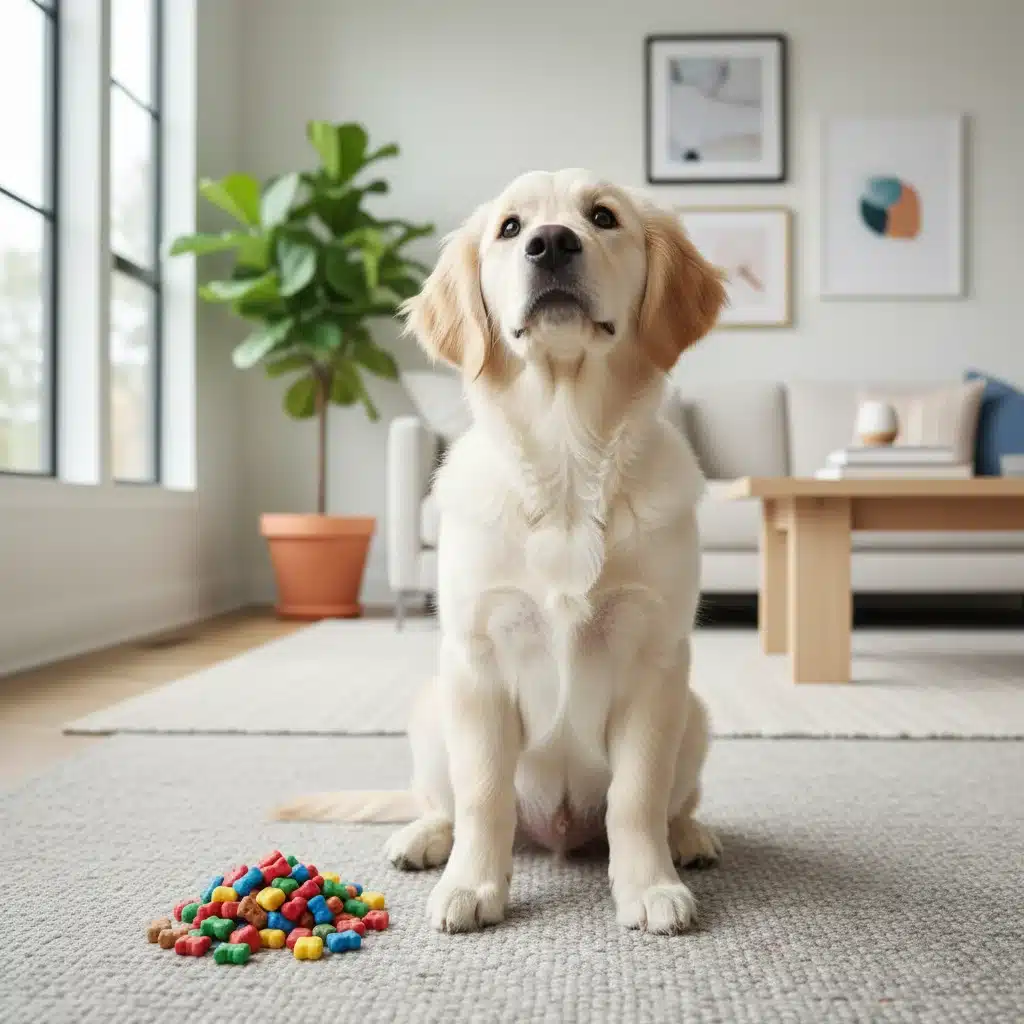
New behavioral science techniques for 2025 are revolutionizing how we address canine separation anxiety, with updated methods targeting a 70% reduction in US dogs by focusing on proactive conditioning and neurobiological understanding.
For many dog owners across the United States, the distress of their furry companions suffering from dog separation anxiety is a pervasive and heart-wrenching challenge. This article delves into new behavioral science, presenting eight updated techniques for 2025 designed to reduce this common issue by a remarkable 70%.
Understanding the Roots of Separation Anxiety
Separation anxiety in dogs is far more complex than simple disobedience; it’s a genuine panic disorder. Dogs experiencing this condition exhibit a range of behaviors when left alone, from destructive chewing to excessive vocalization, all stemming from profound distress. Understanding the underlying causes is the first step toward effective intervention.
Recent research indicates that early life experiences, genetics, and even subtle changes in household routines can contribute to the development of separation anxiety. It’s not a sign of a ‘bad’ dog, but rather a cry for help from a pet unable to cope with solitude.
The neurobiology of canine anxiety
Scientists are increasingly exploring the brain chemistry involved in canine anxiety. Studies reveal that dogs with separation anxiety often have imbalances in neurotransmitters like serotonin and cortisol, similar to panic disorders in humans. This understanding informs more targeted therapeutic approaches.
- Cortisol levels: Elevated cortisol, the stress hormone, is a common finding in anxious dogs, particularly during owner absence.
- Serotonin pathways: Disruptions in serotonin, a mood regulator, can exacerbate feelings of fear and panic.
- Amygdala activity: The amygdala, responsible for processing emotions, shows heightened activity in anxious dogs.
Recognizing the biological components helps validate the dog’s experience and guides the selection of appropriate behavioral and, if necessary, pharmacological interventions. This holistic view is crucial for effective treatment.
In conclusion, separation anxiety is a multifaceted issue with both behavioral and biological underpinnings. Acknowledging its complexity allows for a more compassionate and effective approach to treatment, moving beyond simple behavioral modification to address the dog’s internal state.
Technique 1: Gradual Absence Training (Reimagined)
Gradual absence training, a cornerstone of separation anxiety treatment, is being reimagined for 2025 with enhanced focus on predictive cues and positive association. Instead of just leaving for short periods, the emphasis is now on making departures a non-event and associating them with positive, low-arousal activities.
This updated approach involves meticulously planning short departures, starting with mere seconds, and associating them with highly valued, but calming, rewards. The goal is to prevent the dog from ever reaching a state of panic, gradually building their tolerance to solitude.
The ‘non-event’ departure protocol
The updated protocol focuses on desensitizing dogs to departure cues. This means picking up keys, putting on shoes, or grabbing a bag without actually leaving. These actions are repeated until they no longer trigger anxiety.
- Cue desensitization: Repeatedly perform departure cues without leaving, until the dog shows no reaction.
- Short, unpredictable absences: Start with absences as short as 5-10 seconds, returning before anxiety escalates.
- Calming rewards: Offer a special, long-lasting treat (like a Kong filled with frozen peanut butter) only before departure.
The key is to return before the dog becomes distressed, ensuring every experience reinforces the idea that departure is temporary and safe. This builds a foundation of trust and confidence, lessening the impact of actual absences.
Ultimately, reimagined gradual absence training prioritizes preventing anxiety over reacting to it. By making departures mundane and consistently pairing them with positive experiences, dogs learn to associate solitude with calm rather than panic.
Technique 2: Strategic Enrichment & Cognitive Engagement
Modern behavioral science highlights the critical role of strategic enrichment in managing separation anxiety. This goes beyond simple toys, focusing on activities that engage a dog’s cognitive abilities and natural instincts, providing mental stimulation that can reduce stress and boredom during owner absence.
The aim is to create an environment where the dog feels productive and engaged, rather than simply waiting for the owner’s return. This shift from passive waiting to active engagement is fundamental to the updated approach.
Puzzle feeders and scent work
Incorporating puzzle feeders and scent work before departure can significantly occupy a dog’s mind. These activities tap into their innate foraging and hunting instincts, providing a natural outlet for energy and focus.
- Interactive puzzle toys: Offer food-dispensing toys that require problem-solving, keeping the dog engaged for extended periods.
- Scent games: Hide treats around the house for the dog to find, turning their alone time into a stimulating ‘hunt’.
- Chew items: Provide durable, safe chew toys that satisfy the natural urge to chew, particularly when stressed.
These enrichment strategies not only distract the dog but also promote a sense of accomplishment, reducing the likelihood of destructive behaviors fueled by anxiety. They transform alone time into an opportunity for positive mental exercise.
By strategically enriching the dog’s environment, owners can empower their pets to cope more effectively with solitude. This technique acknowledges that a mentally stimulated dog is often a less anxious dog, fostering independence and resilience.
Technique 3: Building a ‘Safe Space’ Sanctuary
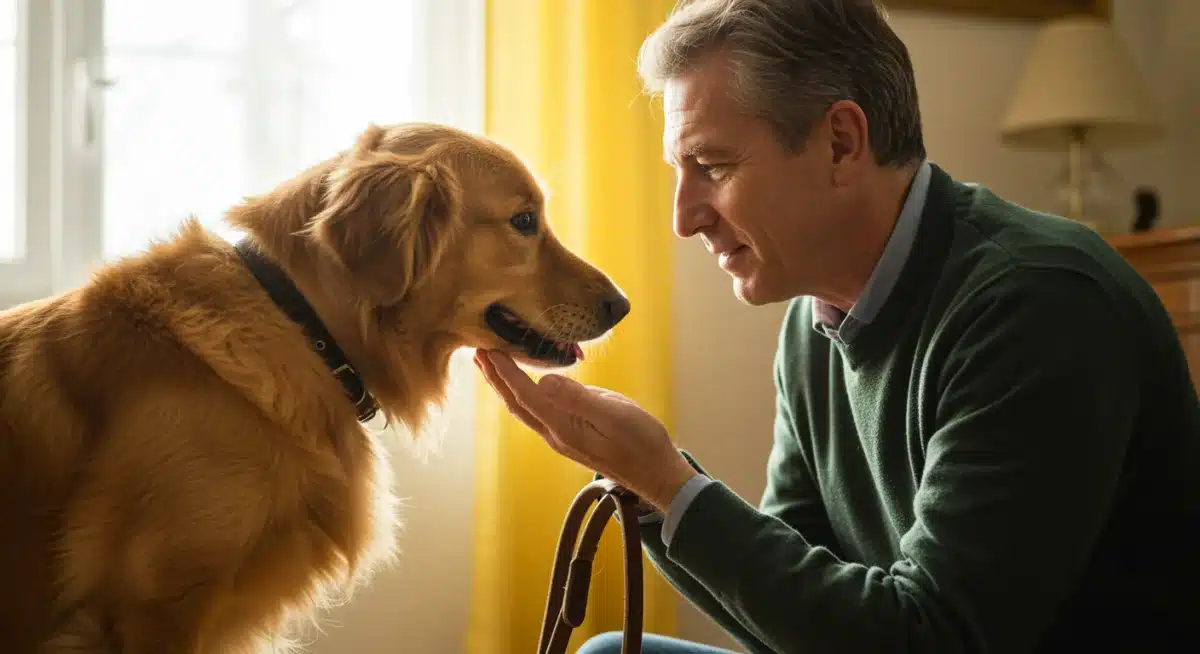
Creating a designated ‘safe space’ is a powerful technique to help dogs manage anxiety, providing a secure retreat when owners are away. This isn’t just a bed; it’s a carefully curated environment designed to evoke calm and security, becoming a haven for the dog.
The concept emphasizes positive association with this space, ensuring the dog perceives it as a place of comfort and safety, not punishment or isolation. This sanctuary becomes a predictable anchor in an unpredictable world.
Elements of an effective safe space
An effective safe space incorporates several elements tailored to the individual dog’s preferences. It should be quiet, comfortable, and away from high-traffic areas of the home.
- Comfortable bedding: A soft, familiar bed or blanket that smells of the owner can provide comfort.
- Den-like enclosure: A crate, if properly introduced and positively associated, can serve as a secure den.
- Calming scents/sounds: Pheromone diffusers, classical music, or white noise can help create a tranquil atmosphere.
The safe space should always be accessible and never used for negative experiences. The dog should be encouraged to enter it voluntarily, often with treats or favorite toys, reinforcing its positive nature.
By establishing a reliable safe space, owners provide their dogs with a crucial coping mechanism. This sanctuary offers a sense of control and predictability, mitigating the feelings of helplessness often associated with separation anxiety.
Technique 4: Redefining Departure and Arrival Rituals
The way owners depart and arrive significantly impacts a dog’s anxiety levels. New behavioral science advocates for redefining these rituals to be low-key and unemotional, preventing the escalation of excitement or distress that often precedes or follows an owner’s absence.
The goal is to strip away the drama from departures and arrivals, making them as mundane as possible. This helps the dog understand that these events are normal parts of the day, not causes for alarm or excessive celebration.
Minimizing emotional cues
Dogs are incredibly perceptive to human emotions. By minimizing overt emotional displays during departures and arrivals, owners can help regulate their dog’s emotional state.
- Calm departures: Avoid prolonged goodbyes, petting, or talking to the dog before leaving. A simple, quiet exit is best.
- Delayed greetings: Upon returning, ignore the dog for the first few minutes until they have calmed down. Then, offer a calm greeting.
- Routine consistency: Maintain a consistent daily routine to provide predictability, reducing anticipatory anxiety.
These redefined rituals teach the dog that the owner’s absence is not a cause for panic, nor is their return a reason for frantic excitement. This promotes a more balanced emotional state, which is crucial for reducing overall anxiety.
Redefining departure and arrival rituals helps to normalize the owner’s presence and absence, reducing the emotional roller coaster many anxious dogs experience. It fosters a sense of security and independence, vital for long-term improvement.
Technique 5: Counter-Conditioning Negative Associations
Counter-conditioning is a powerful technique that involves changing a dog’s emotional response to a stimulus from negative to positive. For separation anxiety, this means transforming the fear and panic associated with being alone into feelings of calm and positive anticipation.
This technique focuses on consistently pairing the act of being left alone with something highly enjoyable and reinforcing for the dog, effectively rewriting their emotional script about solitude.
Pairing solitude with positive experiences
The core of counter-conditioning lies in creating a strong association between the owner’s absence and a highly desirable, yet calming, reward. This reward should only be available when the owner is gone.
- High-value, long-lasting treats: Provide a treat (e.g., a frozen Kong, bully stick) that takes a significant amount of time to consume, specifically when leaving.
- Interactive toys: Introduce new, engaging toys that are only accessible during alone time.
- Calming music/audiobooks: Some dogs respond well to specific sounds that mask outside noises and create a peaceful atmosphere.
The key is that the dog learns to anticipate something good happening when the owner leaves, shifting their focus from distress to the enjoyable activity. This gradual re-programming helps to alleviate the underlying fear.
Counter-conditioning is a proactive approach that empowers dogs to cope with solitude by associating it with positive experiences. It’s about changing their emotional landscape, making alone time less threatening and more rewarding.
Technique 6: Leveraging Technology: Cameras & Calming Apps
Technology offers innovative tools to support dogs with separation anxiety, providing owners with real-time insights and delivering calming stimuli. Pet cameras and specialized calming apps are becoming indispensable components of modern anxiety management plans, particularly in the US.
These tools allow owners to monitor their dogs, understand their anxiety triggers, and even interact remotely, offering comfort or distraction when needed. This proactive monitoring enhances the effectiveness of other behavioral modifications.
Remote monitoring and intervention
Pet cameras with two-way audio and treat dispensers allow owners to observe their dogs’ behavior and intervene positively. This real-time feedback is invaluable for refining training strategies.
- Pet cameras with audio: Monitor behavior, identify triggers, and offer verbal reassurance.
- Remote treat dispensers: Reward calm behavior from a distance, reinforcing positive associations with solitude.
- Calming sound apps: Play soothing music or white noise specifically designed to reduce canine stress.
The ability to see and hear what a dog is doing when alone provides crucial data, enabling owners to adjust their training protocols more effectively. Remote intervention can prevent anxiety from escalating, making training more successful.
By leveraging technology, owners gain a deeper understanding of their dog’s experience and can provide timely, targeted support. This integration of tech with behavioral science creates a more responsive and effective anxiety management system.
Technique 7: Professional Guidance & Pharmacological Support
While behavioral techniques are fundamental, some dogs with severe separation anxiety benefit significantly from professional guidance and, in certain cases, pharmacological support. Consulting with a certified professional dog trainer or a veterinary behaviorist is crucial for tailored, effective treatment plans.
These experts can assess the severity of the anxiety, identify specific triggers, and develop a comprehensive strategy that may include medication to alleviate acute distress, allowing behavioral training to be more effective.
When to seek expert help
Recognizing when to involve professionals is key. If a dog’s anxiety is severe, causing self-harm, extreme destruction, or persistent distress despite owner efforts, expert intervention is warranted.
- Certified professional dog trainers (CPDT): Can provide tailored behavioral modification plans and hands-on guidance.
- Veterinary behaviorists (DACVB): Offer specialized medical and behavioral expertise, including medication management.
- Pharmacological interventions: Anti-anxiety medications can help manage severe symptoms, creating a window for behavioral training to succeed.
Medication is typically used as an adjunct to behavioral therapy, not a standalone solution. It helps to lower the dog’s overall anxiety threshold, making them more receptive to learning new coping mechanisms.
Professional guidance ensures that the most appropriate and effective strategies are employed, combining scientific understanding with practical application. This integrated approach maximizes the chances of successfully reducing separation anxiety and improving the dog’s quality of life.
Technique 8: Mindful Owner Presence & Attachment Styles
The owner’s presence and their attachment style play a significant, often overlooked, role in a dog’s separation anxiety. New behavioral science emphasizes mindful interactions and fostering a secure, rather than overly dependent, attachment between dog and owner.
This technique encourages owners to reflect on their own behaviors and how they might inadvertently contribute to or alleviate their dog’s anxiety. It’s about building a balanced relationship where the dog feels secure but not overly reliant on constant human presence.
Fostering secure attachment
A secure attachment is characterized by the dog feeling safe and confident even when the owner is not physically present. This is achieved through consistent, predictable, and calm interactions.
- Quality over quantity: Focus on meaningful, calm interactions rather than constant attention throughout the day.
- Encourage independence: Reward the dog for calm, independent play or resting away from the owner.
- Avoid excessive reassurance: While comforting, excessive reassurance when the dog is anxious can inadvertently reinforce the anxiety.
By consciously fostering a secure attachment, owners can empower their dogs to develop greater emotional resilience. This means providing a strong, reliable base while also encouraging the dog’s ability to cope independently.
Mindful owner presence and attention to attachment styles are crucial for addressing separation anxiety at its core. By creating a balanced and secure bond, owners can help their dogs build the confidence needed to thrive, even when left alone.
| Key Technique | Brief Description |
|---|---|
| Gradual Absence Training | Reimagined to focus on non-event departures and positive association to build tolerance. |
| Strategic Enrichment | Engaging cognitive abilities with puzzle feeders and scent work to reduce boredom and stress. |
| Safe Space Sanctuary | Creating a designated, positively associated retreat for comfort and security during solitude. |
| Mindful Owner Presence | Fostering secure attachment and encouraging independence through balanced interactions. |
Frequently asked questions about dog separation anxiety
Primary signs include excessive barking or howling, destructive chewing, inappropriate urination or defecation, pacing, and attempts to escape when left alone. These behaviors typically occur within minutes of the owner’s departure and are not present when the owner is home.
While a complete “cure” can be challenging, separation anxiety is highly manageable. With consistent application of behavioral techniques, environmental adjustments, and sometimes medication, many dogs can learn to cope calmly with solitude, significantly reducing their distress.
The timeline for improvement varies depending on the severity of the anxiety and consistency of training. Some dogs show subtle changes within weeks, while others may require several months of dedicated effort. Patience and persistence are key to long-term success.
Yes, the principles behind these behavioral science techniques are broadly applicable across all dog breeds and ages. However, the specific implementation and pace of training may need to be adjusted to suit an individual dog’s temperament, learning style, and previous experiences.
Calming supplements and pheromone diffusers can be valuable adjuncts to behavioral therapy. They help create a more relaxed state, making the dog more receptive to training. They are typically most effective when used in conjunction with other techniques, not as standalone solutions.
Conclusion
The landscape of managing dog separation anxiety is evolving rapidly, with new behavioral science offering more effective, compassionate, and integrated approaches. By combining an understanding of canine neurobiology with updated techniques like reimagined gradual absence training, strategic enrichment, safe space creation, and mindful owner interactions, we can significantly reduce the distress experienced by US dogs. The goal of a 70% reduction in separation anxiety by 2025 is an ambitious yet achievable one, promising a future where more dogs can lead calm, confident lives, even when their beloved humans are away. It’s a testament to the power of continuous learning and adaptation in the field of animal welfare.