Pet Cancer Early Detection: Save 30% on Treatment Costs by 2025
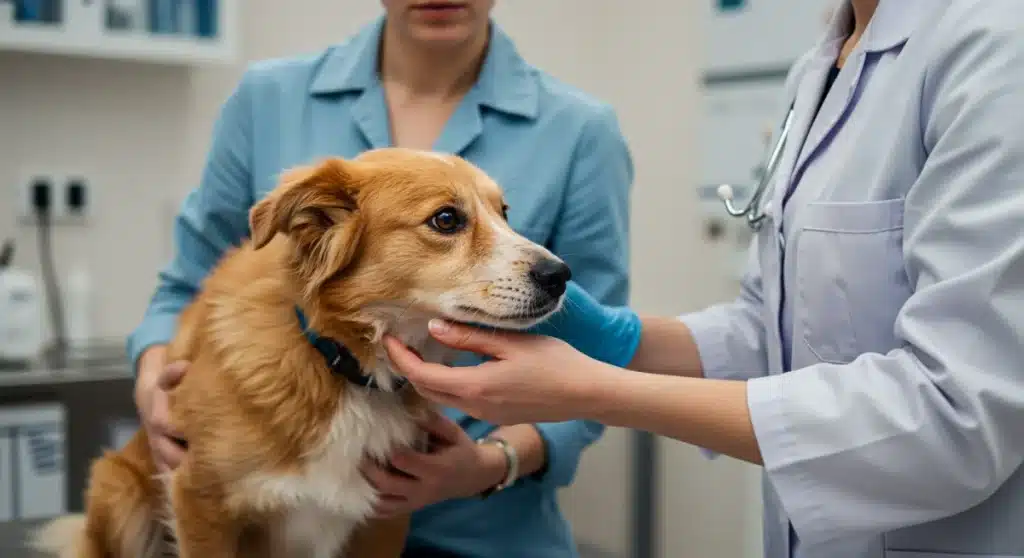
Early detection of pet cancer can save owners up to 30% on treatment costs by 2025, providing significant financial benefits and vastly improving the prognosis and quality of life for their beloved animals.
For many pet owners, the thought of their beloved companion developing cancer is a deeply distressing prospect. Beyond the emotional toll, the financial burden of veterinary cancer treatment can be overwhelming. However, a growing body of evidence suggests that early pet cancer detection could significantly mitigate these costs, with projections indicating savings of up to 30% by 2025. Understanding this financial impact, coupled with the profound health benefits for pets, is crucial for responsible pet ownership.
The rising cost of pet cancer treatment
Pet cancer diagnoses are unfortunately on the rise, influenced by factors such as increased pet longevity and improved diagnostic capabilities. While this means more pets are living longer, it also means more are facing age-related diseases, including various forms of cancer. The cost associated with treating these conditions can vary wildly, depending on the type of cancer, its stage, and the chosen treatment protocols, ranging from thousands to tens of thousands of dollars.
These expenses often include initial diagnostics like biopsies and imaging, chemotherapy, radiation therapy, surgery, and ongoing supportive care. The financial strain can be immense, leading some owners to make difficult decisions about their pet’s care. This escalating trend underscores the urgency of finding ways to make pet cancer management more accessible and less financially daunting for families across the United States.
Understanding the financial burden
The upfront costs for a pet cancer diagnosis can be substantial, often involving multiple specialist visits and a battery of tests. These initial expenditures are just the beginning of a potentially long and expensive journey.
- Diagnostic Tests: Ultrasounds, X-rays, MRI scans, CT scans, and biopsies are essential for accurate diagnosis and staging.
- Specialist Consultations: Visits to veterinary oncologists or surgeons often incur higher fees due to their specialized expertise.
- Initial Medications: Pain management and anti-inflammatory drugs are frequently prescribed even before treatment begins.
Beyond the diagnostic phase, the actual treatment can be even more costly. Chemotherapy cycles, radiation sessions, and complex surgical procedures all contribute to the overall expense. Furthermore, post-treatment monitoring and managing potential side effects add another layer of financial commitment. Early detection, by contrast, often allows for less invasive, less frequent, and therefore less expensive interventions, preventing the cancer from progressing to a more advanced, cost-prohibitive stage.
How early detection impacts treatment options and costs
The fundamental principle behind cost savings through early detection lies in the simplicity and efficacy of treating cancer when it’s localized and hasn’t spread extensively. When cancer is caught early, treatment options are typically broader, less aggressive, and more successful, directly translating into reduced financial outflow for pet owners.
Consider a small, localized tumor versus widespread metastatic disease. The former might be removed with a single surgical procedure, potentially followed by a short course of adjuvant therapy. The latter, however, often requires extensive, multi-modal treatments, prolonged hospitalization, and continuous medication, all of which drive up costs exponentially. Early detection means avoiding many of these complex and expensive interventions, leading to a more favorable prognosis and a lighter financial load.
The role of regular veterinary check-ups
Routine veterinary visits are the cornerstone of early pet cancer detection. During these check-ups, veterinarians can identify subtle changes that might indicate the presence of cancer, even before noticeable symptoms appear. These examinations are not just for vaccinations; they are critical opportunities for comprehensive health assessments.
- Physical Examinations: Vets check for lumps, enlarged lymph nodes, changes in coat or skin, and oral health issues.
- Blood and Urine Tests: These can reveal abnormalities that might suggest underlying systemic disease or early cancer markers.
- Weight and Appetite Monitoring: Significant unexplained changes can be early indicators of various health problems, including cancer.
By scheduling annual or bi-annual check-ups, especially for older pets or breeds predisposed to certain cancers, owners are proactively investing in their pet’s long-term health and, inadvertently, in potential cost savings. These routine visits are a minimal expense compared to the costs associated with advanced cancer treatment.
Diagnostic advancements and their financial implications
The field of veterinary oncology is continually evolving, with significant advancements in diagnostic technologies emerging year after year. These innovations, while initially seeming costly, play a pivotal role in enabling earlier and more accurate cancer detection, which ultimately contributes to the projected cost savings. Tools like advanced imaging, liquid biopsies, and genetic testing are becoming more refined and accessible.
For instance, sophisticated imaging techniques such as high-resolution ultrasound, MRI, and CT scans can pinpoint tumors that might be undetectable through physical examination alone. Liquid biopsies, a relatively new frontier, involve analyzing blood samples for circulating tumor DNA, offering a non-invasive way to screen for certain cancers. While these tests carry a price tag, their ability to detect cancer at its earliest stages means that treatment can begin when it’s most effective and least invasive, sidestepping the need for more aggressive and expensive therapies later on.

Emerging diagnostic technologies
The landscape of veterinary diagnostics is rapidly expanding, offering more precise and less invasive ways to identify cancer. These technologies are not just about finding cancer; they’re about finding it faster.
- Liquid Biopsies: Non-invasive blood tests that detect cancer markers, allowing for earlier screening, especially in high-risk breeds.
- Advanced Imaging: More accessible MRI and CT scans provide detailed views of internal organs, revealing hidden tumors.
- Genetic Screening: Identifying predispositions to certain cancers in specific breeds, enabling targeted monitoring and preventative measures.
These innovations, coupled with a proactive approach from pet owners and veterinarians, create a powerful synergy for fighting pet cancer effectively and efficiently. The investment in these advanced diagnostics upfront can lead to substantial savings by preventing the need for complex, late-stage treatments that are often less successful and more financially burdensome.
The 2025 financial impact analysis: Projected savings
Analyzing the financial landscape, experts project that by 2025, pet owners who prioritize early pet cancer detection could see treatment cost reductions of up to 30%. This projection is based on several factors: the increasing availability and decreasing cost of early diagnostic tools, greater awareness among pet owners, and the continued development of less invasive, more targeted early-stage treatments.
The savings are not merely hypothetical; they are rooted in the direct correlation between the stage of cancer at diagnosis and the complexity and duration of treatment. A localized tumor, as mentioned, is often a simpler, quicker fix. A metastatic cancer, on the other hand, frequently demands a prolonged battle with multiple modalities, each adding to the financial burden. The 30% saving represents the cumulative effect of avoiding these escalated costs, reducing the need for extensive surgeries, prolonged chemotherapy regimens, and extended hospital stays.
Case studies and statistical evidence
Real-world examples and statistical data reinforce the economic benefits of early detection. Studies from veterinary oncology centers consistently show a significant disparity in treatment costs between early-stage and advanced-stage cancers.
- Tumor Excision: Small, early-stage tumors can often be removed surgically at a fraction of the cost of treating large, invasive masses.
- Chemotherapy Protocols: Early-stage cancers may require fewer chemotherapy cycles, reducing medication costs and veterinary visits.
- Radiation Therapy: Targeted radiation for localized tumors is generally less extensive and less expensive than treating widespread disease.
These examples illustrate a clear economic advantage to vigilance. Pet owners who are proactive in monitoring their pets for changes and adhering to regular veterinary check-ups are not just improving their pet’s health outcomes; they are also making a sound financial decision that can save them thousands of dollars in the long run. The 2025 projection of 30% savings serves as a powerful incentive for prioritizing early detection strategies.
Preventative measures and lifestyle choices
Beyond early detection, preventative measures and healthy lifestyle choices play a crucial role in reducing the overall risk of cancer in pets, thereby indirectly contributing to cost savings. While not all cancers are preventable, many can be influenced by diet, exercise, and environmental factors. A holistic approach to pet care encompasses not just reactive treatment but proactive prevention.
Providing a balanced diet, ensuring adequate exercise, maintaining a healthy weight, and minimizing exposure to known carcinogens (like secondhand smoke or certain pesticides) can significantly lower a pet’s cancer risk. These measures are often inexpensive or even cost-saving in themselves, as they contribute to overall pet health and reduce the likelihood of other diseases as well. Investing in a healthy lifestyle for your pet is a long-term strategy for both their well-being and your financial peace of mind.
Diet, exercise, and environmental factors
Small, consistent efforts in daily pet care can have a profound impact on cancer prevention. These actions are often within reach for most pet owners and yield benefits far beyond just cancer risk reduction.
- Balanced Nutrition: High-quality pet food appropriate for age, breed, and activity level.
- Regular Exercise: Maintaining a healthy weight reduces inflammation and metabolic stress, factors linked to cancer.
- Environmental Toxin Avoidance: Limiting exposure to pesticides, herbicides, and tobacco smoke.
By adopting these preventative strategies, pet owners can significantly reduce the chances of their pets developing cancer, thereby avoiding the emotional and financial distress associated with treatment. This proactive approach, combined with diligent early detection efforts, forms the most comprehensive strategy for managing pet cancer and its costs.
The emotional and quality of life benefits
While the financial savings are a compelling argument for early pet cancer detection, the emotional and quality of life benefits for both pets and their owners are arguably even more significant. Catching cancer early often means a less aggressive treatment path, leading to less pain, discomfort, and stress for the animal. It also means more time, and better quality time, with beloved companions.
When cancer is detected at an advanced stage, treatments can be more debilitating, with a higher likelihood of side effects and a diminished prognosis. This can lead to difficult decisions about euthanasia and prolonged periods of suffering for the pet, and immense grief for the owner. Early detection, by contrast, offers the hope of remission, extended life, and a return to normal activities, preserving the cherished bond between pets and their families. The peace of mind that comes from knowing you’ve done everything possible for your pet’s health is immeasurable.
Preserving the human-animal bond
The relationship between humans and their pets is unique and deeply impactful. Early cancer detection plays a vital role in protecting this bond by maximizing the pet’s health and lifespan.
- Reduced Suffering: Less invasive treatments from early detection mean less pain and a quicker recovery for pets.
- Extended Time Together: A better prognosis translates to more years of companionship and joy.
- Financial Relief: Reduced costs alleviate stress, allowing owners to focus on their pet’s well-being rather than financial strain.
Ultimately, the proactive pursuit of early cancer detection is an act of profound love and responsibility. It safeguards not only the pet’s physical health but also the emotional well-being of the entire family. The financial savings are a welcome bonus, but the true reward lies in the extended, healthy life of a cherished family member.
| Key Point | Brief Description |
|---|---|
| Cost Savings | Early detection can save up to 30% on pet cancer treatment costs by 2025. |
| Improved Outcomes | Earlier diagnosis leads to more effective, less invasive treatments and better prognoses. |
| Role of Vet Visits | Regular check-ups are crucial for identifying subtle cancer signs early. |
| Advanced Diagnostics | New technologies like liquid biopsies aid in non-invasive, early cancer detection. |
Frequently asked questions about early pet cancer detection
Projections indicate that early detection of pet cancer can reduce treatment costs by up to 30% by 2025. This significant saving stems from avoiding more aggressive, prolonged, and expensive treatments often required for advanced-stage cancers, allowing for simpler, more targeted interventions.
Common early signs include unexplained lumps or bumps, persistent lameness, loss of appetite, sudden weight loss, lethargy, difficulty breathing, changes in urination or defecation, and non-healing sores. Any noticeable change in your pet’s behavior or physical condition warrants veterinary attention.
Veterinarians utilize a range of tests including physical examinations, blood work, urinalysis, X-rays, ultrasounds, and increasingly, advanced imaging like CT/MRI scans. Emerging technologies such as liquid biopsies and genetic screening are also becoming more prevalent for certain cancer types.
Annual or bi-annual veterinary check-ups are highly recommended, especially for older pets or breeds known to be predisposed to specific cancers. Your veterinarian can advise on a tailored screening schedule based on your pet’s age, breed, and individual health history.
Yes, maintaining a healthy weight through a balanced diet and regular exercise is crucial. Limiting exposure to environmental carcinogens like secondhand smoke and certain chemicals also helps. Spaying or neutering at an appropriate age can reduce the risk of certain reproductive cancers.
Conclusion
The journey of pet ownership is filled with immense joy, but also significant responsibility. The financial and emotional toll of pet cancer can be daunting, yet the evidence is clear: prioritizing early pet cancer detection offers a powerful solution. By 2025, proactive measures are expected to yield up to 30% in treatment cost savings, while simultaneously providing pets with a better chance at successful outcomes and an improved quality of life. This financial relief, coupled with the extended, healthier years with our cherished companions, underscores the invaluable role of regular veterinary care and vigilance in safeguarding our pets’ well-being.