Feline Kidney Disease: 5 Lesser-Known Symptoms in 2025
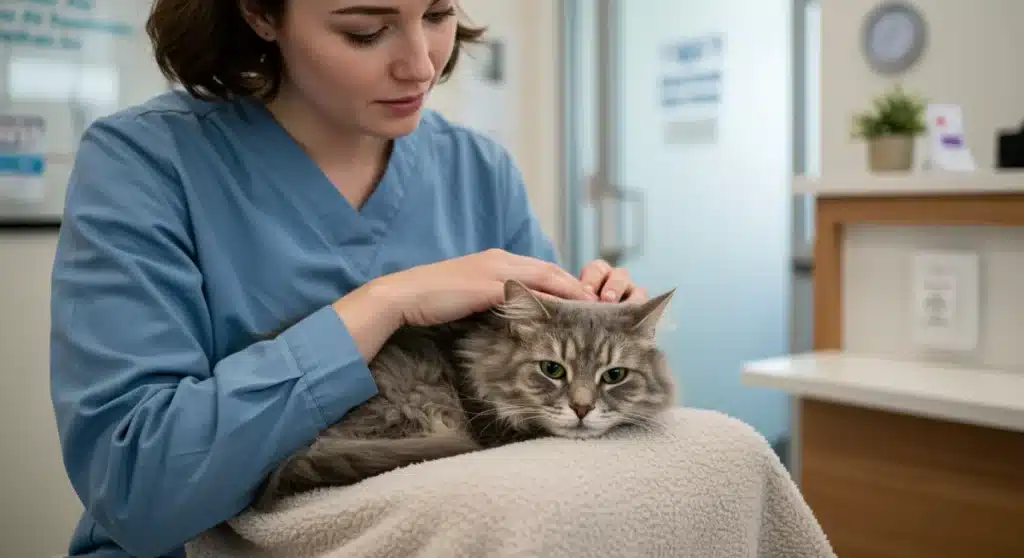
Recognizing feline kidney disease symptoms beyond the obvious is critical for early diagnosis and intervention, significantly impacting a a cat’s long-term health and well-being.
As devoted cat parents, we often pride ourselves on knowing our feline companions inside and out. However, some of the most critical health issues, like feline kidney disease, can manifest with subtle, easily missed signs. This article aims at unveiling 5 lesser-known symptoms of feline kidney disease that demand immediate vet attention in 2025 (insider knowledge), empowering you to advocate for your cat’s health before it’s too late. Early detection is paramount, and understanding these nuanced indicators can truly be a game-changer for your beloved pet.
Understanding feline kidney disease: a silent threat
Feline kidney disease, also known as renal disease, is a common and serious condition, particularly in older cats. The kidneys play a vital role in filtering waste products from the blood, producing hormones, regulating blood pressure, and maintaining electrolyte balance. When their function declines, toxins can build up in the body, leading to a cascade of health problems. Many cat owners are familiar with the classic signs like increased thirst and urination, but the insidious nature of this disease means that by the time these obvious symptoms appear, the condition may already be quite advanced.
It’s crucial for every cat owner to grasp the gravity of kidney disease. Cats are masters at hiding illness, a survival instinct from their wild ancestors. This makes early identification of more subtle symptoms an invaluable tool in their care. The information presented here goes beyond the surface, offering insights that could significantly impact your cat’s prognosis and quality of life.
The kidneys’ vital role
- Waste filtration: Removing toxins and metabolic byproducts from the blood.
- Fluid balance: Regulating water levels in the body to prevent dehydration or overhydration.
- Hormone production: Producing erythropoietin, essential for red blood cell production, and active vitamin D, for bone health.
- Blood pressure regulation: Contributing to the maintenance of healthy blood pressure levels.
Understanding these functions helps underscore why even minor kidney dysfunction can have widespread effects. The progressive nature of feline kidney disease means that symptoms often worsen over time, making regular veterinary check-ups and vigilance for unusual signs absolutely essential. This proactive approach is the best defense against this prevalent condition.
Lesser-known symptom 1: unexplained changes in coat quality
One of the most overlooked indicators of underlying health issues in cats, including kidney disease, is a noticeable deterioration in their coat quality. Cats are meticulous groomers, and a healthy coat is often a reflection of their overall well-being. When a cat’s kidneys are failing, toxins accumulate in their system, which can directly impact skin and coat health in ways that aren’t immediately obvious.
Owners might observe a coat that suddenly appears dull, greasy, matted, or unkempt, despite the cat’s usual grooming habits. This isn’t just a cosmetic issue; it’s a potential red flag. The buildup of uremic toxins can lead to poor skin hydration, reduced oil production, and even changes in hair follicle health, making the fur brittle and lackluster. Furthermore, cats suffering from chronic kidney disease often feel generally unwell, leading to a decrease in their self-grooming behavior. The effort required to groom becomes too much, or they simply don’t feel good enough to maintain their pristine appearance.
Signs to watch for in coat and skin
- Dull or greasy fur: A loss of the natural sheen, often accompanied by a greasy texture.
- Matt formation: Patches of matted fur, especially around the hindquarters or lower back, indicating reduced self-grooming.
- Flaky skin or dandruff: Dry, irritated skin can be a sign of dehydration or metabolic imbalances.
- Hair loss or thinning: While less common, localized hair loss can sometimes be related to systemic illness affecting skin health.
If you notice any significant, persistent changes in your cat’s coat that cannot be attributed to external factors like parasites or recent bathing, it warrants a closer look by your veterinarian. These subtle shifts can be early warnings that something deeper is amiss, providing a crucial opportunity for early diagnosis and intervention for feline kidney disease symptoms.
Lesser-known symptom 2: selective appetite or food aversion
While a general decrease in appetite is a well-known symptom of many illnesses, including kidney disease, a more specific and often overlooked sign is a cat’s sudden development of selective appetite or aversion to certain foods, particularly those they once loved. This isn’t just about eating less; it’s about a distinct change in their food preferences and willingness to eat.
Cats with kidney disease can experience nausea, oral discomfort, and a metallic taste in their mouths due to the buildup of toxins like urea. This can make previously appealing foods repulsive. They might turn their nose up at their favorite wet food, or only pick at dry kibble, showing a clear disinterest in eating despite appearing hungry. This specific type of pickiness can be a strong indicator that something is affecting their gastrointestinal system and overall comfort.
Why food preferences shift
- Uremic gastropathy: The accumulation of toxins irritates the stomach lining, causing nausea and vomiting.
- Oral lesions: Uremic stomatitis can cause painful mouth sores, making eating uncomfortable.
- Anemia: Kidney disease can lead to anemia, causing lethargy and a general lack of interest in food.
- Altered taste perception: The metallic taste from urea can make food unappetizing.
Observing your cat’s eating habits closely is vital. If your cat suddenly becomes a finicky eater, especially if it coincides with other subtle changes, don’t dismiss it as mere pickiness. This selective appetite could be an early warning sign of kidney dysfunction, necessitating a prompt veterinary examination to assess for feline kidney disease symptoms and implement appropriate dietary management.
Lesser-known symptom 3: increased vocalization or behavioral changes
Changes in a cat’s vocalization patterns or overall behavior are often attributed to aging, stress, or other environmental factors. However, an unexplained increase in meowing, howling, or other vocalizations, particularly at night, can be a less obvious symptom of discomfort or distress related to kidney disease. This behavioral shift can be especially telling when it’s out of character for your cat.
Cats experiencing kidney failure may feel disoriented, confused, or generally unwell due to toxin buildup affecting their neurological function. This discomfort can manifest as restlessness, increased vocalization, or even changes in their sleep-wake cycle. They might wander aimlessly, seem agitated, or seek more attention than usual, or conversely, become more withdrawn. These behavioral anomalies are often dismissed as ‘just old age’ but can be critical clues to an underlying medical condition.
Behavioral red flags to note
- Inappropriate urination/defecation: While often linked to urinary issues, kidney discomfort can also lead to accidents outside the litter box.
- Increased hiding: A cat feeling unwell may seek solitude and hide more than usual.
- Changes in interaction: Becoming more clingy or unusually aggressive/irritable.
- Restlessness or pacing: Especially at night, indicating discomfort or disorientation.
It’s important to differentiate between typical feline quirks and genuine changes in behavior that persist and seem out of place. If your cat suddenly starts vocalizing more, particularly with a distressed tone, or exhibits other significant behavioral shifts, consider seeking veterinary advice. These changes, when linked to kidney disease, often stem from physiological discomfort or cognitive impairment due to the accumulating toxins, making them important feline kidney disease symptoms to address.
Lesser-known symptom 4: bad breath (halitosis) beyond dental issues
While bad breath in cats is commonly associated with dental disease, a persistent and unusually foul odor, often described as ammonia-like or metallic, can be a significant indicator of kidney dysfunction. This specific type of halitosis, known as uremic breath, occurs when the kidneys are no longer effectively filtering urea and other waste products from the blood.
As these toxins build up in the bloodstream, they are eventually excreted through various routes, including the breath. The breakdown of urea in the saliva can produce an ammonia-like smell, which is distinct from the typical odor of dental plaque or gum disease. While dental issues should certainly be ruled out, if your cat’s breath has a particularly pungent, chemical-like smell, it’s a strong reason to suspect kidney problems.
Distinguishing uremic breath
- Ammonia-like smell: A distinct, sharp odor reminiscent of ammonia.
- Metallic taste/smell: Some owners report a metallic component to the breath.
- Persistent despite dental care: If the bad breath persists even after professional dental cleaning, it points to a systemic issue.
- Accompanied by oral sores: Uremic stomatitis, causing mouth ulcers, can exacerbate the bad breath.
Don’t dismiss persistent, unusually strong bad breath merely as old age or a need for a dental cleaning. While dental health is crucial, if the odor is particularly acrid or chemical, it could be a critical sign of kidney failure. A veterinarian can perform blood tests to check kidney function and determine if this specific type of halitosis is indeed a symptom of kidney disease, allowing for timely intervention for feline kidney disease symptoms.
Lesser-known symptom 5: subtle changes in paw pads and nails
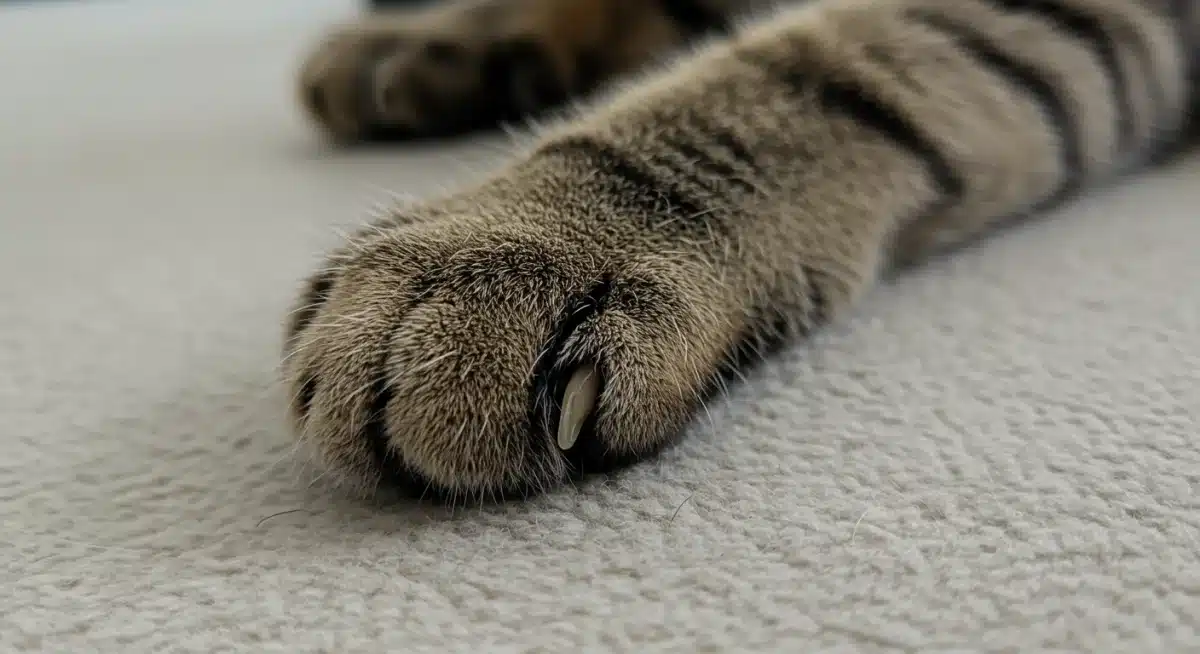
This symptom is perhaps the most subtle and easily overlooked, yet it can be a valuable clue in the early stages of feline kidney disease. Changes in the texture, color, or integrity of a cat’s paw pads and nails can sometimes be linked to systemic health issues, including chronic kidney disease. While not a direct result of kidney failure, these changes can be secondary indicators of metabolic imbalances or poor general health.
Cats with kidney disease may experience dehydration, electrolyte imbalances, and poor circulation, all of which can affect the extremities. You might notice their paw pads becoming unusually dry, flaky, or even developing small cracks. Their nails could become more brittle, prone to breaking, or grow abnormally. These changes reflect a general decline in the body’s ability to maintain healthy tissues and proper hydration, making them important, albeit indirect, indicators of underlying illness.
What to observe on paws and nails
- Dry, cracked paw pads: Unexplained dryness or fissuring that isn’t due to environmental factors.
- Brittle or peeling nails: Nails that break easily, peel, or have an unusual texture.
- Changes in nail growth: Nails growing unusually fast or slow, or with an odd shape.
- Discoloration: While rare, subtle changes in pad or nail color could sometimes be suggestive of systemic issues.
Regularly examining your cat’s paws and nails during grooming or cuddle sessions can help you spot these minute changes. If you notice persistent abnormalities that don’t resolve with topical treatments or environmental adjustments, it’s worth mentioning to your vet. These subtle physical signs, when combined with other behavioral or physical changes, can contribute to a more comprehensive picture of your cat’s health and lead to an earlier diagnosis of feline kidney disease symptoms.
| Key Symptom | Brief Description |
|---|---|
| Coat Quality Changes | Dull, greasy, or matted fur despite regular grooming. |
| Selective Appetite | Aversion to previously favorite foods, not just general anorexia. |
| Increased Vocalization | Unexplained meowing or howling, especially at night, or restlessness. |
| Uremic Breath | Ammonia-like or metallic bad breath beyond typical dental issues. |
Frequently asked questions about feline kidney disease
For adult cats, annual veterinary check-ups including blood and urine tests are recommended. For cats over seven years old, screening twice a year is often advised due to their increased risk of developing kidney issues. Early detection is key for managing feline kidney disease symptoms effectively.
Yes, specialized renal diets are a cornerstone of kidney disease management. These diets are typically lower in protein, phosphorus, and sodium, and often supplemented with omega-3 fatty acids. They help reduce the workload on the kidneys and slow disease progression, alleviating some feline kidney disease symptoms.
Beyond increased thirst and urination, subtle signs like a dull coat, selective appetite, increased vocalization, or even changes in paw pad texture can be early indicators. These less obvious feline kidney disease symptoms often require keen observation from owners and prompt veterinary consultation.
The prognosis varies depending on the stage of diagnosis and how well the cat responds to treatment. With early detection and aggressive management, many cats can maintain a good quality of life for months to years. Regular monitoring is crucial to adapt treatment as the disease progresses and manage feline kidney disease symptoms.
While complete prevention isn’t always possible, maintaining a healthy weight, providing a high-quality diet, ensuring constant access to fresh water, and regular veterinary check-ups can help support kidney health. Early intervention for any detected issues can slow the onset or progression of feline kidney disease symptoms.
Conclusion
The journey of pet ownership is filled with joy, but also with the responsibility of safeguarding our companions’ health. Feline kidney disease represents a significant challenge, often progressing silently until advanced stages. By familiarizing ourselves with these five lesser-known symptoms—unexplained changes in coat quality, selective appetite, increased vocalization, uremic breath, and subtle alterations in paw pads and nails—we empower ourselves with the insider knowledge needed to act swiftly. These subtle cues, when heeded, can lead to earlier diagnosis and intervention, dramatically improving the quality of life and longevity for our cherished feline friends. Always remember that your veterinarian is your best partner in identifying and managing these complex health issues.