Integrating a New Pet: 3-Week Behavior Adjustment Protocol 2025
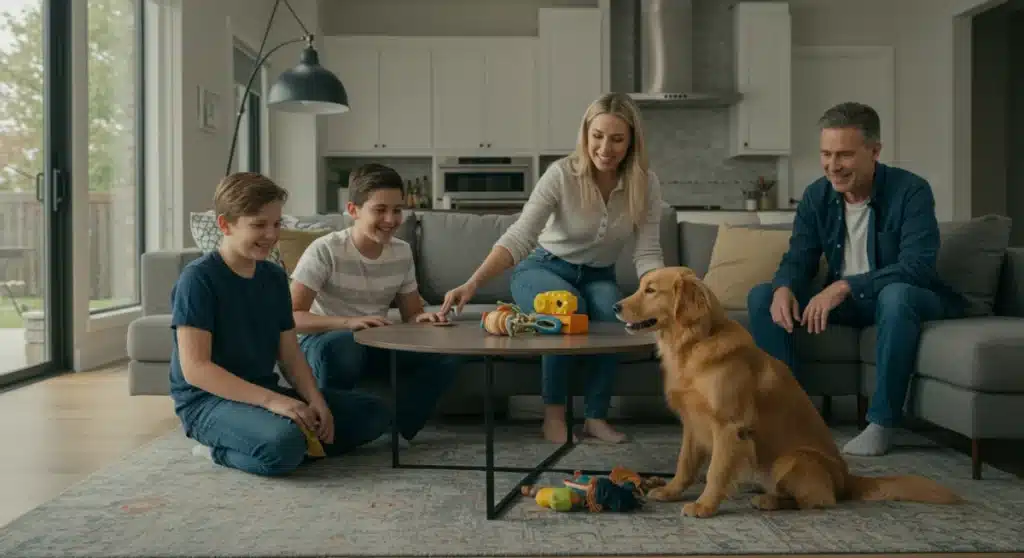
Implementing a structured 3-week behavior adjustment protocol is crucial for successfully integrating a new pet into your US home, preventing common behavioral issues and fostering a harmonious, lasting relationship.
Bringing a new pet into your home is an exciting time, filled with anticipation and joy. However, successfully integrating a new pet: a 3-week behavior adjustment protocol for US homes in 2025 to ensure harmony is more than just opening your door; it requires a thoughtful, structured approach to help your new companion adapt and thrive. This guide will walk you through a proven plan designed to make the transition smooth for everyone involved, reducing stress and building a strong foundation for a happy life together.
Understanding the Initial Adjustment Phase
The first few days and weeks are critical for a new pet. They are entering an unfamiliar environment, potentially leaving behind everything they once knew. This initial period is characterized by exploration, anxiety, and the beginnings of forming new routines and bonds. Recognizing these challenges helps pet owners approach the situation with empathy and patience.
Creating a Safe and Secure Environment
Before your new pet even arrives, it’s essential to prepare a designated safe space. This area should be quiet, comfortable, and equipped with all their basic needs. Think of it as their personal sanctuary during the overwhelming initial days.
- Identify a low-traffic room in your home.
- Provide a comfortable bed or crate with soft bedding.
- Ensure access to fresh water and food bowls.
- Include a few appropriate toys for comfort and enrichment.
This dedicated space allows your pet to decompress and observe their new surroundings from a secure vantage point. It reduces sensory overload and provides a consistent, predictable refuge. Gradually, as they gain confidence, they will start exploring other areas of the house.
Understanding the pet’s perspective during this adjustment phase is paramount. They are processing a vast amount of new information, from smells and sounds to new human and animal companions. Patience and consistency in providing a secure base will lay the groundwork for successful integration.
Week 1: Establishing Routines and Boundaries
The first week focuses on introducing your new pet to their daily routine and setting clear, consistent boundaries. Structure provides comfort and predictability, which are vital for a pet adjusting to a new home. This period is about gentle introductions and observation.
Daily Schedule for Stability
A consistent schedule for feeding, potty breaks, and playtime helps your pet understand what to expect. This reduces anxiety and reinforces positive behaviors. For puppies or kittens, frequent potty breaks are crucial.
- Morning Routine: Potty break, feeding, short play/training session.
- Mid-day (if applicable): Potty break, quiet time.
- Evening Routine: Potty break, feeding, longer play/training, winding down.
- Before Bed: Final potty break.
Consistency is key. Try to stick to these times as closely as possible, even on weekends. This builds trust and helps your pet feel secure in their new environment. Observe their cues closely for signs of needing to go outside or other needs.
Establishing boundaries from day one is equally important. Decide what areas are off-limits, what furniture they are allowed on, and what behaviors are unacceptable. Use positive reinforcement to reward desired behaviors, such as sitting quietly or going to their designated spot.
During this first week, limit overwhelming interactions. Allow your pet to initiate contact and keep interactions short and positive. Avoid forcing affection, as this can be counterproductive and increase stress. The goal is to build a positive association with you and their new home.
Week 2: Socialization and Gradual Exploration
With a routine established and some comfort gained, week two shifts towards careful socialization and expanding your pet’s world within the home. This involves controlled introductions to family members, other pets, and new stimuli, always prioritizing safety and positive experiences.


Controlled Introductions to Family and Other Pets
If you have other family members or pets, introductions should be slow and supervised. For other pets, especially dogs and cats, initial introductions through a barrier (like a baby gate) are often recommended. This allows them to smell and see each other without direct physical contact, reducing potential conflict.
- Keep initial meetings short and positive.
- Reward calm behavior from all animals involved.
- Always supervise interactions, even after initial acceptance.
- Provide separate resources (food, water, beds) to avoid competition.
For human family members, teach them how to interact respectfully with the new pet. This includes understanding body language, avoiding sudden movements, and allowing the pet to approach them. Children should be taught gentle handling and supervised at all times. Socialization is not about forcing interactions but about creating positive associations.
Gradually allow your pet to explore more of the house, always under supervision. This helps them become familiar with different rooms, sounds, and smells. Continue to reinforce good behavior with praise and treats, making exploration a rewarding experience. This phase is crucial for building confidence and helping your pet feel truly at home.
Week 3: Reinforcing Training and Expanding Horizons
By week three, your pet should be showing increased comfort and confidence. This is the time to reinforce basic training, solidify good behaviors, and slowly introduce them to the outside world. The goal is to build upon the foundation laid in the previous weeks, preparing them for a well-adjusted life.
Basic Obedience and Positive Reinforcement
Continue with short, frequent training sessions focusing on basic commands like sit, stay, come, and leash manners. Consistency and positive reinforcement are still paramount. Rewards can be treats, praise, or favorite toys.
- Practice commands in various locations within the home.
- Keep training sessions fun and engaging to build a positive association.
- Address any emerging behavioral issues promptly with positive methods.
- Consider enrolling in a basic obedience class for further guidance.
Expanding horizons means carefully introducing your pet to controlled outdoor environments. For dogs, this might mean short, calm walks around the block. For cats, supervised time in a secure catio or on a harness and leash (if they tolerate it) can provide enrichment. Always ensure they are up-to-date on vaccinations and parasite prevention before outdoor excursions.
This week is also a good time to schedule a vet visit if you haven’t already. A check-up ensures your pet is healthy and allows you to discuss any concerns with a professional. The vet can also provide guidance on nutrition, preventative care, and further socialization tips. By the end of week three, your new pet should be well on their way to becoming a cherished and integrated member of your family.
Addressing Common Challenges During Integration
Even with the best preparation, challenges can arise when integrating a new pet: a 3-week behavior adjustment protocol for US homes in 2025 to ensure harmony. Understanding common issues and how to address them proactively can prevent minor hiccups from becoming significant problems. Patience and consistency remain your most valuable tools.
Managing Anxiety and Destructive Behaviors
New pets often exhibit signs of anxiety, such as excessive barking, destructive chewing, or house soiling. These are often stress responses to their new environment. Providing a consistent routine, ample exercise, and mental stimulation can alleviate many of these issues.
- Ensure they have appropriate chew toys to redirect destructive chewing.
- Increase playtime and exercise to burn off excess energy.
- Avoid punishing accidents; instead, clean thoroughly and reinforce outdoor potty use.
- Consider calming aids or consulting a vet/behaviorist for severe anxiety.
Another common challenge is inter-pet aggression or tension. If initial introductions were rushed or if underlying behavioral issues exist, conflicts can occur. It’s crucial to separate pets immediately if aggression arises and seek professional guidance from a certified animal behaviorist. Never force interactions or leave potentially aggressive animals unsupervised.
Resource guarding, where a pet becomes possessive over food, toys, or even people, is another behavior to watch for. This can be managed by ensuring ample resources for all pets and teaching them to share through positive reinforcement. Early intervention for these challenges is key to fostering a harmonious multi-pet household. Remember, every pet is unique, and some may require more time and specialized attention.
Long-Term Strategies for Continued Harmony
While the 3-week protocol provides a strong foundation, successful pet integration is an ongoing process. Long-term strategies ensure that the harmony established continues to flourish, adapting to your pet’s evolving needs and reinforcing positive behaviors throughout their life. This commitment fosters a deep, lasting bond.
Ongoing Training and Enrichment
Continue with regular training sessions, even after your pet has mastered basic commands. Learning new tricks or participating in advanced classes keeps their minds stimulated and strengthens your bond. Enrichment activities are also vital for their well-being.
- Introduce puzzle toys to challenge their minds.
- Vary your walking routes to provide new smells and sights.
- Continue to provide safe chew items and interactive play.
- Consider dog sports or advanced obedience for highly energetic pets.
Regular veterinary check-ups are essential for monitoring your pet’s health and addressing any issues early. A healthy pet is a happy pet. Additionally, be mindful of changes in your pet’s behavior, which can often signal underlying health problems or stress. Promptly addressing these changes can prevent escalation.
Continuing to provide a secure and loving environment where your pet feels safe and valued is the ultimate long-term strategy. This includes consistent routines, clear expectations, and plenty of positive interaction. A well-adjusted pet is a testament to the care and dedication of their owners, contributing significantly to a harmonious household for years to come.
| Key Protocol Phase | Brief Description of Focus |
|---|---|
| Week 1: Foundations | Establishing safe spaces, consistent routines, and basic boundaries for comfort. |
| Week 2: Socialization | Gradual, controlled introductions to family and other pets, expanding exploration. |
| Week 3: Reinforcement | Solidifying training, expanding to outdoor environments, and vet check-ups. |
| Ongoing Harmony | Continuous training, enrichment, and health monitoring for a lasting bond. |
Frequently Asked Questions About Pet Integration
While our protocol focuses on the crucial first three weeks, full adjustment can vary. Some pets adapt within a few weeks, while others might take several months. Factors like their past experiences, personality, and consistency in your home all play a role in the timeline.
Loss of appetite or thirst can be a sign of stress or illness. Ensure they have a quiet, undisturbed area for food and water. If it persists for more than 24 hours, or if accompanied by other symptoms like lethargy or vomiting, contact your veterinarian immediately.
Start with scent swapping, then visual introductions through a baby gate or crate. Keep initial meetings short and positive, always supervised. Reward calm behavior from both animals. Never leave them unsupervised until you are confident they are comfortable and safe together.
Yes, hiding is a common stress response for new pets, especially cats. Ensure they have a designated safe space where they can retreat. Do not force them out. Offer treats and gentle words, letting them come out on their own terms. Patience is key during this period.
Once your pet has settled into their new home and established a basic routine (typically after the 3-week adjustment period), formal training classes can be beneficial. Ensure they are up-to-date on vaccinations before attending group classes to protect their health.
Conclusion
Successfully integrating a new pet into your home is a rewarding journey that requires dedication, patience, and a structured approach. By following this 3-week behavior adjustment protocol, you are not just bringing a new animal into your space; you are fostering a deep, harmonious relationship built on trust and understanding. Remember that every pet is an individual, and while this protocol offers a robust framework, flexibility and keen observation of your pet’s specific needs will ensure the best possible outcome. The effort invested in these initial weeks will undoubtedly pave the way for years of companionship and joy within your US home.