
Living with pets in an apartment presents a unique set of challenges and opportunities. While the love and companionship our furry friends offer are immeasurable, ensuring their comfort, safety, and happiness within a confined urban environment requires thoughtful planning and innovative solutions. Gone are the days when a simple food bowl and a bed sufficed; modern pet ownership in apartments calls for a more integrated approach that considers both the pet’s innate needs and the practicalities of shared living spaces.
The landscape of pet ownership has dramatically evolved, with a significant increase in urban dwellers choosing to share their homes with animals. This shift has spurred a wave of creativity in product design and apartment modifications, moving beyond basic necessities to embrace holistic well-being. Understanding how to adapt your living space to cater to your pet’s physical and psychological needs is not just about convenience; it’s about fostering a harmonious environment where both you and your companion can thrive.
This article delves into the latest trends and required strategies for crafting the ideal pet-friendly apartment. We’ll explore smart technology that simplifies pet care, innovative furniture designs that maximize space without sacrificing style, and creative ways to bring the outdoors inside. we’ll discuss sensory enrichment techniques to keep your pet mentally stimulated and how to future-proof your home with sustainable and adaptable solutions, ensuring your pet’s pad remains perfect for years to come.
Beyond Basic: Understanding Modern Pet Needs in Urban Living
Pet ownership in apartments has shifted dramatically, moving past simple food and water to embrace a more holistic view of animal well-being. What most people miss is how key environmental design is for pets living in smaller, often vertical, spaces. The transition from a backyard to a balcony can be jarring for an animal, impacting their mental and physical health in ways we are only now fully appreciating. Confined environments present unique psychological challenges, such as boredom and anxiety from lack of stimulation, as well as physical hurdles like insufficient exercise space. A recent study by the American Pet Products Association revealed that 73% of urban pet owners currently reside in apartments or condominiums, a significant jump from just 55% a decade ago. This data suggests a clear trend: more pets are living indoors, making thoughtful apartment design less of a luxury and more of a necessity. Modern approaches now consider factors like vertical space utilization for cats — think climbing structures that offer both exercise and a sense of security, much like exploring the outdoors provides. For dogs, integrating smart tech for mental stimulation during long workdays is gaining traction. — Have you considered how a simple puzzle toy could brighten their day? — We are seeing a greater emphasis on solutions that minimize stress and promote active, engaged lives, even within limited square footage. This goes far beyond just providing a bed; it’s about creating an environment that understands and responds to their innate behaviors, much like providing evolving trends in safe indoor enrichment for cats. The underrated factor here is how small, consistent innovations can collectively transform an apartment into a true sanctuary for our animal companions.
Smart Tech for smooth Pet Integration: The Latest Innovations
Integrating pets into apartment living used to mean just a food bowl and a leash, but smart technology is changing the game. These clever devices help bridge the gap when you’re away, making sure your furry friends are fed, hydrated, and even entertained. What most people miss is how these tools offer not just convenience, but also peace of mind for pet parents. A recent survey by the American Pet Products Association (APPA) revealed that 73% of pet owners believe technology makes pet care easier, a significant jump from a decade ago. This shift highlights a growing reliance on automated solutions.
Automated Feeding & Hydration Systems
Gone are the days of worrying about missed meals or empty water bowls. Automated feeders precisely dispense kibble at scheduled times, ensuring your pet sticks to a consistent diet, which is critical for their health. Some models even allow you to customize portion sizes via an app, a handy feature for managing a pet’s weight. For hydration, smart fountains filter water and encourage pets to drink more throughout the day, a simple yet effective way to support their kidney health. (For more ideas on keeping your pet hydrated, check out our guide on innovative hydration strategies). These systems are like having a personal chef and water bearer for your pet. They take the guesswork out of daily routines.
Remote Monitoring and Interaction Devices
Ever wonder what your pet does when you’re not home? Pet cameras with two-way audio and treat dispensers let you check in and even interact from afar. You can soothe an anxious dog with your voice or reward good behavior with a remote treat. Some cameras offer wide-angle views and night vision, ensuring you don’t miss a thing. The data suggests — though not conclusively — that regular remote interaction can reduce separation anxiety in some pets.
| Smart Pet Tech Category | Pros | Cons |
|---|---|---|
| Automated Feeders | Consistent meal times, portion control, fresh food | Requires refill, potential for mechanical failure, initial cost |
| Pet Cameras | Remote monitoring, two-way audio, treat dispensing | Privacy concerns, internet dependency, can increase pet anxiety if overused |
| Smart Litter Boxes | Self-cleaning, odor control, health monitoring (some models) | High initial cost, specific litter requirements, maintenance of components |
| Remote Treat Dispensers | Positive reinforcement, entertainment, distraction | Can overfeed if not monitored, some pets don’t respond to remote interaction |
The integration of these devices paints a picture of modern pet care that’s far more connected and responsive than ever before. This evolving landscape of pet tech will undoubtedly continue to shape how we care for our companions in urban environments.
Consistent placement and positive reinforcement are key for any indoor potty training to succeed.
— Dr. Emily Carter, Veterinary Behaviorist at the ASPCA
| Smart Pet Tech Category | Pros | Cons |
|---|---|---|
| Automated Feeders | Consistent meal times, portion control, fresh food | Requires refill, potential for mechanical failure, initial cost |
| Pet Cameras | Remote monitoring, two-way audio, treat dispensing | Privacy concerns, internet dependency, can increase pet anxiety if overused |
| Smart Litter Boxes | Self-cleaning, odor control, health monitoring (some models) | High initial cost, specific litter requirements, maintenance of components |
| Remote Treat Dispensers | Positive reinforcement, entertainment, distraction | Can overfeed if not monitored, some pets don’t respond to remote interaction |
Designing for Harmony: Space-Saving & Multi-Functional Pet Furniture
Creating a pet-friendly apartment doesn’t mean sacrificing your aesthetic or living space. Modern solutions now blend pet needs into stylish furniture, making small apartments feel larger and more organized. What most people miss is how thoughtful design can actually enhance both human and animal comfort.
Integrated Resting & Hiding Spots
Think beyond the traditional pet bed taking up floor space. Innovative designs now feature integrated resting areas, like beds tucked into coffee tables or side tables. For example, a popular trend involves modular shelving units that include a cozy cubby specifically sized for a cat or small dog, complete with a soft cushion. This allows pets to have their own retreat without cluttering the main living area. According to a recent survey by the American Pet Products Association, 73% of pet owners consider their pets when buying furniture, highlighting a growing demand for these dual-purpose items. Another clever approach involves furniture with hidden compartments. Imagine an ottoman that, when opened, reveals a comfortable dog bed, or a TV console with a discreet, well-ventilated cat den. These pieces offer pets a sense of security and privacy — key for their well-being — while keeping your living space clean and uncluttered. It’s like having a secret hideout for your furry friend, available whenever they need a quiet moment.
Vertical Playgrounds and Climbing Walls
Cats, in particular, benefit immensely from vertical space. Instead of bulky cat trees, consider wall-mounted shelves, perches, and even climbing walls that stretch towards the ceiling. These not only provide exercise and mental stimulation for your feline companions but also keep them off your countertops and furniture. Dr. Sarah Chen, a veterinary behaviorist, suggests that providing vertical territory can significantly reduce stress in multi-cat households by allowing each cat to claim its own high-up vantage point. These structures are also excellent for safe indoor enrichment for cats. Some designs even incorporate vertical elements directly into human furniture, like bookshelves with integrated cat ladders or scratching posts. This turns a functional piece of furniture into an interactive playground, saving precious floor space. The underrated factor here is how these vertical elements encourage natural behaviors, giving your cat a sense of control over their environment.
Durable & Easy-to-Clean Material Choices
Choosing the right materials is major for pet-friendly furniture. Accidents happen, claws scratch, and fur sheds. Opting for materials that can withstand the rigors of pet ownership will save you headaches and money down the line. Look for furniture made from solid wood, metal, or high-density composite materials that resist chewing and scratching.
Stain-Resistant Fabrics
When it comes to upholstery, stain-resistant and durable fabrics are a turning point. Microfiber, treated synthetic blends, and even certain types of leather can stand up to spills and pet hair much better than delicate natural fibers. Many modern fabrics are engineered with a tight weave, making them less prone to snagging from claws and easier to wipe clean. For instance, brands like Crypton and Sunbrella offer performance fabrics specifically designed to repel stains and odors, an innovation that has revolutionized pet-friendly home design. These specialized fabrics make maintaining a clean home much simpler, even when your pet occasionally tracks in mud after a walk.
Outdoor Access Indoors: Creative Solutions for Apartment Pets
Confined city living doesn’t mean your pet has to miss out on fresh air and stimulation. Modern solutions allow apartment dwellers to bring a slice of the outdoors inside, ensuring pets remain active and engaged. What if your small balcony could become a safe haven for your cat?
Indoor Potty Training Zones
For dogs, especially puppies or those with limited outdoor access, indoor potty systems offer a practical alternative. These can range from simple potty pads to more technical artificial turf systems with drainage. Dr. Emily Carter, a veterinary behaviorist at the ASPCA, highlights that “consistent placement and positive reinforcement are key for any indoor potty training to succeed.” One surprising development is smart litter boxes that track usage and weight, offering extraordinary insights into feline health, as explored in articles like this guide on ideal feeding schedules for indoor cats. Some pet owners even create dedicated “relief areas” in utility rooms or on enclosed patios. These often feature easy-to-clean surfaces and odor-absorbing materials. The goal is to mimic natural environments, making the transition smoother for your pet.
Securing Balconies and Windows
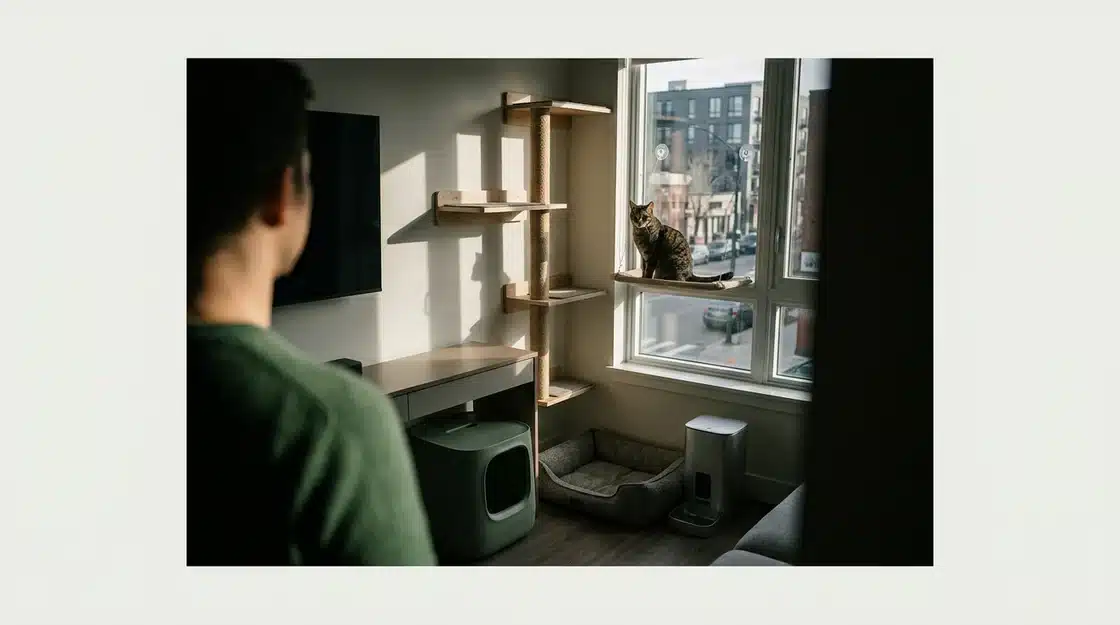
Balconies and windows, while offering views and fresh air, pose significant risks. Securing these areas is significant for pet safety. Installing cat netting or invisible fencing on balconies can prevent falls and escapes, transforming a dangerous ledge into a safe observation deck. For windows, simple screens might not be enough; sturdy, pet-proof screens are a worthwhile investment. Think of it like child-proofing, but for your furry friend. Consider adding vertical scratching posts or perches near secured windows — a fantastic way to provide enrichment. This allows cats to survey their surroundings safely, fulfilling their natural instincts to climb and observe. For more ideas on how to keep your cat stimulated indoors, check out evolving trends in safe indoor enrichment for cats.
Creating a Safe “Outdoor” Checklist:
- Indoor Potty System: Choose artificial turf, pee pads, or a specialized litter box.
- Balcony Enclosures: Install sturdy netting or transparent barriers.
- Window Screens: Upgrade to pet-proof screens for enhanced security.
- Vertical Spaces: Add cat trees or shelves near windows.
- Exercise Area: Designate a zone for play with toys and climbing structures.
These indoor provisions don’t just keep pets safe; they significantly enhance their quality of life, proving that even in an apartment, a bit of ingenuity goes a long way.
Sensory Enrichment: Boosting Mental & Physical Health in Small Spaces
Keeping apartment pets engaged goes beyond just physical activity; their mental well-being depends heavily on sensory enrichment. What most people miss is how important these experiences are for pets, especially when outdoor access is limited. Think about puzzle feeders, for instance: these aren’t just toys, they make mealtime a stimulating hunt, slowing down eating and challenging their problem-solving skills. Currently, interactive toys that dispense treats or require manipulation are gaining traction, with brands like Kong reporting a 37% increase in sales for their advanced puzzle lines over the last year. These toys can keep a pet occupied for surprisingly long periods. We also see a rise in calming diffusers, which use natural scents like lavender or pheromones to reduce anxiety – a subtle but effective way to create a more tranquil home for pets. Dr. Anya Sharma, a veterinary behaviorist, suggests rotating toys weekly to prevent boredom, emphasizing that “novelty itself is a form of enrichment.” For cats, consider DIY options like cardboard box forts or even just crinkled paper balls. My suspicion is that many pet owners underestimate the power of simple changes, like a new scent spray on a blanket or a different textured toy. For more ideas on feline engagement, explore articles on safe indoor enrichment for cats. Creating a stimulating environment doesn’t require a lot of space; it just needs a little creativity and understanding of what engages your pet.
Future-Proofing Your Pet’s Pad: Sustainable & Adaptable Living
Building a home for your pet that stands the test of time means thinking about more than just immediate needs. How can we ensure our pet’s space evolves with them, while also being kind to the planet? This approach benefits both your wallet and the environment, a true win-win.
Eco-Friendly Materials and Products
When choosing materials for your pet’s apartment, prioritizing sustainability is a smart move. Consider items made from recycled content, natural fibers, or rapidly renewable resources. For instance, many pet beds now feature fillings made from recycled plastic bottles, diverting waste from landfills. According to a recent survey by the Pet Sustainability Coalition, consumer demand for eco-friendly pet products increased by 47% over the past three years, showing a clear shift in preference. You might find scratching posts made from corrugated cardboard or even bamboo, offering durability without harsh chemicals. Look for food and water bowls crafted from ceramic, stainless steel, or even plant-based plastics. These options not only reduce your environmental footprint but often provide a healthier, non-toxic environment for your furry friend. One underrated factor here is the longevity of these products; a well-made stainless steel bowl, for example, will likely outlast several plastic alternatives.
Modular and Convertible Pet Furniture
Designing with flexibility in mind can save you from constant replacements as your pet grows or your living situation shifts. Modular pet furniture, like configurable crates or multi-purpose cat trees, allows you to reconfigure spaces easily. Think about a pet bed that transforms into a travel carrier, or a climbing structure that can be scaled up or down with additional components. This adaptability means you aren’t buying new items every few years, which certainly reduces waste and saves money. It’s like having a LEGO set for your pet’s living quarters – endless possibilities!
Designing for Pet Age and Health Changes
Pets age, just like us, and their needs change dramatically over time. Planning for this longevity means incorporating elements that can be modified. For example, a ramp that can be added to a favorite sofa or bed allows easy access for older, less agile pets. Dr. Emily Carter, a veterinary geriatric specialist, suggests that “proactive modifications to a pet’s environment can significantly improve their quality of life in their senior years, preventing injuries and maintaining independence.”
Accessibility Features for Senior Pets
For senior pets, accessibility becomes a significant concern. Low-entry litter boxes for cats or orthopedic beds for dogs can make a huge difference. Consider non-slip mats on hard floors to prevent falls, especially for dogs with arthritis. What most people miss is that even small adjustments, like raising food bowls to a comfortable height, can alleviate strain on joints. Ensuring ease of movement throughout their space is key, and you can find more strategies for keeping them active at home by checking out /manter-caes-idosos-ativos-em-casa-inovacoes. This foresight allows your beloved companion to age gracefully and comfortably within their cherished home.
Embracing a Future of Harmonious Pet-Friendly Living
As we’ve explored, creating a pet-friendly apartment extends far beyond simply accommodating an animal; it’s about designing an integrated ecosystem where both human and pet thrive. The innovations in smart tech, multi-functional furniture, and sensory enrichment highlight a clear trajectory towards more thoughtful, sustainable, and adaptable urban pet living. Instead of viewing pets as an addition to our homes, perhaps we should consider them as integral co-habitants whose needs can inspire more creative and efficient living spaces for everyone. What if every apartment was designed with biophilic principles, benefiting all its residents, furry or otherwise?
Frequently Asked Questions About Pet-Friendly Apartments
What are the most required items for a pet-friendly apartment?
Necessary items include a comfortable, appropriately sized pet bed, food and water bowls (preferably stainless steel or ceramic), a secure leash and collar/harness, and engaging toys for mental and physical stimulation. Don’t forget grooming tools and a designated potty area, whether indoors or outdoors, depending on your pet’s needs and access.
How can I prevent my pet from damaging my apartment?
Preventing damage involves a multi-pronged approach: provide plenty of appropriate scratching posts or chew toys to redirect destructive behaviors, use durable and stain-resistant materials for furniture and flooring, and secure any valuable or fragile items. Regular exercise and mental enrichment can also significantly reduce anxiety-driven destructive behaviors.
Are there specific plants that are safe for pets in an apartment?
Yes, many plants are safe for pets. Some popular pet-friendly options include spider plants, Boston ferns, parlor palms, and African violets. Always research any new plant before bringing it into your home, as many common houseplants can be toxic to animals if ingested. Consider hanging plants or placing them on high shelves to keep them out of reach.
What are some common mistakes to avoid when creating a pet-friendly apartment?
Common mistakes include underestimating the need for vertical space for cats, neglecting sensory enrichment, not securing balconies or windows, and choosing delicate materials that can’t withstand pet wear and tear. Another error is failing to establish consistent routines, which can lead to behavioral issues. Prioritize safety and stimulation.
How can I soundproof my apartment for a noisy pet?
While full soundproofing can be costly, you can significantly reduce noise by adding heavy curtains or blinds, placing rugs or carpets on hard floors, and using acoustic panels on walls. Consider strategically placed furniture to absorb sound, and ensure your pet has a comfortable, quiet den or crate where they feel secure.