
New U.S. registry guidelines for pet microchips are set for 2026, making it crucial for pet owners to verify their pets’ microchip information is current to comply and ensure their safe return if lost.
As responsible pet owners, we constantly strive to provide the best care for our beloved companions. A critical, yet often overlooked, aspect of pet safety is the microchip. With significant changes on the horizon, understanding pet microchip updates and the new U.S. registry guidelines for 2026 is more important than ever to ensure your pet’s lifelong protection.
The evolving landscape of pet identification
Pet identification has come a long way from simple tags and collars. While these remain important visual cues, microchips offer a permanent, tamper-proof solution for reuniting lost pets with their families. The peace of mind a microchip provides is invaluable, transforming a potentially heartbreaking situation into a swift reunion. However, a microchip is only as effective as the information tied to it.
The upcoming 2026 guidelines represent a concerted effort to standardize and improve the efficacy of pet microchip systems across the United States. These changes aim to address common issues such as outdated contact information, fragmented databases, and compatibility challenges between different microchip technologies. Pet owners need to be proactive in understanding these changes to ensure their pet remains protected under the new system.
Why microchips are more than just a formality
- Permanent Identification: Unlike collars or tags that can fall off or become unreadable, a microchip provides permanent identification embedded under your pet’s skin.
- Increased Reunion Rates: Studies consistently show that microchipped pets are significantly more likely to be reunited with their owners compared to those without.
- Proof of Ownership: In cases of dispute, a microchip can serve as undeniable proof of ownership, protecting your rights as a pet parent.
The shift towards new guidelines underscores the growing recognition of microchips as a fundamental tool in animal welfare. It’s not just about compliance; it’s about enhancing the chances of your pet returning home safely, no matter the circumstances.
Understanding the new U.S. registry guidelines for 2026
The year 2026 marks a pivotal moment for pet microchipping in the United States. New guidelines are being introduced to streamline the process of registering and updating pet microchip information, ultimately aiming for a more unified and accessible national database. These changes are designed to minimize delays and confusion when a lost pet is found and scanned.
One of the primary goals of these guidelines is to encourage a higher standard of data integrity and interoperability among various microchip registries. Currently, the landscape can be fragmented, with multiple private registries operating independently. The new framework seeks to create a more cohesive system that allows shelters and veterinary clinics to quickly access crucial owner information, regardless of which registry the microchip is linked to.
Key changes to anticipate
- Standardized Data Fields: Registries will likely be required to adopt a more uniform set of data fields for owner and pet information, ensuring consistency across platforms.
- Improved Interoperability: Efforts will focus on making it easier for scanners and databases to communicate, reducing the instances where a microchip is read but cannot be traced due to incompatible systems.
- Regular Data Verification: There may be an increased emphasis on owners regularly verifying their contact information, possibly through automated reminders or mandatory periodic checks.
These guidelines are not just about adding complexity; they are about enhancing efficiency and effectiveness. By setting clear standards, the hope is to reduce the number of lost pets that end up in shelters or are unable to be reunited with their families simply because their microchip data was inaccessible or out of date.
The importance of an up-to-date microchip registration
A microchip itself is a passive device; it holds a unique identification number but contains no personal data. The real power of a microchip lies in its registration with a national database, linking that unique number to your contact information. If this information is outdated or incorrect, the microchip becomes virtually useless when your pet goes missing.
Imagine the scenario: your furry friend slips out during a walk, and a kind stranger finds them and takes them to a local shelter. The shelter scans your pet, retrieves the microchip number, and attempts to contact you. If your phone number has changed, your email is inactive, or you’ve moved without updating your address, the microchip cannot fulfill its purpose. This is why keeping your registration current is paramount.
Common reasons for outdated microchip information
- Moving to a new address: A change of residence is a frequent cause of outdated information.
- Changing phone numbers or email addresses: Many people forget to update this critical contact data.
- Transfer of ownership: When a pet is rehomed, the new owner must update the microchip registration to their details.
- Lack of awareness: Some owners are simply unaware they need to actively manage their microchip registration.
The 2026 guidelines will likely put more responsibility on pet owners to maintain accurate records. This proactive approach ensures that the microchip acts as a reliable lifeline, guaranteeing that if your pet is ever lost, they can be swiftly identified and returned to your loving home.
How to check and update your pet’s microchip information
Verifying and updating your pet’s microchip information is a straightforward process that can be done in a few simple steps. It’s a small investment of your time that yields significant returns in terms of your pet’s safety and your peace of mind. Don’t wait until an emergency arises; make it a routine check.
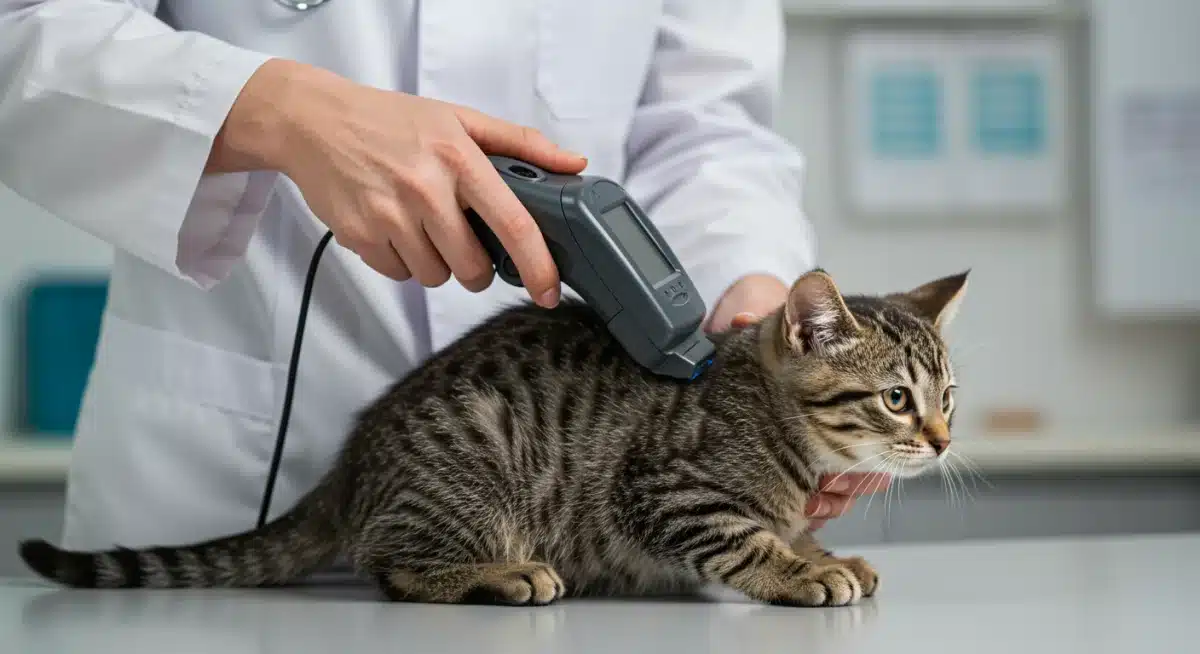
First, if you’re unsure of your pet’s microchip number or which registry it’s associated with, your veterinarian can easily provide this information by scanning your pet. Most vets have universal scanners that can read all common microchip types. Once you have the microchip number, you can proceed to locate the corresponding registry.
Steps to ensure your microchip is current
- Get Your Pet Scanned: Visit your vet or local animal shelter to have your pet scanned for their microchip number if you don’t already have it.
- Identify the Registry: Use a universal microchip lookup tool (like petmicrochiplookup.org) to determine which registry your pet’s microchip is registered with.
- Log In and Update: Access the identified registry’s website, log in to your account, and meticulously review all contact information. Update any outdated phone numbers, addresses, or email addresses.
- Consider a Backup Registry: Some owners opt to register their pet’s microchip with multiple registries for added redundancy, though the new 2026 guidelines aim to reduce this necessity.
This simple check-up should become a regular part of your pet care routine, perhaps annually, or whenever there’s a significant life change like moving or getting a new phone number. Staying on top of these details ensures that the microchip remains an effective tool for reunion.
Preparing for 2026: what pet owners need to do now
While the full implementation of the 2026 guidelines is still some time away, proactive preparation can save you headaches down the line. The current period is an excellent opportunity to establish good habits regarding your pet’s microchip information. Think of it as a pre-game warm-up for the new era of pet identification.
The most crucial step you can take right now is to ensure your pet is microchipped and that its registration details are absolutely current. This foundational step will make the transition to any new system much smoother. If your pet isn’t microchipped, now is the perfect time to discuss it with your veterinarian. The procedure is quick, minimally invasive, and offers immense benefits.
Proactive measures for pet safety
- Annual Microchip Check: Make it a habit to have your vet scan your pet’s microchip during their annual check-up to ensure it’s still functional and readable.
- Verify Contact Information Regularly: Set a recurring reminder to log into your microchip registry account at least once a year to confirm all details are accurate.
- Educate Others: Share the importance of microchip registration with fellow pet owners and encourage them to do the same.
By taking these steps now, you’re not just preparing for future regulations; you’re actively enhancing your pet’s immediate safety. The upcoming changes are designed to benefit pets and owners alike, and being prepared ensures you can fully leverage these advancements.
The role of registries and veterinarians in the new system
The success of the new 2026 U.S. registry guidelines hinges not only on pet owner compliance but also on the robust cooperation of microchip registries and veterinary professionals. These entities form the backbone of the pet identification infrastructure, and their adaptation to the new standards will be critical for seamless operation.
Microchip registries will be tasked with implementing the standardized data fields and improving their systems for better interoperability. This may involve significant technological upgrades and collaborations with other registries to create a more unified national lookup system. Their commitment to maintaining accurate, accessible, and secure data will be paramount.
Collaboration for a safer pet community
- Registry Enhancements: Expect registries to invest in more user-friendly interfaces and robust data security measures to comply with the new guidelines.
- Veterinary Training: Veterinarians and clinic staff will receive updated training on the new protocols, ensuring they can effectively scan, register, and advise owners on microchip best practices.
- Shelter Integration: Animal shelters, often the first point of contact for lost pets, will play a crucial role in utilizing the improved lookup systems to facilitate quicker reunions.
This collaborative effort between pet owners, registries, and veterinary professionals creates a powerful network dedicated to pet safety. The new guidelines aim to strengthen this network, ensuring that every microchipped pet has the best possible chance of returning home should they ever become lost.
Future outlook: continuous improvements in pet identification
The 2026 guidelines are not the final word in pet identification, but rather a significant step in an ongoing evolution. As technology advances, so too will the methods and systems designed to keep our pets safe. We can anticipate continuous improvements and innovations in the field of pet microchipping and registry management.
Future developments might include even more integrated national databases, potentially leveraging advanced technologies like blockchain for enhanced data security and transparency. There could also be innovations in microchip technology itself, making them even smaller, more reliable, or potentially offering additional health monitoring capabilities. The goal remains consistent: to make it as easy and quick as possible to reunite lost pets with their families.
Anticipated advancements in pet microchipping
- Enhanced Data Security: Continued focus on protecting sensitive owner information stored in registries.
- Global Interoperability: Efforts to make U.S. microchip systems more compatible with international standards, particularly for pets traveling abroad.
- Smarter Microchips: Potential for microchips to offer more than just identification, possibly integrating with health records or GPS tracking in the distant future.
These future prospects underscore the dynamic nature of pet care and safety. By staying informed and engaged with these developments, pet owners can ensure their beloved animals benefit from the latest and most effective identification solutions available, guaranteeing a safer future for all.
| Key Point | Brief Description |
|---|---|
| 2026 Guidelines | New U.S. standards aim to unify microchip registries and improve data access for lost pets. |
| Up-to-Date Info | Crucial for microchips to be effective; outdated contact details render them useless. |
| How to Update | Scan pet, identify registry, log in, and update contact information online. |
| Proactive Steps | Annual checks, regular verification, and educating others are key for pet safety. |
Frequently asked questions about pet microchips and 2026 guidelines
The primary changes for 2026 focus on standardizing data fields across registries and improving interoperability. The goal is to create a more unified system, making it easier for shelters and vets to access owner information quickly, regardless of the specific registry used, thus speeding up reunions for lost pets.
It is recommended to check and update your pet’s microchip information at least once a year, or immediately after any significant life event such as moving to a new address, changing phone numbers, or getting a new email address. Regular verification ensures that contact details are always current.
While specific penalties for non-compliance are still being clarified, an outdated microchip registration significantly reduces the chances of reuniting with a lost pet. The new guidelines aim to improve the system, but its effectiveness still relies on accurate owner data. It’s crucial to update your information to ensure your pet’s safety.
Yes, universal microchip lookup tools, such as petmicrochiplookup.org, are excellent resources. By entering your pet’s microchip number, these tools can help you identify which registry holds your pet’s registration, allowing you to then log in and update your contact details directly with that specific provider.
While the 2026 guidelines aim to improve the effectiveness of microchipping, they typically do not mandate microchipping itself at a federal level. However, many states, counties, or cities may have their own mandatory microchipping laws for pets. It’s always best to check local regulations and consult your veterinarian for advice.
Conclusion
The upcoming U.S. registry guidelines for pet microchips in 2026 represent a significant step forward in pet safety and identification. By standardizing data and improving interoperability, the aim is to create a more efficient system for reuniting lost pets with their families. As pet owners, our role in this enhanced system is crucial: ensuring our pets are microchipped and, more importantly, that their registration details are always current. Proactive engagement with these guidelines not only fosters compliance but also provides an invaluable layer of protection for our beloved companions, guaranteeing peace of mind knowing they have the best chance of returning home.