Spring Allergies 2025: Pet Grooming Tips for US Pets

Proactive grooming is essential for protecting pets from 2025 spring allergies in the US by reducing allergen exposure and mitigating discomfort before symptoms become severe.
As spring 2025 approaches, a time-sensitive alert: protecting your pet from 2025 spring allergies in the US becomes paramount for every conscientious owner. This season brings beautiful blooms but also a significant increase in environmental allergens, posing a real threat to our beloved companions’ comfort and health. Understanding how to proactively manage these seasonal challenges can make all the difference in their well-being.
Understanding Pet Spring Allergies in the US
Spring in the United States heralds a vibrant reawakening of nature, but for many pets, it also signals the onset of seasonal allergies. These environmental sensitivities can manifest in various ways, often leading to discomfort and distress for our furry friends. Recognizing the signs and understanding the underlying causes are the first steps toward effective management.
Pet allergies are primarily an immune system overreaction to otherwise harmless substances, known as allergens. In spring, these typically include pollen from trees, grasses, and weeds, as well as mold spores that thrive in damp conditions after winter thaws. These microscopic particles can easily cling to your pet’s fur, skin, and paws, eventually being absorbed or ingested, triggering an allergic response.
Common Symptoms of Spring Allergies in Pets
Identifying allergy symptoms early is crucial for timely intervention. Unlike humans who often sneeze and have runny noses, pets typically exhibit skin-related issues. However, respiratory and digestive signs can also occur, though less commonly associated with seasonal environmental allergies.
- Excessive scratching and licking: Often targeting paws, flanks, and ears, indicating itchiness.
- Red, inflamed skin: Particularly in areas prone to licking, such as the belly, armpits, and groin.
- Ear infections: Recurring ear infections, characterized by redness, odor, and discharge, are a common allergic manifestation.
- Hair loss and hot spots: Due to continuous scratching and licking, leading to localized skin inflammation and bacterial infections.
- Chewing on paws: A tell-tale sign of irritation and itchiness in the paw pads.
Understanding these signs allows pet owners to observe their animals more closely during peak allergy season. Early detection can prevent minor irritations from escalating into more severe conditions requiring extensive veterinary care. It also helps differentiate between allergies and other dermatological issues.
The impact of spring allergies extends beyond mere physical discomfort. Persistent itching and irritation can lead to behavioral changes, including irritability, lethargy, and a general decrease in quality of life. Therefore, addressing these allergies proactively is not just about symptom management but also about enhancing your pet’s overall happiness and health. Preparing for the allergy season well in advance is key to mitigating its effects.
The Crucial Role of Proactive Grooming
Grooming is more than just about keeping your pet looking neat; it’s a vital defense mechanism against seasonal allergens. As spring unfolds, environmental allergens become ubiquitous, adhering to your pet’s coat and skin. Regular and strategic grooming practices can significantly reduce this allergen load, thereby minimizing allergic reactions and enhancing your pet’s comfort.
The fur of dogs and cats acts like a magnet for pollen, dust, and mold spores. Every time your pet steps outside, they collect these microscopic irritants, bringing them directly into your home. Without proper grooming, these allergens remain on their coat, perpetually exposing them and potentially exacerbating their allergic symptoms. Proactive grooming creates a barrier, washing away or physically removing these irritants before they can trigger an immune response.
Why Grooming Before Symptoms is Essential
Waiting until your pet starts scratching uncontrollably or developing hot spots often means the allergic reaction has already begun. By then, treatment might be more involved, potentially requiring medication in addition to grooming. Starting a proactive grooming regimen before the peak allergy season, ideally in late winter or early spring, ensures your pet’s system is less overwhelmed by allergens from the outset.
- Reduces allergen accumulation: Regular grooming removes pollen and other irritants from the coat, preventing them from settling into the skin.
- Maintains skin barrier health: Healthy skin is less susceptible to irritation and secondary infections often associated with allergies.
- Early detection of issues: Frequent grooming sessions allow owners to inspect their pet’s skin for early signs of irritation or inflammation.
- Enhances comfort: A clean, well-maintained coat is simply more comfortable for your pet, reducing the urge to scratch.
Integrating grooming into your routine as a preventive measure is a game-changer for pets prone to spring allergies. It’s an investment in their health that pays dividends in comfort and reduces the need for more intensive veterinary interventions later. This approach aligns perfectly with the goal of protecting your pet from 2025 spring allergies in the US.
Tip 1: Regular Bathing with Hypoallergenic Shampoos
Regular bathing is arguably one of the most effective ways to combat spring allergies for your pet. It physically washes away the accumulated pollen, dust, and other environmental allergens from their coat and skin. However, the type of shampoo you use and the frequency of bathing are crucial considerations to avoid stripping natural oils and causing further skin irritation.
For pets prone to allergies, standard shampoos can sometimes be too harsh, exacerbating dry or sensitive skin. This is where hypoallergenic or medicated shampoos come into play. These specialized formulations are designed to be gentle, often containing soothing ingredients like oatmeal, aloe vera, or essential fatty acids that help to hydrate and calm irritated skin while effectively cleansing the coat.
Choosing the Right Shampoo and Bathing Frequency
When selecting a shampoo, look for products specifically labeled ‘hypoallergenic,’ ‘soothing,’ or ‘for sensitive skin.’ Consulting your veterinarian can provide personalized recommendations based on your pet’s specific skin condition and allergy profile. They might suggest a medicated shampoo if your pet is already experiencing significant irritation or secondary skin infections.
- Hypoallergenic: Free from common irritants like harsh chemicals, dyes, and strong fragrances.
- Oatmeal-based: Known for its soothing and anti-itch properties.
- Antimicrobial/Antifungal: If secondary infections are a concern, as recommended by a vet.
- pH-balanced: To match your pet’s skin, preventing dryness and irritation.
The ideal bathing frequency can vary. For most allergy-prone pets during peak season, a bath once or twice a week might be beneficial. However, always monitor your pet’s skin for any signs of dryness or increased irritation. If frequent bathing seems to worsen their skin, reduce the frequency or switch to an even gentler product. The goal is to remove allergens without compromising the skin’s natural protective barrier. This proactive approach is a cornerstone in effectively protecting your pet from 2025 spring allergies.
Tip 2: Daily Wiping of Paws and Fur
While full baths are highly effective, they are not always practical for daily application. This is where daily wiping of your pet’s paws and fur becomes an indispensable part of your spring allergy prevention strategy. This simple yet powerful routine significantly reduces the amount of allergens your pet tracks into your home and keeps on their body after outdoor excursions.
Every time your dog or cat steps outside, their paws and coat act as natural collectors for pollen, dust, and other airborne irritants. These allergens are then brought indoors, where they can settle on furniture, carpets, and bedding, creating an environment where your pet is constantly re-exposed. Daily wiping intercepts these allergens at the source, preventing them from spreading throughout your living space and minimizing continuous exposure.
Effective Wiping Techniques and Products
The key to effective wiping is consistency and using the right materials. Keep a designated towel or pet wipes near your door for easy access every time your pet comes inside. This makes the routine quick and less likely to be skipped, even on busy days.
- Moist cloths or pet wipes: Use a damp cloth or specially formulated pet wipes (fragrance-free and hypoallergenic) to gently clean paws, legs, and the underside of their belly.
- Focus on high-contact areas: Pay extra attention to paws, especially between the paw pads, and around the muzzle and eyes, where allergens can accumulate.
- Full body wipe for extra coverage: For very sensitive pets, a quick wipe down of their entire coat can further reduce allergen load.
- Consider paw rinses: For dogs, a shallow basin of water with a mild, pet-safe cleanser for a quick paw rinse can be highly effective.
This routine is particularly crucial after walks, playtime in the yard, or any prolonged outdoor activity. By consistently wiping down your pet, you are actively participating in protecting your pet from 2025 spring allergies in the US, creating a cleaner home environment and reducing their overall allergen burden. This small daily effort can yield significant benefits for their comfort and health.
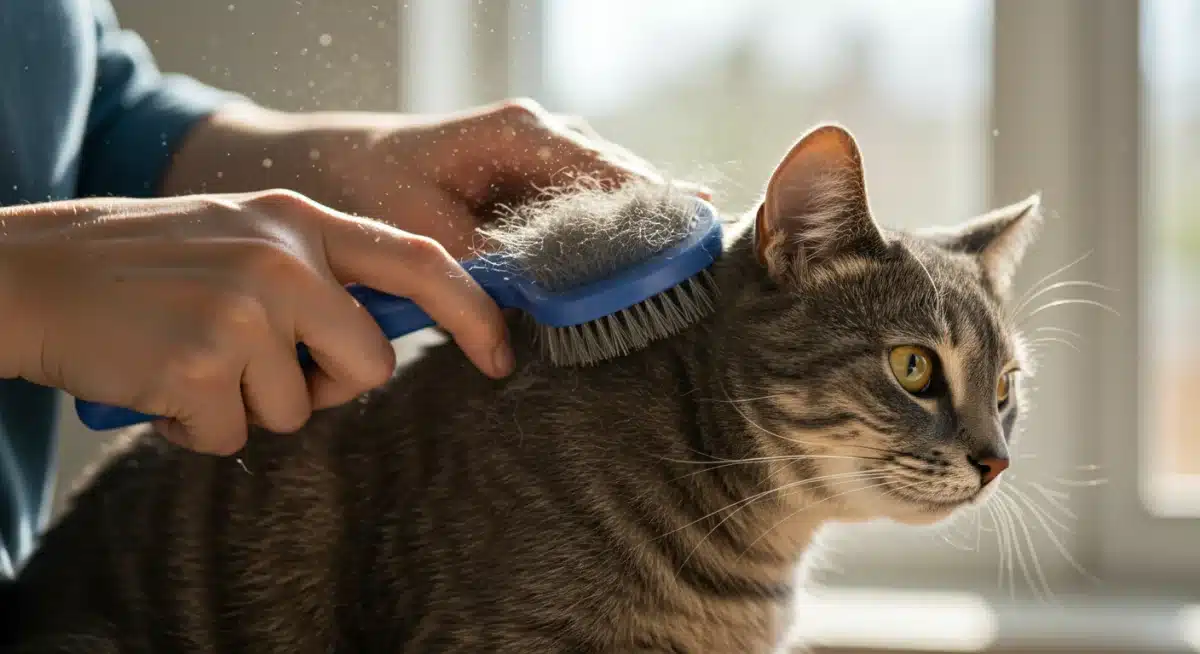
Tip 3: Regular Brushing and Deshedding
Brushing is a fundamental grooming practice, but its importance escalates significantly during spring allergy season. Beyond simply keeping your pet’s coat free of tangles and mats, regular brushing and deshedding play a crucial role in physically removing loose fur, dander, and, most importantly, trapped environmental allergens like pollen and dust from their coat.
When allergens cling to your pet’s fur, they can remain there for extended periods, constantly irritating your pet and shedding into your home environment. Brushing acts as a mechanical filter, pulling these particles out of the coat before they can cause an allergic reaction or be ingested by your pet during self-grooming. This is particularly vital for breeds with longer or denser coats, which can trap more allergens.
Choosing the Right Tools and Technique
The effectiveness of brushing hinges on using the appropriate tools for your pet’s coat type and employing the correct technique. Different brushes are designed for different purposes, from detangling to deshedding and polishing the coat.
- Slicker brushes: Excellent for removing loose fur and detangling, suitable for most coat types.
- Undercoat rakes/deshedding tools: Essential for double-coated breeds to remove dead undercoat and deeply embedded allergens.
- Rubber curry brushes: Ideal for short-haired breeds, stimulating circulation and removing loose hair and dander.
- Fine-toothed combs: Useful for checking for fleas and removing small debris near the skin.
Aim for daily brushing during peak allergy season, or at least several times a week. Brush your pet outdoors if possible, to prevent releasing trapped allergens inside your home. If brushing indoors, ensure you vacuum thoroughly afterward. This consistent effort in brushing and deshedding is a powerful method for protecting your pet from 2025 spring allergies in the US, minimizing their exposure to irritants and promoting a healthier coat and skin.
Tip 4: Ear Cleaning and Eye Care
While much of the focus on spring allergies is on skin and fur, the ears and eyes are often overlooked entry points and sites for allergic reactions in pets. Pollen and other airborne allergens can easily settle in these sensitive areas, causing irritation, inflammation, and even secondary infections if not addressed promptly and regularly.
Allergic reactions can manifest in the ears as redness, itchiness, and increased wax production, often leading to painful ear infections. Similarly, eyes can become watery, red, and itchy, mimicking symptoms of conjunctivitis. Proactive cleaning of these areas helps to remove allergens before they can cause significant problems, providing immense relief to your pet during allergy season.
Safe and Effective Cleaning Practices
Maintaining cleanliness around the ears and eyes requires gentle techniques and pet-specific products. Never use human ear or eye drops unless directed by a veterinarian, as they can be harmful to pets.
- Ear cleaning solutions: Use a veterinarian-approved ear cleaner. Apply a small amount to a cotton ball and gently wipe the visible parts of the ear canal and outer ear flap. Never insert cotton swabs deep into the ear canal.
- Frequency: For allergy-prone pets, cleaning ears weekly or bi-weekly during spring can be beneficial.
- Eye wipes: Use sterile, pet-specific eye wipes or a soft, damp cloth to gently clean around your pet’s eyes, removing any discharge or trapped allergens.
- Be gentle: The skin around the eyes is very delicate. Avoid rubbing harshly.
- Watch for signs of infection: If you notice excessive redness, swelling, discharge, or pain, consult your vet immediately.
Incorporating ear and eye care into your regular grooming routine provides a comprehensive defense against spring allergens. This targeted approach is essential for protecting your pet from 2025 spring allergies in the US, ensuring these delicate areas remain free from irritation and discomfort. Consistent care can prevent minor issues from escalating into more serious health concerns.
Tip 5: Maintaining a Clean Home Environment
Even with diligent grooming, allergens can still find their way into your home, settling on surfaces and becoming airborne. A clean indoor environment is therefore a critical component of a holistic strategy to protect your pet from spring allergies. By minimizing indoor allergen accumulation, you reduce your pet’s constant exposure, providing them with a sanctuary from outdoor irritants.
Pets spend a significant amount of their time indoors, making the home a primary environment for allergen exposure. Pollen tracked in on fur and paws, dust mites, and mold spores can all contribute to an allergic burden. Regular and thorough cleaning helps to remove these indoor allergens, creating a healthier living space for both your pet and your family.
Strategies for an Allergen-Reduced Home
Implementing specific cleaning practices can make a substantial difference in the allergen load within your home. These practices go beyond routine tidying and focus on targeted allergen removal.
- Frequent vacuuming: Use a vacuum cleaner with a HEPA filter to effectively trap pollen, dust mites, and pet dander from carpets, rugs, and upholstery. Vacuum at least twice a week.
- Washing pet bedding: Pet beds, blankets, and toys should be washed weekly in hot water to kill dust mites and remove trapped allergens.
- Dusting and wiping surfaces: Regularly dust hard surfaces with a damp cloth to capture allergens rather than just dispersing them into the air.
- Air purifiers: Consider using air purifiers with HEPA filters in rooms where your pet spends most of its time.
- Keep windows closed: During peak pollen counts, keep windows and doors closed to prevent outdoor allergens from entering.
These measures, when combined with your pet’s grooming routine, create a powerful defense against spring allergies. A clean home environment significantly contributes to protecting your pet from 2025 spring allergies in the US, offering them a much-needed respite from the seasonal onslaught of irritants. This integrated approach ensures their comfort and well-being throughout the challenging spring months.
Tip 6: Consulting Your Veterinarian
While proactive grooming and environmental management are incredibly effective, they might not always be sufficient for pets with severe or persistent allergies. The expertise of a veterinarian is invaluable in these situations, offering a comprehensive diagnostic approach and access to advanced treatment options that go beyond routine care.
A veterinarian can accurately diagnose the specific allergens affecting your pet through various tests, such as intradermal skin testing or blood tests. This precise identification allows for more targeted management strategies, including specific allergy medications or even immunotherapy. They can also rule out other conditions that might mimic allergy symptoms, ensuring your pet receives the correct care.
When to Seek Veterinary Advice
Knowing when to transition from home care to professional veterinary consultation is crucial. While mild itching or occasional sneezing might be manageable with the grooming tips mentioned, certain signs indicate the need for immediate professional attention.
- Persistent or worsening symptoms: If your pet’s scratching, licking, or skin irritation does not improve with regular grooming, or if it intensifies.
- Skin infections: The presence of hot spots, scabs, pus, or foul odor indicates a secondary bacterial or yeast infection requiring medication.
- Respiratory distress: Frequent coughing, wheezing, or difficulty breathing, though less common for environmental allergies, warrants immediate vet attention.
- Changes in behavior: Lethargy, loss of appetite, or irritability due to discomfort.
- Recurrent ear infections: Chronic ear issues are often a sign of underlying allergies.
Your veterinarian can prescribe antihistamines, corticosteroids, or newer allergy medications that specifically target the immune response. They might also recommend dietary changes or supplements to support skin health. Consulting your vet ensures that you are fully equipped in protecting your pet from 2025 spring allergies in the US, providing them with the best possible care tailored to their individual needs and severity of symptoms. This professional guidance completes the circle of care, offering peace of mind and optimal health outcomes.
| Key Grooming Tip | Benefit for Allergy Prevention |
|---|---|
| Regular Hypoallergenic Baths | Washes away allergens, soothes skin, prevents irritation. |
| Daily Paw & Fur Wiping | Reduces indoor allergen spread, minimizes continuous exposure. |
| Brushing & Deshedding | Physically removes trapped pollen and dander from the coat. |
| Veterinary Consultation | Provides diagnosis, medication, and advanced treatment for severe cases. |
Frequently Asked Questions About Pet Spring Allergies
Common signs include excessive scratching, licking, chewing on paws, red and inflamed skin (especially on the belly, armpits, and groin), recurrent ear infections, and sometimes hair loss or hot spots. Unlike humans, sneezing and runny noses are less typical for environmental allergies in pets.
During peak allergy season, bathing your pet once or twice a week with a hypoallergenic or vet-recommended medicated shampoo can be beneficial. Always monitor your pet’s skin for dryness or irritation, adjusting the frequency as needed to maintain skin health while removing allergens.
Absolutely. Regular indoor cleaning, including vacuuming with a HEPA filter, washing pet bedding frequently, and dusting surfaces, significantly reduces the concentration of allergens like pollen and dust mites inside your home. This minimizes your pet’s continuous exposure and improves their comfort.
The best brush depends on your pet’s coat type. Slicker brushes are good for general use, undercoat rakes are ideal for double-coated breeds, and rubber curry brushes work well for short-haired pets. The key is consistent, gentle brushing to physically remove trapped pollen and dander.
Consult your vet if symptoms are persistent or worsening despite home care, if your pet develops hot spots or skin infections, experiences respiratory distress, or shows behavioral changes due to discomfort. Early veterinary intervention can prevent severe complications and provide targeted treatments.
Conclusion
As we navigate the vibrant yet challenging landscape of spring 2025 in the US, proactive measures are not just recommended but essential for protecting our beloved pets from the pervasive threat of seasonal allergies. By integrating these six grooming tips—from regular hypoallergenic baths and daily wiping to diligent brushing, ear and eye care, maintaining a clean home, and knowing when to consult your veterinarian—you equip your furry companion with the best defense. This holistic approach ensures their comfort, health, and overall well-being, allowing them to enjoy the beauty of spring without the burden of incessant itching and irritation. Prioritizing these steps now will make a significant difference in their quality of life throughout the allergy season.