
In the bustling landscape of pet ownership in 2026, one challenge consistently rises to the surface for many pet parents: destructive chewing. Whether it’s your new puppy gnawing on furniture legs, an anxious adult dog demolishing shoes, or even a mischievous cat scratching up upholstery, the impact of inappropriate chewing can be both frustrating and costly. Beyond the material damage, destructive chewing can also be a sign of underlying issues, impacting your pet’s well-being and your bond with them. This comprehensive guide provides insider knowledge and actionable strategies for prevent destructive chewing, focusing on understanding its roots and effectively redirecting behavior.
Understanding why your pet chews is the first crucial step in addressing the behavior. Chewing is a natural and instinctual activity for many animals, serving multiple purposes from exploration and comfort to dental health and stress relief. However, when this natural instinct is misdirected towards inappropriate objects, it becomes a problem that needs a thoughtful and consistent solution. By delving into the various reasons behind destructive chewing, we can tailor our approach to be more effective and compassionate, ensuring a happier home for everyone involved.
The Root Causes of Destructive Chewing: Why Do Pets Do It?
Before we can effectively prevent destructive chewing, we must understand its origins. Chewing is not always a sign of defiance; more often, it’s a symptom of unmet needs, boredom, anxiety, or even a developmental stage. Here are the primary reasons pets engage in destructive chewing:
1. Puppy and Kitten Teething
Just like human babies, young pets experience discomfort as their adult teeth emerge. Chewing provides relief for their sore gums. During this period, puppies and kittens have an intense urge to chew, and if appropriate outlets aren’t provided, they will find their own, often at the expense of your belongings. This developmental stage is a prime opportunity to introduce good chewing habits.
2. Exploration and Learning
Especially for younger animals, the world is a fascinating place, and one of the primary ways they explore it is with their mouths. Chewing helps them understand textures, tastes, and the properties of objects. This exploratory chewing is a natural part of their cognitive development.
3. Boredom and Lack of Mental Stimulation
A significant percentage of destructive chewing cases stem from boredom. Pets, particularly dogs, are intelligent creatures that require mental and physical exercise. If they don’t receive enough stimulation, they will often create their own entertainment, which frequently involves chewing on inappropriate items. A bored pet is a destructive pet, and providing engaging activities is key to prevent destructive chewing due to idleness.
4. Anxiety and Stress
Pets can experience anxiety for various reasons, including separation anxiety, fear of loud noises, or changes in their environment. Chewing can be a self-soothing mechanism, helping them to cope with stress. This type of chewing is often accompanied by other signs of anxiety, such as pacing, whining, or house soiling.
5. Hunger or Nutritional Deficiencies
While less common, some pets may chew inappropriately if they are not receiving adequate nutrition or if they are constantly hungry. This is particularly true for pets on restrictive diets or those with underlying health issues that affect nutrient absorption. Consult with your veterinarian if you suspect this might be a factor.
6. Attention-Seeking Behavior
Sometimes, pets learn that chewing on something they shouldn’t gets a reaction from their owners, even if it’s negative attention. If a pet feels neglected, destructive chewing can become a way to gain interaction, reinforcing the behavior. This is a common behavioral loop that needs careful management to prevent destructive chewing from becoming a habit.
7. Dental Issues
For older pets, chewing can sometimes indicate dental pain or discomfort. If your pet suddenly starts chewing more or on different objects, a vet check-up might be in order to rule out any dental problems or other medical conditions.
Establishing a Solid Foundation: Prevention Strategies
The most effective way to prevent destructive chewing is to establish a proactive environment and routine that addresses your pet’s needs before problems arise. Prevention is always better than cure.
1. Pet-Proof Your Home
Before bringing a new pet home or if you’re struggling with current chewing issues, take a critical look at your living space. Remove or secure anything valuable or potentially dangerous that your pet might be tempted to chew. This includes electrical cords, shoes, remote controls, houseplants (many are toxic), small rugs, and decorative items. Think like your pet and get down to their level to identify tempting targets. This initial step is crucial for immediate damage control and safety.
2. Provide Abundant and Appropriate Chew Toys
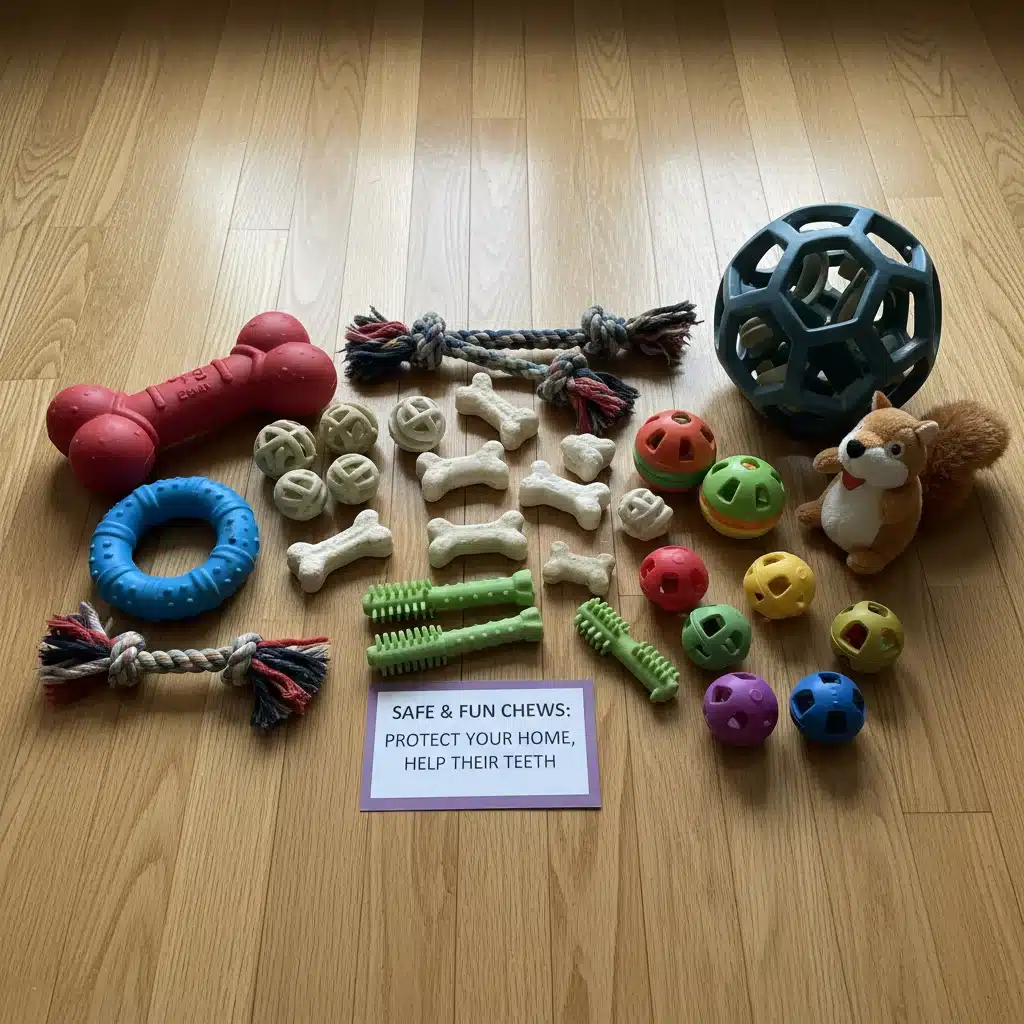
This is perhaps the most fundamental strategy. Your pet needs dedicated, safe, and appealing items to chew on. The key is variety and suitability. Offer toys with different textures, shapes, and sizes. Look for toys specifically designed for strong chewers if you have a dog that quickly demolishes softer options. Rotate toys regularly to keep them interesting and novel. Consider puzzle toys that dispense treats, as these offer both mental stimulation and a rewarding chewing experience. Always supervise your pet with new toys to ensure they are safe and durable.
3. Implement a Consistent Exercise Routine
A tired pet is a good pet. Ensure your dog receives adequate physical exercise daily, tailored to their breed and energy level. For cats, interactive play sessions with wand toys or laser pointers can burn off excess energy. Regular exercise helps to alleviate boredom and reduces pent-up energy that might otherwise be directed towards destructive chewing. A good walk or play session before you leave the house can make a significant difference in preventing chewing while you’re away.
4. Mental Stimulation is Key
Physical exercise alone isn’t always enough. Pets also need mental challenges. Incorporate training sessions, puzzle toys, snuffle mats, and scent games into their daily routine. Even short bursts of mental activity can significantly reduce boredom and the urge to chew. Teaching new tricks or practicing obedience commands can be highly engaging and satisfying for your pet.
5. Establish a “Safe Zone”
When you can’t actively supervise your pet, especially puppies or new rescues, a designated “safe zone” can be invaluable. This could be a crate, a playpen, or a pet-proofed room. Within this area, your pet should have access to their appropriate chew toys, water, and a comfortable bed. This limits their opportunities for destructive chewing and teaches them to be content in their own space. Crate training, when done correctly, can be a highly effective tool for house-training and preventing destructive behaviors.
6. Use Taste Deterrents (with caution)
For items that cannot be removed or are particularly tempting, taste deterrents can be a temporary solution. Products like bitter apple spray or similar non-toxic, unpleasant-tasting sprays can be applied to furniture legs, shoes, or other off-limits items. The goal is to make the item unappealing to chew. However, these should always be used in conjunction with positive redirection and never as the sole solution. Some pets are impervious to these tastes, and relying solely on them won’t teach your pet what to chew.
Redirecting Behavior: Teaching Your Pet What’s Right to Chew
Prevention sets the stage, but active redirection is how you teach your pet acceptable chewing habits. This involves intervening when they chew inappropriately and guiding them towards the right choices.
1. Interrupt and Redirect Immediately
When you catch your pet chewing on something they shouldn’t, interrupt them with a calm but firm sound (e.g., a clap, a soft “no,” or a specific verbal cue). Avoid yelling or scaring them, as this can create fear or anxiety. As soon as they stop, immediately offer them an appropriate chew toy. When they take the toy, praise them enthusiastically and reward them with a treat. This teaches them that letting go of the forbidden item and choosing the right toy leads to positive reinforcement.
2. Consistency is Key
Everyone in the household needs to be on the same page regarding what is and isn’t allowed to be chewed. Inconsistency can confuse your pet and prolong the destructive chewing behavior. Make sure all family members use the same commands and redirection techniques.
3. Positive Reinforcement
Always focus on rewarding desired behavior. When your pet is calmly chewing on an appropriate toy, praise them, offer a gentle pet, or give them a small treat. This reinforces the idea that chewing on their toys is a good and rewarding activity. Never punish your pet for chewing after the fact, as they won’t associate the punishment with the act of chewing, only with your presence and anger.

4. Supervised Play and Training
Regularly engage in supervised play sessions with your pet and their chew toys. This helps to build a positive association with their toys and strengthens your bond. During these sessions, you can also practice “leave it” and “drop it” commands, which are invaluable for managing chewing behavior.
5. Address Underlying Anxiety
If destructive chewing is linked to anxiety, particularly separation anxiety, a multi-faceted approach is necessary. This might include:
- Gradual Desensitization: Slowly increasing the time you leave your pet alone.
- Calming Aids: Pheromone diffusers, calming supplements, or thunder shirts can help some pets.
- Enrichment Before Departure: A stimulating chew toy or puzzle toy filled with treats can distract your pet as you leave.
- Professional Help: For severe cases, a certified professional dog trainer or veterinary behaviorist can provide tailored strategies and, if necessary, discuss medication options.
Choosing the Right Chew Toys for 2026: What’s New and Effective?
The market for pet chew toys is constantly evolving, with new materials and designs aimed at safety, durability, and enrichment. In 2026, here’s what to look for to effectively prevent destructive chewing:
1. Durable, Non-Toxic Materials
Always prioritize toys made from safe, non-toxic materials. Look for brands that specify their materials are BPA-free, phthalate-free, and lead-free. Natural rubber, nylon, and certain types of durable plastics are common safe choices. Avoid toys with small parts that can break off and be swallowed.
2. Match Toy to Chewing Style
Not all chewers are created equal. Some dogs are gentle chewers, while others are power chewers who can destroy almost anything. Select toys appropriate for your pet’s size and chewing intensity. A toy that’s too small can be a choking hazard, and one that’s not durable enough will quickly become a hazard or simply fail to satisfy. Look for toys labeled for “power chewers” or “extreme chewers” for strong-jawed breeds.
3. Dental Health Benefits
Many modern chew toys are designed with ridges, nubs, or textures that help clean teeth and massage gums as your pet chews. These can contribute to better oral hygiene, reducing plaque and tartar buildup. Dental chews are a great addition, but always check their caloric content and ingredient list.
4. Interactive and Puzzle Chew Toys
These are excellent for mental stimulation. Toys that can be stuffed with treats, peanut butter, or kibble provide a challenge and a reward for chewing. They keep pets engaged for longer periods, diverting their attention from inappropriate items. Frozen stuffed KONGs, for example, can keep a dog happily occupied for a significant amount of time.
5. Rotating Toy Selection
To keep interest high, don’t leave all toys out all the time. Rotate your pet’s chew toys, offering a few at a time and swapping them out every few days. This makes old toys feel new again and prevents your pet from becoming bored with their options.
6. Edible Chews (Use with Caution)
Edible chews like bully sticks, dental sticks, or certain rawhide alternatives can be highly appealing. However, they should be given under supervision and chosen carefully to avoid choking hazards or digestive upset. Always select appropriate sizes and monitor your pet to ensure they don’t try to swallow large pieces. Discuss with your vet which edible chews are safest for your pet.
Advanced Strategies and When to Seek Professional Help
While the above strategies are effective for most cases, some destructive chewing behaviors can be deeply ingrained or stem from complex issues. Here’s when to consider additional steps:
1. Structured Training Programs
Enrolling in obedience classes or working with a professional dog trainer can provide valuable guidance and tools. Trainers can help you refine your communication with your pet, teach specific commands like “leave it” and “drop it,” and address underlying behavioral issues. For cats, a certified feline behaviorist can offer tailored advice.
2. Veterinary Consultation
If you suspect your pet’s chewing is related to pain, dental problems, or severe anxiety, a visit to your veterinarian is crucial. They can rule out medical conditions and, if needed, refer you to a veterinary behaviorist who specializes in complex behavioral issues. A vet behaviorist can offer medication in conjunction with a behavior modification plan for severe anxiety cases.
3. Consistency and Patience
Behavior modification takes time, consistency, and patience. There will be setbacks, but sticking to your plan and celebrating small victories will eventually lead to success. Avoid getting frustrated, as pets are highly attuned to our emotions.
Common Mistakes to Avoid When Addressing Destructive Chewing
Even with the best intentions, pet owners can inadvertently make mistakes that hinder progress. To effectively prevent destructive chewing, avoid these common pitfalls:
1. Punishing Your Pet After the Fact
Pets live in the moment. If you come home to a chewed-up shoe and punish your pet, they will not understand that the punishment is for the chewing. Instead, they will associate your return with fear or anger. This can damage your bond and make them more anxious, potentially increasing destructive behaviors.
2. Not Providing Enough Outlets
Expecting your pet to simply stop chewing without offering appropriate alternatives is unrealistic. They need to chew; it’s a natural instinct. Ensure they have a constant supply of engaging and safe chew toys.
3. Giving Old Household Items as Toys
Resist the urge to give your pet old shoes, socks, or children’s toys to chew on. This blurs the lines between what’s acceptable and what’s not, making it incredibly confusing for your pet. They can’t differentiate between your old shoe and your new one, or their old plush toy and your decorative cushion.
4. Inconsistency in Training
If some family members allow certain chewing behaviors while others don’t, your pet will become confused. All members of the household must enforce the same rules consistently.
5. Underestimating Boredom and Anxiety
Many owners overlook the profound impact of boredom and anxiety on their pet’s behavior. If you’ve tried other methods and destructive chewing persists, re-evaluate your pet’s daily routine for mental and physical stimulation and consider if anxiety might be a factor.
Conclusion: A Harmonious Home is Possible
Preventing destructive chewing requires a holistic approach that combines understanding your pet’s natural instincts with proactive environmental management and consistent, positive redirection. By providing appropriate outlets, ensuring adequate exercise and mental stimulation, and establishing clear boundaries, you can guide your pet towards acceptable chewing habits. Remember, patience and consistency are your greatest allies in this journey. With the right strategies and a commitment to your pet’s well-being, you can successfully prevent destructive chewing and enjoy a harmonious home with your beloved companion in 2026 and beyond.
If you find yourself struggling, don’t hesitate to reach out to a professional trainer or veterinary behaviorist. They can offer personalized advice and support, helping you and your pet achieve a happy, chew-free existence.