
Updated 2026 guidelines for U.S. pet owners emphasize a multi-faceted approach to preventing tick-borne diseases, combining advanced preventatives, environmental management, and vigilant checking to reduce pet risk by 30%.
As pet owners across the United States, understanding and actively engaging in strategies for preventing tick-borne diseases is more critical than ever. With evolving climates and tick populations, the landscape of pet health in 2026 demands a proactive and informed approach. This guide will equip you with the latest insights and actionable steps to significantly reduce the risk to your beloved companions.
Understanding the evolving tick threat in 2026
The threat of tick-borne diseases to pets in the U.S. continues to evolve, necessitating a dynamic approach to prevention. Climate shifts extend tick activity seasons, and new species or expanded geographical ranges of existing ticks mean pet owners must stay vigilant and informed.
In 2026, we are seeing an increased prevalence of certain tick species in areas where they were historically less common. This expansion is directly linked to warmer temperatures and changes in wildlife migration patterns, which carry ticks to new territories. Understanding these shifts is the first step in effective prevention.
Key tick species and their associated diseases
Several tick species pose significant threats to U.S. pets, each capable of transmitting different pathogens. Identifying the common ticks in your region is crucial for targeted prevention.
- Blacklegged Tick (Deer Tick): Primarily responsible for Lyme disease, anaplasmosis, and babesiosis.
- Lone Star Tick: Known to transmit ehrlichiosis, anaplasmosis, and has been linked to alpha-gal syndrome in humans.
- American Dog Tick: A vector for Rocky Mountain spotted fever and tularemia.
- Brown Dog Tick: Can transmit ehrlichiosis and babesiosis, and is unique for its ability to infest homes.
Each of these ticks carries a unique set of risks, and their presence can vary significantly by state and even by local environment. Consulting with your veterinarian about regional tick threats is always recommended.
The dynamic nature of tick populations and the diseases they carry means that what was effective last year might need adjustment this year. Staying current with veterinary recommendations and local health advisories is paramount for pet safety.
Advanced preventative medications and treatments
The pharmaceutical landscape for tick prevention has seen remarkable advancements, offering pet owners more effective and convenient options. In 2026, the focus remains on long-lasting, broad-spectrum preventatives that are safe and easy to administer.
Veterinarians now have a wider array of choices, from oral medications to topical treatments, each with specific benefits. The key is to choose the right preventative in consultation with your vet, considering your pet’s lifestyle, health status, and local tick prevalence.
Oral tick preventatives: Convenience and efficacy
Oral medications have become a cornerstone of tick prevention due to their convenience and high efficacy. These chewable tablets are typically given monthly or every three months and work systemically to kill ticks that attach to your pet.
- Isoxazoline class drugs: Highly effective against a wide range of ticks, offering sustained protection.
- Palatability: Many formulations are flavored, making administration easier for pet owners.
- Waterproof: Their efficacy is not diminished by bathing or swimming, unlike some topical options.
These medications are generally well-tolerated, but like all drugs, they can have side effects. Discussing any concerns with your veterinarian is essential to ensure the best choice for your pet’s health.
Topical treatments and collars: External protection
Topical spot-on treatments and tick collars continue to be valuable tools in the fight against ticks, particularly for pets that may not tolerate oral medications or where a multi-modal approach is preferred. Topical treatments are applied to the skin, typically between the shoulder blades, and provide protection for several weeks.
Tick collars, on the other hand, release active ingredients that repel or kill ticks on contact. Modern collars are designed for extended protection, often lasting several months, and are generally safe when used as directed.
When using topical treatments or collars, it is crucial to follow product instructions carefully to ensure efficacy and safety. Always consider your pet’s environment and interaction with other animals or children when choosing external preventatives.
Environmental management and yard strategies
Beyond direct pet treatments, environmental management plays a crucial role in preventing tick-borne diseases. Reducing tick habitats around your home can significantly lower your pet’s exposure risk. A well-maintained yard acts as the first line of defense against these pervasive parasites.
Effective yard management isn’t just about aesthetics; it’s about creating an inhospitable environment for ticks. This involves a combination of landscaping practices and, in some cases, targeted treatments.
Landscaping for tick control
Simple landscaping adjustments can make a big difference in reducing tick populations in your immediate surroundings. Ticks thrive in moist, shady environments with dense vegetation.
- Mow lawns regularly: Keeping grass short reduces tick habitat.
- Remove leaf litter: Ticks often hide and overwinter in leaf piles.
- Clear brush and tall grass: Especially at the edges of your property, where ticks often wait for hosts.
- Create a barrier: A 3-foot wide barrier of wood chips or gravel between your lawn and wooded areas can deter ticks.
By implementing these practices, you can create a less inviting space for ticks, thereby reducing the chances of them latching onto your pet.
Considering professional pest control
For properties with a high tick burden or those adjacent to heavily wooded areas, professional pest control services might be a beneficial consideration. These services can apply targeted treatments to your yard, further reducing tick populations.
It’s important to choose pest control companies that use pet-safe products and methods. Always inquire about the chemicals used and their potential impact on pets, wildlife, and beneficial insects. A professional can offer tailored advice based on your specific property and local tick challenges, providing an extra layer of protection.
Regular tick checks and safe removal
Even with the most rigorous preventative measures, regular tick checks remain an indispensable part of preventing tick-borne diseases. Ticks can still find their way onto pets, and early detection and removal are critical to minimizing disease transmission. The longer a tick is attached, the higher the risk of pathogen transfer.
Making tick checks a routine part of your pet care regimen, especially after outdoor activities, can significantly enhance your pet’s safety. Knowing how to properly inspect and remove ticks is key.
How to perform a thorough tick check
A systematic approach to checking your pet for ticks ensures that no area is overlooked. Pay close attention to warm, hidden spots where ticks prefer to attach.
- Head and ears: Ticks often gravitate towards the head, around the ears, and even inside the ear canal.
- Neck and shoulders: These areas are common attachment sites, especially under collars.
- Legs and paws: Between the toes and in the armpits are prime hiding spots.
- Groin and tail: Don’t forget to check the belly, groin area, and under the tail.
Use your fingertips to feel for small bumps on your pet’s skin. Ticks can range in size from a poppy seed to a small grape when engorged. If you find a bump, part the fur to get a clear view and determine if it’s a tick.
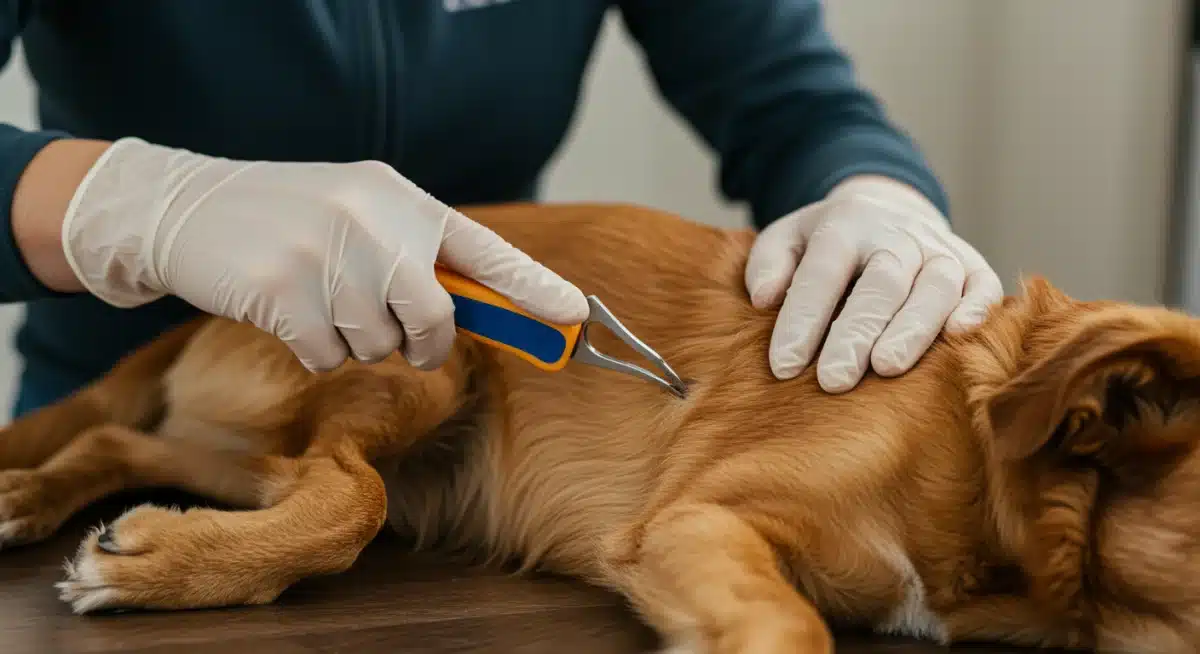
Safe tick removal techniques
Proper tick removal is crucial to prevent leaving part of the tick embedded or inadvertently squeezing infectious fluids into your pet. Always use appropriate tools and techniques.
Grasp the tick as close to the skin as possible with fine-tipped tweezers or a specialized tick removal tool. Pull upward with steady, even pressure. Avoid twisting or jerking, as this can cause the mouthparts to break off. After removal, clean the bite area with antiseptic and wash your hands thoroughly. Dispose of the tick by placing it in alcohol, sealing it in a plastic bag, or flushing it down the toilet. Never crush a tick with your bare hands.
Vaccination and veterinary care in 2026
While preventative medications and environmental controls form the primary defense, vaccination and consistent veterinary care remain vital components of a comprehensive strategy for preventing tick-borne diseases. These elements provide an additional layer of protection and ensure early detection and treatment if an infection does occur.
Regular check-ups allow your veterinarian to assess your pet’s overall health, discuss regional risks, and recommend the most appropriate preventative and vaccination protocols.
Lyme disease vaccination: An important consideration
For pets living in or traveling to areas where Lyme disease is prevalent, vaccination against Borrelia burgdorferi (the bacterium causing Lyme disease) can be a significant protective measure. The Lyme vaccine works by stimulating an immune response that helps the pet fight off the infection if exposed.
It’s important to understand that the Lyme vaccine does not prevent ticks from attaching, nor does it prevent other tick-borne diseases. It specifically targets Lyme disease. Your veterinarian can help you determine if the Lyme vaccine is recommended for your pet based on their risk factors and geographical location. Vaccination should always be used in conjunction with other tick prevention methods, not as a standalone solution.
Annual screenings and proactive diagnostics
Annual veterinary visits should include screening for common tick-borne diseases, particularly in endemic areas. Many veterinarians recommend annual blood tests that can detect exposure to diseases like Lyme, anaplasmosis, and ehrlichiosis, even before symptoms appear.
Early detection is key to successful treatment and preventing long-term health complications. If a test indicates exposure, your vet can initiate treatment promptly. Discussing your pet’s lifestyle, travel history, and any potential tick exposures with your veterinarian ensures they can provide the most relevant diagnostic and preventative advice.
Emerging threats and future outlook
The landscape of tick-borne diseases is not static; it is continually influenced by environmental changes, host migration, and pathogen evolution. As we look towards the future, remaining informed about emerging threats and adapting our prevention strategies will be crucial for protecting our pets. Research and development in veterinary medicine are constantly striving to stay ahead of these challenges.
New pathogens and tick species can emerge, or existing ones can expand their reach, presenting new challenges for pet owners and veterinarians alike. Staying connected with reputable sources of information and your vet is key.
New tick-borne pathogens on the horizon
While Lyme, anaplasmosis, and ehrlichiosis are well-known, scientists are continuously identifying new or re-emerging tick-borne pathogens. For example, diseases like Powassan virus, while rare, are gaining attention due to their severity. Although primarily affecting humans, understanding these broader trends informs overall tick control efforts.
Veterinary research is actively monitoring these developments, and future preventative strategies may need to incorporate protection against an even wider array of threats. Staying updated on these findings through your veterinarian ensures your pet receives the most comprehensive care.
Advancements in tick control technology
The future of tick prevention holds promise with ongoing advancements in technology. Researchers are exploring novel approaches, such as improved repellents, new vaccine technologies, and even genetic strategies to control tick populations.
For instance, there’s ongoing work on longer-lasting preventative medications, more effective environmental controls that are eco-friendly, and even wearable technologies that could detect ticks on pets. These innovations, once fully developed and approved, will further empower pet owners in their efforts to significantly reduce the risk of tick-borne diseases. The commitment to innovation ensures that strategies for preventing tick-borne diseases will continue to improve.
| Key Prevention Strategy | Brief Description |
|---|---|
| Advanced Preventatives | Utilize modern oral or topical treatments for long-lasting tick protection. |
| Environmental Control | Maintain your yard by mowing, clearing debris, and creating tick barriers. |
| Regular Tick Checks | Perform thorough daily inspections and remove ticks safely and promptly. |
| Veterinary Consultations | Discuss vaccination options and annual screenings with your vet. |
Frequently asked questions about tick prevention
The most prevalent tick-borne diseases affecting U.S. pets include Lyme disease, anaplasmosis, ehrlichiosis, and Rocky Mountain spotted fever. Each is transmitted by different tick species and can cause varying symptoms, from lethargy and fever to joint pain and organ damage. Early detection and treatment are crucial for positive outcomes.
It’s recommended to check your pet for ticks daily, especially after they spend time outdoors in grassy or wooded areas. Thorough checks are vital, focusing on areas like behind the ears, between toes, in armpits, and around the groin. Consistent checks help ensure early removal, significantly reducing disease transmission risk.
No, not all tick preventatives are equally effective against all tick species or in all environments. The best choice depends on your pet’s lifestyle, health, and the specific tick threats in your region. Consult your veterinarian to select the most appropriate and effective oral medication, topical treatment, or collar for your pet.
No, you should never use human tick repellents, especially those containing DEET or permethrin, directly on your pet unless specifically advised by a veterinarian. Many human products contain ingredients that can be toxic or harmful to animals. Always use veterinary-approved products formulated specifically for pets to ensure their safety and efficacy.
If your pet tests positive for a tick-borne disease, it’s crucial to follow your veterinarian’s treatment plan diligently. This typically involves antibiotics or other medications to combat the infection. Early diagnosis and consistent treatment are essential for managing the disease and preventing long-term complications. Also, reinforce preventative measures to avoid re-infection.
Conclusion
Successfully preventing tick-borne diseases in 2026 requires a diligent, multi-pronged approach from U.S. pet owners. By integrating advanced preventative medications, actively managing your pet’s environment, performing regular tick checks, and maintaining consistent veterinary care, you can significantly reduce the risk of these debilitating illnesses. Staying informed about evolving tick threats and embracing new technologies will empower you to provide the best possible protection for your cherished companions, ensuring their health and well-being for years to come.