Pet Hydration 2025: Summer Heatwave Tips for US Pets
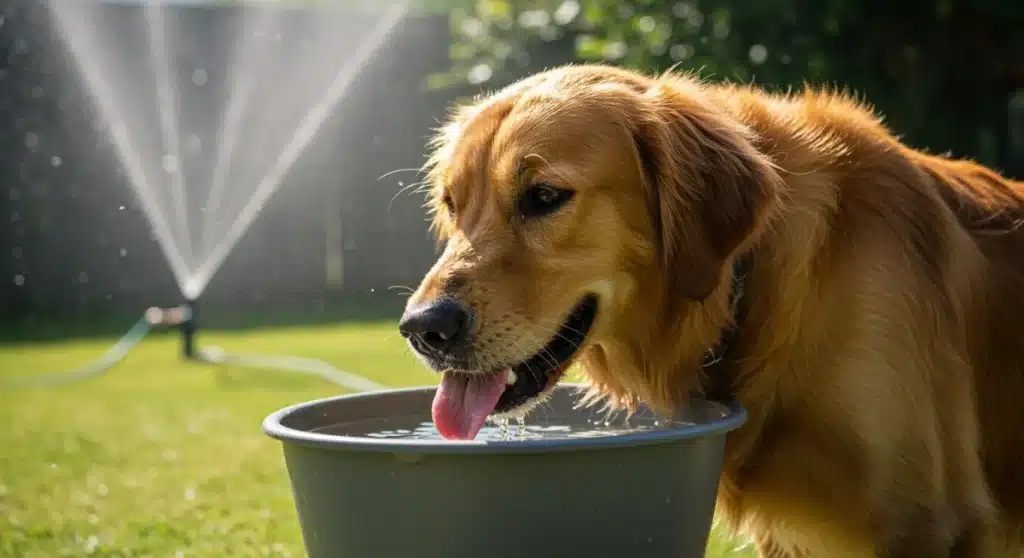
Ensuring optimal hydration is crucial for pets during US summer heatwaves, drastically reducing the risk of heat-related illnesses and enhancing their overall well-being with proactive strategies.
As summer heatwaves intensify across the United States, understanding how to maintain safe pet hydration becomes paramount. This comprehensive guide for 2025 offers five essential tips designed to prevent up to 70% of heat-related issues, ensuring your beloved companions stay cool, healthy, and happy even on the hottest days.
Understanding the Risks of Dehydration in Pets
Dehydration in pets, especially during scorching summer months, poses a significant threat to their health and well-being. Unlike humans, pets cannot sweat efficiently, making them highly susceptible to overheating and dehydration. Recognizing the early signs and understanding the physiological impact is the first step in proactive care.
When a pet becomes dehydrated, its body struggles to regulate temperature, leading to a cascade of potentially dangerous conditions. Blood circulation decreases, organ function can be compromised, and electrolyte imbalances can occur, all of which can quickly escalate into a medical emergency. The intense US summer heatwaves amplify these risks, making constant vigilance and preventative measures indispensable for pet owners.
The physiological impact of heat stress
Heat stress in pets is not merely discomfort; it’s a serious condition that can lead to heatstroke, kidney failure, and even death. The body’s natural cooling mechanisms, such as panting, become less effective when environmental temperatures are excessively high or humidity is stifling. This is particularly true for brachycephalic breeds like pugs and bulldogs, which have compromised respiratory systems.
- Reduced Blood Volume: Dehydration leads to a decrease in blood volume, straining the heart.
- Electrolyte Imbalance: Essential minerals like sodium and potassium are lost, affecting nerve and muscle function.
- Organ Damage: Prolonged dehydration and overheating can cause irreversible damage to kidneys, liver, and brain.
It’s crucial to remember that prevention is always better than cure. By understanding these inherent risks and the specific vulnerabilities of our pets, we can implement effective strategies to safeguard them against the harsh realities of summer heat. Adequate hydration is the cornerstone of this preventative approach, ensuring their internal systems can function optimally.
Monitoring your pet’s water intake and overall behavior during hot weather can provide vital clues about their hydration status. Any lethargy, excessive panting, or changes in gum color should be immediate red flags. Early intervention can make all the difference in preventing a minor issue from becoming a life-threatening one.
Tip 1: Constant Access to Fresh, Clean Water
Providing constant access to fresh, clean water is the most fundamental and critical aspect of ensuring safe pet hydration. This isn’t just about filling a bowl once a day; it involves a continuous, thoughtful approach to water availability, especially when temperatures soar during summer heatwaves.
Pets, much like humans, prefer and benefit from clean water. Stagnant, dirty, or warm water is unappealing and can harbor bacteria, deterring your pet from drinking. Regularly cleaning water bowls and refilling them with cool, fresh water multiple times a day is essential. Consider placing multiple water stations around your home and yard to encourage more frequent drinking.
Optimal placement and bowl types
The placement of water bowls significantly impacts your pet’s willingness to drink. They should be in easily accessible, shaded areas, away from direct sunlight, which can quickly heat the water. For outdoor pets, this might mean a bowl under a tree or on a covered porch. Indoors, ensure bowls are not in high-traffic areas where they might be knocked over, but still easy for your pet to find.
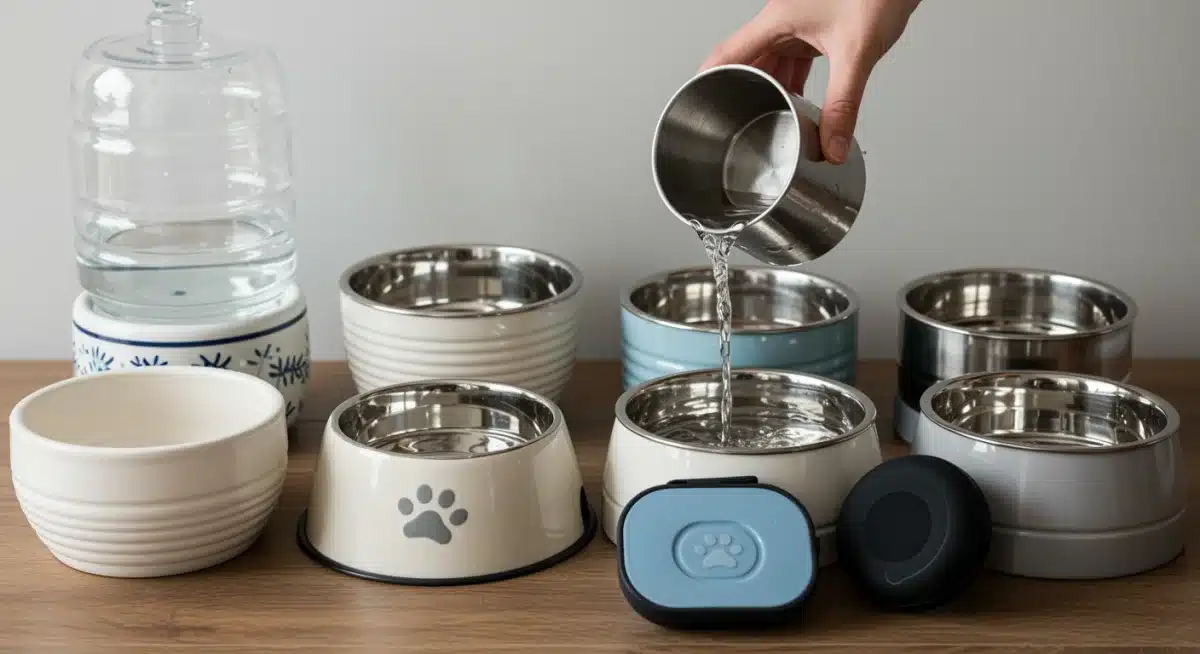
- Material Matters: Stainless steel or ceramic bowls are often preferred over plastic, as they are easier to clean and less likely to harbor bacteria.
- Stability: Choose heavy, stable bowls that are difficult for pets to tip over, preventing accidental spills.
- Multiple Locations: Place bowls in various spots, both indoors and outdoors, to maximize accessibility.
For pets that are particular about their water, or those who don’t seem to drink enough, investing in a pet water fountain can be a game-changer. The flowing water in fountains is often more appealing to pets, as it can mimic natural water sources and stays cooler. This continuous circulation also helps keep the water aerated and fresher, reducing bacterial growth.
Ensuring constant access extends to when you’re on the go. Always carry a portable water bottle and a collapsible bowl for your pet during walks, car rides, or any outdoor activity. Even short excursions can lead to dehydration if water isn’t readily available. Making water a priority in every scenario is key to maintaining optimal hydration levels.
Tip 2: Encourage Drinking with Hydrating Treats & Food
Beyond simply offering water, actively encouraging your pet to drink more is a clever strategy for enhancing safe pet hydration. Incorporating hydrating treats and making smart food choices can significantly boost their fluid intake, providing an extra layer of protection against dehydration during the hottest months.
Many pets are naturally drawn to certain tastes and textures, and we can leverage this to our advantage. Offering pet-safe ice cubes, especially those flavored with a dash of chicken or beef broth (low sodium, sugar-free), can turn hydration into a fun treat. Some pets also enjoy munching on frozen fruit pieces like watermelon or blueberries, which are high in water content and packed with nutrients.
Creative hydration boosters
Making hydration an engaging experience can motivate even the pickiest drinkers. Consider creating pet-friendly popsicles using pureed fruits and water, or freezing small amounts of wet food into lickable treats. These methods not only provide fluids but also help to cool your pet down from the inside out, offering relief during intense heat.
- Broth Ice Cubes: Freeze low-sodium chicken or beef broth for a tasty, hydrating snack.
- Frozen Fruit: Offer small pieces of watermelon, cantaloupe, or blueberries (ensure seeds are removed from larger fruits).
- Wet Food: Mix a little extra water into your pet’s wet food to increase its moisture content.
Dietary choices play a crucial role in overall hydration. While dry kibble is convenient, it contains very little moisture. Incorporating wet food into your pet’s diet, or even mixing a small amount of water directly into their dry kibble, can significantly increase their daily fluid intake. This simple adjustment can make a big difference in maintaining their hydration balance.
Remember to introduce any new treats or dietary changes gradually to avoid upsetting your pet’s stomach. Always consult with your veterinarian if you have concerns about specific foods or if your pet has dietary restrictions. The goal is to make hydration enjoyable and accessible, turning it into a seamless part of their daily routine.
Tip 3: Adjust Exercise Routines and Outdoor Activities
During summer heatwaves, adjusting your pet’s exercise routines and outdoor activities is absolutely critical for ensuring safe pet hydration and preventing heat-related illnesses. The midday sun can quickly turn a routine walk into a dangerous situation, even for pets that typically tolerate heat well.
The most important rule is to avoid peak heat hours. This generally means scheduling walks and playtime for early mornings or late evenings, when temperatures are significantly cooler. The ground temperature can be much hotter than the air temperature, posing a burn risk to paw pads, so always test the pavement with your hand before heading out.
Safe outdoor practices
Even during cooler parts of the day, monitor your pet closely for signs of overheating. Excessive panting, lethargy, drooling, or a staggering gait are all indicators that your pet needs to cool down immediately. Always carry water and a portable bowl, and offer frequent water breaks, even if your pet doesn’t seem thirsty.
- Early Morning/Late Evening: Restrict strenuous activities to the coolest parts of the day.
- Pavement Check: If you can’t hold your hand on the pavement for five seconds, it’s too hot for paws.
- Shorten Walks: Opt for shorter, more frequent walks instead of one long one.
Consider alternative forms of enrichment and exercise that don’t involve direct sun exposure. Indoor games, puzzle toys, or even a trip to a pet-friendly, air-conditioned store can provide mental and physical stimulation without the risk of overheating. For dogs who love water, supervised swimming in a pool or a shallow kiddie pool can be a fantastic way to cool down and exercise safely.
Never leave a pet unattended in a car, even for a few minutes, with the windows cracked. Car interiors can reach life-threatening temperatures within minutes, even on moderately warm days. Prioritizing your pet’s safety by modifying their outdoor schedule and activities is a non-negotiable aspect of responsible pet ownership during summer.
Tip 4: Recognize the Signs of Dehydration and Heatstroke
Even with the best preventative measures, it’s vital for pet owners to recognize the signs of dehydration and heatstroke. Early detection and prompt action can be life-saving. Knowing what to look for and how to respond is a crucial component of maintaining safe pet hydration during summer heatwaves.
Dehydration often precedes heatstroke and can manifest in subtle ways. One of the easiest ways to check for dehydration is the skin elasticity test: gently pull up the skin on your pet’s back or neck. If it snaps back quickly, they are likely well-hydrated. If it returns slowly, or tents, they may be dehydrated. Sticky gums and a dry nose are also indicators.
Immediate action for heat-related emergencies
Heatstroke is a severe medical emergency. Its symptoms are more pronounced and require immediate veterinary attention. Recognizing these signs quickly can drastically improve your pet’s chances of recovery. Do not delay in seeking professional help if you suspect heatstroke.
- Excessive Panting/Difficulty Breathing: A primary sign of overheating.
- Vomiting/Diarrhea: Can be bloody in severe cases.
- Lethargy/Weakness: Your pet may appear disoriented or unable to stand.
- Bright Red Gums/Tongue: Indicates increased blood flow to cool the body, but can turn pale or bluish in severe cases.
- Seizures/Collapse: Advanced stages of heatstroke.
If you suspect your pet is suffering from heatstroke, move them immediately to a cooler environment. Apply cool (not cold) water to their fur, especially on their paws and groin area, and use a fan to aid evaporation. Offer small amounts of water if they are conscious and able to drink, but do not force it. Crucially, transport them to the nearest emergency veterinary clinic as quickly as possible. These immediate first aid steps can buy precious time.
Being prepared means having your vet’s number on hand and knowing the location of the nearest emergency animal hospital. Education about these critical signs empowers pet owners to act decisively, potentially saving their pet’s life when every second counts.
Tip 5: Provide Shaded, Cool Resting Areas
Creating and maintaining shaded, cool resting areas is an often-overlooked yet critical element in ensuring safe pet hydration and overall comfort during summer heatwaves. Pets need a sanctuary where they can escape the sun’s relentless rays and lower their body temperature, both indoors and outdoors.
For outdoor pets, natural shade from trees is ideal. If natural shade is limited, consider setting up tarps, umbrellas, or shade cloths. These structures should be large enough to provide full coverage throughout the day as the sun moves. Ensure these areas are also well-ventilated to prevent heat from getting trapped underneath.
Indoor cooling strategies
Indoors, air conditioning is the most effective way to keep your home cool. If AC isn’t an option, strategically placed fans can help circulate air. Remember that fans cool by promoting evaporation from skin; for pets, this means they help move hot air away, but don’t cool them in the same way they cool humans. A combination of fans and open windows (if outside air is cooler) can be beneficial.
- Cooling Mats: Gelled or water-filled cooling mats can provide a comfortable, cool surface.
- Elevated Beds: Allow air to circulate underneath, preventing heat buildup.
- Tile/Hardwood Floors: These surfaces stay cooler than carpets and can be a favorite resting spot for pets.
Beyond active cooling, consider simple passive measures. Drawing curtains or blinds during the hottest parts of the day can significantly reduce indoor temperatures. Providing access to a bathroom with tile floors, or a basement, can also offer a naturally cooler environment for your pet to retreat to. The goal is to give them options and control over their immediate surroundings.
Regularly check the temperature of these resting areas to ensure they remain genuinely cool. A spot that seems shady in the morning might be bathed in direct sun by the afternoon. Proactive management of these cool zones ensures your pet always has a safe haven from the heat, contributing significantly to their overall hydration and well-being.
Hydration for Different Pet Types and Breeds
While the general principles of safe pet hydration apply universally, understanding the specific needs of different pet types and breeds is crucial for tailored care. Factors like size, coat type, activity level, and breed-specific predispositions all influence how much water a pet needs and how well they cope with heat.
For instance, large breed dogs often require more water than smaller breeds, simply due to their body mass. Breeds with thick double coats, like Huskies or Newfoundlands, are naturally better insulated and thus more prone to overheating in hot climates, necessitating extra attention to hydration and cooling. Conversely, short-nosed (brachycephalic) breeds struggle to pant effectively, making them highly susceptible to heatstroke even with adequate water intake.
Special considerations for vulnerable pets
Certain pet populations are inherently more vulnerable to dehydration and heat-related issues. Puppies and kittens, with their less developed thermoregulation systems, and senior pets, who may have underlying health conditions or reduced mobility, require extra vigilance. Pets with chronic illnesses, such as kidney disease or diabetes, also have unique hydration requirements that should be discussed with a veterinarian.
- Brachycephalic Breeds: Require extreme caution; minimize outdoor exposure in heat.
- Senior Pets: May drink less due to pain or cognitive decline; encourage intake.
- Active Pets: Need significantly more water during and after exercise.
- Outdoor Pets: Constant, multiple water sources are non-negotiable.
Cats, notorious for their low thirst drive, present a unique hydration challenge. Encouraging them to drink often involves creative solutions like water fountains, wet food, or even flavored water. Their natural inclination to avoid still water makes flowing water sources particularly effective. For small animals like rabbits or guinea pigs, ensuring their water bottles are clean and functional, and providing water-rich vegetables, is key.
Understanding these nuances allows pet owners to move beyond generic advice and implement truly effective, personalized hydration strategies. Regular check-ups with your veterinarian can also help tailor a hydration plan that best suits your pet’s individual health profile and lifestyle, ensuring they stay safe and hydrated throughout the year, especially during summer heatwaves.
| Key Hydration Point | Brief Description |
|---|---|
| Constant Water Access | Always provide fresh, clean water in multiple, easily accessible, and shaded locations. |
| Hydrating Treats | Utilize pet-safe ice cubes, frozen fruits, or wet food to boost fluid intake. |
| Adjust Exercise | Limit outdoor activity to early morning or late evening; avoid peak heat hours. |
| Cool Resting Areas | Ensure pets have access to shaded, well-ventilated, and cool spots indoors and outdoors. |
Frequently asked questions about pet hydration
Generally, pets need about 1 ounce of water per pound of body weight per day. During summer heatwaves or increased activity, this requirement can significantly increase. Always ensure multiple sources of fresh water are available and monitor their intake closely for any changes.
Pet water fountains can be highly effective, especially for cats, as flowing water often entices them to drink more. The continuous circulation can also keep water cooler and fresher, reducing bacterial growth compared to stagnant bowls. Many pets prefer them, leading to increased hydration.
Yes, pet-safe ice cubes and frozen treats are excellent for hydration and cooling. Plain ice cubes, or those made with low-sodium broth, are good options. Small pieces of frozen watermelon or blueberries (seedless) also provide hydration and nutrients. Always ensure treats are appropriate for your pet’s size.
If you suspect heatstroke, immediately move your pet to a cooler area. Apply cool (not ice-cold) water to their fur, especially on paws and groin, and use a fan. Offer small sips of water if conscious. Transport them to an emergency vet clinic without delay; early intervention is critical for survival.
Cats often prefer flowing water, so a pet water fountain can be very effective. Also, incorporate wet food into their diet, as it has high moisture content. Placing multiple water bowls in different, quiet locations, and ensuring the water is fresh and cool, can also encourage increased intake.
Conclusion
Mastering safe pet hydration is more than just a seasonal concern; it’s a year-round commitment that takes on critical importance during the intense summer heatwaves in the US. By consistently providing fresh water, strategically using hydrating treats, adjusting exercise routines, recognizing the early signs of distress, and ensuring access to cool resting areas, pet owners can significantly mitigate the risks of dehydration and heatstroke. These proactive measures are not merely suggestions but essential practices that contribute to the long-term health, happiness, and vitality of our beloved animal companions, ultimately preventing a vast majority of heat-related issues and ensuring a safe, enjoyable summer for all.