Save 30% on Pet Grooming Costs Annually: 4 At-Home Techniques for US Pet Owners
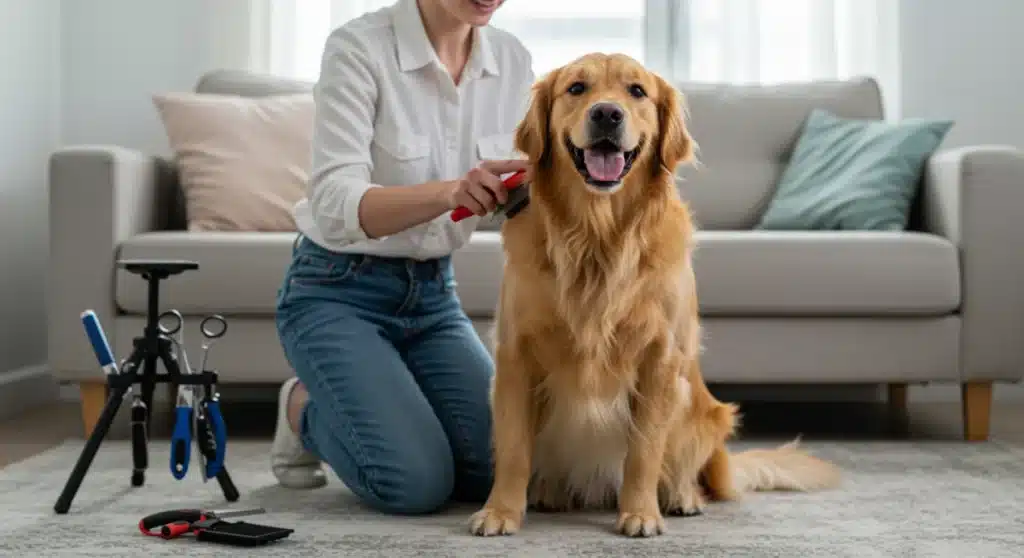
US pet owners can significantly reduce annual expenses by adopting four key at-home grooming techniques: regular brushing, proper bathing, safe nail trimming, and effective ear cleaning, potentially saving up to 30% on professional services.
The financial impact: save 30% on pet grooming costs annually with 4 essential at-home techniques for US pet owners in 2025 is a goal many pet parents are looking to achieve. Professional grooming can be a considerable expense, but with a few simple steps, you can keep your furry friend looking and feeling great without breaking the bank.
Understanding the true cost of professional grooming
Many pet owners in the US frequently rely on professional groomers to maintain their pets’ hygiene and appearance. While these services offer convenience and expertise, they come with a recurring cost that can add up significantly over a year. Understanding these expenses is the first step toward finding effective ways to save.
Professional grooming services typically include bathing, brushing, nail trims, ear cleaning, and often haircuts or specialized styling, depending on the breed. The cost varies widely based on the pet’s size, coat type, temperament, and geographic location. For instance, grooming a large, long-haired dog can easily cost upwards of $70-$100 per session, with smaller dogs or cats still incurring fees of $40-$70. Given that many pets require grooming every 4-8 weeks, these costs can quickly reach several hundred to over a thousand dollars annually.
Factors influencing grooming expenses
- Breed and size: Larger dogs or those with complex coats (e.g., Poodles, Afghan Hounds) require more time and specialized attention, driving up costs.
- Geographic location: Grooming prices can be significantly higher in urban areas or regions with a higher cost of living.
- Frequency of visits: Pets needing more frequent grooming due to rapid coat growth or skin conditions will naturally incur higher annual expenses.
- Additional services: De-shedding treatments, dental care, or flea and tick baths often come with extra charges.
By taking a proactive approach to at-home grooming, pet owners can dramatically reduce the frequency of professional visits, reserving them only for complex tasks or special occasions. This strategic shift not only saves money but also fosters a stronger bond between pet and owner through regular, gentle handling.
Essential technique 1: effective brushing for coat health
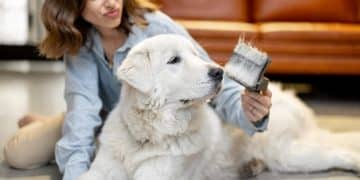
Brushing is arguably the most fundamental and impactful at-home grooming technique. Regular brushing prevents mats and tangles, distributes natural oils for a healthy, shiny coat, and reduces shedding. It’s also an excellent opportunity to check your pet for fleas, ticks, or any unusual lumps or skin irritations.
The type of brush you use is crucial and depends on your pet’s coat. For short-haired breeds, a rubber curry brush or a bristle brush works well to remove loose hair and stimulate the skin. Long-haired breeds, on the other hand, benefit from a slicker brush to tackle tangles and an undercoat rake to remove dead undercoat without damaging the topcoat. Investing in the right tools upfront can make a significant difference in the effectiveness and ease of brushing.
Choosing the right brush
- Slicker brushes: Ideal for removing loose hair and mats from medium to long-haired, curly, or wiry coats.
- Bristle brushes: Best for short-haired breeds, promoting shine and removing surface dirt.
- Pin brushes: Good for longer, silkier coats, helping to detangle without pulling.
- Undercoat rakes: Essential for double-coated breeds to remove dense undercoat and reduce shedding.
Establish a routine that suits your pet’s coat type. Daily brushing is recommended for long-haired pets prone to matting, while short-haired breeds might only need brushing a few times a week. Consistency is key, not just for coat health but also for making the experience enjoyable and stress-free for your pet.
Essential technique 2: mastering the art of at-home bathing
Bathing your pet at home can seem daunting, but with the correct approach, it becomes a manageable and cost-effective part of their routine. The goal is to clean your pet without stripping their natural oils, which can lead to dry skin or irritation. Frequency depends on your pet’s activity level, coat type, and any skin conditions, but generally, a bath every 4-6 weeks is sufficient for most dogs, while cats often manage their own cleanliness.
Preparation is vital for a smooth bathing experience. Gather all your supplies beforehand: pet-specific shampoo, conditioner (if needed), towels, a non-slip mat for the tub, and cotton balls to protect their ears. A gentle stream of lukewarm water is always best. Always use shampoos formulated for pets, as human shampoos can be too harsh and disrupt their skin’s pH balance.
Step-by-step bathing guide
- Wet thoroughly: Start from the neck down, ensuring their coat is completely saturated before applying shampoo.
- Lather gently: Apply shampoo and massage it into their coat, paying attention to often-missed areas like paws and under the tail. Avoid getting soap in their eyes or ears.
- Rinse completely: This is critical. Residual shampoo can cause skin irritation. Rinse until the water runs clear and no suds remain.
- Towel dry: Blot and squeeze excess water from their coat. For long-haired pets, you might use a pet-specific low-heat hair dryer, keeping it at a safe distance and temperature.
Make bathing a positive experience with praise and treats. A calm demeanor from your side will help keep your pet relaxed, making future baths much easier. This simple routine can save you a significant amount over a year, contributing to the 30% savings goal.
Essential technique 3: safe and effective nail trimming
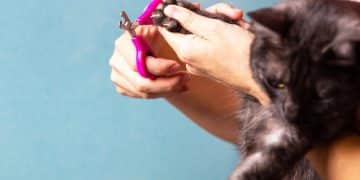
Nail trimming is often the most intimidating grooming task for pet owners, but it’s crucial for your pet’s health and comfort. Overgrown nails can cause pain, lead to splayed feet, and even affect their gait, potentially causing long-term joint issues. Regular trimming, typically every 2-4 weeks, prevents these problems.
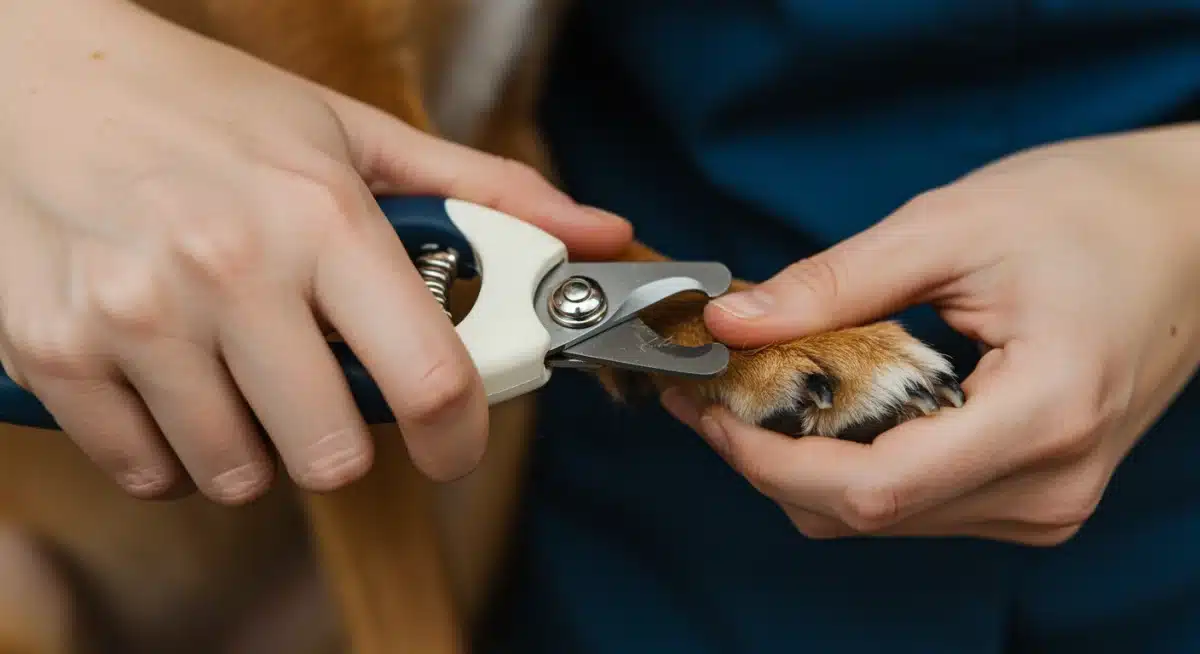
Familiarize yourself with the anatomy of your pet’s nail. Inside each nail is the ‘quick,’ a live tissue containing blood vessels and nerves. Cutting into the quick is painful and will cause bleeding. On light-colored nails, the quick appears as a pink area, making it easier to avoid. For dark-colored nails, trim small slivers at a time until you see a small gray or black dot in the center, indicating you are close to the quick.
Tools and technique for nail trimming
- Guillotine or scissor-style clippers: Choose the type that feels most comfortable and secure for your hand and your pet’s nail size.
- Styptic powder: Keep this on hand to quickly stop bleeding if you accidentally cut the quick.
- Positive reinforcement: Offer treats and praise during and after the process to create a positive association.
Hold your pet’s paw firmly but gently. Isolate the nail you’re trimming and make a quick, clean cut at a 45-degree angle, just below the quick. If your pet is resistant, trim one or two nails at a time over several sessions. Patience and consistency will build trust and make future trims easier, significantly reducing the need for costly professional services.
Essential technique 4: routine ear cleaning and inspection
Regular ear cleaning and inspection are vital for preventing ear infections, which can be painful for your pet and expensive to treat. Many pets, especially those with floppy ears or who spend a lot of time outdoors, are prone to ear issues. Aim to check your pet’s ears weekly and clean them as needed, typically every 2-4 weeks or after swimming.
When inspecting, look for redness, swelling, discharge, or a foul odor. These are signs of potential infection and warrant a vet visit. For routine cleaning, use a pet-specific ear cleaning solution recommended by your veterinarian. Never use cotton swabs deep inside the ear canal, as this can push debris further in and potentially damage the eardrum.
Proper ear cleaning steps
- Gather supplies: You’ll need a pet ear cleaning solution, cotton balls or gauze pads, and treats.
- Apply solution: Gently lift your pet’s ear flap and squirt the cleaning solution into the ear canal until it’s full.
- Massage the base: Gently massage the base of the ear for 20-30 seconds. You should hear a squishing sound as the solution breaks up wax and debris.
- Wipe clean: Allow your pet to shake their head, then use cotton balls or gauze to wipe away any discharge or debris from the visible parts of the ear.
By incorporating routine ear care into your at-home grooming regimen, you not only save on potential vet bills for ear infections but also contribute to your pet’s overall comfort and well-being. This preventative measure is a cornerstone of saving 30% on annual pet care costs.
Integrating at-home grooming into your pet’s routine
Successfully integrating at-home grooming isn’t just about learning the techniques; it’s about making them a consistent and positive part of your pet’s life. This consistency builds trust and reduces stress for both of you, making the entire process more enjoyable and effective. A structured routine ensures that no essential grooming task is overlooked, contributing directly to your savings goal and your pet’s health.
Start small and gradually introduce each grooming activity. For example, begin with short brushing sessions, rewarding your pet with treats and praise. As they become more comfortable, you can extend the duration. The same applies to nail trims and ear cleaning; perhaps only tackle one paw or one ear at a time initially. Patience is paramount, especially with puppies or pets new to grooming.
Tips for a successful grooming routine
- Positive reinforcement: Always reward good behavior with treats, praise, and gentle petting.
- Short, frequent sessions: Shorter, more frequent grooming sessions are often more effective and less stressful than long, infrequent ones.
- Consistency is key: Stick to a regular schedule so your pet knows what to expect.
- Comfortable environment: Choose a quiet, familiar place where your pet feels safe and relaxed.
Remember, at-home grooming is also an excellent opportunity for bonding. These regular interactions strengthen your relationship with your pet and allow you to quickly notice any changes in their health or behavior. By becoming proficient in these four essential techniques, you’re not just saving money; you’re actively investing in your pet’s long-term health and happiness.
Long-term benefits beyond financial savings
While the primary motivation for many US pet owners to adopt at-home grooming techniques is the impressive financial impact: save 30% on pet grooming costs annually, the benefits extend far beyond monetary savings. Embracing these practices fosters a deeper connection with your pet and contributes significantly to their overall health and well-being in ways professional visits alone cannot always achieve.
Regular hands-on grooming allows you to become intimately familiar with your pet’s body. You’ll be the first to notice subtle changes like new lumps, skin irritations, parasites, or changes in coat texture that could indicate underlying health issues. Early detection often leads to more effective and less costly treatment, further enhancing your long-term savings and, more importantly, your pet’s quality of life.
Holistic advantages of at-home grooming
- Enhanced bonding: Regular, gentle grooming sessions strengthen the trust and bond between you and your pet.
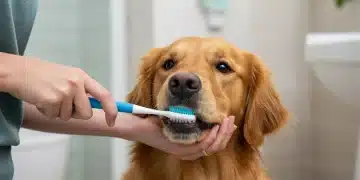
- Improved health monitoring: You gain a consistent opportunity to check for health anomalies, from skin conditions to dental issues.
- Reduced stress for pets: Many pets find professional grooming environments stressful. At-home grooming in a familiar setting can be much calmer.
- Better hygiene: Consistent at-home care helps maintain optimal hygiene, reducing the risk of infections and discomfort.
Moreover, teaching your pet to tolerate and even enjoy grooming sessions builds their confidence and adaptability, skills that are valuable in other aspects of their lives, such as vet visits or interactions with new people. These long-term benefits underscore that at-home grooming is a holistic approach to pet care, offering rewards that are both tangible and immeasurable.
| Key Technique | Annual Savings Potential |
|---|---|
| Effective Brushing | Reduces professional de-shedding needs, prevents costly mat removal. |
| At-Home Bathing | Eliminates regular professional bath fees, saving $40-$100+ per session. |
| Safe Nail Trimming | Avoids $15-$25 per trim, prevents health issues from overgrown nails. |
| Routine Ear Cleaning | Prevents expensive vet visits for ear infections, saving $100+ per incident. |
Frequently asked questions about at-home pet grooming
The frequency depends on your dog’s coat type. Long-haired breeds benefit from daily brushing to prevent mats, while short-haired dogs may only need it a few times a week. Consistent brushing significantly reduces professional de-shedding and mat removal costs.
Always use a pet-specific shampoo, as human shampoos can be too harsh and disrupt your pet’s skin pH balance, potentially causing irritation. Consult your vet for recommendations, especially if your pet has sensitive skin or allergies.
Yes, with proper technique and the right tools, trimming your pet’s nails at home is safe. Learn to identify the quick to avoid pain and bleeding, and always keep styptic powder on hand. Start slowly and use positive reinforcement.
Introduce ear cleaning gradually, in a calm environment, with treats and praise. Use a vet-approved cleaning solution and never insert cotton swabs deep into the ear canal. Regular, gentle handling will build trust and reduce anxiety over time.
Beyond savings, at-home grooming strengthens the bond with your pet, allows for early detection of health issues, and reduces stress for pets often anxious about professional settings. It fosters a deeper understanding of your pet’s overall well-being.
Conclusion
Embracing at-home grooming techniques offers a powerful solution for US pet owners aiming to reduce expenses. By consistently applying the four essential methods—effective brushing, proper bathing, safe nail trimming, and routine ear cleaning—you can achieve the significant goal of saving 30% on annual pet grooming costs. More than just a financial strategy, this hands-on approach deepens your bond with your pet, enhances their comfort, and provides invaluable opportunities for early health monitoring. Investing your time in these practices is an investment in your pet’s long-term health and your household budget, proving that responsible pet ownership can indeed be both loving and economical.