
The year is 2026, and for many pet owners, the changing seasons bring not just beautiful weather but also the unwelcome return of seasonal pet allergies. Just like humans, our beloved cats and dogs can suffer from allergic reactions to environmental triggers such as pollen, mold, and dust mites. These allergies can manifest in various uncomfortable ways, leading to distress for our pets and concern for us. Understanding, identifying, and proactively managing these allergies is key to ensuring our furry companions live happy, healthy lives year-round. This comprehensive guide will equip you with a robust action plan for 2026, helping you pinpoint triggers and provide effective relief for your pet.
As we navigate the complexities of modern pet care, staying informed about common allergens and the latest treatment options becomes paramount. The goal isn’t just to react to symptoms but to anticipate and prevent them, creating an environment where your pet can thrive regardless of the season. From recognizing subtle signs to implementing advanced preventative strategies, we’ll cover everything you need to know to combat seasonal pet allergies effectively.
Understanding Seasonal Pet Allergies: What Are They?
Seasonal pet allergies, often referred to as atopy or allergic dermatitis, occur when a pet’s immune system overreacts to otherwise harmless substances in their environment. These substances, known as allergens, are typically airborne and vary with the seasons. Common culprits include tree pollen in spring, grass pollen in summer, and weed pollen in late summer and fall. Mold spores can also be a significant issue, especially in damp conditions, while dust mites can cause year-round problems that often worsen during specific seasons due to changes in humidity and indoor heating/cooling.
The Immune System’s Role
When an allergic pet encounters an allergen, their immune system mistakenly identifies it as a threat. This triggers a cascade of inflammatory responses, releasing chemicals like histamines that lead to the characteristic symptoms of allergies. Unlike humans, who often experience respiratory symptoms like sneezing and runny noses, pets typically show skin-related signs. This distinction is crucial for early detection and appropriate treatment of seasonal pet allergies.
Why Are Some Pets More Prone?
Genetics play a significant role in a pet’s susceptibility to allergies. Certain breeds are predisposed to atopy, including Golden Retrievers, Labrador Retrievers, German Shepherds, Boxers, Setters, Terriers, and Bulldogs, among dogs. Cats, while less commonly diagnosed with environmental allergies than dogs, can also suffer, with breeds like the Devon Rex and Sphynx sometimes showing higher incidence. Environmental factors, such as early exposure to allergens or living in highly polluted areas, can also contribute to the development of allergies.
Identifying the Triggers: A 2026 Detective Story
Pinpointing the exact allergens responsible for your pet’s discomfort is the first critical step in managing seasonal pet allergies. This often requires a combination of careful observation, environmental monitoring, and sometimes, veterinary diagnostics.
Common Environmental Allergens
- Pollen: The most common seasonal allergen. Different types of pollen (tree, grass, weed) peak at various times of the year. Keeping a keen eye on local pollen counts can help you anticipate peak allergy seasons.
- Mold Spores: Thrive in damp, humid environments, both indoors and outdoors. Piles of leaves, compost, basements, and bathrooms are common breeding grounds.
- Dust Mites: Microscopic creatures that live in house dust. They are present year-round but can cause increased irritation when indoor heating systems circulate dust or when humidity levels fluctuate.
- Fleas: While not a seasonal allergen in the traditional sense, flea saliva is a potent allergen for many pets and can exacerbate existing environmental allergies, making symptoms worse. A single flea bite can trigger intense itching in a flea-allergic pet.
Keeping an Allergy Diary
One of the most effective tools for identifying triggers for seasonal pet allergies is maintaining an allergy diary. For 2026, start tracking:
- The specific date and time your pet exhibits symptoms.
- The type and severity of symptoms (e.g., scratching, licking, redness, ear infections).
- Where your pet has been (indoors, outdoors, specific parks, etc.).
- What the weather conditions were like (sunny, rainy, humid, windy).
- Any new foods, treats, or topical products used.
- Local pollen counts (easily found online or via weather apps).
Over time, patterns will emerge, helping you and your vet narrow down potential triggers for your pet’s seasonal pet allergies.
Veterinary Diagnostics
If your observations aren’t conclusive, your veterinarian can perform diagnostic tests. These may include:
- Intradermal Skin Testing: A small amount of various allergens is injected into the skin, and the reaction is observed. This is considered the gold standard for identifying environmental allergens.
- Blood Tests (Serology): A blood sample is analyzed for antibodies to specific allergens. While less sensitive than skin testing, it’s less invasive and can be a good starting point.
- Elimination Diets: If food allergies are suspected to be complicating environmental allergies, your vet might recommend a strict elimination diet to rule out dietary triggers.
Common Symptoms of Seasonal Pet Allergies
Recognizing the signs of seasonal pet allergies early is crucial for prompt intervention. Symptoms can range from mild irritation to severe discomfort and secondary infections. Here are the most common indicators:
Skin Manifestations (Most Common)
- Intense Itching (Pruritus): This is the hallmark symptom. Pets will scratch, lick, chew, or rub themselves excessively, often targeting specific areas like paws, ears, armpits, and groin.
- Red, Inflamed Skin: Areas of constant scratching or licking can become red, irritated, and inflamed.
- Hair Loss: Due to continuous scratching or licking, patches of fur may be lost.
- Skin Infections: Open sores from scratching can become infected with bacteria (pyoderma) or yeast (Malassezia dermatitis), leading to further itching, odor, and discomfort.
- “Hot Spots”: Acute moist dermatitis, rapidly developing inflamed and infected skin lesions, often triggered by intense scratching in one area.
- Hives or Rashes: Less common with environmental allergies but can occur.
Ear Problems
- Recurrent Ear Infections: One of the most frequent manifestations of seasonal pet allergies. Pets may shake their head, scratch at their ears, or have red, smelly, waxy, or discharge-filled ears.
- Inflammation of the Ear Canal: The skin lining the ear canal becomes inflamed, itchy, and painful.
Paw Licking and Chewing
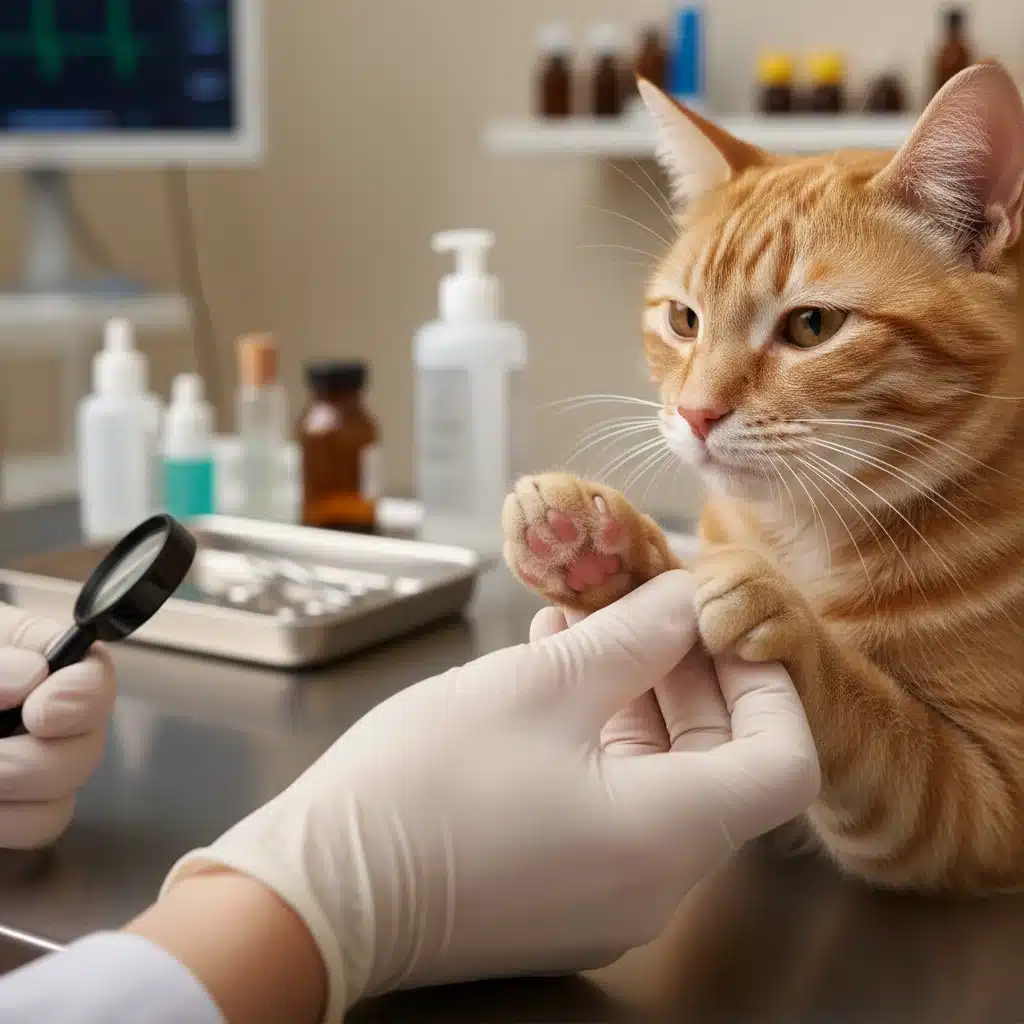
Excessive licking and chewing of paws, especially between the toes, is a classic sign of environmental allergies. The paws may appear red, swollen, and sometimes stained brownish-red from saliva.
Respiratory Symptoms (Less Common in Pets)
While less frequent than in humans, some pets with seasonal pet allergies may exhibit mild respiratory signs such as sneezing, nasal discharge, or watery eyes. Feline asthma can also be triggered or exacerbated by environmental allergens.
A 2026 Action Plan for Relief: Strategies & Treatments
Once you’ve identified potential triggers and recognized the symptoms, it’s time to implement a proactive action plan for 2026 to manage your pet’s seasonal pet allergies effectively. This involves a multi-pronged approach combining environmental control, topical treatments, and sometimes, systemic medications.
Environmental Control and Prevention
Minimizing exposure to allergens is often the first and most crucial step.
- Regular Cleaning: Vacuum frequently with a HEPA filter vacuum, damp mop hard floors, and wash pet bedding weekly in hot water to reduce dust mites and pollen.
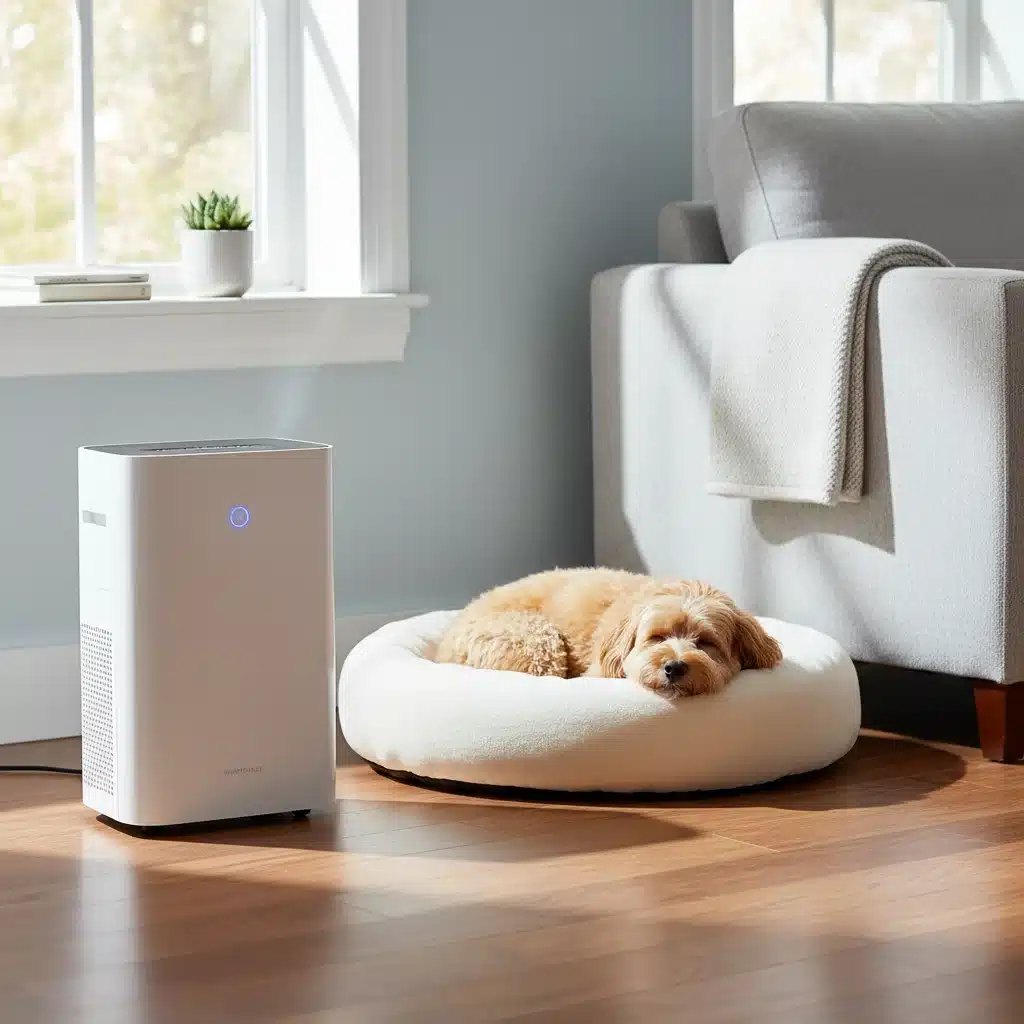
- Air Purifiers: Use HEPA air purifiers in rooms where your pet spends most of its time to filter out airborne allergens.
- Outdoor Management: During peak pollen seasons, limit outdoor walks to early morning or late evening when pollen counts are lower. Avoid walking in freshly mowed grass.
- Wiping Down After Outdoors: After walks, gently wipe your pet’s paws, coat, and face with a damp cloth or hypoallergenic pet wipes to remove pollen and other allergens.
- Bathing: Regular bathing with a hypoallergenic, anti-itch shampoo can help remove allergens from the skin and provide temporary relief. Your vet can recommend an appropriate shampoo.
- Flea Control: Maintain year-round, strict flea control, even if your pet isn’t flea-allergic, as flea bites can intensify other allergic reactions.
- Humidity Control: Use a dehumidifier in damp areas of your home (like basements) to control mold growth.
Topical Treatments and Supplements
These can provide immediate relief and support skin health for pets with seasonal pet allergies.
- Medicated Shampoos and Conditioners: Contain ingredients like colloidal oatmeal, pramoxine, or corticosteroids to soothe itching and reduce inflammation.
- Topical Sprays and Mousses: Offer targeted relief for localized itching and can contain similar soothing or anti-inflammatory ingredients.
- Paw Soaks: Soaking itchy paws in a solution of Epsom salts or a veterinary-prescribed antiseptic can provide significant relief and prevent secondary infections.
- Omega-3 Fatty Acid Supplements: Fish oil supplements (EPA and DHA) can help reduce inflammation and improve skin barrier function, making the skin less reactive to allergens. This is a long-term strategy for managing seasonal pet allergies.
- Probiotics: Some studies suggest probiotics can support gut health and, by extension, immune system balance, potentially alleviating allergy symptoms.
Veterinary-Prescribed Medications
For more severe cases of seasonal pet allergies, your veterinarian may recommend systemic medications.
- Antihistamines: While often effective in humans, antihistamines like diphenhydramine or cetirizine have varied success rates in pets. Always consult your vet for appropriate dosage and type.
- Corticosteroids: Potent anti-inflammatory drugs (e.g., prednisone) that can provide rapid relief from severe itching and inflammation. However, long-term use carries side effects, so they are typically used for short bursts or as a last resort.
- Immunomodulatory Drugs (e.g., Cyclosporine): These medications work by suppressing the immune response that causes allergic reactions. They are often used for chronic, severe allergies but can take several weeks to show full effect.
- Oclacitinib (Apoquel): A targeted therapy that specifically inhibits pathways involved in itching and inflammation. It provides rapid relief with fewer side effects than steroids and is a popular choice for managing seasonal pet allergies.
- Lokivetmab (Cytopoint): An injectable monoclonal antibody therapy that targets and neutralizes a key protein involved in canine itch. It provides 4-8 weeks of itch relief and is very safe, as it is broken down like natural proteins.
- Allergy Shots (Immunotherapy/Desensitization): This is the only treatment that can potentially cure or significantly reduce allergies. Based on identified allergens from skin or blood tests, a custom vaccine is formulated and administered regularly (initially frequently, then less often) to desensitize the pet’s immune system to the allergens. This is a long-term commitment but can offer profound relief from seasonal pet allergies.
- Antibiotics/Antifungals: If secondary bacterial or yeast infections are present, your vet will prescribe appropriate medications to clear them up, which is vital for resolving the itching cycle.
Living with Seasonal Pet Allergies: Long-Term Management
Managing seasonal pet allergies is often a lifelong journey. Consistency and patience are key. Regular communication with your veterinarian is essential to adjust treatment plans as needed and monitor your pet’s progress.
Regular Vet Check-ups
Even if your pet’s allergies seem under control, scheduled follow-up appointments with your vet are important. They can assess skin health, check for new infections, and discuss any emerging concerns. These check-ups are also an opportunity to fine-tune medication dosages or explore new treatment options as they become available in 2026 and beyond.
Maintaining a Healthy Skin Barrier
A compromised skin barrier can make pets more susceptible to allergens. Beyond Omega-3 supplements, ensuring your pet has a high-quality diet rich in essential nutrients can support skin health. Some specialized veterinary diets are formulated to support the skin barrier.
Stress Reduction
Stress can exacerbate many conditions, including allergies. Providing a stable, enriching environment, consistent routines, and plenty of exercise can contribute to your pet’s overall well-being and potentially lessen the severity of allergic flares.
Educating Your Household
Ensure everyone in your home understands the pet’s allergy management plan. This includes knowing which medications to administer, how to wipe down paws, and what environmental controls are in place. Consistency across the household is vital for effective management of seasonal pet allergies.
Future Outlook for Seasonal Pet Allergies in 2026 and Beyond
The field of veterinary dermatology is continuously evolving. As we look towards 2026 and beyond, new advancements in diagnostics and treatments for seasonal pet allergies are constantly emerging. Researchers are exploring novel immunotherapies, more targeted medications with fewer side effects, and even genetic therapies to address the root causes of allergies.
Personalized Medicine
The trend towards personalized medicine is growing in veterinary care. This means that treatments for seasonal pet allergies will become even more tailored to the individual pet, based on their specific allergen profile, genetic predispositions, and response to various therapies. This approach promises more effective and efficient allergy management.
Technological Advancements
Expect to see more sophisticated at-home monitoring devices that can track your pet’s scratching or licking patterns, providing valuable data to your veterinarian. Improved diagnostic tools will also likely emerge, offering quicker and more accurate identification of allergens. Mobile apps that track local pollen counts and provide personalized allergy alerts for pets are also becoming more prevalent and will continue to evolve, making the management of seasonal pet allergies more streamlined for pet owners.
When to Consult Your Veterinarian
While this guide provides a comprehensive action plan, it’s crucial to remember that it’s not a substitute for professional veterinary care. You should consult your veterinarian if:
- You suspect your pet has allergies for the first time.
- Your pet’s symptoms are severe or rapidly worsening.
- Over-the-counter remedies or environmental controls are not providing sufficient relief.
- Your pet develops secondary skin infections (pus, odor, intense redness).
- You notice any changes in your pet’s behavior, appetite, or energy levels alongside allergy symptoms.
- You want to explore advanced diagnostic or treatment options like immunotherapy.
Your veterinarian is your best partner in navigating the challenges of seasonal pet allergies. They can accurately diagnose the condition, rule out other potential health issues, and develop a tailored treatment plan that is safe and effective for your individual pet.
Conclusion: A Comfortable 2026 for Your Allergic Pet
Living with seasonal pet allergies can be challenging, but with a proactive and informed approach, it is entirely manageable. By understanding the nature of these allergies, diligently identifying triggers, and implementing a comprehensive action plan for 2026, you can significantly improve your pet’s quality of life. From environmental controls and topical treatments to advanced veterinary medications and immunotherapies, a wide array of tools is available to provide relief and prevent suffering.
Remember that consistency, patience, and a strong partnership with your veterinarian are the cornerstones of successful allergy management. As science and technology continue to advance, the outlook for pets with allergies becomes brighter, promising even more effective and personalized solutions in the years to come. By staying vigilant and committed to your pet’s well-being, you can help them enjoy every season of 2026 and beyond, free from the discomfort of seasonal pet allergies.
Empower yourself with knowledge, work closely with your veterinary team, and provide your furry friend with the comfort and care they deserve. A happy, itch-free pet makes for a happy pet owner!