As pet parents, the thought of our beloved companions getting lost is a nightmare we all hope to avoid. In an increasingly connected world, technology has stepped up to offer a powerful solution: Pet GPS Trackers. These ingenious devices provide real-time location monitoring, giving us peace of mind and significantly enhancing our pets’ safety. The year 2026 has brought forth an impressive array of innovations in this field, pushing the boundaries of accuracy, durability, and user-friendliness.
Gone are the days when GPS trackers were clunky and unreliable. Today’s Pet GPS Trackers are sophisticated gadgets, often packed with features like activity monitoring, geofencing, and extended battery life. This comprehensive review delves into the latest and most accurate Pet GPS Trackers available in 2026, helping you navigate the options and choose the perfect device to keep your furry family member safe and sound.
The Evolution of Pet GPS Trackers: What’s New in 2026?
The landscape of Pet GPS Trackers has undergone significant transformation. Early models were often bulky, had short battery lives, and sometimes struggled with signal accuracy, especially in challenging environments. Fast forward to 2026, and the advancements are nothing short of remarkable. Manufacturers have focused on several key areas:
- Enhanced Accuracy: Utilizing a combination of GPS, GLONASS, Galileo, and even Wi-Fi and Bluetooth triangulation, modern trackers offer unparalleled precision, often pinpointing your pet’s location within a few feet.
- Miniaturization and Ergonomics: Devices are smaller, lighter, and more comfortable for pets of all sizes, from tiny cats to large dogs. Designs are also more robust and often integrate seamlessly with existing collars.
- Extended Battery Life: Significant improvements in power efficiency mean many Pet GPS Trackers can last for days, or even weeks, on a single charge, reducing the hassle of frequent recharging.
- Advanced Features: Beyond basic tracking, expect features like activity and sleep monitoring, temperature alerts, virtual fences (geofencing) with instant notifications, and even training modes.
- Improved Connectivity: Better cellular network integration (including 5G capabilities in some premium models) ensures more reliable real-time data transmission, even in remote areas.
- Durability and Water Resistance: Most 2026 models are built to withstand the rigors of pet life, boasting high IP ratings for water and dust resistance, making them suitable for adventurous pets.
These advancements collectively contribute to a more effective and reassuring experience for pet owners. Choosing the right Pet GPS Tracker in 2026 means investing in a device that leverages these innovations to provide the best possible safety net for your pet.
Key Factors to Consider When Choosing Pet GPS Trackers
With a plethora of Pet GPS Trackers on the market, selecting the ideal one can feel overwhelming. To make an informed decision, consider these crucial factors:
1. Accuracy and Tracking Technology
The primary function of a Pet GPS Tracker is accurate location. Look for devices that utilize multiple satellite systems (GPS, GLONASS, Galileo) for superior precision. Some trackers also incorporate cellular, Wi-Fi, and Bluetooth for improved indoor tracking and to conserve battery when GPS isn’t necessary. Check reviews for real-world accuracy reports.
2. Battery Life
A tracker is only useful if it’s charged. Battery life can range from a few days to several weeks. Consider your pet’s activity level and how often you’re willing to recharge. Trackers with customizable tracking intervals often allow you to balance accuracy with battery longevity.
3. Size and Weight
The tracker should be comfortable for your pet. A device that’s too heavy or bulky can cause discomfort or even injury. Always check the manufacturer’s recommendations for pet weight and neck size. For smaller pets, miniaturized options are essential.
4. Durability and Water Resistance
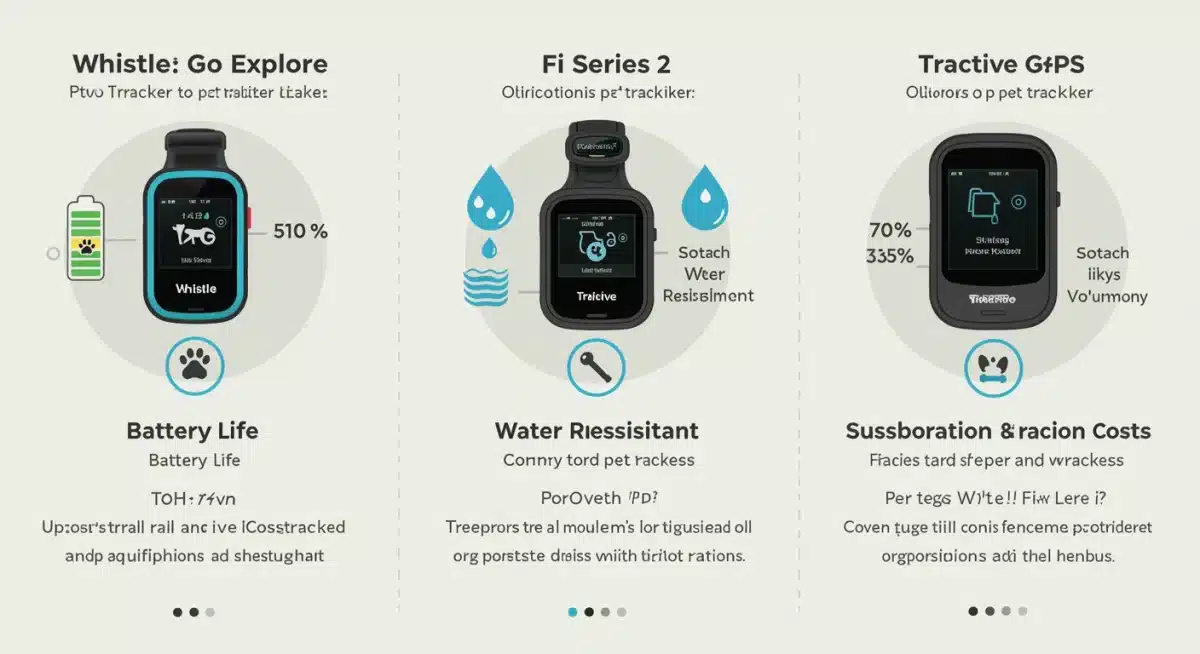
Pets are prone to getting into all sorts of situations. Ensure the tracker is robust enough to withstand bumps, scratches, and, most importantly, water. Look for high IP ratings (e.g., IP67 or IP68) which indicate resistance to dust and immersion in water.
5. Geofencing Capabilities
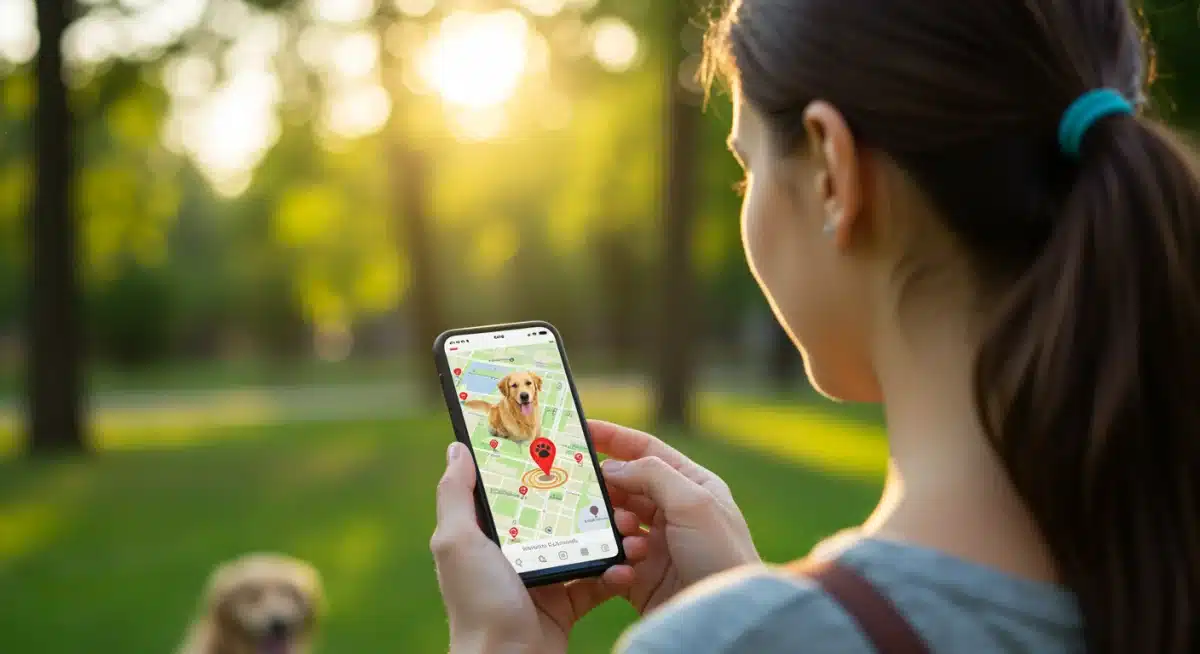
Geofencing allows you to set virtual boundaries on a map. If your pet crosses these boundaries, you receive an instant alert on your smartphone. This feature is invaluable for pets who might wander or for monitoring their presence in safe zones like your yard or a dog park.
6. Subscription Plans and Costs
Most Pet GPS Trackers require a monthly or annual subscription service to cover cellular data transmission. Factor these ongoing costs into your budget. Compare different plans, as some offer more features or better coverage than others.
7. App Features and User Interface
A user-friendly app is crucial for a positive experience. Look for clear maps, easy-to-understand alerts, location history, and other useful features like activity monitoring or health insights. The app should be intuitive and reliable.
8. Real-time Tracking vs. Interval Tracking
Real-time tracking provides continuous updates, which is ideal for emergencies. Interval tracking updates the location every few minutes, which can save battery life but might not be sufficient in a fast-moving situation. Many trackers offer both modes, allowing you to switch as needed.
Top Pet GPS Trackers of 2026: A Detailed Review
Based on extensive research, user reviews, and technological innovation, here are some of the leading Pet GPS Trackers making waves in 2026:
1. GuardianGait Pro X
- Accuracy: Boasting quad-constellation GPS (GPS, GLONASS, Galileo, BeiDou) and advanced Wi-Fi triangulation, the GuardianGait Pro X offers unparalleled accuracy, often within a 5-foot radius. Its patented ‘Precision Pinpoint’ technology is particularly effective in urban canyons and densely wooded areas.
- Battery Life: Up to 15 days on a single charge with standard tracking, extending to 30 days in power-saving mode. Features a quick-charge option, reaching 80% in just 1 hour.
- Design & Durability: Ultra-lightweight (30g) and compact, suitable for pets as small as 8 lbs. Constructed from aerospace-grade aluminum and high-impact polycarbonate. IP68 waterproof rating, meaning it can be submerged up to 1.5 meters for 30 minutes.
- Key Features: Customizable geofencing with instant alerts, activity and sleep monitoring, temperature sensor with alert thresholds, ‘Find My Pet’ sound and light beacon for night-time searches, and a lost-mode feature that shares your pet’s location with local animal shelters if activated.
- Subscription: Tiered plans starting at $9.99/month, offering varying levels of data and features.
- Pros: Exceptional accuracy, long battery life, robust build, comprehensive feature set, very comfortable for pets.
- Cons: Premium price point, higher subscription cost.
2. PawTrack Ultra 5G
- Accuracy: Leverages 5G cellular connectivity for incredibly fast and precise location updates. It combines traditional GPS with advanced cellular tower triangulation, making it highly reliable even in areas with spotty satellite coverage.
- Battery Life: 10-day battery life with real-time tracking (updates every 5 seconds), up to 20 days with 30-second interval tracking.
- Design & Durability: Sleek, ergonomic design weighing 45g. Made with reinforced polymer, designed to withstand extreme temperatures and impacts. IP67 waterproof.
- Key Features: Live tracking mode, ‘Adventure Log’ to record your pet’s journeys, health insights based on activity, personalized training zones, and voice command capabilities through the app for certain alerts.
- Subscription: Monthly plans starting from $7.99, with discounts for annual commitments.
- Pros: Blazing-fast real-time tracking, excellent coverage due to 5G, durable, good array of features.
- Cons: Slightly heavier than some competitors, 5G coverage still developing in some rural areas.
3. FetchFinder Mini
- Accuracy: Good all-around accuracy with standard GPS and LBS (Location Based Services) for indoor tracking. Provides reliable location data in most environments, ideal for suburban and rural settings.
- Battery Life: Up to 7 days on a single charge. Designed for efficient power consumption.
- Design & Durability: Very small and lightweight (25g), making it perfect for smaller dogs and cats. Durable, chew-resistant casing. IPX7 waterproof.
- Key Features: Basic geofencing, 24-hour location history, escape alarm, and an integrated LED light for visibility at night. Focuses on core tracking functionality without overwhelming extras.
- Subscription: One of the most affordable plans, starting at $4.99/month.
- Pros: Extremely lightweight and compact, very affordable, chew-resistant, great for small pets.
- Cons: Shorter battery life compared to premium models, fewer advanced features.
4. WanderGuard Elite
- Accuracy: Combines GPS with advanced AI-powered algorithms to predict pet movement patterns, resulting in highly accurate and proactive tracking. It learns your pet’s routines for more intelligent alerts.
- Battery Life: An impressive 21 days in power-saving mode, 12 days with frequent updates. Utilizes a smart power management system.
- Design & Durability: Robust, military-grade construction, yet surprisingly sleek (50g). Designed to withstand extreme conditions, including mud, snow, and strong impacts. IP68 waterproof and dustproof.
- Key Features: Predictive tracking, custom safe zones and danger zones, ‘Buddy Tracking’ to monitor multiple pets, health and fitness tracking with personalized goals, and a direct line to emergency services in some regions.
- Subscription: Mid-range pricing, starting at $8.49/month, with family plans available.
- Pros: Excellent battery life, highly durable, intelligent tracking, comprehensive features.
- Cons: Slightly heavier, app can be feature-rich and require a learning curve.
Understanding the Technology Behind Pet GPS Trackers
To truly appreciate the advancements in Pet GPS Trackers, it’s helpful to understand the underlying technologies that make them work:
Global Positioning System (GPS)
This is the core technology. GPS trackers receive signals from satellites orbiting the Earth. By triangulating signals from multiple satellites, the device can calculate its precise position on the globe. The more satellites it can connect to, the more accurate the reading.
GLONASS, Galileo, BeiDou
These are other global navigation satellite systems (GNSS) similar to GPS. Many modern Pet GPS Trackers utilize multiple GNSS constellations simultaneously. This multi-system approach significantly improves accuracy and reliability, especially in areas where line-of-sight to GPS satellites might be obstructed (e.g., dense forests, urban areas with tall buildings).
Cellular Connectivity (2G, 3G, 4G, 5G)
Once the tracker determines its location, it needs a way to transmit that data to your smartphone. This is where cellular networks come in. The tracker contains a small SIM card (often embedded) that connects to cellular towers, sending the location data over the internet to the tracker’s app. The type of cellular network (2G, 3G, 4G, 5G) affects the speed and reliability of data transmission. 5G, for instance, offers extremely low latency and high bandwidth, allowing for near-instantaneous location updates.
Wi-Fi Triangulation
In indoor environments where GPS signals can be weak or absent, some Pet GPS Trackers can use Wi-Fi triangulation. They detect nearby Wi-Fi networks and compare their signal strengths to a database of known Wi-Fi hotspot locations to estimate the pet’s position. This is particularly useful in homes, offices, or shopping centers.
Bluetooth Low Energy (BLE)
BLE is often used for short-range tracking, especially in conjunction with lost-and-found networks or for creating a virtual leash around a pet owner’s phone. It’s also used for initial setup and firmware updates.
LBS (Location Based Services)
LBS refers to using cellular tower locations to estimate a device’s position. While less accurate than GPS, it can provide a general location when GPS signals are unavailable, acting as a fallback.
The best Pet GPS Trackers seamlessly integrate these technologies, switching between them as needed to provide the most accurate and reliable location data while optimizing battery consumption. This intelligent integration is what sets 2026’s top models apart.
Enhancing Pet Safety Beyond Tracking: Integrated Features
Modern Pet GPS Trackers are more than just location devices; they are comprehensive pet safety and wellness tools. Here’s how integrated features contribute to overall pet well-being:
Activity and Sleep Monitoring
Many trackers include accelerometers and other sensors to monitor your pet’s activity levels throughout the day. This data can be invaluable for understanding their exercise habits, identifying potential health issues (e.g., sudden decrease in activity), and ensuring they are getting enough physical stimulation. Similarly, sleep tracking can reveal insights into their rest patterns.
Temperature Alerts
Some advanced trackers incorporate temperature sensors that can alert you if your pet is in an environment that is too hot or too cold. This is particularly useful if your pet is left in a car for a short period (though never recommended) or if you’re concerned about extreme weather conditions.
Health and Wellness Insights
Beyond basic activity, some apps linked to Pet GPS Trackers offer personalized health insights, suggesting exercise goals based on your pet’s breed, age, and weight. They might also integrate with veterinary records or remind you about medication schedules.
Two-Way Communication (Limited)
While rare, some high-end models are experimenting with very limited two-way communication features, allowing owners to speak through the device or hear ambient sounds around their pet. This is still an emerging technology but shows promise for future iterations.
Lost Pet Mode & Community Features
A growing trend is the integration of ‘lost pet modes’ that allow you to share your pet’s last known location and contact information with a community of users or local animal shelters directly through the app. This crowdsourcing approach can significantly increase the chances of a quick reunion.
These additional features transform Pet GPS Trackers from simple locating devices into holistic tools for pet management, offering a deeper understanding of your pet’s life and further enhancing their safety and health.
The Future of Pet GPS Trackers: What to Expect Post-2026
The rapid pace of technological innovation suggests that Pet GPS Trackers will continue to evolve dramatically. Here’s a glimpse into what the future might hold:
Even Smaller and Lighter Designs
As micro-electronics advance, trackers will become even more discreet, potentially integrating directly into pet collars or even being implantable (though the latter raises ethical considerations and is a more distant prospect).
Enhanced AI and Machine Learning
AI will play an even larger role in predicting pet behavior, identifying unusual patterns, and offering proactive alerts. Imagine a tracker that learns your pet’s ‘escape routes’ and warns you before they even leave the yard.
Augmented Reality (AR) Tracking
Future apps might incorporate AR, allowing you to hold up your phone and see an overlay of your pet’s location directly in your environment, making searches even more intuitive.
Self-Charging Technologies
Research into kinetic energy harvesting or solar charging for small devices could lead to Pet GPS Trackers that never need manual recharging, offering true ‘set-it-and-forget-it’ functionality.
Integration with Smart Home Systems
Seamless integration with smart home ecosystems could allow for automated actions based on your pet’s location, such as adjusting thermostat settings when your pet is home or activating pet feeders.
Advanced Health Monitoring
Future trackers could incorporate more sophisticated biometric sensors to monitor heart rate, respiratory rate, and other vital signs, providing early warnings for health issues.
The trajectory of Pet GPS Trackers is clearly towards greater integration, intelligence, and autonomy, promising an even safer and more connected future for our animal companions.
Making the Right Choice: A Summary
Choosing the best Pet GPS Tracker for your furry friend in 2026 boils down to balancing key features with your specific needs and budget. Consider your pet’s size, activity level, and propensity for wandering. Evaluate the importance of features like real-time tracking, geofencing, and extended battery life.
While the GuardianGait Pro X stands out for its exceptional accuracy and comprehensive features, the PawTrack Ultra 5G offers unparalleled speed, and the FetchFinder Mini provides an excellent budget-friendly option for smaller pets. The WanderGuard Elite impresses with its advanced AI and durability.
Remember to factor in the ongoing subscription costs, as these are an integral part of owning a GPS tracker. Read user reviews and, if possible, consider trying out a device with a good return policy to ensure it meets your expectations.
Ultimately, investing in a high-quality Pet GPS Tracker is an investment in your peace of mind and your pet’s safety. With the advanced technology available in 2026, keeping track of your beloved companion has never been easier or more reliable. Make an informed decision, and enjoy the freedom and security that a top-tier tracker provides.
Frequently Asked Questions About Pet GPS Trackers
Q1: Are Pet GPS Trackers truly accurate in 2026?
A1: Yes, the latest Pet GPS Trackers in 2026 are remarkably accurate. Many utilize multiple satellite systems (GPS, GLONASS, Galileo) combined with Wi-Fi and cellular triangulation, often pinpointing your pet’s location within a few feet. Premium models even incorporate AI for predictive tracking.
Q2: How long does the battery typically last on a modern Pet GPS Tracker?
A2: Battery life varies significantly between models and usage patterns. In 2026, you can expect anywhere from 7 days for compact, budget-friendly options to over 20 days for advanced models with efficient power management. Real-time tracking consumes more battery than interval tracking.
Q3: Do all Pet GPS Trackers require a monthly subscription?
A3: Most Pet GPS Trackers require a monthly or annual subscription. This fee covers the cost of the cellular data plan that allows the device to transmit location information to your smartphone or web application. Without a subscription, the tracking functionality will not work.
Q4: Can I use a Pet GPS Tracker for both dogs and cats?
A4: Yes, many Pet GPS Trackers are designed for both dogs and cats. However, it’s crucial to consider the size and weight of the tracker relative to your pet. For smaller cats and dogs, look for ultra-lightweight and compact models to ensure their comfort and safety.
Q5: What is geofencing, and how does it work with Pet GPS Trackers?
A5: Geofencing is a virtual fence feature that allows you to set safe zones (e.g., your backyard) on a map within the tracker’s app. If your pet enters or exits these predefined areas, you receive an instant notification on your smartphone. It’s an excellent tool for preventing escapes and monitoring boundaries.
Q6: Are Pet GPS Trackers waterproof?
A6: Many 2026 Pet GPS Trackers are designed to be highly durable and water-resistant. Look for devices with an IP rating of IP67 or IP68, which indicates they can withstand submersion in water for a certain period, making them suitable for pets who love to swim or play in the rain.
Q7: Can I track multiple pets with one app?
A7: Yes, most reputable Pet GPS Tracker brands offer apps that allow you to track multiple devices (and thus multiple pets) from a single account. You’ll typically need a separate tracker and subscription for each pet.
Q8: What kind of connectivity do these trackers use?
A8: Modern Pet GPS Trackers primarily use GPS for outdoor location and cellular networks (2G, 3G, 4G, or 5G) to transmit that data. Some also incorporate Wi-Fi triangulation for improved indoor tracking and Bluetooth for short-range functionalities and setup.
Q9: What if my pet goes into an area with no cellular coverage?
A9: If your pet enters an area without cellular coverage, the tracker will typically store the last known GPS location and transmit it once it regains a signal. While real-time updates won’t be available, you’ll still get a general idea of the direction and last confirmed whereabouts.
Q10: Are there any health benefits to using a Pet GPS Tracker?
A10: Beyond safety, many 2026 Pet GPS Trackers offer activity and sleep monitoring features that can provide valuable insights into your pet’s health and wellness. This data can help you ensure your pet gets enough exercise, identify changes in behavior, and even assist your vet in diagnosing potential issues.