Preparing for Winter 2026: 6 Essential Pet Safety Measures for Cold U.S. Climates (TIME-SENSITIVE)
As the days grow shorter and the temperatures plummet, winter 2026 will soon be upon us, bringing with it the unique challenges of cold U.S. climates. For pet owners, this means it’s time to shift focus to winter pet safety. Our beloved companions, whether they’re dogs, cats, or other small animals, rely on us to keep them safe, warm, and healthy during the harshest months of the year. While some pets seem to thrive in colder temperatures, no animal is immune to the dangers of extreme cold, ice, and snow. From frostbite and hypothermia to exposure to toxic substances and dehydration, the risks are numerous. This comprehensive guide will walk you through six essential pet safety measures to implement before and during the winter of 2026, ensuring your furry family members are well-protected and comfortable. We’ll delve into everything from adequate shelter and nutrition to paw protection and recognizing emergency signs. By taking proactive steps now, you can mitigate potential hazards and ensure a safe, cozy winter for your pets.
1. Provide Adequate Shelter and Warmth: A Cornerstone of Winter Pet Safety
One of the most critical aspects of winter pet safety is ensuring your pets have access to proper shelter and warmth. This isn’t just about bringing them inside; it’s about creating an environment where they can escape the biting cold, wind, and precipitation. For indoor pets, this might seem straightforward, but even they need extra consideration. Drafty windows and doors can make even a well-insulated home feel chilly. Consider placing pet beds away from these areas or investing in insulated pet beds that retain body heat. For older pets or those with arthritis, heated pet beds can provide immense comfort and alleviate joint pain exacerbated by cold.
Indoor Pet Warmth Strategies
- Identify Drafts: Walk around your home, especially near windows and doors, to locate cold spots. Use weather stripping or draft stoppers to seal them.
- Elevated Beds: Keep pet beds off cold floors. Elevated beds can significantly reduce heat loss.
- Extra Blankets: Provide plenty of soft blankets for your pets to burrow into.
- Temperature Regulation: While you might turn down the thermostat at night, remember that your pets feel the cold too. Maintain a comfortable indoor temperature, especially if your pets are older or have short coats.
Outdoor Pet Shelter Requirements
While ideally, all pets should be indoors during severe winter weather, some working dogs or farm animals may spend more time outside. For these animals, a well-constructed, insulated shelter is not just a luxury but a necessity for winter pet safety. A good outdoor shelter should:
- Be Insulated: Walls, floor, and roof should be insulated to retain heat. Straw or cedar shavings make excellent bedding materials, as they are insulating and can be changed regularly to maintain hygiene.
- Be Elevated: The shelter should be raised off the cold ground to prevent heat loss and moisture buildup.
- Have a Small Opening: The entrance should be just large enough for your pet to enter and exit, minimizing heat escape. A flap over the entrance can further help.
- Be Waterproof and Windproof: The structure must protect against rain, snow, and wind.
- Be Appropriately Sized: It should be large enough for the pet to stand, turn around, and lie down comfortably, but small enough to retain body heat efficiently.
Remember, even with a robust outdoor shelter, prolonged exposure to freezing temperatures is dangerous. Regular checks on outdoor pets are crucial, and bringing them inside during extreme cold snaps is always the safest option. Never underestimate the importance of proper shelter in ensuring overall winter pet safety.
2. Adjust Nutrition and Hydration: Fueling for the Cold
Just like humans, pets require more energy to maintain their body temperature in cold weather. Therefore, adjusting their diet and ensuring adequate hydration are vital components of winter pet safety. The caloric needs of a pet can increase significantly, especially if they spend any amount of time outdoors. However, it’s a delicate balance; overfeeding an inactive indoor pet can lead to unhealthy weight gain.
Dietary Considerations for Cold Weather
- Increased Calories for Active Pets: If your pet is highly active outdoors, consult your veterinarian about increasing their food intake. High-quality, energy-dense foods can provide the necessary fuel.
- Maintain Weight for Indoor Pets: For pets primarily indoors and less active, maintain their regular diet to prevent obesity, which can lead to other health issues.
- Supplements: Discuss with your vet if certain supplements, like omega-3 fatty acids, could benefit your pet’s skin and coat health during the dry winter months.
Hydration is Key
Dehydration is a risk even in cold weather. Pets can become dehydrated if their water sources freeze or if they simply don’t drink enough. Ensuring constant access to fresh, unfrozen water is paramount for winter pet safety.
- Multiple Water Bowls: Place several water bowls around your home for indoor pets.
- Heated Water Bowls: For outdoor pets, a heated water bowl is an excellent investment to prevent water from freezing. Check it regularly to ensure it’s functioning and clean.
- Regular Checks: Even with heated bowls, check water sources frequently to ensure they are clean and accessible.
- Recognize Dehydration: Symptoms include lethargy, sunken eyes, dry gums, and loss of skin elasticity. If you suspect dehydration, contact your vet immediately.
Proper nutrition and hydration contribute not only to a pet’s energy levels but also to a strong immune system, which is crucial for fending off winter illnesses. Prioritizing these aspects is a fundamental step in comprehensive winter pet safety.
3. Protect Paws from Ice, Snow, and Chemicals: A Common Hazard
Pet paws are incredibly vulnerable during winter. Ice, snow, and especially de-icing chemicals can cause significant damage, pain, and even poisoning. Protecting your pet’s paws is a non-negotiable aspect of winter pet safety.
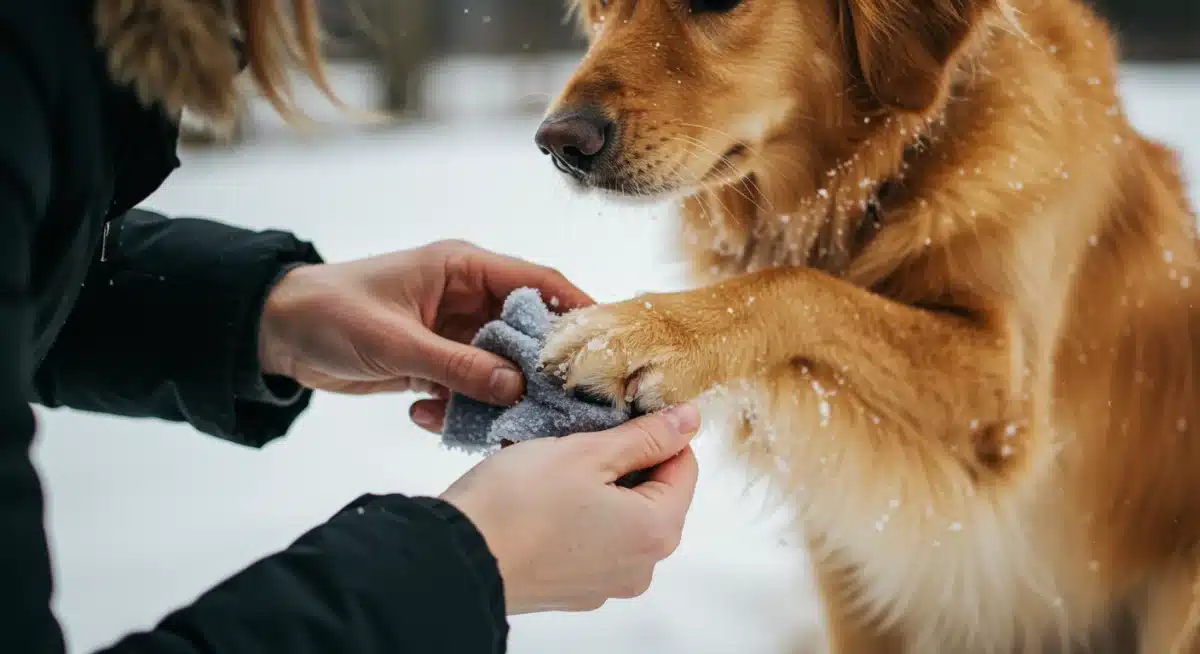
Paw Protection Strategies
- Booties: Pet booties offer excellent protection against ice, snow, salt, and chemicals. It may take some time for your pet to get used to them, so introduce them gradually before winter arrives.
- Paw Balms: Apply a pet-safe paw balm or wax (like Musher’s Secret) to create a protective barrier on your pet’s paw pads before walks. This helps prevent cracking and irritation.
- Trim Paw Hair: Keep the hair between your pet’s paw pads trimmed short. This prevents ice balls and de-icing chemicals from accumulating there.
- Avoid De-icing Chemicals: Whenever possible, avoid walking your pet on sidewalks or roads treated with rock salt or chemical de-icers. These substances can irritate their paws and are toxic if ingested when pets lick their paws.
Post-Walk Paw Care
Even with protective measures, it’s essential to clean your pet’s paws thoroughly after every outdoor excursion. This is a critical step in maintaining winter pet safety.
- Warm Water Rinse: Use a bowl of warm water and a soft cloth to gently rinse off any salt, ice, or chemicals from their paws.
- Thorough Drying: Dry their paws completely to prevent chapping and frostbite, especially between the toes.
- Inspect for Injuries: While cleaning, inspect their paw pads for any signs of redness, cracking, cuts, or irritation. If you notice any issues, consult your veterinarian.
Neglecting paw care can lead to painful injuries, infections, and even systemic illness if toxic chemicals are ingested. Prioritizing paw protection is a simple yet highly effective way to enhance winter pet safety.
4. Be Aware of Antifreeze and Other Toxins: Hidden Dangers
Winter brings an increased risk of exposure to dangerous toxins, particularly antifreeze. Antifreeze, which often contains ethylene glycol, has a sweet taste that can attract pets, but even a small amount can be lethal. This is a severe threat to winter pet safety.
Antifreeze Awareness and Prevention
- Clean Up Spills Immediately: If you use antifreeze in your car or for other household purposes, clean up any spills thoroughly and immediately. Even a small puddle can be deadly.
- Store Safely: Store antifreeze and other automotive chemicals in tightly sealed containers, out of reach of pets.
- Opt for Pet-Safe Alternatives: Consider using antifreeze products that contain propylene glycol, which is less toxic to pets, though still not entirely safe.
- Check for Leaks: Regularly check your car for antifreeze leaks and have them repaired promptly.
Other Winter Toxins to Watch For
Antifreeze isn’t the only winter toxin. Other substances can pose a threat to winter pet safety:
- Rock Salt and De-icers: As mentioned, these can be toxic if ingested. Keep pets away from treated areas.
- Rodenticides: People often use rodenticides more frequently in winter to deal with pests seeking warmth inside. These are highly toxic to pets.
- Household Cleaners: Ensure all cleaning products are stored securely.
- Holiday Plants: Many popular holiday plants like mistletoe, holly, and lilies are toxic to pets.
If you suspect your pet has ingested any toxic substance, contact your veterinarian or a pet poison control center immediately. Time is often critical in these situations. Being vigilant about potential toxins is a crucial part of comprehensive winter pet safety.
5. Dress for the Weather: Pet Apparel for Enhanced Safety
While some breeds with thick double coats are naturally more tolerant of cold, many pets, especially those with short coats, small breeds, puppies, senior pets, and those with underlying health conditions, greatly benefit from winter apparel. Dressing your pet appropriately is a practical measure for enhancing winter pet safety.
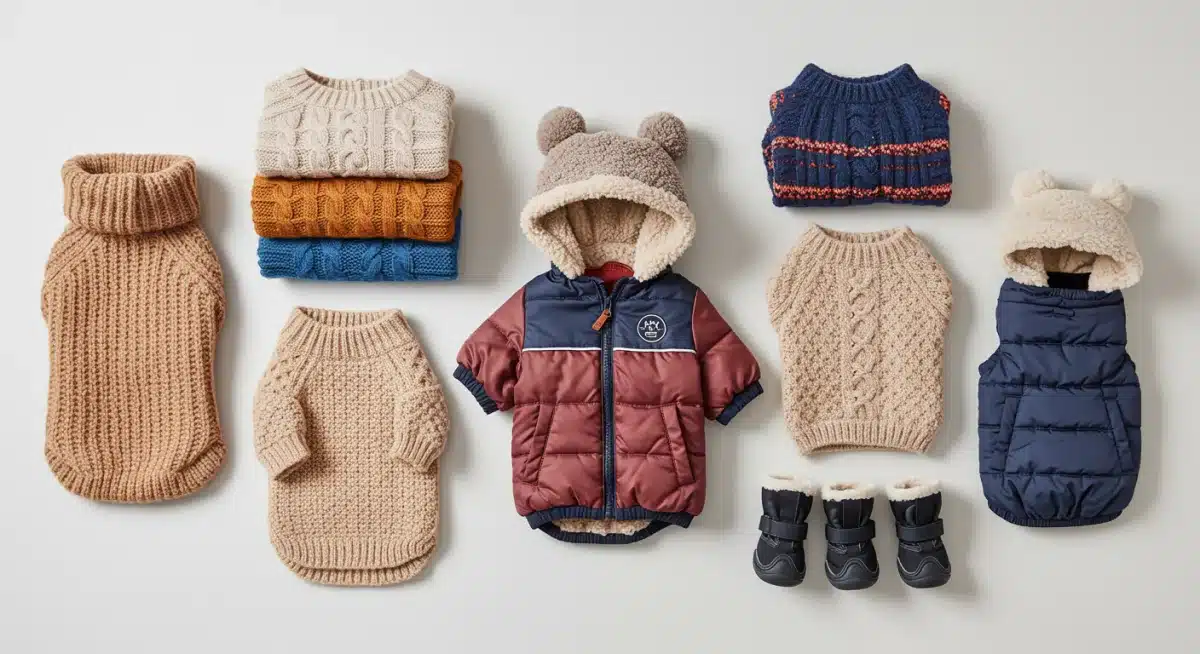
Choosing the Right Pet Clothing
- Sweaters and Coats: Look for sweaters and coats that cover your pet’s back and belly, offering maximum warmth. Ensure they fit snugly but don’t restrict movement. Waterproof or water-resistant materials are ideal for snowy or wet conditions.
- Booties (Revisited): As discussed, booties are excellent for paw protection but also add an extra layer of warmth to their extremities.
- Visibility: Choose apparel with reflective strips or bright colors, especially if you walk your pet during dawn, dusk, or at night when visibility is low. This adds an extra layer of safety by making them more visible to drivers.
When to Dress Your Pet
It’s not always obvious when your pet needs an extra layer. Consider these factors for optimal winter pet safety:
- Temperature: If the temperature drops below 45°F (7°C), most short-haired or small breeds will benefit from a coat. Below freezing (32°F/0°C) even some larger, hardier breeds might appreciate extra warmth during prolonged outdoor time.
- Wind Chill: Factor in the wind chill, as it can make the effective temperature feel much colder.
- Precipitation: If it’s raining or snowing, a waterproof coat is essential to prevent your pet from getting wet and chilled.
- Pet’s Behavior: Shivering, reluctance to go outside, or trying to huddle are clear signs your pet is cold and needs more protection.
Always monitor your pet for signs of discomfort or overheating while wearing clothing. While beneficial, proper fit and material are key to ensuring the apparel truly contributes to their winter pet safety rather than causing new issues.
6. Recognize Hypothermia and Frostbite: Emergency Preparedness
Despite all precautions, accidents can happen, and pets can still be at risk of cold-related emergencies like hypothermia and frostbite. Knowing how to recognize the signs and what to do is a critical aspect of winter pet safety.
Recognizing Hypothermia
Hypothermia occurs when a pet’s body temperature drops dangerously low. Signs include:
- Shivering: Initially, they may shiver intensely.
- Lethargy and Weakness: As it progresses, shivering may stop, and they become lethargic and weak.
- Cold to the Touch: Their extremities (ears, paws, tail) will feel extremely cold.
- Pale Gums: Gums may appear pale or bluish.
- Stumbling or Disorientation: Severe hypothermia can lead to coordination loss and confusion.
- Shallow Breathing and Slow Heart Rate: In advanced stages, breathing and heart rate slow down.
What to Do: If you suspect hypothermia, immediately bring your pet indoors to a warm environment. Wrap them in warm blankets, use warm (not hot) water bottles wrapped in towels, or a hairdryer on a low setting. Contact your veterinarian immediately, even if they seem to be recovering. Professional medical attention is often necessary.
Recognizing Frostbite
Frostbite is tissue damage caused by freezing. It most commonly affects extremities like paw pads, ears, and tails. Signs may not be immediately apparent, but look for:
- Pale, Grey, or Bluish Skin: Affected areas may look discolored.
- Cold and Hard to the Touch: The skin will feel unusually cold and stiff.
- Pain and Swelling: As the tissue thaws, it can become painful, swollen, and red.
- Blisters or Ulcers: In severe cases, blisters or open sores may develop.
- Blackened Skin: In very severe cases, the affected area may turn black and slough off.
What to Do: Gently warm the affected area with warm (not hot) water for about 20 minutes. Do NOT rub the area, as this can cause further damage. Do NOT use direct heat sources like heating pads or hot water bottles as this can cause burns. Once warmed, gently dry the area and seek veterinary attention immediately. Frostbite can lead to permanent tissue damage and infection.
General Emergency Preparedness
Beyond recognizing these specific conditions, general emergency preparedness is vital for overall winter pet safety. This includes:
- Knowing Your Vet’s Emergency Number: Have it readily accessible.
- First-Aid Kit: Maintain a pet first-aid kit with essentials like bandages, antiseptic wipes, and a thermometer.
- Pet Emergency Plan: If there’s a power outage or severe storm, have a plan for keeping your pet warm and safe.
Being prepared for winter emergencies can make a life-saving difference for your pet. Early recognition and prompt action are key to positive outcomes.
Conclusion: A Proactive Approach to Winter Pet Safety
As we look ahead to winter 2026, the responsibility of ensuring our pets’ well-being rests firmly on our shoulders. The six essential measures discussed – providing adequate shelter and warmth, adjusting nutrition and hydration, protecting paws, being vigilant about toxins, dressing appropriately for the weather, and recognizing emergency signs – form a robust framework for comprehensive winter pet safety. Each step is interconnected, contributing to a holistic approach that safeguards our furry friends from the harsh realities of cold U.S. climates.
Remember that every pet is an individual, and their needs may vary based on breed, age, size, and health status. What works for a husky might not be suitable for a chihuahua. Therefore, observing your pet’s behavior, consulting with your veterinarian, and adapting these guidelines to their specific requirements are crucial. By being proactive, attentive, and prepared, you can ensure that winter 2026 is a season of warmth, comfort, and joy for all your beloved companions. Let’s make winter pet safety a top priority and enjoy the snowy months knowing our pets are happy and protected.