Wearable Pet Health Monitors: 6-Week User Report 2025
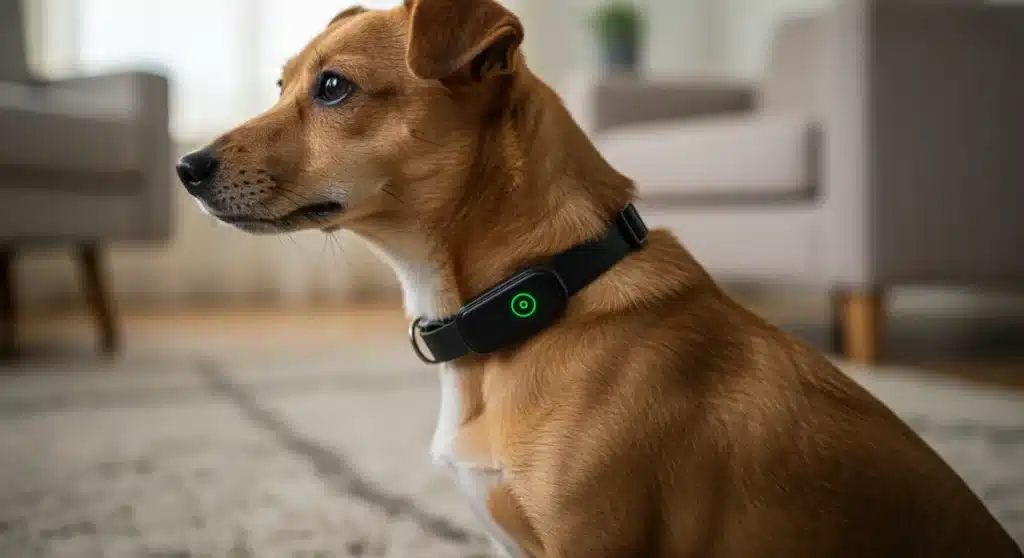
This report details a 6-week user experience with wearable pet health monitors in early 2025, evaluating their impact on tracking activity, sleep, and overall pet well-being.
Welcome to our comprehensive Deep Dive into Wearable Pet Health Monitors: A 6-Week User Experience Report from Early 2025. As pet parents, we are constantly seeking innovative ways to ensure our furry companions lead healthy, happy lives. This report aims to shed light on how these cutting-edge devices are performing in real-world scenarios, offering insights into their functionality, benefits, and potential drawbacks from a user perspective.
The Evolution of Pet Health Monitoring Technology
The landscape of pet care has undergone a significant transformation in recent years, largely driven by technological advancements. Gone are the days when pet health was solely assessed during annual vet visits; today, continuous monitoring is becoming increasingly accessible. This section explores the journey of pet health technology, from basic activity trackers to sophisticated devices capable of providing a holistic view of a pet’s well-being.
Early iterations of pet wearables primarily focused on GPS tracking or simple step counting. While valuable, these devices offered limited insights into a pet’s physiological state. The demand for more comprehensive data, coupled with advancements in sensor technology and data analytics, paved the way for the sophisticated wearable pet health monitors we see in early 2025. These new generation devices are designed to detect subtle changes that might indicate underlying health issues, often before visible symptoms emerge.
From Activity Trackers to Holistic Health Companions
- Early Devices: Focused on location tracking and basic movement patterns.
- Mid-Tier Evolution: Introduced sleep tracking and rudimentary calorie burn estimates.
- Current Monitors (2025): Integrate heart rate, respiratory rate, temperature, and advanced behavioral pattern recognition.
The shift towards holistic monitoring is crucial for preventative care. By continuously gathering data on vital signs and activity levels, these monitors empower pet owners and veterinarians to make more informed decisions about a pet’s health. This proactive approach can lead to earlier diagnosis of conditions, more effective treatment plans, and ultimately, an improved quality of life for our pets.
Methodology: Our 6-Week User Experience Framework
To provide a truly insightful report, we developed a rigorous 6-week user experience framework. This involved selecting a diverse group of pet owners and their dogs, each equipped with a leading wearable pet health monitor. Our goal was to capture real-world usage data, feedback on device usability, accuracy, and the overall impact on pet care routines. The participants were asked to integrate the monitors into their daily lives, providing regular updates and detailed observations.
The participant pool included various breeds, ages, and activity levels, ensuring a broad representation. Each participant received specific guidelines on how to use the device, interpret the data, and report their experiences. We focused on collecting both quantitative data, such as activity minutes and sleep scores, and qualitative feedback on user satisfaction, perceived accuracy, and the device’s influence on pet owner behavior.
Participant Selection and Device Integration
Our selection process prioritized participants who were genuinely interested in understanding their pet’s health better and were committed to consistent device usage. We provided detailed instructions and ongoing support to ensure smooth integration of the monitors into their daily routines. This hands-on approach allowed us to address any initial challenges and gather authentic insights.
- Diverse Pet Group: Included small, medium, and large breeds; puppies to senior dogs.
- Daily Logging: Participants logged pet activities, eating habits, and any noticeable behavioral changes.
- Weekly Surveys: Detailed surveys were completed weekly, focusing on specific device features and overall satisfaction.
The 6-week period allowed sufficient time for participants to move past the initial novelty phase and truly evaluate the long-term utility and reliability of the monitors. This duration also provided enough data points to observe trends and identify any recurring issues or standout features.
Key Findings: Activity, Sleep, and Behavioral Insights
Our 6-week deep dive into wearable pet health monitors yielded fascinating insights across several key areas: activity levels, sleep patterns, and behavioral changes. Participants consistently reported a heightened awareness of their pets’ daily rhythms, often discovering nuances they hadn’t noticed before. The data provided by these monitors offered a new lens through which to understand their pets’ well-being.
For instance, many owners were surprised by the actual duration and quality of their pets’ sleep, with some realizing their pets were getting less restful sleep than anticipated. Similarly, activity tracking not only confirmed daily exercise but also highlighted periods of inactivity that prompted owners to adjust their pets’ routines. These data points proved invaluable for making small, yet significant, improvements to pet care.
Unveiling Hidden Patterns
One of the most impactful findings was the ability of these monitors to reveal subtle behavioral shifts. An unexpected drop in activity, a prolonged period of restlessness during sleep, or an elevated heart rate could all signal a potential issue. While not diagnostic tools, they served as early warning systems, prompting owners to consult their veterinarians.
- Activity Tracking Accuracy: Generally high, providing reliable data on exercise and sedentary periods.
- Sleep Quality Insights: Distinguished between light and deep sleep, revealing potential sleep disturbances.
- Behavioral Anomaly Detection: Alerted owners to unusual patterns, facilitating early intervention.
The consistent stream of data empowered owners to become more proactive in managing their pets’ health. Instead of waiting for overt symptoms, they could identify potential concerns based on deviations from their pet’s normal baseline, fostering a more preventative approach to care.
User Experience and Device Usability
Beyond the raw data, the overall user experience and device usability were critical components of our evaluation. A sophisticated device is only truly effective if it’s easy for pet owners to use and integrate into their daily lives. Our participants provided extensive feedback on everything from the comfort of the monitor on their pet to the intuitiveness of the accompanying mobile application.
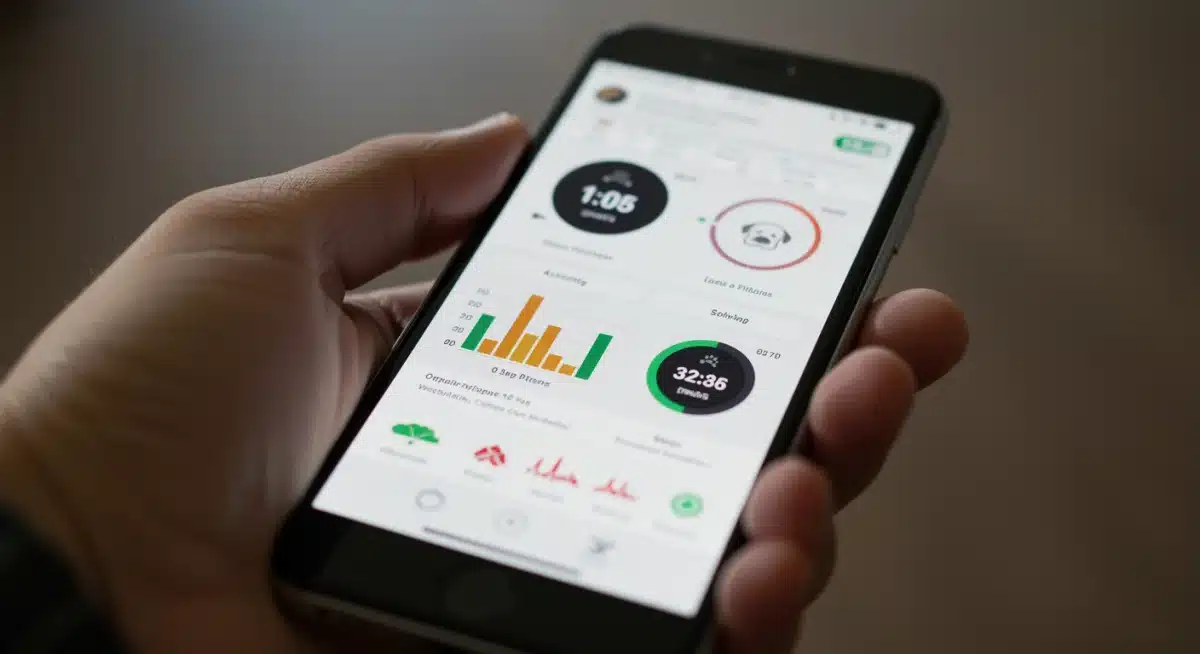
The comfort and fit of the wearable pet health monitor were paramount. Devices that were too bulky, uncomfortable, or prone to falling off quickly lost favor. Similarly, the mobile applications needed to be user-friendly, offering clear data visualization, customizable alerts, and easy access to historical data. A complex or glitchy app often led to frustration and reduced engagement.
Challenges and Triumphs in Daily Use
Most participants found the setup process straightforward, with clear instructions provided. However, some encountered initial challenges with device syncing or app connectivity, which were typically resolved with troubleshooting. The ability to customize alerts for specific events, such as prolonged inactivity or unusual sleep patterns, was a highly valued feature.
- Comfort and Durability: High marks for lightweight, robust designs that withstood daily pet activities.
- App Interface: Preferred apps with intuitive dashboards, clear graphs, and customizable notification settings.
- Battery Life: Devices with longer battery life (multiple days) were significantly preferred, reducing daily charging hassles.
The feedback highlighted that while advanced features are appreciated, core usability—such as comfort, battery life, and a reliable app—forms the foundation of a positive user experience. Devices that excelled in these basic aspects fostered greater trust and consistent use among pet owners.
Integration with Veterinary Care and Future Implications
One of the most promising aspects of wearable pet health monitors lies in their potential to revolutionize the relationship between pet owners and veterinarians. The data collected by these devices can provide veterinarians with an unprecedented, continuous view of a pet’s health, moving beyond the snapshots offered by periodic check-ups. This integration fosters a more proactive and data-driven approach to veterinary care.
During our 6-week study, several participants shared their pet’s monitor data with their veterinarians. The response was overwhelmingly positive, with vets appreciating the objective insights into activity levels, sleep quality, and even subtle changes in vital signs. This data often helped confirm suspicions, track recovery, or even identify potential issues that might otherwise have gone unnoticed until a more advanced stage.
Bridging the Gap Between Home and Clinic
The ability to share real-time and historical data with veterinary professionals creates a powerful bridge between home monitoring and clinical assessment. It allows for more personalized care plans, early detection of chronic conditions, and better management of post-operative recovery. This collaborative approach enhances the overall quality of pet health management.
- Enhanced Diagnostics: Continuous data aids veterinarians in diagnosing conditions more accurately.
- Personalized Treatment Plans: Data-driven insights enable tailored care for individual pet needs.
- Proactive Health Management: Supports preventative care, potentially reducing emergency visits.
The future implications are vast, suggesting a shift towards a more integrated and continuous model of pet healthcare. As these technologies evolve, we can expect even greater sophistication in data analysis and predictive capabilities, further empowering pet owners and veterinarians alike.
The Economic and Emotional Impact on Pet Owners
Investing in a wearable pet health monitor isn’t just about technology; it’s also about the economic and emotional impact on pet owners. Our 6-week report sought to understand how these devices influenced owners’ peace of mind, their financial considerations, and the overall bond with their pets. The findings indicate a significant positive influence in both areas, although initial costs remain a consideration for some.
Emotionally, many owners reported reduced anxiety about their pet’s health. The ability to check on their pet’s well-being, even when away from home, provided immense comfort. Knowing that they would be alerted to any significant deviations from the norm offered a sense of security that was highly valued. This peace of mind often translated into a stronger, more trusting relationship with their pet.
Value Beyond the Price Tag
While the initial cost of a high-quality monitor can be a deterrent for some, participants often viewed it as a worthwhile investment in their pet’s long-term health. The potential for early detection of health issues could, in some cases, lead to less expensive and more effective treatments, potentially saving money in the long run. The value extended beyond mere financial savings, encompassing the intangible benefits of reduced stress and increased connection.
- Reduced Anxiety: Owners felt more secure knowing their pet’s health was continuously monitored.
- Enhanced Bond: Greater understanding of pet’s needs led to a deeper connection.
- Potential Cost Savings: Early detection could prevent more serious, expensive health problems.
Ultimately, the economic and emotional benefits of these monitors are deeply intertwined. The ability to proactively manage a pet’s health not only fosters a sense of responsibility but also strengthens the emotional ties, making the investment in such technology feel truly invaluable.
| Key Aspect | Description |
|---|---|
| Data Accuracy | Monitors provided reliable data on activity, sleep, and some vital signs. |
| User Experience | High satisfaction with comfortable designs and intuitive mobile applications. |
| Veterinary Integration | Data sharing with vets proved highly beneficial for proactive care. |
| Emotional Impact | Significantly reduced pet owner anxiety and fostered a deeper bond. |
Frequently Asked Questions About Wearable Pet Health Monitors
Modern wearable pet health monitors in early 2025 offer a high degree of accuracy for tracking activity levels, sleep patterns, and some vital signs like heart rate. While not medical diagnostic tools, they provide reliable baseline data and detect significant deviations that warrant veterinary attention.
Typically, these monitors collect data on activity duration and intensity, sleep quality (distinguishing between light and deep sleep), heart rate, respiratory rate, and sometimes body temperature. Advanced models also offer GPS tracking and behavioral pattern recognition to alert owners of unusual changes.
No, wearable pet health monitors are not a substitute for regular veterinary check-ups. They serve as complementary tools that provide continuous data, helping pet owners and vets identify potential issues earlier. This data can inform discussions with your veterinarian, leading to more targeted care.
Most modern monitors are designed with pet comfort in mind, being lightweight and durable. However, individual pet tolerance varies. It’s important to choose a device appropriate for your pet’s size and breed, ensuring it fits snugly but comfortably without causing irritation or restricting movement.
Before purchasing, consider your pet’s specific needs, the types of data you want to track, battery life, the ease of use of the accompanying app, and veterinary compatibility. Research reviews and compare features to find a monitor that best suits both your pet and your lifestyle.
Conclusion
Our Deep Dive into Wearable Pet Health Monitors: A 6-Week User Experience Report from Early 2025 clearly demonstrates that these devices are more than just gadgets; they are becoming indispensable tools for proactive pet care. From providing continuous insights into activity and sleep to offering early warnings for potential health concerns, these monitors empower pet owners with valuable data. The integration with veterinary care promises a future of more personalized and preventive health strategies, ultimately contributing to longer, healthier, and happier lives for our beloved companions. As technology continues to advance, we anticipate even more sophisticated and user-friendly solutions that will further enhance the well-being of pets worldwide.