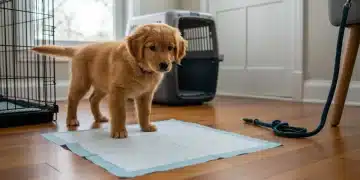
Effective House Training: 7-Day Plan for US Dogs in 2025
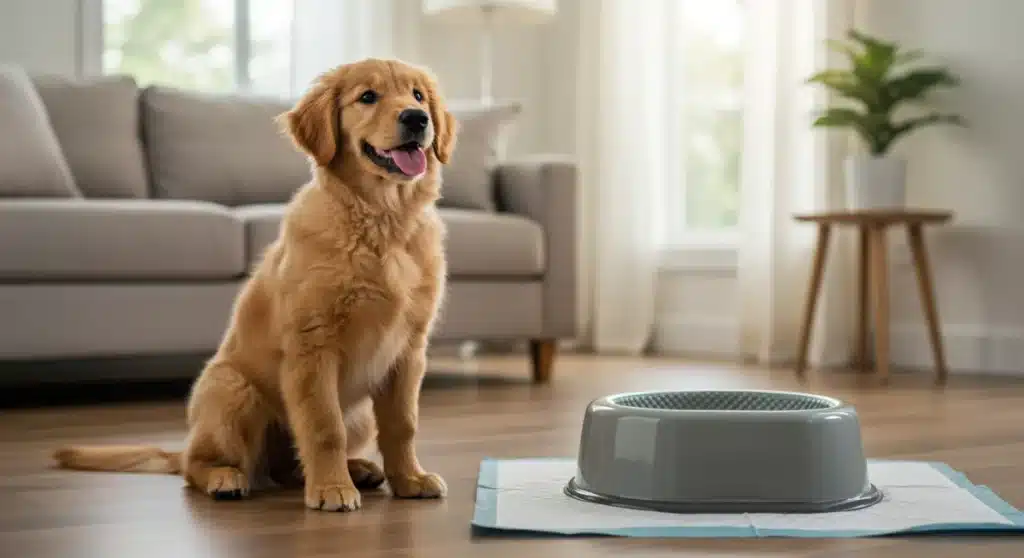
A structured and consistent 7-day plan is crucial for achieving successful house training in puppies and adult dogs within US households, establishing clear routines and positive reinforcement for lasting results.
Embarking on the journey of house training your furry companion, whether a new puppy or an older rescue, can feel overwhelming. However, with a dedicated approach and understanding of canine behavior, achieving effective house training is entirely within reach. This comprehensive 7-day plan is designed for US households in 2025, offering practical steps and insights to guide your dog towards successful potty habits and a cleaner home.
Understanding the Basics of House Training
Before diving into the daily schedule, it’s essential to grasp the fundamental principles that underpin successful house training. Dogs, by nature, prefer to keep their den clean, and we can leverage this instinct. The key lies in creating a predictable routine, offering ample opportunities for elimination in designated areas, and reinforcing positive behavior.
The Role of Routine and Consistency
Dogs thrive on routine. Establishing a consistent schedule for feeding, potty breaks, and playtime helps them understand when and where they are expected to relieve themselves. This predictability reduces anxiety and aids in faster learning.
- Feeding Schedule: Feed your dog at the same times each day. This regulates their digestive system, making potty times more predictable.
- Potty Breaks: Take your dog out immediately after waking up, after meals, after naps, and before bedtime.
- Playtime Integration: Incorporate potty breaks during and after playtime, as excitement can stimulate the need to go.
Positive Reinforcement: The Cornerstone of Success
Punishment is counterproductive in house training and can lead to fear and secretive elimination. Instead, focus on rewarding desired behaviors. When your dog eliminates in the correct spot, offer immediate praise, a favorite treat, or a quick play session.
Understanding these basics sets the stage for a successful 7-day training program. Patience and consistency are your most powerful tools throughout this process.
Day 1: Establishing the Foundation and Routine
The first day is all about setting the stage for success. This involves preparing your home environment and initiating a strict, consistent schedule for your dog. Remember, consistency from day one is paramount for effective house training.
Crate Training Introduction (Optional but Recommended)
A crate can be an invaluable tool. Dogs are less likely to soil their sleeping area. Introduce the crate as a safe, comfortable space, not a punishment.
- Comfort: Make the crate inviting with soft bedding and a favorite toy.
- Positive Association: Feed meals in the crate and offer treats when your dog goes inside voluntarily.
- Gradual Introduction: Start with short periods and gradually increase the time your dog spends in the crate.
Initial Potty Schedule Implementation
Today, focus on taking your dog out frequently. For puppies, this could be every 1-2 hours. For adult dogs, it might be every 3-4 hours, or more often if they have a history of accidents. Always go to the same designated potty spot.
When your dog eliminates outside, immediately offer enthusiastic praise and a high-value treat. This instant reward helps them connect the act of going outside with positive reinforcement. If they don’t go, bring them back inside and try again in 15-30 minutes.
By the end of Day 1, your goal is to have initiated a clear routine and to have your dog associate outdoor elimination with rewards. Do not get discouraged by accidents; they are part of the learning process.
Day 2 & 3: Reinforcing the Schedule and Managing Accidents
With the routine established, days two and three are dedicated to reinforcing those habits and learning how to effectively manage any accidents that occur. Consistency remains key, building upon the foundation laid on day one.
Stick to the Schedule
Do not waver from the established potty schedule. Dogs learn through repetition. Continue to take your dog to their designated spot after waking, eating, playing, and before bedtime. Use the same verbal cue, like “go potty” or “outside,” every time.
Observing your dog’s behavior for signs they need to go out is crucial. These can include sniffing around, circling, whining, or heading towards the door. React promptly to these signals to prevent accidents.
Handling Accidents Indoors
Accidents will happen, especially in the early stages. The way you handle them is critical. If you catch your dog in the act, calmly interrupt them with a clap or a sharp “no,” then immediately take them outside to their designated spot. If they finish outside, praise and reward them.
If you discover an accident after the fact, do not scold your dog. They will not understand why they are being punished for something that happened minutes or hours ago. Simply clean it up thoroughly using an enzymatic cleaner to eliminate odors that might attract them back to the same spot.
Focus on preventing accidents by staying vigilant and adhering to the schedule rather than reacting to them negatively. A calm and consistent approach will yield the best results.
Day 4 & 5: Expanding Freedom and Vigilance
As your dog becomes more reliable, days four and five focus on gradually expanding their freedom within your home while maintaining close supervision. This phase requires increased vigilance to ensure continued success in effective house training.
Gradual Increase of Unsupervised Time
If your dog has been accident-free for 2-3 days, you can start to allow slightly more freedom. Instead of constant leashed supervision, allow them to roam in a single room with you present. Keep the potty schedule strict during this time.
- Controlled Environment: Begin in a room where you can easily monitor your dog.
- Short Intervals: Start with 15-30 minutes of unsupervised time and gradually increase.
- Frequent Checks: Periodically check for signs that your dog needs to go out.
Mastering the Potty Cue
Continue to use your chosen potty cue consistently. When your dog eliminates outside, pair the cue with immediate praise and reward. This reinforces the association between the command and the action, which can be particularly useful in adverse weather conditions or when you’re in a hurry.
During these days, it’s also important to ensure all family members are on the same page regarding the training protocols. Everyone should use the same commands, follow the same schedule, and reward consistently. This unified approach prevents confusion for your dog.
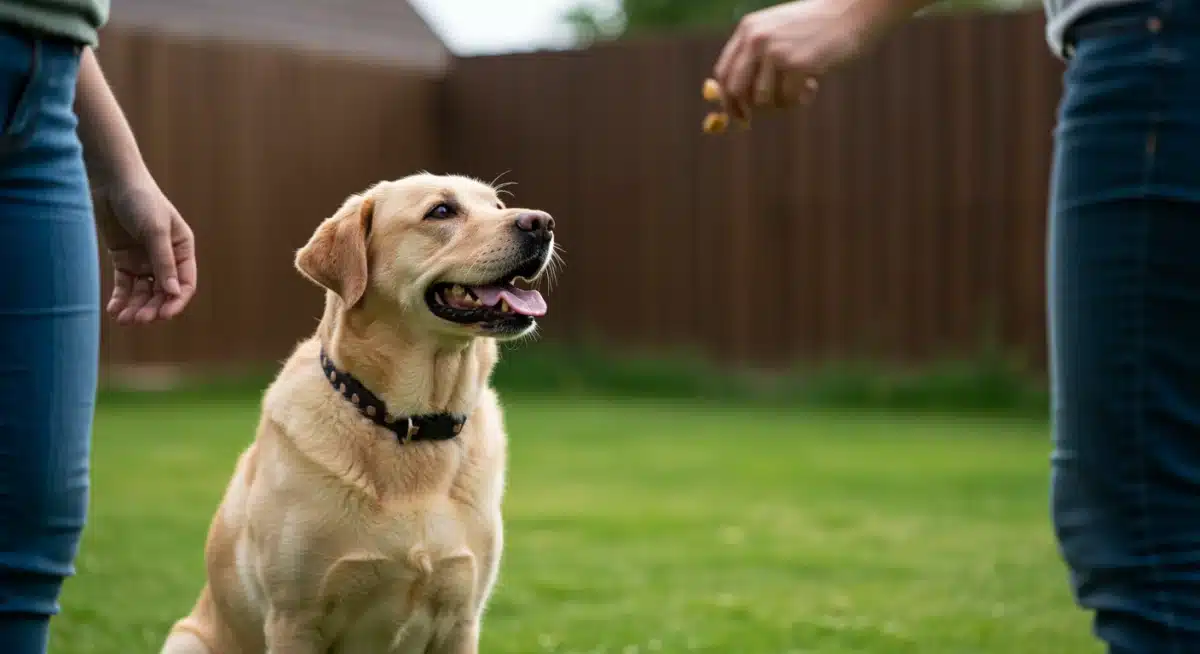

Maintaining vigilance during these days is critical. Any regression should prompt a return to a stricter supervision schedule until the dog is consistently performing well again. This flexible approach acknowledges that every dog learns at their own pace.
Day 6 & 7: Solidifying Habits and Troubleshooting
The final days of the 7-day plan are dedicated to solidifying the good habits your dog has developed and addressing any lingering challenges. By this point, your dog should be showing significant progress in their effective house training.
Testing Boundaries and Expanding Territory
If your dog has been consistently successful, you can gradually expand their access to more areas of the house. Continue to monitor them closely, especially in new environments. Always ensure they have recent potty breaks before granting more freedom.
- New Rooms: Introduce new rooms one at a time, always supervising initially.
- Extended Periods: If they remain accident-free, you can start to extend the time between potty breaks, but don’t push it too far too fast.
- Nighttime Success: If crate training, they should be able to hold it through the night. If not, re-evaluate the bedtime potty routine.
Addressing Common House Training Challenges
Some dogs might still have occasional accidents. Consider these common issues:
- Medical Issues: Rule out any underlying health problems with a vet visit, especially for adult dogs with sudden regressions.
- Incomplete Cleaning: Ensure all previous accident spots are thoroughly cleaned with enzymatic cleaners to remove residual odors.
- Anxiety: Some dogs soil indoors due to separation anxiety or fear. Consult a professional trainer if this is suspected.
By the end of day seven, you should have a much clearer understanding of your dog’s potty habits and they should be well on their way to being fully house trained. This initial week is a springboard for continued success, requiring ongoing consistency.
Long-Term Success and Continued Reinforcement
While the 7-day plan provides a strong foundation, house training is an ongoing process that requires continued commitment. Long-term success hinges on maintaining consistency and adapting to your dog’s evolving needs.
Maintaining the Routine
Even after your dog is fully house trained, stick to a predictable schedule as much as possible. Sudden changes can confuse them and lead to regressions. Continue with regular potty breaks, especially after waking and meals.
Always take your dog out before leaving them alone for extended periods and upon your return. This reinforces good habits and prevents unnecessary accidents.
Recognizing and Adapting to Changes
A dog’s needs can change due to age, health, or environmental factors. Older dogs may need more frequent potty breaks, and certain medications can increase urination. Pay attention to any changes in your dog’s behavior or physical health.
If accidents reoccur, don’t despair. Revert to a stricter schedule and increased supervision, as you did in the initial days. This often helps to re-establish the desired behavior quickly.
By consistently applying the principles of routine, positive reinforcement, and vigilance, you can ensure your dog remains reliably house trained for years to come. This commitment fosters a stronger bond and a harmonious living environment for everyone in the household.
| Key Aspect | Brief Description |
|---|---|
| Consistent Schedule | Establish regular feeding, potty breaks, and playtime for predictability. |
| Positive Reinforcement | Reward successful outdoor elimination with praise and treats. |
| Accident Management | Clean accidents thoroughly with enzymatic cleaners; avoid punishment. |
| Vigilance & Supervision | Closely monitor your dog, especially when expanding freedom indoors. |
Frequently asked questions about house training
Puppies generally need to go out every 1-2 hours, especially after waking, eating, and playing. As they grow, they can hold it for longer periods. Consistent, frequent trips are vital for establishing good habits early on.
First, rule out any medical issues with a vet visit. Then, revert to a strict schedule, increase supervision, and use positive reinforcement. Ensure all previous accident spots are cleaned thoroughly with enzymatic cleaners to remove odors.
While not strictly essential, crate training can be extremely helpful. Dogs instinctively avoid soiling their sleeping area, making a crate a valuable tool for teaching bladder control and providing a safe, den-like space for your dog.
The time varies greatly depending on the dog’s age, breed, and prior experiences. While a 7-day plan can establish a strong foundation, full house training can take anywhere from a few weeks to several months of consistent effort.
Potty pads can be useful for very young puppies or dogs with limited outdoor access. However, they can also confuse dogs about where to eliminate. It’s generally better to transition directly to outdoor potty breaks if possible, to avoid creating a preference for indoor elimination surfaces.
Conclusion
Achieving effective house training for your dog is a journey that demands patience, consistency, and a positive approach. This 7-day plan provides a structured framework, but remember that every dog is an individual learner. By committing to a clear routine, utilizing positive reinforcement, and addressing challenges with understanding, you can successfully guide your puppy or adult dog to become a well-behaved and house-trained member of your family. The effort invested now will lead to a happier, cleaner home and a stronger bond with your beloved companion for years to come.