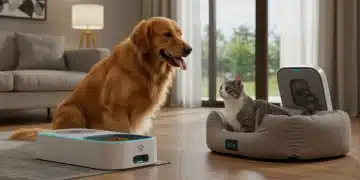
Interactive Pet Toys: Do They Engage Pets for 30+ Minutes?
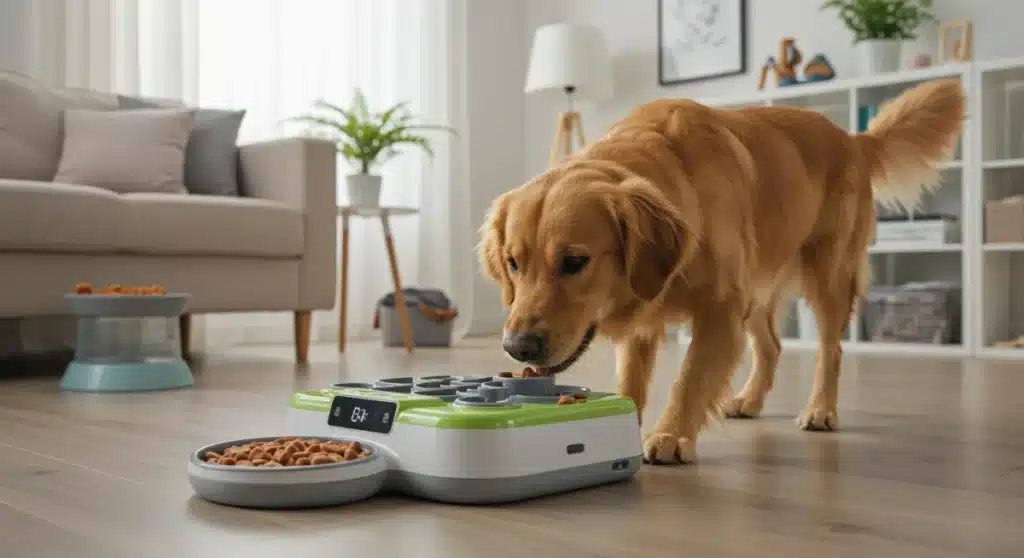
The latest generation of interactive pet toys shows promise in extending engagement beyond 30 minutes, with advanced designs and smart features encouraging prolonged mental and physical stimulation for pets.
Are you constantly searching for ways to keep your beloved pet entertained and mentally stimulated? The market for pet products is booming, and at the forefront of innovation are the newest interactive pet toys, promising to maintain your furry friend’s engagement for more than 30 minutes. But do these high-tech gadgets and cleverly designed puzzles truly live up to their claims, or are they just another fleeting distraction?
The Evolution of Pet Play: From Basic Squeakers to Smart Gadgets
Pet toys have come a long way from simple balls and squeaky plushies. Today, the landscape of pet entertainment is dominated by sophisticated interactive devices designed to challenge and engage pets on multiple levels. This evolution reflects a growing understanding of animal psychology and the need for more than just physical exercise; mental stimulation is equally crucial for a pet’s overall well-being.
The shift towards interactive toys is driven by pet owners seeking solutions for boredom, anxiety, and destructive behaviors. Modern lifestyles often mean pets spend more time alone, making the need for self-sufficient entertainment tools more pressing. These advanced toys aim to fill that void, offering activities that mimic natural behaviors like hunting, foraging, and problem-solving.
Understanding the Need for Extended Engagement
It’s not enough for a toy to grab a pet’s attention for a few minutes. True value lies in sustained engagement. Pets, especially intelligent breeds, can quickly lose interest in repetitive or easily solvable puzzles. The ‘over 30 minutes’ claim is significant because it suggests a level of complexity and variability that can genuinely challenge a pet, preventing boredom and providing a meaningful activity.
- Mental Stimulation: Prevents boredom and reduces the likelihood of behavioral issues.
- Physical Activity: Encourages movement and helps maintain a healthy weight.
- Emotional Well-being: Reduces anxiety and provides a sense of accomplishment.
- Bonding: Some interactive toys facilitate owner-pet interaction, strengthening their bond.
The market now offers a diverse range of interactive toys, from automated fetch machines to complex puzzle feeders and robotic companions. Each type caters to different aspects of a pet’s play drive, promising to deliver that elusive extended engagement.
In conclusion, the evolution of pet toys highlights a deeper appreciation for our pets’ cognitive and emotional needs. The focus has shifted from mere distraction to meaningful, sustained engagement, a benchmark that the latest generation of interactive toys strives to meet.
Categorizing the Latest Interactive Pet Toys
The current market for interactive pet toys is incredibly diverse, offering innovative solutions for various pet personalities and needs. Understanding the different categories can help pet owners make informed choices that truly cater to their companions. These toys are generally designed to tap into a pet’s natural instincts, such as hunting, foraging, and problem-solving.
From tech-driven gadgets to cleverly designed manual puzzles, each category aims to provide sustained engagement. The key is to match the toy’s complexity and type to your pet’s intelligence, energy level, and preferences.
Electronic and Robotic Toys
These are often the most advanced, utilizing technology to create dynamic play experiences. They can range from automated laser pointers and remote-controlled cars to self-moving balls and robotic companions that mimic small prey.
- Automated Laser Pointers: Keep cats (and some dogs) chasing for extended periods, but ensure a ‘catch’ at the end to prevent frustration.
- Self-Moving Balls: These balls roll, bounce, and sometimes even dispense treats, encouraging chasing and foraging instincts.
- Robotic Companions: Some robots are designed to interact with pets, moving unpredictably and engaging them in various games.
While highly engaging, the challenge with electronic toys often lies in their battery life and durability. Owners should look for models with robust construction and convenient charging options.
Puzzle and Dispensing Toys
These toys challenge a pet’s cognitive abilities, requiring them to solve a puzzle to receive a reward, usually a treat. They engage a pet’s natural foraging instincts and can be highly effective for sustained mental stimulation.
Puzzle toys come in various difficulty levels, from simple treat-dispensing balls to multi-step puzzles requiring pets to manipulate levers, open compartments, or slide panels. The best ones offer adjustable difficulty, allowing them to grow with your pet’s learning curve.
Interactive Chew and Fetch Toys
While traditional, these toys have evolved with interactive elements. Some chew toys now feature internal compartments for treats or textured surfaces designed to clean teeth while providing extended chewing satisfaction. Fetch toys, particularly automated launchers, allow for prolonged physical activity without constant owner involvement.
The categorization of interactive pet toys reveals a thoughtful approach to pet entertainment. By understanding these types, owners can better assess which toys are most likely to provide the promised 30+ minutes of engaging play.
The 30-Minute Engagement Challenge: Real-World Experiences
The claim that interactive pet toys can keep pets engaged for over 30 minutes is a significant selling point, but how does it hold up in real-world scenarios? Pet owners across the United States are constantly evaluating these products, and their experiences provide valuable insights into what truly works and what falls short.
Achieving sustained engagement depends on a multitude of factors, including the pet’s personality, breed, age, and previous exposure to similar toys. What captivates one dog for an hour might bore another within minutes.
Factors Influencing Engagement Duration
Several elements contribute to whether a toy can hold a pet’s attention for the advertised period. The novelty of the toy plays a crucial role; initially, most pets will show enthusiasm. However, the true test is whether that interest lasts.
A toy’s design and features are paramount. Toys with varying difficulty levels, unpredictable movements, or those that offer a rewarding outcome (like dispensing treats) tend to fare better. Pets are intelligent and quickly learn patterns; toys that offer continuous new challenges or random elements are more likely to keep them guessing and engaged.
Owner Experiences and Anecdotes
Many owners report success with puzzle feeders, especially those that require multiple steps to access treats. They find that their dogs, in particular, spend considerable time strategizing and manipulating the components. Cats often show prolonged interest in automated laser toys or robotic mice, provided the movements are varied and stimulating.
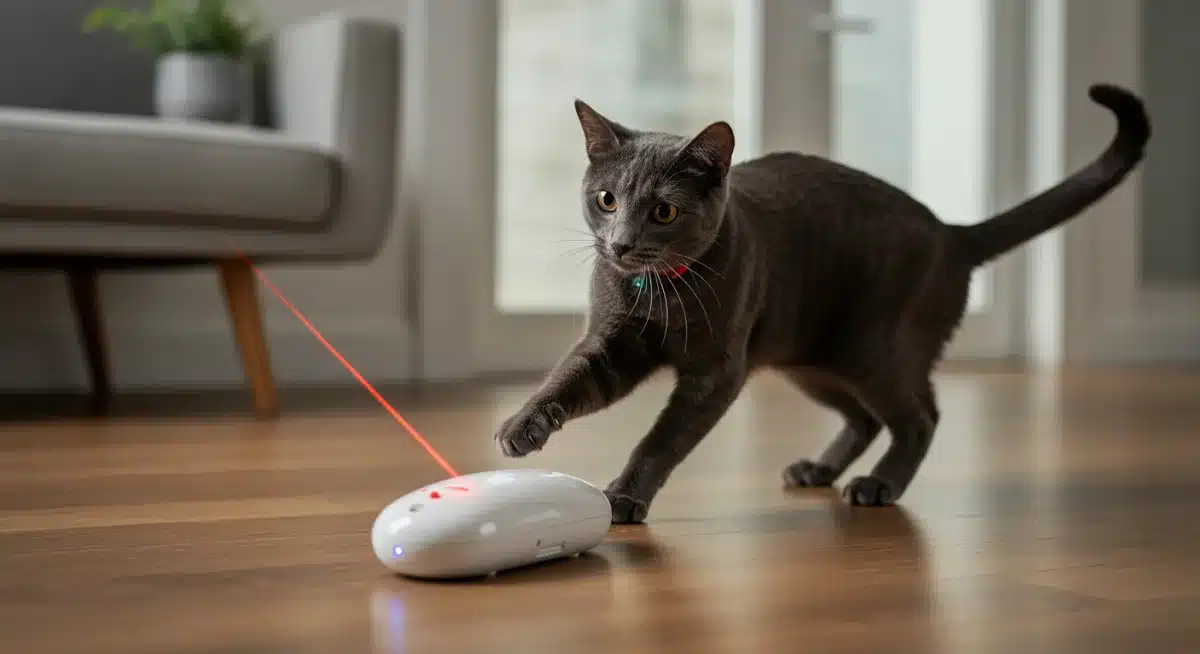
Conversely, some owners note that simpler electronic toys, like basic self-rolling balls, might only hold attention for a shorter duration once the novelty wears off. The lack of a ‘win’ or a tangible reward can lead to frustration and disinterest. The best results often come from toys that provide a sense of accomplishment or a tangible reward.
- Variety is Key: Rotating toys prevents boredom and keeps the play experience fresh.
- Difficulty Adjustment: Toys that can be made easier or harder extend their lifespan.
- Reward System: Toys that dispense treats or offer a ‘catch’ are generally more engaging.
- Durability: Toys must withstand enthusiastic play to provide long-term value.
In conclusion, while the 30-minute engagement claim is ambitious, many interactive pet toys do succeed, especially when chosen thoughtfully and used in conjunction with an understanding of the individual pet’s needs. The real-world experiences highlight the importance of variety, challenge, and reward in sustaining pet interest.
Key Features That Promote Long-Term Interest
For an interactive pet toy to genuinely keep a pet engaged for over 30 minutes, it must incorporate specific features that cater to a pet’s natural instincts and cognitive abilities. Beyond initial novelty, sustained interest hinges on the toy’s ability to offer ongoing challenges, rewards, and variability.
Understanding these key features can guide pet owners in selecting toys that provide genuine value and enrichment, rather than just momentary distraction. The most effective toys often combine several of these elements to create a multifaceted play experience.
Variable Difficulty Settings
One of the most crucial features for long-term engagement is the ability to adjust the toy’s difficulty. A toy that is too easy will quickly be mastered and abandoned, while one that is too hard can lead to frustration. Toys with multiple settings allow owners to gradually increase the challenge as their pet learns, prolonging the toy’s utility and appeal.
This adaptability ensures that the toy remains a stimulating puzzle rather than a predictable routine. For example, puzzle feeders with removable parts or adjustable openings can keep a pet continually challenged.
Unpredictable Movement and Sound
Pets, especially predators like cats and dogs, are naturally drawn to unpredictable movements and sounds, which mimic the thrill of the chase. Electronic toys that move erratically, change direction unexpectedly, or emit varied sounds are far more engaging than those with repetitive patterns.
- Randomized Patterns: Prevents pets from predicting the toy’s next move, maintaining their hunting instinct.
- Motion Sensors: Toys that activate when a pet approaches can surprise and re-engage them.
- Varied Sounds: Chirps, squeaks, or growls (appropriate for the pet) can add to the immersive play experience.
This unpredictability helps to simulate a more natural hunting or foraging scenario, keeping pets mentally sharp and physically active.
Rewarding Outcomes
The ultimate motivator for most pets is a reward. Toys that dispense treats, allow a successful ‘capture,’ or provide positive reinforcement are highly effective at maintaining interest. The reward doesn’t always have to be food; it can be the satisfaction of solving a puzzle or the joy of a successful pounce.
For treat-dispensing toys, the size and type of treat can also influence engagement. Smaller, highly palatable treats that require effort to obtain are often more effective than easily accessible larger ones.
In summary, interactive toys that incorporate variable difficulty, unpredictable elements, and rewarding outcomes are best positioned to deliver on the promise of extended engagement, providing lasting mental and physical benefits for pets.
Choosing the Right Interactive Toy for Your Pet
Selecting the perfect interactive pet toy is not a one-size-fits-all endeavor. The effectiveness of a toy in keeping a pet engaged for over 30 minutes largely depends on matching the toy to your pet’s individual needs, personality, and physical capabilities. A thoughtful approach to toy selection can make all the difference in achieving sustained entertainment and enrichment.
Consider your pet’s breed, age, energy level, and any specific behavioral traits. A high-energy dog might benefit from a different type of toy than a more sedate senior cat.
Assess Your Pet’s Personality and Needs
Does your dog love to chew, or are they more of a sniffer and problem-solver? Is your cat a hunter, or do they prefer gentle batting? Understanding these preferences is vital. For strong chewers, durability is paramount. For intelligent breeds, complex puzzles are more suitable. Anxious pets might benefit from toys that provide comfort or a distraction from stressors.
Consider their prey drive, curiosity, and how they typically interact with their current toys. Observing their play style can offer clues about what new toys might capture their attention.
Consider Safety and Durability
Above all, pet toys must be safe. Check for small parts that could be swallowed, toxic materials, or sharp edges. Durability is also a key factor, especially for enthusiastic players. A toy that breaks quickly is not only a waste of money but can also pose a choking hazard.
- Material Safety: Ensure toys are made from non-toxic, pet-safe materials.
- Size Appropriateness: Choose toys that are the right size for your pet to prevent choking or injury.
- Construction Quality: Look for sturdy designs that can withstand chewing, batting, and dropping.
Reading reviews from other pet owners can provide valuable insights into a toy’s real-world durability and safety.
Read Reviews and Consider Recommendations
Before making a purchase, take the time to research. Online product reviews often highlight common issues or unexpected benefits. Look for feedback specifically addressing engagement duration and how different types of pets reacted to the toy. Veterinarians, trainers, and experienced pet owners can also offer excellent recommendations based on their expertise.
Ultimately, choosing the right interactive toy involves a blend of understanding your pet, prioritizing safety, and leveraging the experiences of others. This careful selection process increases the likelihood of finding a toy that truly delivers on the promise of over 30 minutes of engaging play.
Maximizing Engagement: Tips and Best Practices
Even the most advanced interactive pet toys might not achieve sustained engagement if not used correctly. Maximizing the play duration and effectiveness of these toys involves more than just handing them over; it requires strategic implementation and an understanding of pet behavior. By following a few best practices, pet owners can significantly enhance their furry friends’ play experience.
The goal is to keep the toy novel and challenging, preventing boredom and ensuring that the pet continues to see it as a valuable source of entertainment and mental stimulation.
Rotate Toys Regularly
One of the simplest yet most effective strategies is toy rotation. Instead of leaving all toys accessible at all times, offer a selection of 2-3 interactive toys for a few days, then put them away and introduce a different set. This keeps the toys feeling ‘new’ and exciting, preventing your pet from becoming desensitized to them.
The element of surprise and novelty can significantly extend the lifespan of a toy’s engagement factor. When a toy reappears after a break, it often sparks renewed interest.
Vary the Play Environment
Changing where your pet plays with their interactive toys can also enhance engagement. A toy that is typically used indoors might feel more exciting when brought outside to the yard or a different room. New environments introduce different smells, sights, and sounds, adding another layer of stimulation.
- Indoor vs. Outdoor: Alternate play locations to keep things fresh.
- Hidden Toys: Hide puzzle toys for your pet to ‘discover,’ tapping into their foraging instincts.
- Supervised Play: Introduce new toys during supervised play sessions to gauge interest and reinforce positive interaction.
This variation helps to prevent the play experience from becoming monotonous, maintaining the pet’s curiosity and drive to interact with the toy.
Participate in Play (When Appropriate)
While many interactive toys are designed for independent play, occasional owner participation can boost their appeal. For instance, with a puzzle feeder, you might initially show your pet how to use it, or with an automated fetch toy, you could join in for a few throws. This shared experience strengthens your bond and can reignite interest in the toy.
However, it’s important to know when to step back and let the toy do its job, encouraging independent problem-solving and self-entertainment.
By implementing these tips, pet owners can significantly increase the likelihood that their interactive toys will indeed keep their pets engaged for over 30 minutes, providing consistent mental and physical benefits.
The Future of Pet Engagement: What’s Next?
The rapid advancements in technology and our evolving understanding of animal behavior suggest an exciting future for interactive pet toys. As pet owners increasingly seek ways to enrich their companions’ lives, manufacturers are responding with even more sophisticated and personalized solutions. The horizon promises toys that are not only more engaging but also more integrated into our smart homes and daily routines.
The trend is moving towards toys that offer greater adaptability, intelligence, and even a degree of emotional connection, further blurring the lines between toy and companion.
Artificial Intelligence and Machine Learning Integration
The next generation of interactive toys will likely heavily feature AI and machine learning. Imagine a toy that learns your pet’s play patterns, preferences, and even mood, then adapts its behavior accordingly. This could mean a robotic toy that becomes more challenging as your pet masters it, or a treat dispenser that releases rewards based on specific, learned behaviors.
AI could also enable toys to provide personalized training cues or even monitor a pet’s activity levels and report data back to owners via a smartphone app. This level of personalization would revolutionize pet engagement.
Connectivity and Smart Home Integration
The ‘smart home’ concept is already prevalent, and interactive pet toys are poised to become integral to this ecosystem. Toys could connect with other smart devices, allowing owners to activate play sessions remotely, monitor their pet’s interaction, or even manage feeding schedules. This offers unparalleled convenience and peace of mind for pet owners.
- Remote Play: Control toys from anywhere, keeping pets entertained while you’re away.
- Activity Monitoring: Track play duration, intensity, and caloric expenditure.
- Scheduled Play: Set up automated play sessions to maintain a routine.
Such integration would allow for a seamless blend of pet care and modern technology, enhancing both convenience for owners and enrichment for pets.
Health and Wellness Focus
Future interactive toys are also expected to incorporate more health and wellness features. This could include toys that monitor vital signs, track weight, or even detect early signs of illness through changes in play behavior. The data collected could be shared with veterinarians, facilitating proactive pet care.
The ongoing innovation in interactive pet toys points towards a future where pet engagement is not just about entertainment, but also about personalized care, advanced training, and comprehensive well-being. These advancements promise to deliver on the 30-minute engagement claim and much more.
| Key Aspect | Description |
|---|---|
| Engagement Factors | Variable difficulty, unpredictable movements, and rewarding outcomes are crucial for sustained pet interest. |
| Toy Categories | Electronic, puzzle, and interactive chew/fetch toys each offer distinct benefits for pet stimulation. |
| Real-World Efficacy | Many toys achieve 30+ minutes of engagement, especially when selected for the pet’s personality and used with rotation strategies. |
| Future Trends | AI, smart home integration, and health monitoring are set to revolutionize interactive pet play. |
Frequently Asked Questions About Interactive Pet Toys
Yes, many interactive pet toys, particularly those with variable difficulty, unpredictable movements, and rewarding outcomes, can keep pets engaged for over 30 minutes. Success often depends on matching the toy to the pet’s personality and rotating toys to maintain novelty.
Puzzle feeders requiring problem-solving, electronic toys with unpredictable patterns (like automated laser pointers or self-moving balls), and durable chew toys with treat compartments are generally highly effective for sustained engagement. The key is mental and physical stimulation.
To maximize interest, rotate toys regularly to prevent boredom, vary the play environment, and occasionally participate in play sessions to reinforce positive associations. Introducing new challenges or rewards can also reignite a pet’s curiosity and engagement.
While generally safe, it’s crucial to select toys appropriate for your pet’s size, breed, and chewing habits. Always check for non-toxic materials and durable construction. Supervise initial play to ensure safety and prevent ingestion of small parts, especially with aggressive chewers.
Future innovations are likely to include more AI and machine learning integration, allowing toys to adapt to a pet’s behavior. We can also expect greater connectivity with smart home systems and features focused on health monitoring and personalized wellness for pets.
Conclusion
The journey through the latest generation of interactive pet toys reveals a promising landscape for pet owners seeking to enrich their companions’ lives. While the promise of over 30 minutes of engagement is ambitious, many products successfully deliver on this claim, provided they are chosen wisely and utilized strategically. The evolution from simple playthings to sophisticated tools for mental and physical stimulation underscores a deeper understanding of our pets’ needs. By focusing on features like variable difficulty, unpredictable elements, and rewarding outcomes, and by implementing best practices such as toy rotation and varied play environments, owners can unlock the full potential of these innovative products. As technology continues to advance, the future holds even more exciting possibilities, ensuring that our furry friends remain engaged, healthy, and happy for extended periods.