Pet Hydration Crisis: 75% U.S. Pets Underhydrated
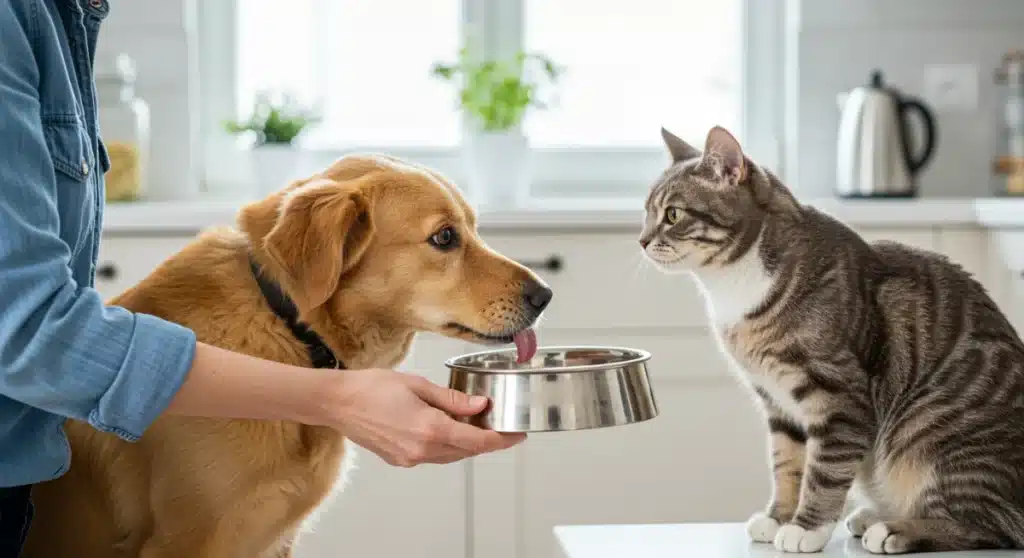
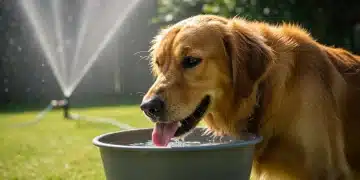
Ensuring adequate fluid intake is paramount for animal health, yet a significant 75% of U.S. pets suffer from insufficient water consumption, leading to various preventable health issues.
Have you ever considered if your beloved companion is truly getting enough to drink? It might surprise you to learn that a staggering 75% of U.S. pets are not adequately hydrated, a critical issue often overlooked by even the most caring owners. Understanding this hidden pet hydration crisis is the first step towards ensuring your furry friend’s long-term health and vitality.
The silent threat: understanding pet dehydration
Pet dehydration is a silent and pervasive threat to animal well-being across the United States. Many owners mistakenly believe that simply providing a bowl of water is sufficient, unaware of the complex factors influencing their pet’s fluid intake and overall hydration status. This section delves into the subtle signs and underlying causes of inadequate hydration in pets, shedding light on why this issue is so widespread.
Recognizing the early indicators of dehydration can be challenging, as pets often mask discomfort. However, a keen eye can detect subtle changes that signal a problem. From lethargy to changes in gum texture, these signs are crucial for timely intervention.
Common signs of dehydration in pets
It is vital for every pet owner to be familiar with the physical and behavioral cues that suggest their animal might be dehydrated. Early detection can prevent more severe health complications.
- Reduced skin elasticity: Gently pinch your pet’s skin between their shoulder blades. If it doesn’t snap back quickly, they might be dehydrated.
- Dry, tacky gums: Healthy gums are moist and pink. Dry or sticky gums are a clear indicator of insufficient fluid intake.
- Sunken eyes: In more severe cases, a pet’s eyes may appear sunken into their sockets.
- Lethargy and weakness: A noticeable decrease in energy levels or general weakness can be a symptom of dehydration.
- Decreased urination: Less frequent urination or darker, more concentrated urine can also signal dehydration.
Understanding these signs empowers pet owners to act promptly, potentially avoiding a trip to the veterinary emergency room. The consequences of prolonged dehydration range from organ damage to electrolyte imbalances, underscoring the importance of proactive monitoring.
The prevalence of dehydration isn’t just about lack of access to water; it’s also about the quality, temperature, and even the type of bowl provided. Environmental factors and a pet’s individual preferences play a significant role in how much they drink.
Why 75% of U.S. pets fall short on water intake
The statistic that 75% of U.S. pets are not drinking enough water is alarming and points to a systemic issue beyond simple oversight. Several interconnected factors contribute to this widespread problem, ranging from dietary habits to inherent biological differences between species. Unpacking these reasons is crucial for developing effective hydration strategies.
Many pets consume diets primarily composed of dry kibble, which contains very little moisture. Unlike their wild ancestors who obtained significant hydration from their prey, modern pets often rely solely on their water bowl, which may not be enough.
Dietary impact and biological factors
The type of food a pet eats plays a pivotal role in their hydration status. Dry food, while convenient, does not contribute much to daily water intake.
- Dry kibble dependency: Most commercial dry pet foods contain only about 6-10% moisture, compared to wet foods which can contain 70-80%.
- Cats’ low thirst drive: Felines naturally have a lower thirst drive than dogs, evolved from desert-dwelling ancestors who got most of their water from prey. This makes them particularly susceptible to chronic dehydration when fed only dry food.
- Age and activity level: Older pets or those with certain medical conditions, as well as highly active animals, have increased hydration needs that are often unmet.
Beyond diet, environmental conditions significantly influence a pet’s water consumption. Hot weather, dry indoor air, and even stress can increase a pet’s need for water, often without a corresponding increase in intake.
Another often-overlooked aspect is the quality and presentation of the water itself. Pets can be surprisingly particular. Stale water, dirty bowls, or water that smells of chemicals can deter even a thirsty animal.
The hidden health risks of inadequate hydration
Chronic dehydration in pets is not merely a minor inconvenience; it is a serious health concern that can lead to a cascade of medical problems, some of which are life-threatening. When pets consistently fail to drink enough water, their bodily systems begin to suffer, often subtly at first, before manifesting as severe conditions. Understanding these risks underscores the urgency of addressing the pet hydration crisis.
Water is essential for nearly every bodily function, including nutrient transport, temperature regulation, and waste elimination. Without adequate hydration, these processes become compromised, leading to a decline in overall health.
Serious health consequences
The long-term effects of insufficient water intake can be profound and costly, both in terms of your pet’s comfort and your veterinary bills.
- Urinary tract infections (UTIs) and kidney disease: Inadequate water intake leads to concentrated urine, which can irritate the bladder and kidneys, increasing the risk of UTIs and potentially contributing to chronic kidney disease, especially in cats.
- Formation of bladder stones: Concentrated urine can also facilitate the formation of crystals and stones in the urinary tract, causing pain and requiring surgical intervention in severe cases.
- Digestive issues: Proper hydration is crucial for healthy digestion and nutrient absorption. Dehydration can lead to constipation and other gastrointestinal problems.
- Organ dysfunction: Severe or prolonged dehydration can put a strain on vital organs, including the heart, liver, and kidneys, potentially leading to irreversible damage.
The implications extend beyond physical ailments to a pet’s overall quality of life. Dehydrated pets often exhibit reduced energy, a dull coat, and a general lack of vitality, all of which diminish their enjoyment of life.
Preventative measures are far more effective and less stressful than treating advanced stages of disease caused by dehydration. Investing time in ensuring your pet’s proper hydration is an investment in their health and happiness.
Insider knowledge: behavioral cues and preferences
To effectively combat the pet hydration crisis, it’s essential to move beyond generic advice and delve into the nuanced behavioral patterns and preferences that dictate a pet’s water intake. What might seem logical to humans often isn’t for our animal companions. This insider knowledge empowers owners to create a more appealing and accessible hydration environment, tailored to their individual pet’s needs.
Pets, much like humans, have distinct preferences regarding their water source. Factors such as bowl material, water temperature, and even location can significantly impact how much they drink.
Decoding your pet’s drinking habits
Observing and understanding your pet’s unique habits can provide invaluable clues for improving their hydration.
- Water temperature: Some pets prefer cooler water, while others may be indifferent. Experiment with adding ice cubes or using ceramic bowls that keep water cooler.
- Bowl material and cleanliness: Plastic bowls can retain odors and harbor bacteria, deterring some pets. Stainless steel or ceramic bowls are often preferred for their cleanliness and neutrality. Regular, thorough cleaning is paramount.
- Location, location, location: Place water bowls in multiple, easily accessible locations throughout the home, away from food bowls (especially for cats) and litter boxes. Some pets prefer to drink in quiet, private spots.
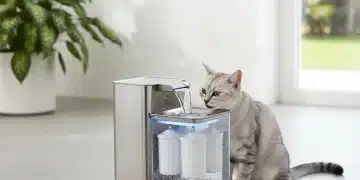
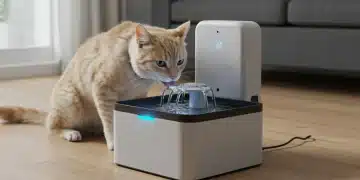
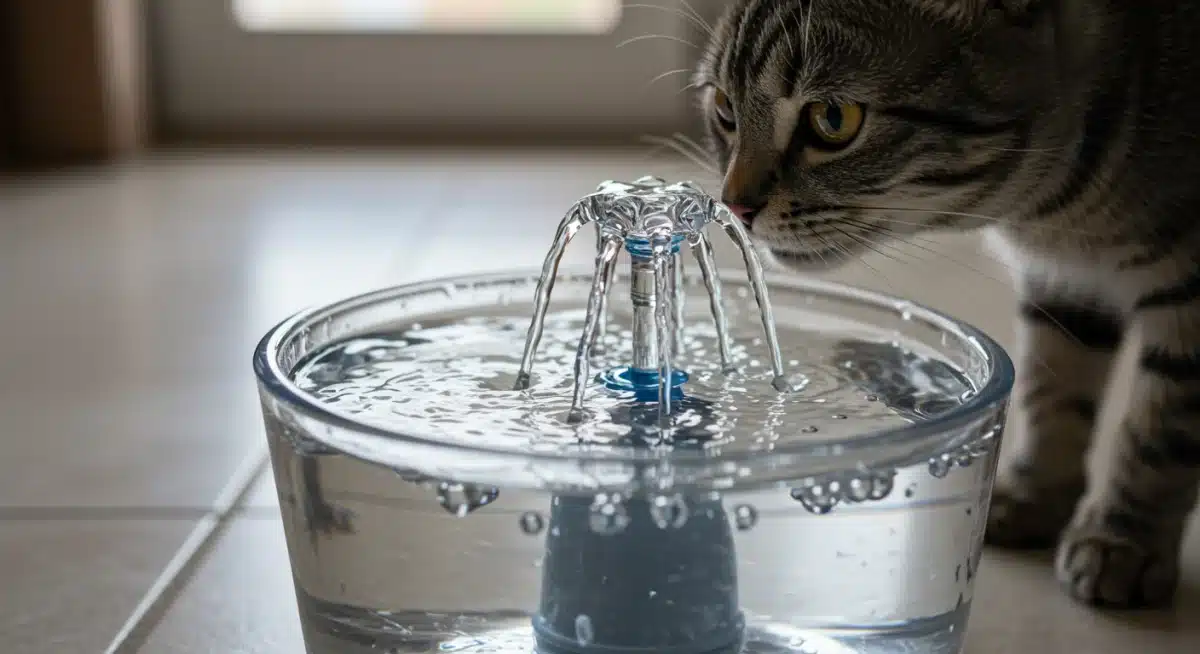
- Running water fascination: Many pets, particularly cats, are drawn to moving water, which they perceive as fresher and safer. This explains the popularity of pet water fountains.
Understanding these subtle cues allows pet owners to fine-tune their approach to hydration, transforming a chore into an intuitive and enjoyable experience for their animals. It’s about meeting them where they are, rather than imposing human expectations.
Furthermore, pets can be sensitive to the taste and smell of tap water, especially if it contains chlorine or other chemicals. Offering filtered water can sometimes make a significant difference in their willingness to drink.
Effective strategies to boost your pet’s water intake
Given the widespread issue of inadequate pet hydration, implementing proactive and creative strategies is paramount for every pet owner. Moving beyond the basic water bowl, there are numerous innovative approaches to encourage your pet to drink more, ensuring they receive the vital fluids necessary for their health and happiness. This section provides actionable advice to combat the pet hydration crisis head-on.
Simply refilling a bowl isn’t always enough. Sometimes, a little ingenuity and understanding of pet psychology can make all the difference in increasing their water consumption.

Innovative hydration solutions
- Introduce wet food: Gradually incorporate wet or canned food into your pet’s diet. The high moisture content in these foods provides a significant boost to their daily fluid intake.
- Invest in a pet water fountain: As discussed, many pets are attracted to the sound and movement of running water. Fountains filter the water, keeping it fresh and appealing.
- Add water to meals: For pets on dry kibble, adding a small amount of warm water or low-sodium broth to their food can increase moisture content and make the meal more palatable.
- Offer ice cubes or pet-friendly popsicles: Especially during warmer months, ice cubes can be a fun and hydrating treat. Ensure they are appropriately sized to prevent choking.
- Multiple water stations: Place several water bowls in different locations around your home, including quiet areas and places where your pet frequently rests or plays.
Consistency is key when implementing these strategies. Pets thrive on routine, and making hydration a consistent and positive experience will yield the best results.
Remember that every pet is an individual. What works for one might not work for another. Be patient, observe their reactions, and be willing to experiment until you find the perfect hydration regimen for your furry companion.
The long-term benefits of optimal pet hydration
Ensuring your pet is consistently well-hydrated extends far beyond preventing immediate health issues; it lays the foundation for a lifetime of vitality, improved organ function, and enhanced overall well-being. The effort invested in combating the pet hydration crisis yields significant returns in your pet’s quality of life and longevity. This section explores the profound long-term advantages of maintaining optimal fluid balance.
A properly hydrated pet is a healthier, happier pet. Their body systems operate more efficiently, leading to a noticeable difference in their energy levels, appearance, and resilience against illness.
A lifetime of health and happiness
The benefits of consistent, adequate water intake are comprehensive, impacting nearly every aspect of your pet’s health.
- Enhanced organ function: Optimal hydration supports the efficient functioning of all major organs, including the kidneys, liver, and heart, reducing the risk of age-related decline and disease.
- Improved digestion and nutrient absorption: Water aids in the breakdown of food and the transport of nutrients, ensuring your pet gets the most from their diet and experiences fewer digestive upsets.
- Better joint health: Cartilage, which cushions joints, is largely composed of water. Proper hydration helps maintain joint lubrication and flexibility, crucial for active pets and those prone to arthritis.
- Healthy skin and coat: A well-hydrated pet often boasts a shiny, supple coat and healthy skin, reflecting their internal well-being.
- Boosted immune system: Water helps transport immune cells throughout the body, supporting a robust immune response and helping your pet fight off infections.
- Increased energy and vitality: Dehydration can cause lethargy. Sufficient water intake ensures healthy circulation and energy production, leading to a more energetic and playful pet.
By prioritizing your pet’s hydration, you’re not just preventing problems; you’re actively promoting a vibrant and fulfilling life for them. This proactive approach is a cornerstone of responsible pet ownership.
The commitment to optimal hydration is a simple yet powerful way to express your love and care for your pet, ensuring they remain a cherished and healthy member of your family for years to come.
| Key Aspect | Brief Description |
|---|---|
| Prevalence | 75% of U.S. pets are inadequately hydrated, a significant health concern. |
| Causes | Dry kibble diets, low natural thirst drive (especially in cats), environmental factors, and water presentation issues. |
| Health Risks | UTIs, kidney disease, bladder stones, digestive problems, and organ dysfunction. |
| Solutions | Wet food, water fountains, adding water to meals, multiple clean bowls, and understanding pet preferences. |
Frequently asked questions about pet hydration
Generally, pets need about one ounce of water per pound of body weight per day. However, this can vary based on activity level, diet, and environmental temperature. Active pets or those on dry food might need more. Always ensure fresh water is available.
Yes, severe dehydration can be life-threatening. It can lead to serious organ damage, electrolyte imbalances, and circulatory collapse. Prompt veterinary attention is crucial if you suspect your pet is severely dehydrated, as it’s a medical emergency.
For many pets, especially cats, water fountains are often preferred over still water bowls. The moving water is perceived as fresher, more appealing, and can encourage increased drinking. Fountains also often include filters, maintaining water cleanliness.
If your pet refuses to drink, try offering different water sources, using filtered water, adding ice cubes, or mixing water into their food. If refusal persists or is accompanied by other symptoms, consult your veterinarian immediately, as it could indicate an underlying health issue.
Absolutely. Wet or canned pet food typically contains 70-80% moisture, significantly contributing to your pet’s daily fluid intake. Incorporating wet food into their diet is an excellent strategy to improve overall hydration, especially for pets with a low thirst drive.
Conclusion
The pervasive issue of inadequate pet hydration, affecting a staggering 75% of U.S. pets, highlights a critical area where pet owners can make a profound difference. By understanding the subtle signs of dehydration, recognizing the contributing factors like diet and behavioral preferences, and actively implementing strategies such as wet food integration and water fountains, we can collectively address this silent crisis. Prioritizing optimal hydration is not just about preventing illness; it’s about fostering a foundation for a lifetime of vitality, health, and happiness for our beloved animal companions.