New Pet Cancer Treatments 2026: What to Discuss with Your Vet

New Pet Cancer Treatments 2026: What to Discuss with Your Vet
The bond we share with our pets is profound, and when they face a life-threatening illness like cancer, it devastates us. Fortunately, the field of veterinary oncology is advancing at an astonishing pace, bringing with it renewed hope for pet owners. As we approach early 2026, a new wave of innovative therapies and diagnostic tools is emerging, promising more effective and less invasive ways to combat pet cancer. Understanding these advancements is crucial for every pet parent, enabling you to have informed and proactive discussions with your veterinarian about the best possible care for your furry family member.
This article aims to equip you with the knowledge needed to navigate the exciting, yet sometimes complex, landscape of modern pet cancer treatment. We’ll delve into the latest breakthroughs, from cutting-edge immunotherapies to highly targeted molecular treatments, and explore how these can improve outcomes and enhance the quality of life for pets battling cancer. More importantly, we’ll provide a comprehensive guide on what to discuss with your vet to ensure your pet receives the most advanced and personalized care available in 2026.
The Evolving Landscape of Pet Cancer Treatment
Historically, pet cancer treatment mirrored human cancer protocols, often involving surgery, chemotherapy, and radiation. While these remain foundational pillars, the scientific community’s deeper understanding of canine and feline biology and cancer genetics has paved the way for more sophisticated and tailored approaches. The focus has shifted towards precision medicine, aiming to attack cancer cells specifically while minimizing harm to healthy tissues.
Early 2026 marks a significant turning point, with several promising modalities moving from research labs to clinical availability. These include:
- Advanced Diagnostics: Earlier and more accurate detection of cancer, often through liquid biopsies and advanced imaging techniques.
- Immunotherapy: Harnessing the pet’s own immune system to fight cancer.
- Targeted Therapies: Drugs designed to interfere with specific molecules involved in cancer growth and progression.
- Personalized Medicine: Tailoring treatment plans based on an individual pet’s genetic makeup and tumor characteristics.
- Minimally Invasive Procedures: Techniques that reduce recovery time and improve patient comfort.
Each of these areas represents a leap forward, offering new hope for conditions previously considered untreatable or challenging to manage. Staying informed about these developments is the first step in advocating for your pet’s health.
Key Advances in Pet Cancer Treatment for Early 2026
1. Immunotherapy: Unleashing the Immune System
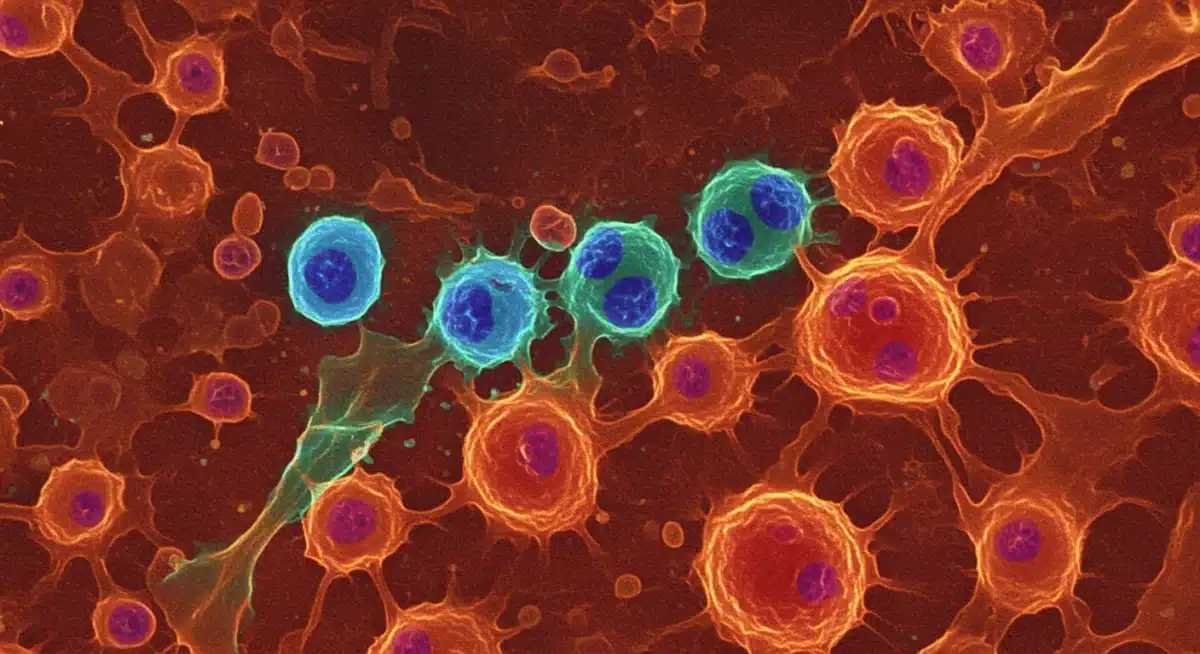
Immunotherapy is arguably one of the most exciting frontiers in both human and veterinary medicine. Instead of directly attacking cancer cells with toxins or radiation, immunotherapy stimulates the pet’s own immune system to recognize and destroy malignant cells. This approach often leads to more durable responses and fewer side effects compared to traditional chemotherapy.
What’s New in 2026?
- Canine Melanoma Vaccines (Enhanced Formulations): While canine melanoma vaccines have been around, new formulations in 2026 are showing improved efficacy and broader applicability, potentially targeting a wider range of melanoma types and stages. These therapeutic vaccines aim to train the immune system to identify and eliminate melanoma cells.
- Checkpoint Inhibitors (Veterinary Specific): Drawing inspiration from human medicine, veterinary-specific checkpoint inhibitors are emerging. These drugs block proteins that prevent the immune system from attacking cancer cells, essentially ‘unleashing’ the immune response. Clinical trials are showing promising results for various canine and feline cancers.
- CAR T-cell Therapy (Early Stages): Though still largely in research and early clinical trials for pets, advancements in Chimeric Antigen Receptor (CAR) T-cell therapy are progressing rapidly. This involves genetically modifying a pet’s T-cells to specifically target and kill cancer cells. While not widely available in early 2026, discussions about its potential and ongoing trials are important.
- Oncolytic Viruses: These are viruses genetically engineered to selectively infect and destroy cancer cells while sparing healthy ones. They also stimulate an anti-tumor immune response. Several oncolytic virus therapies are moving closer to clinical use for specific pet cancers.
These immunotherapeutic approaches represent a paradigm shift in how we think about pet cancer treatment. They offer the potential for long-term remission and a better quality of life.
2. Targeted Therapies: Precision Strikes Against Cancer
Unlike traditional chemotherapy, which often affects all rapidly dividing cells (both cancerous and healthy), targeted therapies are designed to interfere with specific molecular pathways that are crucial for cancer cell growth, division, and spread. This specificity often translates to fewer side effects and improved efficacy for particular tumor types.
What’s New in 2026?
- Kinase Inhibitors (Next Generation): Building on existing targeted drugs like Palladia (toceranib phosphate), newer generations of kinase inhibitors are being developed. These drugs target specific enzymes (kinases) that play a key role in cancer cell signaling. The 2026 landscape includes inhibitors with improved selectivity and efficacy against a broader spectrum of mutations found in pet cancers, such as certain lymphomas and sarcomas.
- Angiogenesis Inhibitors (Broader Application): These therapies block the formation of new blood vessels that tumors need to grow and spread. While some have been available, new research focuses on combination therapies and more potent angiogenesis inhibitors for a wider range of solid tumors in pets.
- PARP Inhibitors (Emerging): Poly (ADP-ribose) polymerase (PARP) inhibitors interfere with DNA repair mechanisms in cancer cells, making them more susceptible to damage and death. These are showing promise, particularly in combination with chemotherapy or radiation, for certain pet cancers with specific genetic vulnerabilities.
The beauty of targeted therapy lies in its ability to be highly effective while minimizing collateral damage, leading to a better experience for the pet.
3. Personalized Medicine: Tailoring Treatment to the Individual
Every pet’s cancer is unique, influenced by their genetics, environment, and the specific mutations within their tumor. Personalized medicine, also known as precision medicine, involves using advanced diagnostic tools to understand these unique characteristics and then tailoring a treatment plan specifically for that individual pet.
What’s New in 2026?
- Advanced Genomic Profiling: Next-generation sequencing (NGS) is becoming more accessible and comprehensive for pets. This allows veterinarians to analyze a tumor’s DNA for specific mutations or genetic markers that can predict response to certain targeted therapies or immunotherapies. In 2026, these panels are more robust, offering deeper insights into the tumor’s biology.
- Liquid Biopsies (Expanded Use): Liquid biopsies involve analyzing blood samples for circulating tumor DNA (ctDNA) or circulating tumor cells (CTCs). This non-invasive method can help detect cancer earlier, monitor treatment response, and identify emerging resistance mutations. By 2026, the sensitivity and specificity of these tests are greatly improved, making them a valuable tool for monitoring and guiding treatment decisions.
- Pharmacogenomics: This field studies how a pet’s genes affect its response to drugs. Understanding a pet’s genetic profile can help predict how they might metabolize certain chemotherapeutic agents, allowing vets to adjust dosages to maximize efficacy and minimize side effects. This is becoming increasingly relevant for breeds known to have sensitivities to certain drugs.
Personalized medicine ensures that your pet receives a treatment plan that is not only advanced but also specifically designed for their unique battle against cancer.
4. Minimally Invasive Diagnostics and Treatments
Advancements aren’t just in the drugs themselves but also in how cancer is diagnosed and treated procedurally. Minimally invasive techniques lead to less pain, faster recovery, and improved quality of life.
What’s New in 2026?
- Image-Guided Biopsies: Techniques like ultrasound-guided or CT-guided biopsies allow for precise sampling of tumors with less invasiveness, reducing the need for extensive surgery for diagnosis.
- Interventional Oncology: This specialty uses imaging guidance to deliver localized treatments directly to tumors. Examples include embolization (blocking blood supply to a tumor), radiofrequency ablation (using heat to destroy tumor cells), and stereotactic radiation therapy (highly precise radiation delivery). These are becoming more accessible and refined for pets in 2026.
- Robotic-Assisted Surgery (Emerging): While still in early adoption for veterinary medicine, robotic-assisted surgery offers enhanced precision and dexterity for complex tumor resections, leading to smaller incisions and quicker recovery for select cases.
These procedural advancements underscore a holistic approach to pet cancer care, prioritizing not just tumor eradication but also the pet’s overall well-being and comfort throughout the treatment journey.
What to Discuss with Your Vet in Early 2026
Armed with knowledge about these exciting developments, the next crucial step is to engage in a comprehensive discussion with your veterinarian. These conversations can be emotional, but being prepared will help you advocate effectively for your pet. Here are key questions and topics to cover:
1. Comprehensive Diagnosis and Staging
- What diagnostic tests have been performed, and what do they tell us about the specific type and stage of cancer? Ask about cytology, histopathology, imaging (X-rays, ultrasound, CT, MRI), and any advanced genomic profiling or liquid biopsies that might be relevant.
- Are there any specific biomarkers or genetic mutations identified in my pet’s tumor? This information is critical for determining if targeted therapies or specific immunotherapies are viable options.
- What is the prognosis based on the current diagnosis and staging? Understand the typical course of the disease and potential outcomes with and without treatment.
2. Exploring Advanced Treatment Options
- Given my pet’s specific cancer type and stage, what are the latest treatment options available in early 2026? Specifically ask about new immunotherapies, targeted therapies, or combination protocols.
- Is immunotherapy a viable option for my pet? If so, what types (vaccines, checkpoint inhibitors, oncolytic viruses) are recommended and why? Inquire about specific products or clinical trials.
- Could targeted therapy be beneficial? Are there any specific drugs that match the genetic profile of my pet’s tumor? Discuss the results of any genomic profiling.
- Are there any new minimally invasive surgical techniques or interventional oncology procedures that could be considered?
- Are there any clinical trials my pet might be eligible for? Clinical trials offer access to cutting-edge treatments before they are widely available and can be a valuable option.
- What are the potential side effects of each treatment option, and how will they be managed? Understanding the impact on your pet’s quality of life is paramount.
3. Understanding the Treatment Plan and Logistics
- What does the proposed treatment plan involve (duration, frequency of visits, administration method)?
- What is the estimated cost of each treatment option, and are there payment plans or financial assistance programs available? Veterinary cancer treatment can be expensive, so understanding the financial commitment is important.
- What is the expected timeline for response to treatment, and how will we monitor its effectiveness? Regular re-evaluations and diagnostics are essential.
- Will my pet need to see a veterinary oncologist, or can the treatment be managed by our general veterinarian? Many advanced therapies require the expertise of a specialist.
- What supportive care will be necessary to maintain my pet’s quality of life during treatment (pain management, nutritional support, anti-nausea medication)?
4. Quality of Life Considerations
This is perhaps the most critical aspect of any discussion about pet cancer treatment. Our goal is not just to extend life but to ensure that the extended life is a good one.
- How will this treatment impact my pet’s daily life and comfort?
- What are the signs that my pet is experiencing a good quality of life versus suffering?
- At what point should we consider palliative care or hospice care?
- What resources are available for managing my pet’s pain and discomfort at home?
- How can I best support my pet emotionally and physically throughout this journey?
Your veterinarian should be a compassionate partner in these discussions, helping you weigh the pros and cons of each option and make decisions that align with your pet’s best interests and your family’s values.

The Role of a Veterinary Oncologist
While your primary veterinarian is an invaluable resource, for complex cancer cases, consulting with a board-certified veterinary oncologist is often recommended. These specialists have advanced training and expertise in diagnosing and treating animal cancers, staying at the forefront of new pet cancer treatment 2026 and beyond. They can offer:
- Specialized Diagnostic Interpretation: Deeper understanding of complex diagnostics like genomic profiling.
- Access to Advanced Therapies: Oncologists often have access to newer drugs, clinical trials, and specialized equipment not available in general practices.
- Tailored Treatment Plans: Their expertise allows for highly individualized and aggressive (or palliative) treatment strategies.
- Management of Side Effects: They are highly skilled in anticipating and managing potential side effects of potent cancer therapies.
Don’t hesitate to ask your general vet for a referral to a veterinary oncologist if you feel it’s necessary. A collaborative approach between your general practitioner and a specialist often yields the best outcomes.
Integrative and Supportive Care
Beyond advanced medical treatments, integrative and supportive care play a vital role in managing pet cancer. These approaches focus on enhancing your pet’s overall well-being, improving their immune function, and mitigating treatment side effects.
Consider Discussing:
- Nutrition: Specialized diets can help pets maintain weight, muscle mass, and energy levels during cancer treatment. Ask your vet or a veterinary nutritionist about appropriate dietary changes.
- Pain Management: Comprehensive pain control is crucial. This might involve a combination of medications, acupuncture, or physical therapy.
- Supplements: While some supplements can interfere with cancer treatments, others may offer benefits. Always discuss any supplements with your vet before administering them.
- Environmental Enrichment: Maintaining a comfortable, stimulating, and low-stress environment is essential for your pet’s mental and physical health.
- Emotional Support: Remember to seek support for yourself. Dealing with a pet’s cancer diagnosis is emotionally challenging, and resources like pet bereavement groups or counselors can be helpful.
A holistic approach, combining cutting-edge medicine with compassionate supportive care, offers the best chance for your pet to not only fight cancer but also live their best possible life throughout the process.
Understanding Costs and Financial Planning
One of the realities of advanced pet cancer treatment is the significant financial commitment it often requires. New therapies, specialized diagnostics, and ongoing care can accumulate quickly.
Key Financial Considerations:
- Get Detailed Estimates: Request a comprehensive breakdown of all anticipated costs for diagnostics, treatments, medications, and follow-up care.
- Pet Insurance: If you have pet insurance, understand what is covered and what your deductible and reimbursement rates are. For those without insurance, consider if it’s too late to enroll or if there are specific cancer policies.
- Payment Plans: Discuss payment options with your veterinary clinic or specialist. Many offer installment plans or accept third-party financing like CareCredit.
- Financial Aid: Research foundations and charities that provide financial assistance for pet owners facing veterinary bills. Organizations like The Pet Fund, RedRover, and various breed-specific rescues often have programs.
- Prioritize: In some cases, difficult decisions may need to be made about which treatments are most feasible. Discuss with your vet how to prioritize interventions to maximize impact within your budget.
Open and honest conversations about finances are essential to avoid additional stress and ensure you can make informed decisions without undue pressure.
Conclusion: Hope on the Horizon for Pet Cancer Treatment 2026
The journey through a pet cancer diagnosis is undoubtedly challenging, but the landscape of pet cancer treatment 2026 offers more hope than ever before. With revolutionary advancements in immunotherapy, targeted therapies, personalized medicine, and minimally invasive techniques, veterinarians now have an expanded arsenal to combat this formidable disease.
As a dedicated pet owner, your role is pivotal. By staying informed about these breakthroughs and engaging in proactive, detailed discussions with your veterinarian, you can ensure your beloved companion receives the most advanced, compassionate, and tailored care available. Remember to focus not only on extending life but also on preserving and enhancing their quality of life throughout the process.
The future of pet oncology is bright, promising a world where more pets can live longer, healthier, and happier lives, even in the face of a cancer diagnosis. Embrace these advancements, empower yourself with knowledge, and partner with your veterinary team to give your pet the best possible chance.