Eco-Friendly Pet Waste Disposal: A 2026 Guide for a Healthier Home
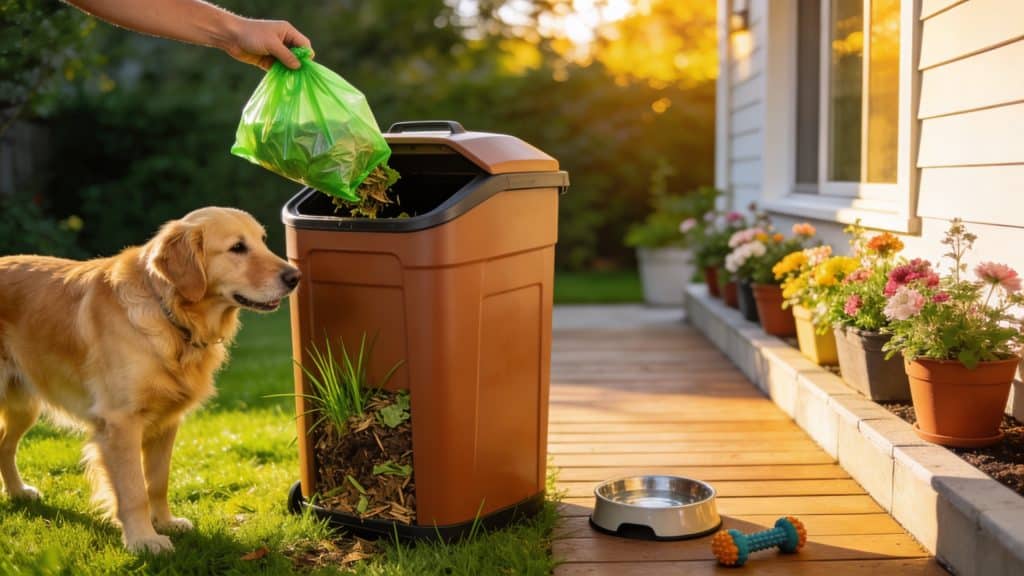
The 5-Step 2026 Guide to Eco-Friendly Pet Waste Disposal for a Healthier Home Environment
As pet owners, we cherish the companionship, joy, and unconditional love our furry, feathered, or scaled friends bring into our lives. However, along with the immense pleasure comes a significant responsibility: managing their waste. In an increasingly environmentally conscious world, the traditional methods of pet waste disposal are simply no longer sustainable. With over 85 million pet dogs and 90 million pet cats in the United States alone, the volume of pet waste generated daily is staggering. Improper disposal contributes to water pollution, spreads harmful bacteria, and fills up landfills at an alarming rate. This isn’t just an aesthetic problem; it’s a public health and environmental crisis that demands our attention.
The year 2026 brings with it new technologies, enhanced awareness, and a greater imperative to adopt sustainable practices in every aspect of our lives, including pet care. This comprehensive guide is designed to empower you with the knowledge and tools to implement truly eco-friendly pet waste disposal methods. We’ll move beyond simply ‘picking it up’ and delve into innovative solutions that protect our planet, our communities, and our homes. By understanding the impact of pet waste and embracing these sustainable alternatives, you can make a tangible difference, ensuring a healthier environment for both your family and future generations.
This article will walk you through a 5-step process to transform your pet waste management strategy. From understanding the environmental impact to exploring advanced composting techniques and innovative disposal products, you’ll gain a holistic perspective on responsible pet ownership. Let’s embark on this journey towards a cleaner, greener future, one scoop at a time, focusing on truly effective eco-friendly pet waste solutions.
Understanding the Environmental Impact of Pet Waste
Before we dive into solutions for eco-friendly pet waste disposal, it’s crucial to grasp the magnitude of the problem. Pet waste is not just an unsightly nuisance; it’s a significant environmental pollutant with far-reaching consequences. Many pet owners mistakenly believe that leaving pet waste to decompose naturally in their yard or throwing it in the regular trash is harmless. However, this couldn’t be further from the truth.
Firstly, pet waste is a major source of water pollution. Rainwater runoff carries pet waste from yards, sidewalks, and parks directly into storm drains, which often lead to rivers, lakes, and oceans without treatment. This introduces a cocktail of harmful bacteria, viruses, and parasites into aquatic ecosystems. Common culprits include E. coli, Giardia, Salmonella, and various roundworms and hookworms. These pathogens can contaminate drinking water sources, make recreational waters unsafe for swimming, and harm aquatic life by depleting oxygen levels as they decompose. The nutrient content in pet waste, particularly nitrogen and phosphorus, can also contribute to algal blooms, which further degrade water quality and create dead zones.
Secondly, the sheer volume of pet waste generated is a landfill challenge. When pet waste is bagged in conventional plastic bags and sent to landfills, it contributes to the ever-growing mountains of waste. Plastic bags, as we know, take hundreds of years to decompose, trapping the waste inside and preventing it from breaking down naturally. Even when waste does decompose in landfills, it often does so anaerobically (without oxygen), producing methane, a potent greenhouse gas that contributes significantly to climate change. This highlights the urgent need for more sustainable, sustainable pet waste solutions that divert waste from landfills.
Thirdly, pet waste can pose direct health risks to humans and other animals. Contact with contaminated soil or water can lead to infections, especially in children who play outdoors. The parasites found in pet waste, such as Toxocara canis (roundworms), can cause serious health problems if ingested, including vision loss and neurological disorders. This makes proper and healthy pet waste management not just an environmental issue, but a public health imperative.
Understanding these impacts is the first step towards embracing a more responsible approach to pet ownership. The goal of eco-friendly pet waste practices is not just to clean up after our pets, but to do so in a way that minimizes harm to the environment and promotes a healthier community for everyone. The following steps will guide you through practical and effective methods to achieve this, ensuring your efforts contribute positively to the planet.
Step 1: Choose the Right Tools – Biodegradable Bags and Scoopers
The foundation of effective eco-friendly pet waste disposal begins with the tools you use for collection. For years, the standard plastic grocery bag or thin plastic pet waste bag has been the go-to. However, these conventional plastic bags are a major part of the problem, contributing to plastic pollution and landfill accumulation. The good news is that the market for eco-friendly alternatives has exploded, offering numerous sustainable choices for responsible pet owners.
Biodegradable and Compostable Pet Waste Bags
The most significant shift you can make is to switch to biodegradable or compostable pet waste bags. But what’s the difference, and why does it matter for sustainable pet waste management?
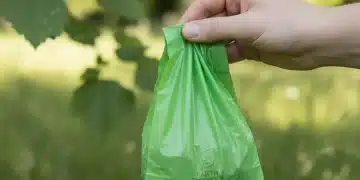
- Biodegradable Bags: These bags are designed to break down into natural components over time, often through microbial action. However, the term ‘biodegradable’ can sometimes be misleading. Some biodegradable plastics only break down into smaller plastic particles (microplastics) rather than fully disappearing. It’s crucial to look for certifications like ASTM D6954 or EN 13432, which indicate that the product will truly degrade in specific environmental conditions.
- Compostable Bags: These are the gold standard for eco-friendly pet waste products. Compostable bags are specifically designed to break down completely into nutrient-rich organic matter under composting conditions, leaving no toxic residue. Look for certifications such as ‘BPI Certified Compostable’ (Biodegradable Products Institute) in North America or ‘OK Compost’ from TÜV Austria in Europe. These certifications ensure that the bags meet rigorous standards for compostability in industrial composting facilities. Some are even suitable for home composting, though this is less common for pet waste due to pathogen concerns (more on this later).
When selecting bags, consider their thickness and durability. A flimsy bag might rupture, defeating the purpose of clean collection. Many brands now offer durable, leak-proof compostable bags made from plant-based materials like cornstarch or vegetable oils. These often feel different from traditional plastic bags – less stretchy, perhaps, but equally effective.
Ergonomic and Durable Scoopers
While bags are essential for on-the-go collection, a good scooper can make backyard clean-up much easier and more hygienic. Look for scoopers made from recycled materials or durable, long-lasting materials that won’t need frequent replacement. Metal scoopers, for instance, are far more durable than plastic ones and can last for decades, reducing waste in the long run. Some innovative scoopers are designed to work seamlessly with compostable bags, allowing for hands-free collection and immediate sealing.
Investing in quality, sustainable pet care tools is a small but impactful step in your journey toward a healthier home environment and a greener planet. By choosing certified compostable bags and durable scoopers, you’re setting the stage for truly effective and responsible pet waste management.
Step 2: Explore Advanced Disposal Methods – Composting and Flushing
Once you’ve collected the waste with your eco-friendly bags, the next critical step is how you dispose of it. This is where truly eco-friendly pet waste solutions diverge significantly from traditional methods. Simply tossing bagged waste into the general trash, even if the bag is compostable, doesn’t always guarantee a sustainable outcome if it ends up in a landfill where anaerobic conditions prevent proper decomposition.
Dedicated Pet Waste Composting Systems
Composting pet waste is one of the most effective and environmentally sound methods, but it’s important to do it correctly. Traditional backyard compost piles are generally not recommended for pet waste due to the risk of pathogens (bacteria, viruses, and parasites) that can survive and potentially contaminate food gardens. Instead, dedicated pet waste composting systems are designed to handle these challenges.
- In-Ground Digesters/Composters: These systems are essentially small, buried bins that act as septic systems for pet waste. You dig a hole, place the unit in it, and regularly add pet waste along with a specialized digester powder (containing enzymes and bacteria) and water. The waste breaks down anaerobically and leaches safely into the surrounding soil. They are low-maintenance and discreet, making them an excellent choice for backyard pet waste management. Ensure you place them away from vegetable gardens and water sources.
- Specialized Aerobic Composters: Some advanced systems are designed to reach higher temperatures through aerobic decomposition, which can kill most pathogens. These often require a more active management approach, including regular turning and balancing ‘greens’ (pet waste) with ‘browns’ (wood shavings, straw, dry leaves) to maintain the ideal carbon-to-nitrogen ratio. While more involved, they can produce a usable soil amendment, though it’s still best used for ornamental plants, trees, or lawns, not food crops.
When composting pet waste, always wear gloves and wash your hands thoroughly afterwards. Research local regulations, as some areas may have guidelines or restrictions on pet waste composting, especially for large volumes.
Flushing Pet Waste (with Caution)
Flushing pet waste down the toilet is another potentially eco-friendly pet waste disposal method, provided your local wastewater treatment facility is equipped to handle it. Unlike septic systems, municipal wastewater treatment plants are designed to remove pathogens from human waste, and often, pet waste can be processed similarly. However, there are crucial caveats:
- No Bags: NEVER flush pet waste bags, even those labeled ‘flushable.’ These bags can clog plumbing and municipal sewer systems, leading to costly repairs and environmental issues. Only flush the waste itself.
- Check Local Regulations: Always verify with your local municipality or wastewater treatment plant if flushing pet waste is permissible. Some older systems or those with limited capacity may not be able to process it effectively, leading to untreated waste entering waterways.
- Avoid Septic Systems: If your home uses a septic system, flushing pet waste is generally not recommended. Septic systems are designed for human waste and may not effectively break down pet waste, especially cat litter, which can clog the system and introduce pathogens that the system isn’t equipped to handle.
Flushing can be a convenient and effective option for responsible pet waste management, especially for cat litter (provided it’s flushable and non-clumping), but due diligence is essential to ensure it’s a truly sustainable choice for your specific location.
Step 3: Embrace Sustainable Cat Litter Options
Cat owners face a unique set of challenges when it comes to eco-friendly pet waste disposal. Traditional clay litters, while effective, come with significant environmental drawbacks. The mining of bentonite clay (the primary ingredient) is an energy-intensive process that can lead to habitat destruction. Furthermore, most clay litters are non-biodegradable and end up in landfills, where they persist for centuries, contributing to waste accumulation.
The good news is that the market for sustainable cat litter has expanded dramatically, offering a variety of excellent alternatives that are better for the planet and often for your cat’s health. When choosing an eco-friendly cat litter, consider its biodegradability, dust levels, odor control, and clumping ability.
Plant-Based Litters
These litters are made from renewable resources and are typically biodegradable and often compostable (under specific conditions, usually industrial). Popular options include:
- Wood Pellets/Sawdust: Made from reclaimed wood waste, these litters are highly absorbent, naturally odor-controlling, and often flushable (check local regulations). They break down easily and can even be used as mulch for non-edible plants.
- Corn-Based Litter: Made from whole-kernel corn, this litter offers excellent clumping and odor control. It’s biodegradable and can often be flushed.
- Wheat-Based Litter: Similar to corn, wheat litter is biodegradable, provides good clumping, and has natural odor-fighting properties.
- Paper-Based Litter: Made from recycled paper, this option is highly absorbent, dust-free, and biodegradable. It’s a great choice for cats with respiratory issues.
- Walnut Shell Litter: Utilizing ground walnut shells, this litter is highly absorbent, offers superior odor control, and is biodegradable.
When transitioning to an sustainable cat litter, do so gradually. Mix the new litter with your cat’s old litter over several days to allow them to adjust. Some cats are finicky about texture and scent, so you might need to experiment with a few different types to find the one your feline friend prefers.
Disposal of Eco-Friendly Cat Litter
Even with plant-based litters, proper disposal is key for eco-friendly pet waste disposal:
- Composting: While the litter itself is compostable, cat feces, like dog feces, can contain pathogens (e.g., Toxoplasma gondii, which can cause toxoplasmosis). Therefore, cat waste should only be composted in dedicated, hot composting systems designed to kill pathogens or in specialized pet waste digesters, never in home compost piles used for gardening.
- Flushing: Many plant-based litters are marketed as ‘flushable.’ However, as with dog waste, always check with your local wastewater treatment facility. Even ‘flushable’ litters can cause plumbing issues or stress municipal systems if not designed to handle such materials. Never flush large clumps.
- Bagging and Trash: If composting or flushing isn’t an option, use certified compostable bags (not just biodegradable) for disposal in the regular trash. While this still sends waste to a landfill, using compostable bags at least ensures the bag itself will break down more readily than traditional plastic, allowing the waste to decompose (albeit anaerobically) and minimizing plastic pollution.
By making the switch to eco-friendly cat litter options and disposing of it responsibly, you significantly reduce your pet’s environmental footprint, contributing to a cleaner, healthier planet and a more healthy home for pets.
Step 4: Consider Professional Pet Waste Removal Services
For some pet owners, the time commitment or sheer volume of pet waste makes DIY eco-friendly pet waste disposal challenging. This is where professional pet waste removal services can offer a convenient and increasingly sustainable solution. These services, often dubbed ‘pooper scoopers,’ have evolved significantly, with many now prioritizing environmental responsibility in their operations.
Benefits of Professional Services
- Convenience and Time-Saving: This is arguably the biggest draw. Regular clean-ups free up your time and ensure your yard remains pristine without you having to lift a finger.
- Consistent Cleanliness: Professional services provide consistent and thorough removal, preventing waste accumulation and minimizing odor and pathogen spread in your yard. This is crucial for maintaining a healthier backyard environment.
- Specialized Disposal: Many modern pet waste removal companies are now adopting sustainable pet waste practices. They might use industrial composting facilities, convert waste into biofuel, or partner with specialized waste-to-energy plants. This diverts waste from traditional landfills and ensures it’s processed in an environmentally sound manner.
- Health and Hygiene: Professional services reduce your direct contact with pet waste, minimizing exposure to potential pathogens. They often use disinfectants and deodorizers, further enhancing hygiene.
Choosing an Eco-Friendly Service
When selecting a professional pet waste removal service, it’s vital to inquire about their disposal methods. Don’t just assume they are eco-friendly pet waste solution providers. Ask specific questions:
- What do you do with the waste after collection? Look for companies that explicitly state they use composting, anaerobic digestion, or waste-to-energy processes, rather than simply sending it to a landfill.
- Do you use biodegradable bags? Ensure they are using certified compostable bags for collection.
- What kind of cleaning products do you use? Opt for services that use non-toxic, pet-safe, and environmentally friendly disinfectants and deodorizers.
- Are their vehicles fuel-efficient or electric? Some companies are going the extra mile to reduce their carbon footprint in all aspects of their operations.
While professional services come with a cost, for many busy pet owners, the convenience and peace of mind, combined with the assurance of responsible pet waste disposal, make it a worthwhile investment. It allows you to maintain a clean and healthy home environment without compromising your commitment to sustainability.
Step 5: Adopt a Holistic Approach to Pet Waste Management
Achieving truly eco-friendly pet waste disposal isn’t about implementing a single solution; it’s about adopting a holistic mindset and integrating multiple sustainable practices into your daily routine. This comprehensive approach ensures that every aspect of your pet’s waste journey is as environmentally responsible as possible, contributing to a healthier home and a healthier planet.
Educate and Advocate
The first step in a holistic approach is education. Share your knowledge about the importance of sustainable pet waste practices with fellow pet owners, friends, and family. Many people are simply unaware of the environmental impact of improper pet waste disposal or the existence of viable eco-friendly alternatives. Advocate for better public infrastructure, such as more pet waste stations with compostable bags or dedicated pet waste receptacles that lead to specialized processing facilities in your community. Your voice can drive change at a local level.
Reduce, Reuse, Recycle (Pet Waste Edition)
- Reduce: While you can’t reduce the amount of waste your pet produces, you can reduce the environmental impact of the products you use. Opt for bulk purchases of compostable bags or litter to minimize packaging waste. Choose durable, long-lasting scoopers and litter boxes made from recycled materials instead of frequently replacing flimsy plastic ones.
- Reuse: While direct reuse of pet waste is limited due to pathogen concerns, the concept applies to the tools and systems you employ. A well-maintained in-ground digester or a durable metal scooper is a form of reuse, extending the life cycle of products.
- Recycle: This primarily applies to the packaging of your pet waste products. Many brands are now using recyclable cardboard, paper, or even compostable packaging for their litters and bags. Always check local recycling guidelines.
Consider Your Pet’s Diet
Believe it or not, your pet’s diet can indirectly influence the environmental impact of their waste. High-quality, digestible pet foods can lead to smaller, firmer stools, which are easier to clean up and may decompose more efficiently. Some brands are also focusing on sustainable sourcing of ingredients and eco-friendly manufacturing processes. While this isn’t a direct waste disposal method, it’s part of a broader holistic pet care strategy.
Regular and Thorough Clean-ups
Regardless of your chosen disposal method, regular and thorough clean-ups are paramount. Allowing waste to accumulate, even if you plan to compost it, increases the risk of pathogen spread, odor issues, and attracting pests. Prompt removal ensures a cleaner, safer, and more healthy home environment for pets and humans.
Stay Informed and Adapt
The field of eco-friendly pet waste solutions is continuously evolving. New technologies, products, and community initiatives are emerging regularly. Stay informed by following environmental pet care blogs, joining local sustainability groups, and checking for updates from your municipality. Be prepared to adapt your practices as better, more efficient, and more sustainable methods become available.
By integrating these steps, you move beyond mere compliance to becoming a true steward of the environment. A holistic approach to eco-friendly pet waste disposal demonstrates a deep commitment to responsible pet ownership and contributes significantly to the health and well-being of our planet for generations to come. It’s a journey, not a destination, but every conscious choice makes a difference.
The Future of Eco-Friendly Pet Waste Disposal: Innovations and Outlook for 2026 and Beyond
As we navigate further into 2026 and look towards the future, the landscape of eco-friendly pet waste disposal is continuously evolving, driven by technological advancements, increased environmental awareness, and a growing demand for sustainable solutions. The innovations we see today are just the beginning, promising even more efficient, convenient, and truly green options for pet owners.
Smart Waste Management Systems
Imagine a future where pet waste bins are equipped with sensors that monitor fill levels, optimizing collection routes for professional services and reducing fuel consumption. Or public pet waste stations that automatically sterilize and compact waste, preparing it for specialized processing. These ‘smart’ waste management systems are already in nascent stages and are expected to become more prevalent, streamlining the collection and initial processing of pet waste, making urban eco-friendly pet waste management much more efficient.
Advanced Bioremediation and Biofuel Conversion
The science of bioremediation – using microorganisms to neutralize pollutants – is advancing rapidly. We can anticipate more sophisticated, home-based or community-based digesters that use highly efficient bacterial strains to break down pet waste more quickly and completely, even potentially generating small amounts of biogas for energy. Larger-scale facilities are increasingly exploring converting pet waste into biofuel, offering a renewable energy source that simultaneously solves a waste problem. This represents a significant leap in sustainable pet waste technology.
Next-Generation Compostable Materials
While current compostable bags are good, future innovations promise even better performance. Researchers are developing new bioplastics from novel plant sources, agricultural waste, or even algae, which could offer superior strength, shelf life, and even faster decomposition rates in various environments, including home composting. This will make truly compostable pet products more accessible and effective.
Community-Level Initiatives and Infrastructure
The most significant impact will come from broader community adoption and infrastructure development. We’re likely to see more cities investing in dedicated pet waste collection programs, similar to recycling or green waste collection. These programs would direct pet waste to industrial composting facilities or anaerobic digesters, ensuring it’s processed properly and responsibly. Educational campaigns will also play a larger role, fostering a collective responsibility for community pet waste management.
Integration with Smart Home Technology
For the technologically inclined, imagine pet waste systems that integrate with your smart home. Automated litter boxes that not only clean themselves but also sort waste for appropriate disposal, or outdoor digesters that send you notifications when they need attention. While perhaps a niche market, these innovations highlight the potential for convenience to align with sustainability.
The journey towards truly eco-friendly pet waste disposal is ongoing, but the trajectory is clear: towards greater innovation, community involvement, and a deeper understanding of our environmental impact. By staying informed and embracing these emerging solutions, pet owners in 2026 and beyond can continue to enjoy the unconditional love of their pets while actively contributing to a healthier, more sustainable world. Every step we take, from choosing the right bag to advocating for better infrastructure, builds towards this greener future, ensuring that our beloved companions leave only paw prints, not environmental damage.
Conclusion: Paving the Way for a Greener Pet Ownership Future with Eco-Friendly Pet Waste Disposal
As we conclude this comprehensive 2026 guide, it’s clear that the responsibility of pet ownership extends far beyond providing food, shelter, and love. It encompasses a profound commitment to managing the environmental impact of our beloved companions, particularly their waste. The traditional methods of pet waste disposal are no longer tenable in a world grappling with climate change, pollution, and public health concerns. This guide has aimed to equip you with the knowledge and actionable steps to transition towards truly eco-friendly pet waste disposal.
We’ve traversed the critical landscape of understanding the environmental impact, from water contamination by pathogens to the methane emissions in landfills. This foundational knowledge empowers us to make informed choices. We then explored the practical steps: selecting certified biodegradable or compostable bags, understanding the nuances of advanced disposal methods like dedicated composting systems and cautious flushing, and embracing sustainable cat litter alternatives. Furthermore, we considered the valuable role of professional pet waste removal services that prioritize green practices, and finally, we emphasized the importance of a holistic approach that integrates education, conscious consumption, and continuous adaptation.
The journey towards sustainable pet care is a collective one. Every decision you make, from the type of bag you use to the questions you ask your waste removal service, contributes to a larger movement. By adopting these eco-friendly pet waste practices, you are not only safeguarding your immediate home environment from odors and pathogens but also playing a crucial role in protecting local waterways, reducing landfill burden, and mitigating greenhouse gas emissions. You are actively contributing to a healthier ecosystem for all living beings.
The year 2026 serves as a benchmark, highlighting the increasing availability of innovative solutions and the growing societal expectation for environmental responsibility. The future promises even more advanced technologies and integrated community solutions for eco-friendly pet waste management. By staying informed, advocating for change, and consistently applying these sustainable methods, you become a proactive participant in creating a greener, cleaner world.
Let’s embrace this challenge and opportunity with enthusiasm. Our pets enrich our lives immeasurably; it’s our duty and privilege to ensure their presence doesn’t diminish the health of our planet. By making mindful choices about eco-friendly pet waste disposal, we ensure that the legacy of our furry friends is one of love, joy, and environmental stewardship, leaving behind only happy memories and a healthier home for generations to come.