Are you dreaming of hitting the open road in 2026, with your best furry friend by your side? The thought of exploring new landscapes and creating unforgettable memories with your pet is incredibly appealing. However, a successful and truly stress-free road trip with your companion requires more than just packing a leash and some kibble. Pet travel preparations are paramount to ensuring both your safety and comfort, as well as that of your beloved animal.
As we look ahead to 2026, the landscape of pet-friendly travel continues to evolve. More destinations are welcoming pets, but with this increased accessibility comes the responsibility of thorough planning. From health checks to emergency kits, and from accommodation logistics to legal considerations, every detail plays a crucial role. This comprehensive guide will walk you through 8 essential pet travel preparations, designed to equip you for a smooth, enjoyable, and safe journey across the U.S. with your pet. By following these steps, you’ll not only minimize potential hiccups but also maximize the joy of shared adventures.
Get ready to transform your road trip dreams into a delightful reality for both you and your four-legged co-pilot. Let’s dive into the indispensable steps for flawless pet travel preparations in 2026!
1. Comprehensive Veterinary Check-up and Health Records
Before any significant journey, especially a cross-country road trip, a visit to your veterinarian should be at the top of your pet travel preparations checklist. This isn’t just a routine check; it’s a critical step to ensure your pet is healthy enough for travel and to address any potential health issues that could arise on the road. Schedule this appointment several weeks before your departure date, ideally a month in advance, to allow time for any necessary vaccinations, treatments, or paperwork.
Why a Pre-Travel Vet Visit is Crucial:
- Overall Health Assessment: Your vet will perform a thorough examination to confirm your pet is in good physical condition for travel. They’ll check for any underlying conditions that could be exacerbated by stress, changes in environment, or prolonged periods in a vehicle.
- Up-to-Date Vaccinations: Ensure all your pet’s vaccinations (rabies, distemper, parvovirus, etc.) are current. Some states or even specific pet-friendly accommodations may require proof of certain vaccinations. Discuss any regional disease risks with your vet, such as Lyme disease or heartworm, and ensure your pet is adequately protected.
- Parasite Prevention: Confirm your pet is up-to-date on flea, tick, and heartworm prevention. Traveling through different climates and environments can expose your pet to new parasites.
- Microchipping and ID Tags: If your pet isn’t already microchipped, now is the time. A microchip is an invaluable tool for reunification if your pet gets lost. Ensure your contact information associated with the microchip is current. Additionally, make sure your pet wears a collar with up-to-date ID tags that include your name, phone number, and perhaps even a temporary travel contact number.
- Medication Refills: If your pet is on any medications, get sufficient refills to last the entire trip, plus a few extra days in case of delays. Discuss how to administer medications on the go.
- Motion Sickness and Anxiety: Discuss any history of motion sickness or anxiety with your vet. They might prescribe anti-nausea medication or mild sedatives if necessary, or recommend natural calming aids. It’s crucial to test these medications at home before the trip to see how your pet reacts.
- Health Certificate (if applicable): While not always required for domestic U.S. road travel, some states or specific venues (e.g., certain national parks or island destinations) may require a health certificate issued by a licensed veterinarian within a specific timeframe (usually 10-30 days prior to travel). Always check the regulations of your destination and any states you’ll be passing through well in advance.
Gather all your pet’s health records, vaccination certificates, and any prescriptions into a waterproof, easily accessible folder. Consider digitizing these documents as well, storing them on your phone or in a cloud service for quick access. These essential pet travel preparations will provide peace of mind and ensure you’re ready for any health-related eventuality.

2. Secure and Comfortable Travel Carrier or Restraint System
Safety is paramount when traveling with pets, and properly securing your animal in the vehicle is a non-negotiable aspect of pet travel preparations. An unrestrained pet can become a dangerous projectile in a sudden stop or accident, and can also be a significant distraction to the driver. There are several effective options available, and the best choice depends on your pet’s size, temperament, and your vehicle type.
Choosing the Right Restraint:
- Crates or Carriers: For smaller to medium-sized pets, a well-ventilated, crash-tested pet carrier or crate is often the safest option. Ensure the carrier is large enough for your pet to stand up, turn around, and lie down comfortably. Secure the carrier firmly in the vehicle, either by using seat belts, cargo tie-downs, or placing it on the floor behind the front seats if it fits snugly. Hard-sided carriers offer more protection than soft-sided ones in an accident.
- Pet Seat Belts/Harnesses: For larger dogs, a crash-tested pet safety harness that attaches to the vehicle’s seat belt system is an excellent choice. These harnesses are designed to distribute force across your dog’s chest in a collision, minimizing injury. Avoid harnesses that attach solely to the collar, as these can cause neck injuries. Always choose a harness specifically designed for car safety.
- Car Seats/Boosters: For very small dogs, a pet car seat or booster seat can provide a secure and elevated position, allowing them to see out the window while remaining safely restrained. These typically buckle into the car and have an internal tether for your pet’s harness.
- Vehicle Barriers: If your large dog needs more space or prefers to ride in the cargo area of an SUV or hatchback, a sturdy vehicle barrier can prevent them from entering the passenger compartment. However, a barrier alone doesn’t prevent injury in a crash; a crash-tested crate or cargo area restraint is still recommended in conjunction with or instead of a barrier.
Acclimation is Key:
Regardless of the restraint system you choose, it’s vital to acclimate your pet to it before the trip. Start with short durations, gradually increasing the time your pet spends in the carrier or wearing the harness. Associate it with positive experiences, like treats or short car rides to fun places. This will help reduce stress and anxiety when the actual travel day arrives. Never let your pet ride with their head out the window, as this can lead to ear and eye injuries from debris or wind.
3. Pack an Essential Pet Travel Kit
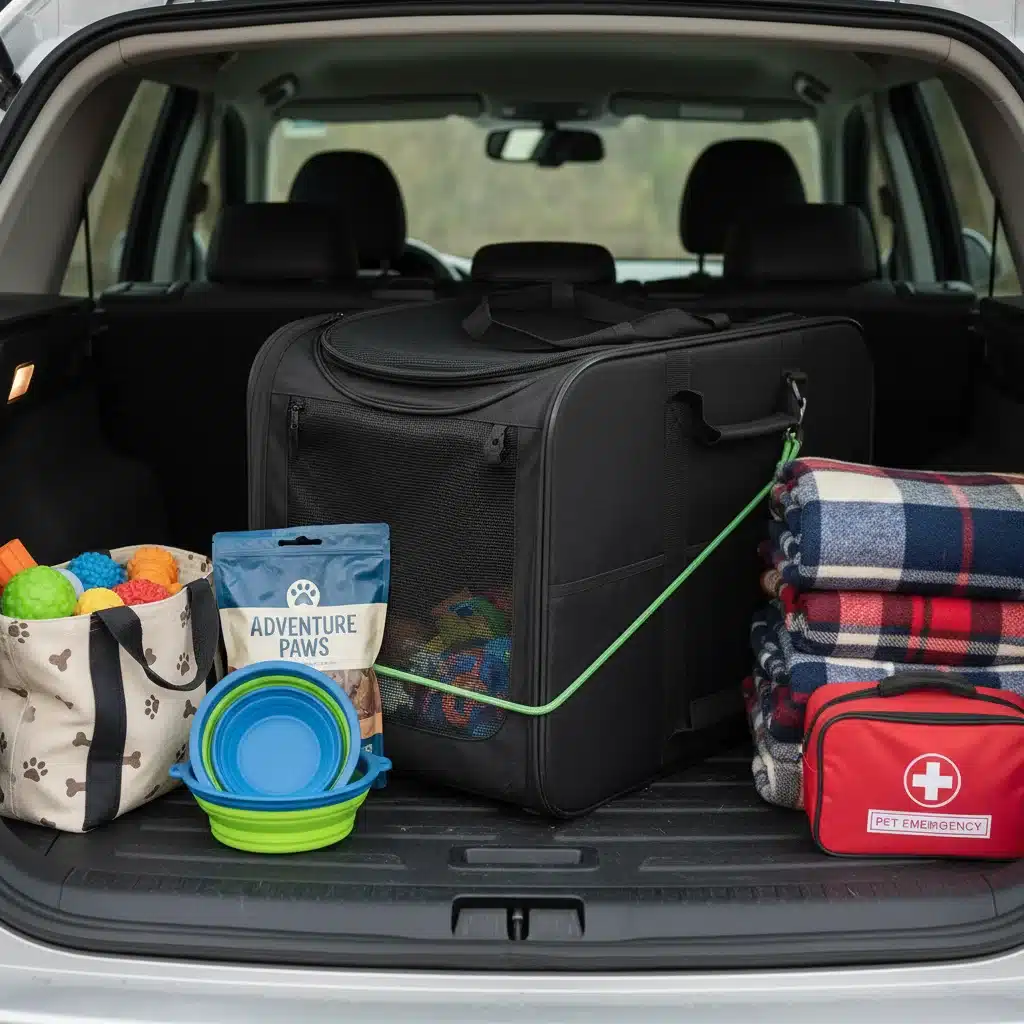
Just as you pack your own essentials, a dedicated pet travel kit is a cornerstone of effective pet travel preparations. Having everything your pet needs readily accessible will make the journey much smoother and more enjoyable for everyone. Think of this kit as your pet’s personal suitcase, containing all the comforts of home and necessities for the road.
What to Include in Your Pet Travel Kit:
- Food and Water: Pack enough of your pet’s regular food for the entire trip, plus a few extra days’ supply. Sudden changes in diet can cause digestive upset. Bring collapsible travel bowls for food and water. Bottled water from home can also be a good idea, as changes in water sources can sometimes upset sensitive stomachs.
- Medications: All prescribed medications, clearly labeled, along with any over-the-counter supplements or treatments your vet recommended (e.g., for motion sickness).
- Leash, Collar, and ID Tags: Always have a sturdy leash and collar with current ID tags readily available. Consider a backup set.
- Waste Bags and Cleaning Supplies: Plenty of waste bags for walks. Also, pack paper towels, pet-safe wipes, and an enzymatic cleaner for any accidents in the car or accommodation.
- First-Aid Kit: A basic pet first-aid kit is invaluable. Include items like antiseptic wipes, sterile gauze, adhesive tape, tweezers, hydrogen peroxide (to induce vomiting under vet guidance only), and any specific items your vet recommends.
- Comfort Items: Bring your pet’s favorite blanket, bed, or toys. These familiar items can provide comfort and reduce anxiety in new environments.
- Grooming Supplies: A brush, comb, or any specific grooming tools your pet regularly uses, especially if you’re traveling to areas where burrs or ticks might be an issue.
- Proof of Ownership/Health Records: As mentioned earlier, keep copies of vaccination records, health certificates, and microchip information.
- Treats: High-value treats can be useful for rewarding good behavior, distracting your pet, or helping them settle in new places.
Organize this kit so that frequently used items are easy to reach. A dedicated travel bag or container will help keep everything tidy and prevent items from getting lost or damaged. This proactive approach to pet travel preparations will make roadside stops and overnight stays much less stressful.
4. Plan Pet-Friendly Accommodation and Stops
One of the biggest logistical challenges in pet travel preparations is finding suitable accommodation. Not all hotels or motels are pet-friendly, and those that are often have specific policies regarding pet size, breed, and fees. Thorough planning here will save you significant headaches and potential last-minute scrambles.
Researching and Booking Accommodation:
- Utilize Pet-Friendly Resources: Websites and apps like BringFido, PetsWelcome, and Expedia’s pet-friendly filters are invaluable tools. They allow you to search for hotels, vacation rentals, and even attractions that welcome pets.
- Call Ahead to Confirm: Even if a listing states it’s pet-friendly, always call the specific establishment directly to confirm their current pet policy. Ask about:
- Any weight or breed restrictions.
- Number of pets allowed per room.
- Additional pet fees (per night or per stay).
- Designated pet relief areas.
- Rules regarding leaving pets unattended in the room.
- Book in Advance: Pet-friendly rooms, especially in popular destinations or during peak seasons, can book up quickly. Secure your reservations well in advance.
- Consider Vacation Rentals: Services like Airbnb and VRBO often have a wider range of pet-friendly options, from entire homes with fenced yards to cozy apartments. Again, always confirm pet policies with the host.
- Camping: Many national and state parks offer pet-friendly camping options, but always check their specific rules regarding leashes, pet behavior, and restricted areas.
Planning Roadside Stops:
Long stretches of driving are not ideal for pets. Plan for frequent stops every 2-4 hours to allow your pet to stretch their legs, relieve themselves, and have a drink of water. Look for rest areas with designated pet walking areas or find parks along your route. Always keep your pet on a leash during stops, and be mindful of other travelers and local wildlife.
Never leave your pet unattended in a parked car, especially in warm weather. Even on a seemingly mild day, the interior of a car can heat up rapidly to dangerous temperatures, leading to heatstroke or even death. This is a critical aspect of responsible pet travel preparations.
5. Gradual Acclimation to Car Travel
For many pets, especially those not accustomed to car rides, the idea of a long road trip can be daunting. One of the most effective pet travel preparations you can undertake is gradually acclimating your pet to the car. This process should begin weeks, if not months, before your actual departure date.
Steps for Acclimation:
- Positive Association: Start by simply getting your pet comfortable with being in and around the car while it’s stationary. Offer treats and praise when they voluntarily get in.
- Short, Positive Rides: Begin with very short car rides to fun places, like a local park, a pet store, or a friend’s house they enjoy visiting. Keep these initial trips brief and positive.
- Gradually Increase Duration: Slowly extend the length of your car rides. Observe your pet’s behavior and comfort level. If they show signs of stress, revert to shorter rides and try again.
- Practice with Restraint: Always use the chosen car restraint system (crate, harness, etc.) during these practice rides. This helps your pet get used to being secured.
- Mimic Trip Conditions: Play some of the music or podcasts you plan to listen to during the trip. Practice packing some of their travel gear in the car so they get used to the sounds and smells.
Addressing Motion Sickness and Anxiety:
If your pet consistently shows signs of motion sickness (drooling, vomiting, excessive panting) or anxiety (whining, pacing, trembling), consult your vet. They might suggest specific strategies, medications, or natural remedies. Never give human medications to your pet without veterinary guidance.
A well-acclimated pet is a happier, safer traveler, making this step an indispensable part of your pet travel preparations.
6. Research Pet-Friendly Activities and Attractions
A road trip with your pet shouldn’t just be about the destination; it should also be about the journey and the experiences you share along the way. Part of effective pet travel preparations involves researching pet-friendly activities and attractions at your destination and along your route.
Finding Fun for Fido:
- Parks and Trails: Many national, state, and local parks welcome leashed dogs on trails and in designated areas. Always check specific park regulations, as some may restrict pets from certain sensitive ecological zones.
- Dog Parks: Look for off-leash dog parks where your pet can burn off energy and socialize safely.
- Pet-Friendly Restaurants/Patios: A growing number of restaurants offer outdoor patio seating where well-behaved, leashed dogs are welcome. Websites like BringFido often list these establishments.
- Attractions: Some historical sites, gardens, or even wineries are pet-friendly. Don’t assume; always verify before you go.
- Beaches: Certain beaches have designated off-leash or on-leash pet hours. Research local ordinances before heading to the coast.
Having a list of potential activities will allow you to break up long drives, provide your pet with necessary exercise and mental stimulation, and create more bonding opportunities. This foresight in your pet travel preparations ensures that your trip is enjoyable for every member of the family.
7. Emergency Preparedness and Contingency Plans
While we hope for the best, it’s crucial to prepare for the unexpected when undertaking a road trip with your pet. Robust emergency preparedness is a cornerstone of responsible pet travel preparations.
What to Include in Your Emergency Plan:
- Emergency Contact Information: Keep a list of your vet’s contact information, an emergency vet clinic near your home, and research emergency veterinary hospitals along your route and at your destination. Save these numbers in your phone and have a physical copy.
- Pet First-Aid Kit: As mentioned in section 3, a well-stocked pet first-aid kit is essential. Know how to use its contents for minor injuries.
- “Lost Pet” Kit: In case your pet gets lost, have recent photos, their microchip number, and a description of their appearance readily available. Consider carrying a small supply of their favorite treats or a familiar toy to help lure them back.
- Extra Supplies: Always pack more food, water, and medication than you think you’ll need, accounting for potential delays or unexpected detours.
- Proof of Ownership: Carry documents proving your pet belongs to you, such as adoption papers or registration certificates. This can be important in certain situations.
- Temporary Boarding Options: Research reputable pet boarding facilities or doggy daycares along your route or at your destination, just in case an unforeseen circumstance (like an emergency for you that doesn’t allow pets) requires temporary care for your animal.
Knowing you have a plan for various emergencies will significantly reduce stress and allow you to react calmly and effectively if something goes awry. This proactive approach to pet travel preparations is about safeguarding your pet’s well-being no matter what.
8. Practice Good Pet Etiquette and Respect Local Rules
Being a responsible pet owner is always important, but it becomes even more critical when traveling. Adhering to good pet etiquette and respecting local rules contributes not only to a pleasant trip for you but also helps ensure that more places remain pet-friendly for everyone. This is a vital, often overlooked, aspect of pet travel preparations.
Key Etiquette Points:
- Leash Laws: Always keep your pet on a leash unless you are in a designated, secure off-leash area. Respect leash length requirements where specified.
- Waste Management: Always pick up after your pet. Carry plenty of waste bags and dispose of them properly. Leaving pet waste behind is not only unsanitary but can also lead to fines and negative perceptions of pet owners.
- Noise Control: Prevent excessive barking, especially in hotels, campsites, or public areas. A barking dog can disturb other travelers and lead to complaints.
- Supervision: Never leave your pet unattended in public places, including hotel rooms, unless explicitly allowed and you are certain your pet will behave.
- Respect for Wildlife: If you are traveling through natural areas, keep your pet away from wildlife. This protects both your pet and the ecosystem.
- Consider Other People: Not everyone loves pets, and some people may have allergies or fears. Maintain control of your pet and be considerate of others’ space and comfort.
- Follow Accommodation Rules: Adhere strictly to any pet policies set by hotels, vacation rentals, or campgrounds. This might include using designated pet areas, keeping pets off furniture, or paying specific fees.
By being a considerate and responsible pet owner, you help pave the way for future pet travelers and ensure that pet-friendly options continue to expand. This commitment to etiquette is an integral part of successful pet travel preparations.
Conclusion: Your 2026 Pet Road Trip Awaits!
Embarking on a road trip with your beloved animal companion in 2026 can be one of the most rewarding experiences you’ll ever share. The open road, new sights, and shared adventures create lasting memories. However, the success of such a journey hinges significantly on meticulous pet travel preparations. By diligently following these 8 essential steps, you are not just packing bags; you are building a foundation for a safe, comfortable, and truly stress-free adventure for both you and your furry friend.
From ensuring your pet’s health is in top condition with a comprehensive vet check-up to securing their safety in the car with appropriate restraints, every detail matters. Packing a well-stocked pet travel kit, meticulously planning pet-friendly accommodations, and gradually acclimating your pet to car travel will eliminate many potential stressors. Furthermore, researching engaging pet-friendly activities and having robust emergency preparedness plans in place will empower you to handle any situation with confidence. Finally, practicing impeccable pet etiquette ensures that your travels are enjoyable for everyone you encounter and helps to foster a more welcoming environment for future pet travelers.
As you plot your course and finalize your itinerary for 2026, remember that these pet travel preparations are an investment in the joy and well-being of your journey. With thoughtful planning and a proactive approach, you’re not just going on a trip; you’re creating an unforgettable experience that strengthens the bond with your cherished companion. So, leash up, pack smart, and get ready to hit the road – your incredible pet-friendly adventure across the U.S. awaits!