
As responsible pet owners in the U.S., our furry, scaled, and feathered companions are cherished members of our families. Their well-being is paramount, and just like with human family members, emergencies can strike when least expected. A well-stocked and up-to-date pet first aid kit isn’t just a convenience; it’s a critical component of responsible pet ownership. In this comprehensive guide, we’ll delve into the essential updates for your pet first aid kit in 2026, providing practical solutions and insights to ensure you’re prepared for almost any unforeseen circumstance.
The landscape of pet care is constantly evolving, with new products, improved techniques, and a deeper understanding of animal physiology emerging regularly. What was considered a comprehensive first aid kit a few years ago might be missing crucial elements today. Our goal is to equip you with the knowledge to assemble a pet first aid kit that reflects the latest best practices, offering immediate relief and potentially life-saving intervention before professional veterinary care can be accessed.
We’ll cover everything from the basic necessities to advanced considerations, tailored specifically for the average U.S. pet owner. Whether you have a playful puppy, a senior cat, an adventurous rabbit, or a serene bird, understanding how to respond to common injuries and illnesses is invaluable. This guide will not only list items but also explain their purpose, helping you make informed decisions about what goes into your kit and, more importantly, how to use it effectively. Remember, a first aid kit is only as good as the knowledge of the person using it, so consider this an essential step in your ongoing education as a dedicated pet parent.
Why Your Pet Needs an Updated First Aid Kit in 2026
The world around us changes, and so do the potential hazards and best practices for pet care. Updating your pet first aid kit isn’t just about replacing expired medications; it’s about staying current with advancements and adapting to new challenges. In 2026, several factors make a renewed focus on your pet’s emergency preparedness more important than ever.
Firstly, environmental changes and increased travel with pets mean a wider range of potential exposures. From new plant toxins to different insect bites, being prepared for diverse scenarios is key. Secondly, veterinary medicine continues to advance rapidly, offering new insights into immediate care for various conditions. While a first aid kit cannot replace professional veterinary attention, it can bridge the gap, stabilizing your pet and preventing conditions from worsening during transport or while awaiting an appointment.
Moreover, the emphasis on preventative care and early intervention has grown. A well-equipped pet first aid kit allows you to address minor issues promptly, often preventing them from escalating into more serious problems. Think of a small cut that, if cleaned and dressed immediately, avoids infection. Or a sudden allergic reaction that can be managed with an appropriate antihistamine while en route to the vet. These quick actions, facilitated by a ready kit, can significantly impact your pet’s recovery and overall health.
Finally, peace of mind for pet owners is invaluable. Knowing you have the tools and basic knowledge to assist your pet in an emergency reduces panic and allows for more effective action. This guide aims to empower you with that confidence, ensuring your pet first aid kit is a source of reassurance, not just a box of supplies.
Foundation of Your 2026 Pet First Aid Kit: The Absolute Essentials
Every effective pet first aid kit starts with a solid foundation of essential items. These are the non-negotiables, the core components that will address the most common pet emergencies. Regardless of your pet’s species or your location within the U.S., these items form the backbone of your preparedness.
1. Wound Care and Bandaging Supplies
- Non-stick sterile pads and gauze rolls: For covering wounds and absorbing exudate. Opt for various sizes.
- Adhesive tape (pet-specific or medical-grade): Crucial for securing bandages. Avoid human-grade elastic bandages as they can be too constrictive for pets.
- Self-adhering bandage (e.g., Vetwrap): Excellent for securing dressings without sticking to fur. Ensure it’s not applied too tightly.
- Antiseptic wipes or solution (e.g., chlorhexidine or povidone-iodine): For cleaning wounds. Diluted solutions are often preferred; consult your vet for specific recommendations. Avoid alcohol, hydrogen peroxide, or harsh chemicals that can damage tissue.
- Antibiotic ointment (pet-safe): For minor cuts and abrasions. Always check with your vet for suitable options.
- Blunt-tipped scissors: For cutting bandages, tape, and removing foreign objects from fur.
- Tweezers: For removing splinters, ticks, or other small foreign objects.
2. Basic Medical Tools
- Digital pet thermometer: To check for fever or hypothermia. Rectal thermometers are most accurate for pets.
- Disposable gloves: For hygiene and preventing contamination when handling wounds or bodily fluids.
- Flashlight with extra batteries: For examining wounds in low light or checking pupils.
- Syringe (without needle) or eyedropper: For administering oral medications or flushing wounds.
- Pet-specific nail clippers: For trimming nails that might be caught or broken.
3. Emergency Contact Information and Records
- Veterinarian’s contact information: Including emergency after-hours numbers.
- Emergency vet clinic contact information: Know where the nearest 24-hour clinic is.
- Pet poison control hotline numbers: ASPCA Animal Poison Control Center (1-888-426-4435) and Pet Poison Helpline (1-855-764-7661).
- Copy of vaccination records and medical history: Especially important if you need to visit an unfamiliar vet.
- Photo of your pet: For identification if lost, and to show to vets if describing an injury.
These foundational items are the bare minimum for any responsible pet owner. Regularly check expiration dates on medications and replace any used or damaged supplies. Think of your pet first aid kit as a living entity that needs periodic attention.
Advanced Additions for Comprehensive Pet First Aid 2026
Once you have the essentials covered, consider these advanced additions to make your pet first aid kit truly comprehensive. These items address a wider range of scenarios, from allergic reactions to potential poisoning incidents, and are especially beneficial for pets with specific health concerns or those who spend a lot of time outdoors.
1. Medications and Supplements (Vet-Approved)
- Activated charcoal: For certain types of poisoning, but only use under veterinary guidance. It can absorb toxins, but also some medications.
- Antihistamine (e.g., Diphenhydramine – Benadryl): For allergic reactions (bee stings, insect bites). Crucially, consult your vet for the correct dosage for your specific pet’s weight and species before administering.
- Pain relief (NSAIDs): NEVER use human pain relievers like ibuprofen or acetaminophen, as they are highly toxic to pets. Your vet may prescribe a pet-safe NSAID for your kit.
- Gastrointestinal aids: Probiotics or anti-diarrhea medication like Kaopectate (check ingredients for pet safety) can be useful for mild digestive upsets. Always consult your vet.
- Prescription medications: If your pet has a chronic condition (e.g., epilepsy, diabetes), always keep an extra supply of their essential medications in your kit.
2. Diagnostic and Monitoring Tools
- Stethoscope: For monitoring heart rate and breathing (requires training to use effectively, but can be helpful).
- Magnifying glass: For close examination of small wounds, ticks, or foreign objects.
- Pet-specific blood stopper powder: For minor cuts that bleed excessively (e.g., nail trims that are too short).
3. Restraint and Comfort Items
- Muzzle (various sizes if you have multiple pets): Even the calmest pet can bite when in pain or fear. A muzzle protects you and allows for safer examination/treatment.
- Leash and collar/harness: For safe transport or restraint.
- Small blanket or towel: For warmth, comfort, or as a makeshift stretcher for smaller pets.
- Collapsible water bowl and small bottle of water: For hydration, especially during transport or if stranded.
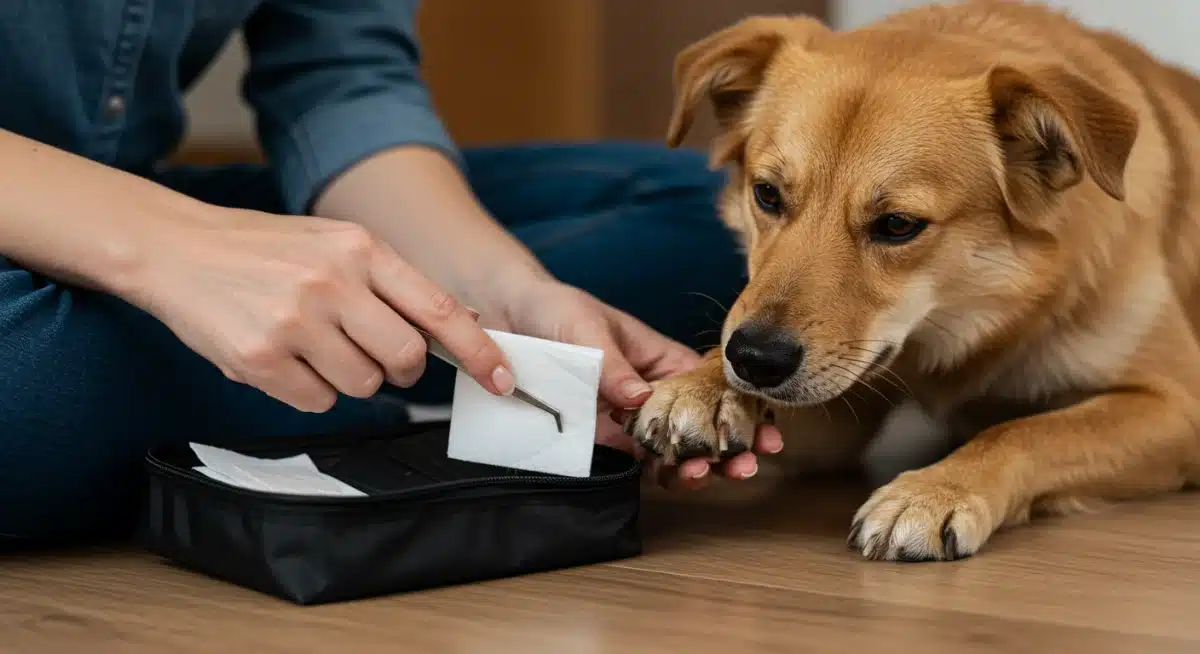
Special Considerations for Different Pets and Lifestyles in 2026
While the core components of a pet first aid kit remain universal, tailoring it to your specific pet’s needs and your shared lifestyle is crucial. A kit for a city-dwelling cat will differ from one for a hiking dog. Here are some special considerations for 2026:
For Adventurous or Outdoor Pets:
- Snake bite kit (controversial, discuss with vet): While some kits exist, their efficacy is debated. Focus more on immediate transport. However, a vet-approved venom extractor might be considered for certain regions.
- Tick removal tools: Specialized tools make tick removal safer and more complete.
- Paw protection (booties): For protecting injured paws or preventing further damage on rough terrain.
- Instant cold packs: For sprains or swelling (ensure they are non-toxic if punctured).
- Water purification tablets: If you’re in areas where clean water isn’t guaranteed.
- Emergency whistle: To signal for help if you and your pet become separated.
For Senior Pets or Pets with Chronic Conditions:
- Extra supply of prescription medications: Always have more than you think you need.
- Comfort aids: A favorite blanket or toy for stress reduction.
- Mobility aids: If your senior pet struggles with mobility, consider a sling or supportive harness for emergencies.
- Glucose monitoring supplies: If your pet is diabetic.
For Small Animals (Rabbits, Guinea Pigs, Birds, etc.):
- Smaller sized tools: Tweezers, scissors, and syringes appropriate for their delicate size.
- Small animal specific critical care formula: For pets refusing to eat, a vet-approved formula can be life-saving.
- Nail trimmers specific to their species.
- Heating pad (low setting) or heat pack: Small animals can quickly become hypothermic when ill or injured.
For Multi-Pet Households:
- Multiple sizes of muzzles and collars.
- Distinctly labeled medications: To avoid confusion.
- Larger quantities of common supplies.
By considering these specific needs, you can customize your pet first aid kit to be truly effective for your unique animal companions and their environment.
Maintaining Your Pet First Aid Kit: A 2026 Checklist
Assembling a pet first aid kit is just the first step. Regular maintenance ensures that when an emergency strikes, your kit is ready and reliable. Here’s a checklist for keeping your kit in top shape for 2026 and beyond:
Quarterly Check-Up:
- Check expiration dates: Medications, antiseptic solutions, and even some bandages can expire. Replace anything past its prime.
- Restock used items: If you’ve used anything, replace it immediately. Don’t wait for another emergency.
- Inspect packaging: Ensure sterile items are still sealed and undamaged.
- Check batteries: For flashlights and digital thermometers.
- Review contact information: Has your vet’s number changed? Are the emergency clinic details still current?
- Assess your pet’s needs: Has their health status changed? Do they need new medications or specialized supplies?
Annual Review:
- Re-evaluate contents: Based on new recommendations from your vet, new pet activities, or changes in your pet’s age/health.
- Clean and organize: A tidy kit is an efficient kit.
- Practice using items: Familiarize yourself with how to use the thermometer, apply a bandage, or administer liquid medication. Consider taking a pet first aid class.
- Review pet first aid knowledge: Refresh your memory on basic techniques.
Storage Best Practices:
- Keep it accessible: Store your pet first aid kit in a consistent, easy-to-reach location at home.
- Portable: Have a smaller, travel-friendly version for car trips, hikes, or vacations.
- Cool, dry place: Protect medications and supplies from extreme temperatures and moisture.
- Clearly labeled: Ensure everyone in the household knows what it is and where it’s located.
By following this maintenance schedule, you can be confident that your pet first aid kit will be a reliable resource when you need it most, truly fulfilling its purpose as a critical safety net for your beloved pet.
Pet First Aid Training: Beyond the Kit
Having a well-stocked pet first aid kit is commendable, but the supplies are only as effective as the hands that use them. Pet first aid training is an invaluable complement to your kit, providing you with the confidence and skills to act decisively and correctly during an emergency. In 2026, access to such training is more widespread and varied than ever before.
Why Training Matters:
- Correct application: Knowing how to properly apply a bandage, administer medication, or perform CPR can make a life-or-death difference.
- Recognizing symptoms: Training often includes learning to identify early signs of distress, illness, or injury, allowing for quicker intervention.
- Minimizing panic: Familiarity with emergency procedures helps reduce panic, enabling you to think more clearly under pressure.
- Preventing further injury: Improper handling or treatment can worsen an injury. Training teaches safe and effective techniques.
Training Opportunities in 2026:
- Local animal shelters and humane societies: Many offer affordable or free pet first aid and CPR classes.
- Veterinary clinics: Some clinics host workshops or can recommend reputable trainers.
- Red Cross: The American Red Cross offers comprehensive pet first aid courses, often available online and in person. These are highly recommended.
- Online courses and webinars: Numerous reputable organizations provide virtual training options, offering flexibility for busy schedules. Look for courses certified by veterinary professionals.
- Books and guides: While not a substitute for hands-on training, well-illustrated guides can be excellent refreshers.
Consider dedicating a few hours each year to refreshing your pet first aid knowledge. Just like you’d update your human first aid skills, keeping your pet emergency response sharp is a vital part of responsible pet ownership. A trained owner with a well-equipped pet first aid kit is the ultimate team for ensuring your pet’s safety and well-being.
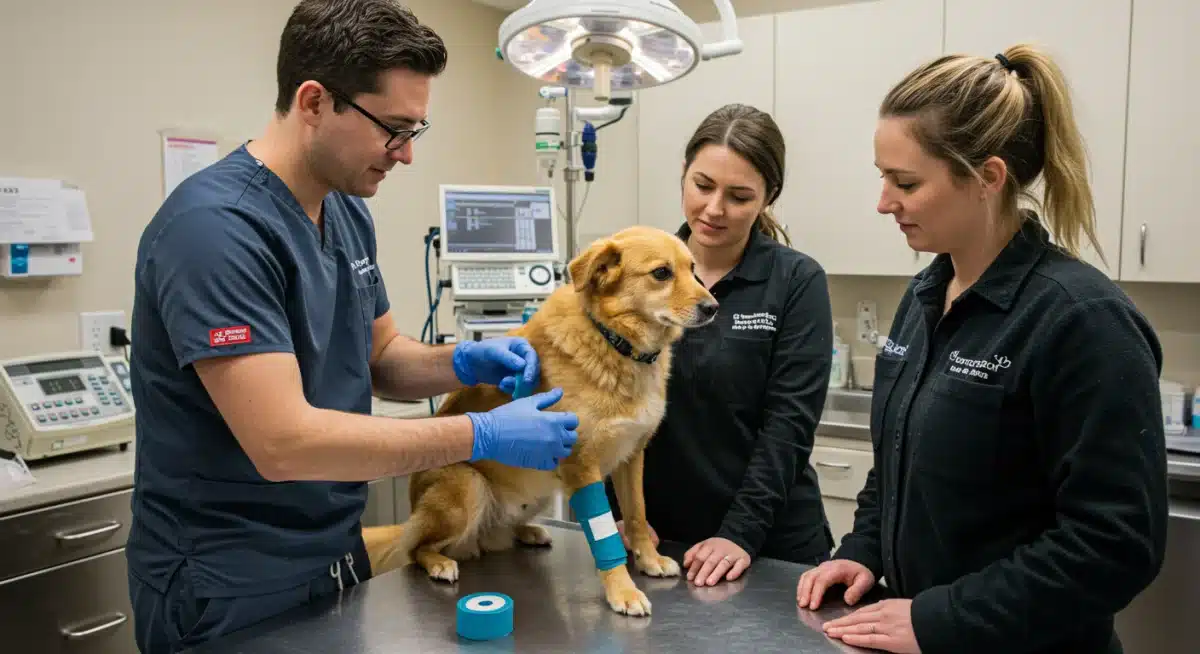
Common Pet Emergencies and How Your Kit Helps
Understanding how your pet first aid kit can be applied to real-world scenarios is crucial. While this is not a substitute for veterinary advice, knowing basic responses can stabilize your pet before professional help arrives. Here are a few common emergencies:
1. Cuts, Scrapes, and Lacerations:
- Kit items: Antiseptic wipes/solution, sterile pads, gauze, self-adhering bandage, pet-safe antibiotic ointment, disposable gloves, blunt-tipped scissors.
- Action: Gently clean the wound with antiseptic. Apply antibiotic ointment if minor. Cover with a sterile pad and secure with gauze and self-adhering bandage. Apply light pressure if bleeding. Seek vet care for deep or heavily bleeding wounds.
2. Puncture Wounds (e.g., from a stick or bite):
- Kit items: Antiseptic wipes/solution, sterile pads, disposable gloves.
- Action: Do NOT try to remove embedded objects unless very superficial. Control bleeding with direct pressure. Clean around the wound gently. Puncture wounds can be deceptively serious due to infection risk; always seek immediate veterinary attention.
3. Allergic Reactions (e.g., bee sting):
- Kit items: Antihistamine (vet-approved dosage), tweezers (for stingers), instant cold pack.
- Action: If a stinger is visible, remove it carefully with tweezers. Apply a cold pack to reduce swelling. Administer vet-approved antihistamine. Watch for signs of severe reaction (difficulty breathing, facial swelling, vomiting) and head to the vet immediately.
4. Sprains and Lameness:
- Kit items: Blanket/towel (for support/comfort), leash.
- Action: Restrict movement. Gently check the paw and leg for obvious injuries. If the pet cannot bear weight or is in severe pain, use a blanket as a makeshift stretcher to carefully transport them to the vet.
5. Heatstroke or Hypothermia:
- Kit items: Digital thermometer, water, small towel.
- Action (Heatstroke): Move pet to a cool area. Offer small amounts of water. Apply cool (not cold) water to their fur, especially on paw pads, groin, and underarms. Monitor temperature. Seek vet care immediately.
- Action (Hypothermia): Move pet to a warm, dry area. Wrap in a warm blanket or towel. Offer warm water if conscious. Monitor temperature. Seek vet care.
6. Choking:
- Kit items: Flashlight, blunt-tipped scissors (to cut away restrictive items).
- Action: If the pet is still breathing or coughing, let them try to dislodge it. If struggling to breathe, open the mouth to check for visible objects. Use pliers/tweezers only if you can easily grasp and remove the object without pushing it further. If unsuccessful, perform basic Heimlich maneuver for pets (consult a trained guide) and rush to the vet.
These scenarios highlight the practical utility of a well-prepared pet first aid kit. Remember, these are first aid steps, designed to stabilize and comfort your pet until professional veterinary care can be administered. Always prioritize getting your pet to a veterinarian after any significant injury or illness.
The Future of Pet First Aid: What to Expect Beyond 2026
The world of pet care is dynamic, and the evolution of the pet first aid kit will undoubtedly continue beyond 2026. Anticipating future trends can help us stay even better prepared. We can expect to see several key developments:
1. Smart & Connected Devices:
- Wearable health monitors: Real-time vital sign tracking (heart rate, temperature, activity levels) could alert owners to issues before they become critical, prompting early first aid intervention.
- Telemedicine integration: Kits might include simple diagnostic tools that can transmit data directly to a vet via a smartphone app for remote consultation, guiding first aid steps.
- AI-powered first aid apps: Intelligent apps could provide step-by-step guidance based on reported symptoms, leveraging a vast database of veterinary knowledge.
2. Advanced Materials and Formulations:
- Faster-acting wound care: New generations of hemostatic agents and advanced wound dressings that promote quicker healing and reduce infection.
- Species-specific medications: More targeted and safer over-the-counter or vet-prescribed medications designed specifically for canine, feline, or exotic pet physiology, minimizing adverse reactions.
- Eco-friendly and sustainable supplies: A greater emphasis on biodegradable bandages, recyclable packaging, and ethically sourced components within the pet first aid kit.
3. Enhanced Training and Accessibility:
- Virtual reality (VR) training: Immersive VR simulations could provide realistic, hands-on practice for pet first aid scenarios without risk to actual animals.
- Increased accessibility to specialized kits: Ready-made kits tailored for specific breeds (e.g., brachycephalic breeds prone to respiratory issues), regions (e.g., areas with specific venomous wildlife), or activities (e.g., hunting dogs, agility cats).
4. Focus on Mental Well-being in Emergencies:
- Calming aids: Beyond physical needs, future kits might routinely include pet-safe calming pheromones, anxiety wraps, or oral calming supplements to help reduce stress during emergencies.
- Pain assessment tools: More objective ways for owners to assess their pet’s pain levels, guiding appropriate first aid response and communication with vets.
These potential advancements highlight a future where the pet first aid kit becomes even more sophisticated, integrated, and effective. Staying informed about these developments will be key to remaining a prepared and responsible pet owner in the years to come.
Conclusion: Your Pet’s Safety, Your Responsibility
In conclusion, assembling and maintaining an up-to-date pet first aid kit is a fundamental aspect of responsible pet ownership in 2026 and beyond. This guide has provided a comprehensive overview of the essential items, advanced additions, and crucial maintenance practices to ensure your kit is ready for any unforeseen emergency. From basic wound care to managing allergic reactions, the tools and knowledge discussed here can make a profound difference in your pet’s immediate well-being.
Remember, a pet first aid kit is not a replacement for professional veterinary care, but rather a vital bridge to it. It empowers you to provide immediate, stabilizing care that can prevent conditions from worsening, alleviate suffering, and potentially save your pet’s life. Coupled with ongoing pet first aid training, your preparedness will offer invaluable peace of mind, knowing you can act confidently and effectively when your beloved companion needs you most.
Take the time today to review your current kit, update its contents, and commit to regular maintenance. Your pet relies on you for their safety and care, and being prepared for emergencies is one of the greatest gifts you can give them. Stay informed, stay prepared, and cherish every moment with your healthy, happy pet.