New Pet Owner’s Checklist 2026: The First 6 Weeks of Care for Your Adopted Companion

Adopting a new pet is an incredibly exciting and rewarding experience. The pitter-patter of tiny paws, the purr of a contented cat, or the eager wag of a tail can bring immense joy and companionship into your life. However, it’s also a significant responsibility that requires careful planning and preparation, especially during the initial weeks. This comprehensive new pet owner checklist for 2026 is designed to guide you through the crucial first six weeks of caring for your adopted companion, ensuring a smooth transition for everyone involved. Whether you’re bringing home a playful puppy, a curious kitten, or an adult animal, these foundational steps will set the stage for a lifetime of happiness and good health.
The first six weeks are a critical period for your new pet. It’s a time of adjustment, learning, and bonding. During this phase, your pet will be adapting to a new environment, new routines, and new people. Your role as a new pet owner is to provide a safe, loving, and predictable environment that fosters trust and helps your pet feel secure. This involves everything from setting up their living space to establishing consistent feeding and training schedules, and, most importantly, ensuring their health and well-being from day one. Our new pet owner checklist will break down these essential tasks week by week, making the process manageable and stress-free.
Before your new furry family member even steps paw into your home, there’s a lot to consider. This guide will cover everything from initial preparations and essential supplies to veterinary care, nutrition, training, socialization, and creating a safe and stimulating environment. By following this detailed new pet owner checklist, you’ll be well-equipped to navigate the challenges and joys of early pet parenthood, building a strong foundation for a lasting and loving relationship with your new companion. Let’s embark on this exciting journey together, ensuring your pet’s first six weeks are filled with positive experiences and a sense of belonging.
Week 1: Settling In and Essential Preparations – Your Initial New Pet Owner Checklist
The first week with your new pet is all about settling in and making them feel safe and comfortable in their new home. This initial period is crucial for establishing trust and minimizing stress. Your new pet owner checklist for week one focuses on setting up their space, gathering essential supplies, and making that all-important first vet visit.
Creating a Safe Haven
Your pet needs a designated safe space where they can retreat and feel secure. For dogs, this might be a crate or a cozy bed in a quiet corner. For cats, a cat tree or a comfortable bed in a secluded spot works well. Ensure this area is quiet, away from high-traffic zones, and equipped with soft bedding. Introduce your pet to this space immediately upon arrival. This helps them understand they have a personal sanctuary.
Essential Supplies to Have Ready
Before your pet arrives, ensure you have all the necessary supplies. This part of the new pet owner checklist is non-negotiable:
- Food and Water Bowls: Stainless steel or ceramic bowls are often recommended for hygiene.
- Appropriate Food: Stick to the food your pet was eating before adoption initially to avoid stomach upset. Consult your vet for dietary recommendations.
- Collar/Harness and Leash: Ensure they are properly sized and comfortable. For dogs, a tag with your contact information is vital.
- ID Tags and Microchip Information: Even if microchipped, an ID tag is the fastest way to reunite with a lost pet. Update microchip information immediately.
- Bedding: Comfortable and washable bedding for their safe space.
- Toys: A variety of safe and appropriate toys for mental stimulation and play.
- Grooming Supplies: Brushes, nail clippers, and pet-specific shampoo.
- Cleaning Supplies: Pet-safe cleaners for accidents.
- Litter Box and Litter (for cats): Place it in a quiet, accessible location.
- Crate (for dogs): If you plan on crate training, have it ready and inviting.
- Pet Carrier: Essential for vet visits and safe travel.
The All-Important First Vet Visit
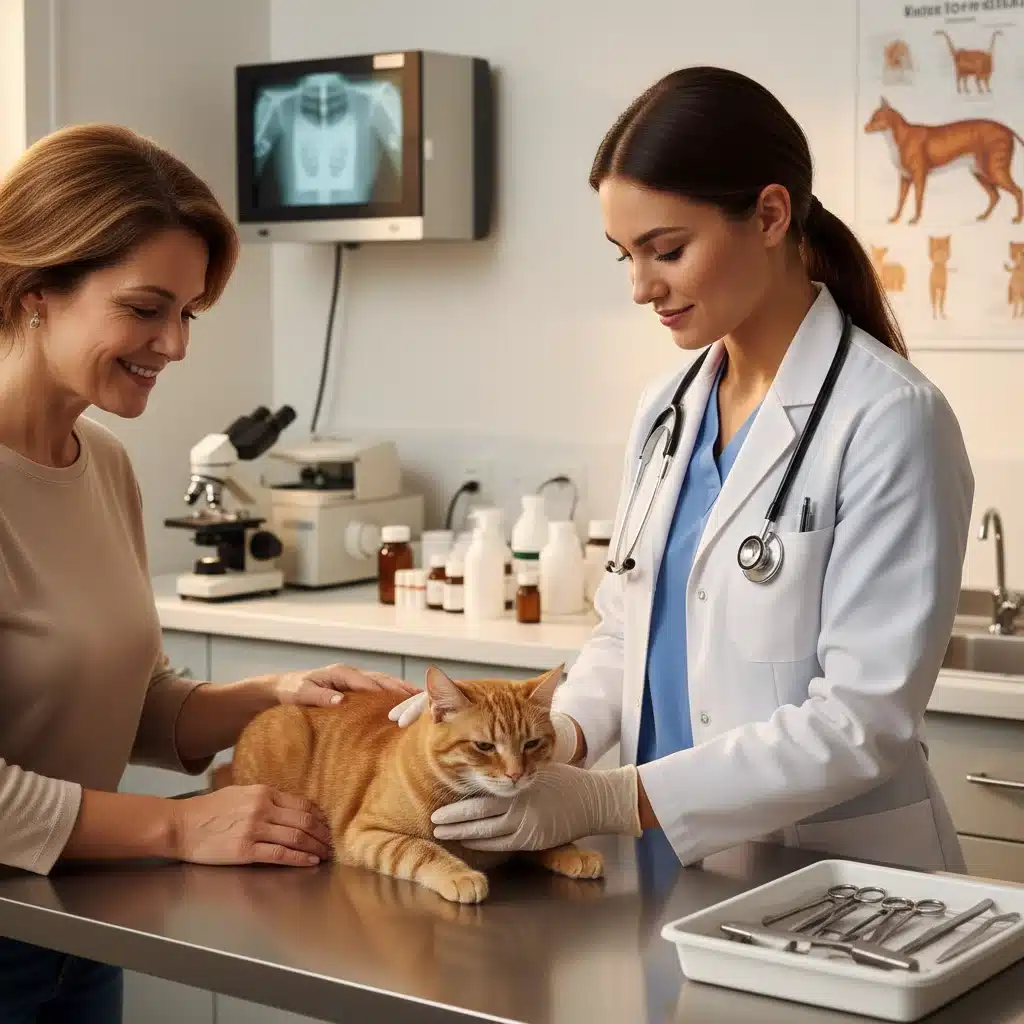
One of the most critical items on your new pet owner checklist for week one is scheduling and attending the first veterinary appointment within a few days of adoption. This initial visit serves several vital purposes:
- General Health Check: The vet will perform a thorough examination to assess your pet’s overall health.
- Vaccination Review: Ensure all necessary vaccinations are up to date and schedule any boosters.
- Parasite Screening and Prevention: Check for fleas, ticks, and internal parasites, and discuss preventative measures.
- Microchip Scan: Verify the microchip is working and registered to you.
- Discussion of Spaying/Neutering: If your pet isn’t already spayed or neutered, discuss the best time for the procedure.
- Nutritional Advice: Get recommendations on the best diet for your pet’s age, breed, and activity level.
- Behavioral Questions: Address any initial behavioral concerns or questions you might have.
This first vet visit is not just about physical health; it’s also an opportunity to establish a relationship with a trusted veterinary professional who will be a valuable resource throughout your pet’s life. Don’t hesitate to ask any questions you have, no matter how small they may seem.
Week 2: Establishing Routine and Basic Training – Advancing Your New Pet Owner Checklist
With your pet starting to feel more at home, week two shifts focus to establishing predictable routines and beginning basic training. Consistency is key during this period, helping your pet understand expectations and feel more secure. This part of your new pet owner checklist lays the groundwork for good behavior and a well-adjusted companion.
Consistent Feeding and Potty Schedules
A predictable schedule helps your pet adjust. Feed your pet at the same times each day. For puppies, frequent potty breaks are essential. Take them out first thing in the morning, after waking from naps, after eating and drinking, and before bedtime. Reward successful potty breaks generously. For cats, ensure their litter box is clean and accessible at all times.
Starting Basic Training (Dogs)
For dogs, week two is an excellent time to introduce basic commands. Use positive reinforcement methods, offering treats, praise, and petting for desired behaviors. Start with simple commands like ‘sit,’ ‘stay,’ and ‘come.’ Keep training sessions short, fun, and frequent. This builds a positive association with learning and strengthens your bond.
For cats, while formal obedience training is less common, you can begin litter box training if not already established, and teach them to come when called for treats. Positive reinforcement is equally effective for felines.
Socialization (Controlled and Positive)
Early, positive socialization is vital for puppies and kittens. For puppies, once cleared by your vet regarding vaccinations, controlled exposure to new sights, sounds, people, and other vaccinated, friendly dogs is beneficial. For kittens, gentle handling by various people, exposure to household noises, and safe interactions with other calm pets can be very helpful. Remember, all interactions should be positive and not overwhelming. Avoid forcing interactions that cause fear or anxiety.

Week 3: Expanding Horizons and Behavioral Foundations – The Mid-Point New Pet Owner Checklist
By week three, your pet should be more comfortable in their new home. This week focuses on expanding their experiences, reinforcing good behaviors, and addressing any emerging challenges. Your new pet owner checklist now includes more active engagement and problem-solving.
Gradual Introduction to New Environments
For dogs, this means short, positive walks in new, safe areas. For cats, it might involve supervised exploration of new rooms in your home. The goal is to build confidence and positive associations with new experiences. Always ensure your pet feels secure and is not overwhelmed.
Reinforcing Good Behavior and Addressing Issues
Continue consistent positive reinforcement for desired behaviors. If behavioral issues like nipping, excessive barking, or inappropriate scratching emerge, address them promptly and consistently. Consult your vet or a professional trainer for guidance if needed. Early intervention is key to preventing problems from becoming ingrained habits.
Playtime and Mental Stimulation
Regular playtime is essential for physical exercise and mental stimulation. Engage your pet with appropriate toys and games. For dogs, fetch, tug-of-war, or puzzle toys are great. For cats, feather wands, laser pointers (used carefully), and climbing structures are often enjoyed. Mental stimulation prevents boredom, which can lead to destructive behaviors.
Week 4: Health, Nutrition, and Advanced Training – Refining Your New Pet Owner Checklist
As you enter week four, your pet’s personality will be shining through. This week focuses on deepening your understanding of their specific needs, refining training, and staying on top of their health. This part of the new pet owner checklist emphasizes a proactive approach to pet care.
Follow-Up Vet Visits and Vaccinations
Depending on your pet’s age and previous vaccination schedule, you might have follow-up vet appointments this week. Ensure all vaccinations are completed as recommended by your veterinarian. Discuss any health concerns you’ve observed since the first visit. Regular check-ups are a cornerstone of responsible pet ownership.
Reviewing Nutrition and Diet
Based on your vet’s advice and your pet’s growth, you might consider gradually transitioning to a new food if the initial food wasn’t ideal. Always make dietary changes slowly over several days to avoid digestive upset. Monitor your pet’s weight and energy levels to ensure they are receiving adequate nutrition. This is a crucial aspect of your new pet owner checklist for long-term health.
Beginning Advanced Training (Dogs)
For dogs, if basic commands are solid, you can start introducing more complex cues or enroll in a puppy or basic obedience class. These classes offer structured learning, further socialization opportunities, and expert guidance. For cats, you might explore clicker training for fun tricks or to reinforce desired behaviors like coming when called.
Week 5: Building Independence and Trust – Deepening the New Pet Owner Checklist
By week five, your pet should be more confident and settled. This week is about building their independence, strengthening your bond, and ensuring they are comfortable being alone for short periods. Your new pet owner checklist now includes strategies for preventing separation anxiety and fostering a secure attachment.
Practicing Alone Time
Gradually introduce periods of alone time. Start with very short durations, leaving your pet in their safe space while you’re in another room or step out for a few minutes. Gradually increase the time. Provide engaging toys or treats to keep them occupied. This helps prevent separation anxiety, a common issue for new pets.
Bonding Activities
Dedicate time each day to one-on-one bonding. This could be gentle petting, grooming, playing their favorite game, or simply quiet time together. These interactions strengthen your relationship and build trust. A strong bond makes training easier and creates a happier, more secure pet.
Continued Socialization and Exposure
Continue exposing your pet to new, positive experiences. For dogs, this might mean visiting a pet-friendly store or a quiet park. For cats, perhaps a ride in their carrier to get used to it, or supervised visits from calm, pet-friendly guests. Always prioritize your pet’s comfort and safety during these exposures.
Week 6: Looking Ahead and Long-Term Care – Completing Your New Pet Owner Checklist
Congratulations! You’ve successfully navigated the crucial first six weeks with your new pet. By now, you should have a strong bond and a good understanding of their needs. Week six is about transitioning from intensive initial care to establishing long-term routines and planning for their future well-being. This final stage of your new pet owner checklist prepares you for a lifetime of companionship.
Establishing Long-Term Routines
Solidify the routines you’ve established for feeding, potty breaks, exercise, and playtime. Consistency is still vital for your pet’s sense of security and well-being. A predictable schedule reduces stress and helps your pet thrive.
Grooming and Hygiene Maintenance
Regular grooming is essential for your pet’s health and comfort. Establish a regular routine for brushing, nail trims, and dental care (brushing teeth, dental chews). Consult your vet about appropriate dental hygiene products and professional cleanings. Good hygiene prevents many health issues and keeps your pet looking and feeling their best.
Ongoing Training and Mental Enrichment
Training isn’t a one-time event; it’s an ongoing process. Continue to reinforce commands and teach new ones. Provide a variety of puzzle toys, interactive games, and opportunities for mental stimulation to keep your pet engaged and prevent boredom. Consider advanced training classes or dog sports for highly energetic dogs.
Financial Planning for Pet Care
Responsible pet ownership includes financial planning. Consider pet insurance to help cover unexpected veterinary costs. Budget for recurring expenses like food, routine vet visits, grooming, and supplies. Having a financial plan in place ensures you can provide the best care for your pet throughout their life.
Emergency Preparedness
Prepare for emergencies by having a pet first-aid kit, knowing the location of the nearest 24-hour veterinary emergency clinic, and having a plan for your pet during natural disasters or other emergencies. This often overlooked item on the new pet owner checklist can be lifesaving.
Reviewing Local Laws and Regulations
Familiarize yourself with local pet ownership laws, including licensing requirements, leash laws, and waste disposal regulations. Adhering to these laws ensures you are a responsible member of your community.
Common Challenges and How to Overcome Them
Even with the best preparation, new pet owners might encounter challenges. Here are a few common ones and tips on how to address them:
- Separation Anxiety: Gradual desensitization to alone time, providing engaging toys, and creating a safe, comfortable space can help. Consult a trainer if severe.
- Potty Training Accidents: Consistency with potty breaks, positive reinforcement for outdoor success, and thorough cleaning of accidents to eliminate scent markers.
- Chewing/Scratching: Provide appropriate chew toys or scratching posts, redirect undesirable chewing/scratching to designated items, and ensure ample mental and physical exercise.
- Nipping/Biting (Puppies): Redirect to chew toys, teach bite inhibition by yelping when bitten too hard, and ensure plenty of appropriate play.
- Resource Guarding: Work with a professional trainer to address this safely and effectively, especially if it involves aggression.
- Introducing to Other Pets: Do this slowly and carefully, in a neutral territory initially, with positive reinforcement. Supervise all interactions.
Patience and consistency are your greatest allies when dealing with behavioral challenges. Remember that your pet is learning and adapting, and positive reinforcement is always more effective than punishment.
Building a Lasting Bond: Beyond the Checklist
While this new pet owner checklist provides a robust framework for the first six weeks, building a lasting bond with your pet extends far beyond this initial period. It’s an ongoing journey of love, understanding, and commitment.
- Continue Learning: Pets are complex beings. Keep learning about their breed-specific needs, behavior, and health.
- Observation is Key: Pay close attention to your pet’s body language and behavior. They communicate their needs and feelings in many ways.
- Be Patient and Kind: There will be ups and downs. Always approach your pet with patience, kindness, and understanding.
- Enjoy the Journey: Cherish the moments, the unconditional love, and the unique companionship your pet brings into your life.
Conclusion: A Lifetime of Love Starts Here
Bringing a new pet into your home is a profound commitment, but with proper preparation and a thoughtful approach, it can be one of the most rewarding experiences of your life. This comprehensive new pet owner checklist for 2026 has provided you with a detailed roadmap for navigating the crucial first six weeks of your adopted companion’s transition. From setting up their safe haven and ensuring their initial health checks to establishing routines, beginning training, and fostering a deep bond, each step is designed to create a foundation for a happy, healthy, and fulfilling life together.
Remember, every pet is an individual, and while this checklist offers general guidance, always consult with your veterinarian and professional trainers for advice tailored to your specific pet’s needs. The journey of pet ownership is continuous learning and adapting, but the love and companionship you receive in return are immeasurable. By dedicating yourself to their well-being from the very beginning, you are not just adopting a pet; you are welcoming a cherished family member. Here’s to many wonderful years with your new best friend!