Decoding Pet Food Labels 2026: Quality Ingredients & Harmful Additives Guide
Decoding Pet Food Labels 2026: Your Ultimate Guide to Quality Ingredients and Avoiding Harmful Additives
As pet parents, we all want the best for our furry, feathered, or scaled companions. Their health and longevity are intricately linked to what we feed them. Yet, navigating the labyrinthine world of pet food labels can feel like deciphering an ancient script. With new products constantly emerging and marketing claims becoming ever more sophisticated, understanding what’s truly in your pet’s bowl is more crucial than ever in 2026. This comprehensive guide will empower you to become an expert in reading pet food labels, identifying high-quality ingredients, and steering clear of potentially harmful additives, ensuring your beloved pet thrives.
Why Understanding Pet Food Labels is Crucial in 2026
The pet food industry is a multi-billion dollar market, and while many companies prioritize pet health, others may prioritize profit. This means that a dazzling package or a catchy slogan doesn’t always equate to a nutritious meal. As consumers become more aware of the impact of diet on their own health, this awareness naturally extends to their pets. The landscape of pet nutrition is also constantly evolving, with new research shedding light on optimal diets and the potential risks associated with certain ingredients. Therefore, a proactive approach to understanding pet food labels is not just recommended; it’s essential.
The Evolution of Pet Food Labeling
Over the past decades, pet food labeling regulations have become more stringent, largely thanks to organizations like the Association of American Feed Control Officials (AAFCO). AAFCO sets standards for pet food ingredient definitions, product names, guaranteed analysis, and nutritional adequacy statements. However, these regulations can still leave room for interpretation, and it’s up to the savvy pet owner to read between the lines. In 2026, while information is more accessible than ever, so is misinformation. Learning to critically evaluate a label is your best defense.
Deconstructing the Pet Food Label: A Section-by-Section Breakdown
Every pet food label is a treasure trove of information, if you know where to look. Let’s break down the key sections you’ll encounter:
1. Product Name: More Than Just a Name
The product name itself can tell you a lot about the ingredient composition, thanks to AAFCO’s naming conventions:
- The ‘95% Rule’: If a product name states ‘Chicken Dog Food’ or ‘Salmon Cat Food,’ at least 95% of the total product (excluding water added for processing) must be that named ingredient. If the name includes two ingredients, like ‘Chicken and Beef Dog Food,’ the two combined must make up 95%, with the first ingredient being more prevalent.
- The ‘25% Rule’ (or ‘Dinner’ Rule): Names like ‘Chicken Dinner,’ ‘Beef Platter,’ ‘Tuna Entrée,’ or ‘Lamb Formula’ mean the named ingredient(s) must constitute at least 25% of the product (again, excluding water), but less than 95%. If multiple ingredients are listed, they must total 25% with each making up at least 3%.
- The ‘3% Rule’ (or ‘With’ Rule): If a label says ‘Dog Food With Chicken’ or ‘Cat Food With Salmon,’ the named ingredient only needs to make up at least 3% of the product. This is a common marketing tactic to suggest a premium ingredient without it being a primary component.
- The ‘Flavor’ Rule: If the name says ‘Chicken Flavor Dog Food,’ there’s no minimum percentage of chicken required. The food only needs to contain enough of the ingredient (or a digest, or artificial flavor) to give it a detectable flavor. This is often the least desirable option if you’re looking for real meat content.
Understanding these rules is your first step in evaluating the actual meat content of the food.
2. Ingredient List: The Heart of the Matter
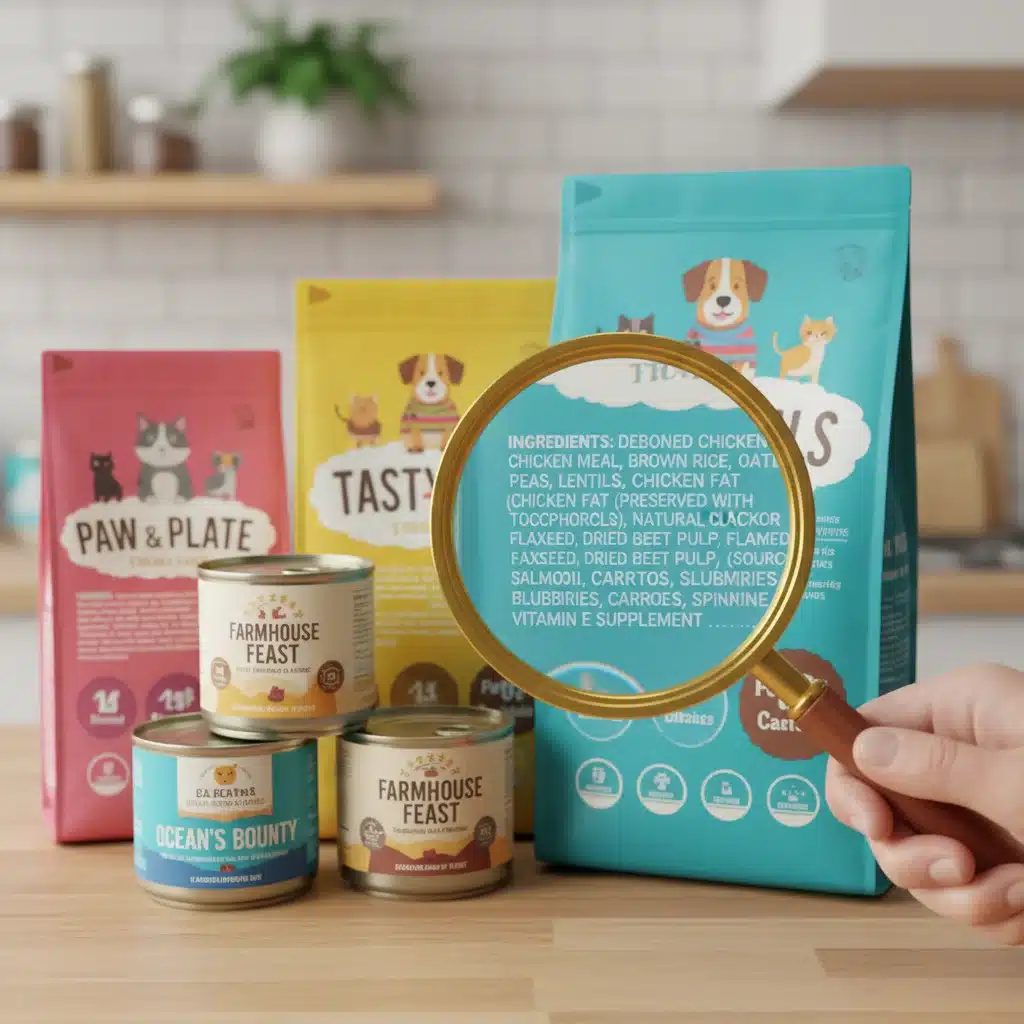
This is arguably the most critical section. Ingredients are listed in descending order by weight, meaning the first few ingredients make up the largest proportion of the food. Here’s what to look for when scrutinizing the ingredient list:
Identifying Quality Ingredients:
- Whole Meats as First Ingredients: Look for specific animal protein sources like ‘chicken,’ ‘beef,’ ‘salmon,’ ‘lamb,’ or ‘turkey’ listed among the first few ingredients. These are preferred over generic terms like ‘meat meal’ or ‘animal by-products’ (though not all by-products are bad, as we’ll discuss).
- Meat Meals: Ingredients like ‘chicken meal,’ ‘beef meal,’ or ‘lamb meal’ are concentrated forms of protein from which most of the water has been removed. This means that gram for gram, a meat meal often contains more actual protein than its whole meat counterpart, which is primarily water. A good quality meat meal can be an excellent protein source.
- Quality Carbohydrates: Look for whole grains like ‘brown rice,’ ‘oats,’ ‘barley,’ or ‘quinoa.’ For grain-free diets, ‘sweet potatoes,’ ‘peas,’ or ‘lentils’ are good alternatives. Avoid foods with excessive amounts of corn, wheat, or soy as primary ingredients, especially if your pet has sensitivities.
- Healthy Fats: Sources like ‘chicken fat,’ ‘salmon oil,’ ‘flaxseed,’ or ‘sunflower oil’ provide essential fatty acids crucial for skin, coat, and overall health.
- Fruits and Vegetables: Ingredients like ‘carrots,’ ‘spinach,’ ‘apples,’ ‘blueberries,’ and ‘cranberries’ provide vitamins, minerals, and antioxidants.
- Probiotics and Prebiotics: Ingredients like ‘chicory root,’ ‘dried fermentation products’ (e.g., Lactobacillus acidophilus), and ‘fructooligosaccharides’ (FOS) support gut health.
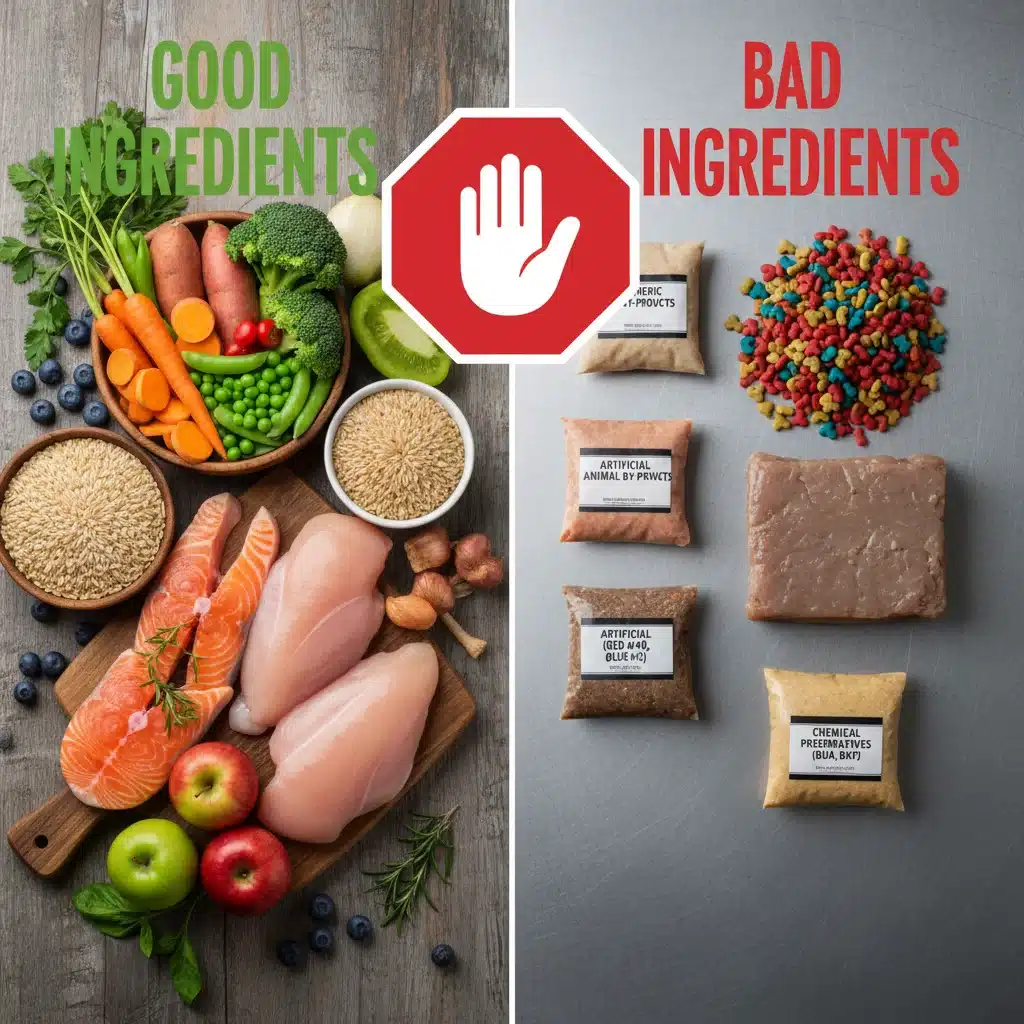
Avoiding Harmful Additives and Questionable Ingredients:
- Generic ‘Meat’ or ‘Animal’ Ingredients: Terms like ‘meat by-products,’ ‘animal fat,’ or ‘meat and bone meal’ are often sourced from rendering plants and can contain a mix of unidentified animal parts, including diseased animals, roadkill, or euthanized pets. While some by-products can be nutritious (e.g., organ meats), the generic terms lack transparency.
- Artificial Colors: Red 40, Blue 2, Yellow 5, and Yellow 6 are often added to make pet food more appealing to human eyes, not for nutritional value. These have been linked to hyperactivity and other health issues in some animals.
- Artificial Preservatives: Butylated Hydroxyanisole (BHA), Butylated Hydroxytoluene (BHT), and Ethoxyquin are chemical preservatives that can be carcinogenic. Look for natural preservatives like ‘mixed tocopherols’ (Vitamin E), ‘ascorbic acid’ (Vitamin C), or ‘rosemary extract.’
- Propylene Glycol: Found in some soft-moist pet foods, it’s a humectant that keeps food moist. While generally recognized as safe for dogs, it’s toxic to cats and has been scrutinized for potential long-term effects.
- Excessive Fillers: Ingredients like ‘corn gluten meal,’ ‘wheat middlings,’ or ‘soybean meal’ are often used to bulk up food and provide cheap protein, but they offer less nutritional value than whole ingredients and can be common allergens.
- Sugar and Sweeteners: Ingredients like ‘corn syrup,’ ‘sucrose,’ or ‘caramel’ add no nutritional benefit and can contribute to obesity and dental problems.
- Menadione (Vitamin K3): This synthetic form of Vitamin K has been controversial due to potential toxicity at high levels. Many reputable pet food brands use natural forms of Vitamin K or avoid adding it altogether.
3. Guaranteed Analysis: The Nutritional Snapshot
The guaranteed analysis provides minimum percentages for crude protein and crude fat, and maximum percentages for crude fiber and moisture. This section helps you compare the nutrient density of different foods, but it’s important to understand what ‘crude’ means – it refers to the analytical method, not the quality of the nutrient itself.
- Crude Protein (Min): Essential for muscle development, enzymes, and hormones. Higher is generally better, but the source of protein matters more than just the percentage.
- Crude Fat (Min): Provides energy, essential fatty acids, and aids in vitamin absorption. The appropriate fat level varies depending on your pet’s age, activity level, and health status.
- Crude Fiber (Max): Important for digestive health. Too little can lead to constipation, too much can reduce nutrient absorption.
- Moisture (Max): Indicates the water content. Higher moisture means lower nutrient density per serving, especially important when comparing wet food to dry kibble. To compare dry matter nutrient levels across different food types, you’ll need to do a simple calculation:
(Nutrient % / (100% - Moisture %)) * 100%.
4. Nutritional Adequacy Statement: AAFCO’s Seal of Approval
This statement is critical as it confirms the food is complete and balanced for a specific life stage, according to AAFCO’s nutrient profiles. Look for one of these phrases:
- ‘Formulated to meet the nutritional levels established by the AAFCO Dog/Cat Food Nutrient Profiles for [Life Stage]’: This means the food has been formulated to meet the specific nutrient requirements for growth, maintenance, all life stages, or gestation/lactation.
- ‘Animal feeding tests using AAFCO procedures substantiate that [Product Name] provides complete and balanced nutrition for [Life Stage]’: This indicates the food has undergone actual feeding trials with animals, which is often considered the gold standard.
If a product label states ‘for intermittent or supplemental feeding only,’ it is not a complete and balanced diet and should not be fed as a sole food source.
5. Feeding Guidelines: How Much to Feed
These are general recommendations based on your pet’s weight. Always start with the recommended amount and adjust based on your pet’s activity level, metabolism, and body condition. It’s easy to overfeed or underfeed if you don’t monitor your pet’s weight and body shape regularly.
6. Manufacturer Information: Who Made It?
The name and contact information of the manufacturer or distributor should be clearly listed. A reputable company will be transparent and provide ways for you to contact them with questions or concerns. Be wary of brands that don’t clearly identify their manufacturer.
Beyond the Basics: Advanced Tips for Evaluating Pet Food
Understanding Ingredient Splits and ‘Ingredient Dumping’
Some manufacturers use a tactic called ‘ingredient splitting’ or ‘ingredient dumping’ to make less desirable ingredients appear lower on the list. For example, instead of listing ‘corn’ as a single ingredient, they might list ‘ground corn,’ ‘corn gluten meal,’ and ‘corn bran’ separately. Individually, these components appear lower on the list, but combined, corn might be the most prevalent ingredient. Always look at the total picture of similar ingredients.
The Importance of Ingredient Sourcing and Quality Control
While the label tells you what is in the food, it doesn’t always tell you where those ingredients come from or the quality control measures in place. Reputable companies are often transparent about their sourcing, manufacturing processes, and quality testing. Don’t hesitate to visit a brand’s website or contact their customer service to ask about these details.
Grain-Free vs. Grains: The Ongoing Debate
The popularity of grain-free diets surged in the past decade, driven by the belief that grains are unnatural for pets or common allergens. However, recent concerns, particularly regarding a potential link between grain-free diets and Dilated Cardiomyopathy (DCM) in dogs, have led to a re-evaluation. While the research is ongoing and complex, it highlights the importance of discussing dietary choices with your veterinarian. Grains themselves are not inherently bad; whole grains can provide valuable nutrients and fiber. The issue often lies in the quality of the ingredients and the overall formulation of the diet.
Raw and Home-Cooked Diets: Considerations
For those considering raw or home-cooked diets, understanding pet food labels is still relevant for any supplements or pre-mixes you might use. It’s even more critical to work with a board-certified veterinary nutritionist to ensure these diets are complete and balanced, as deficiencies or excesses can have severe health consequences.
When to Consult Your Veterinarian
While this guide empowers you to make informed decisions, your veterinarian remains your best resource for personalized advice. Discuss any dietary changes, concerns about ingredients, or specific health conditions your pet may have. They can help you interpret complex labels in the context of your pet’s individual needs.

The Future of Pet Food Labels in 2026 and Beyond
As consumer demand for transparency grows, we can anticipate further evolution in pet food labels. Future labels might include more detailed information on ingredient sourcing, sustainability practices, and even QR codes linking to comprehensive product information and batch-specific test results. The industry is slowly moving towards greater clarity, but educated consumers will always be the driving force behind these changes.
The Role of Technology
In 2026, mobile apps and online databases are becoming increasingly sophisticated, allowing pet owners to scan barcodes or input ingredients to get instant analyses of a food’s quality. These tools can be incredibly helpful but should be used in conjunction with your own critical analysis and veterinary advice.
Conclusion: Empowering Pet Parents with Knowledge
Understanding pet food labels is a fundamental skill for any responsible pet owner. By taking the time to scrutinize ingredient lists, interpret guaranteed analyses, and recognize the significance of nutritional adequacy statements, you gain the power to make the best dietary choices for your furry family members. Remember, a healthy diet is the cornerstone of a long, happy, and vibrant life for your pet. Arm yourself with this knowledge, stay informed about industry developments, and always prioritize transparency and quality when selecting your pet’s food. Your pet will thank you for it!