2026 GPS Pet Trackers: Geofencing, Battery Life, and Accuracy Reviewed
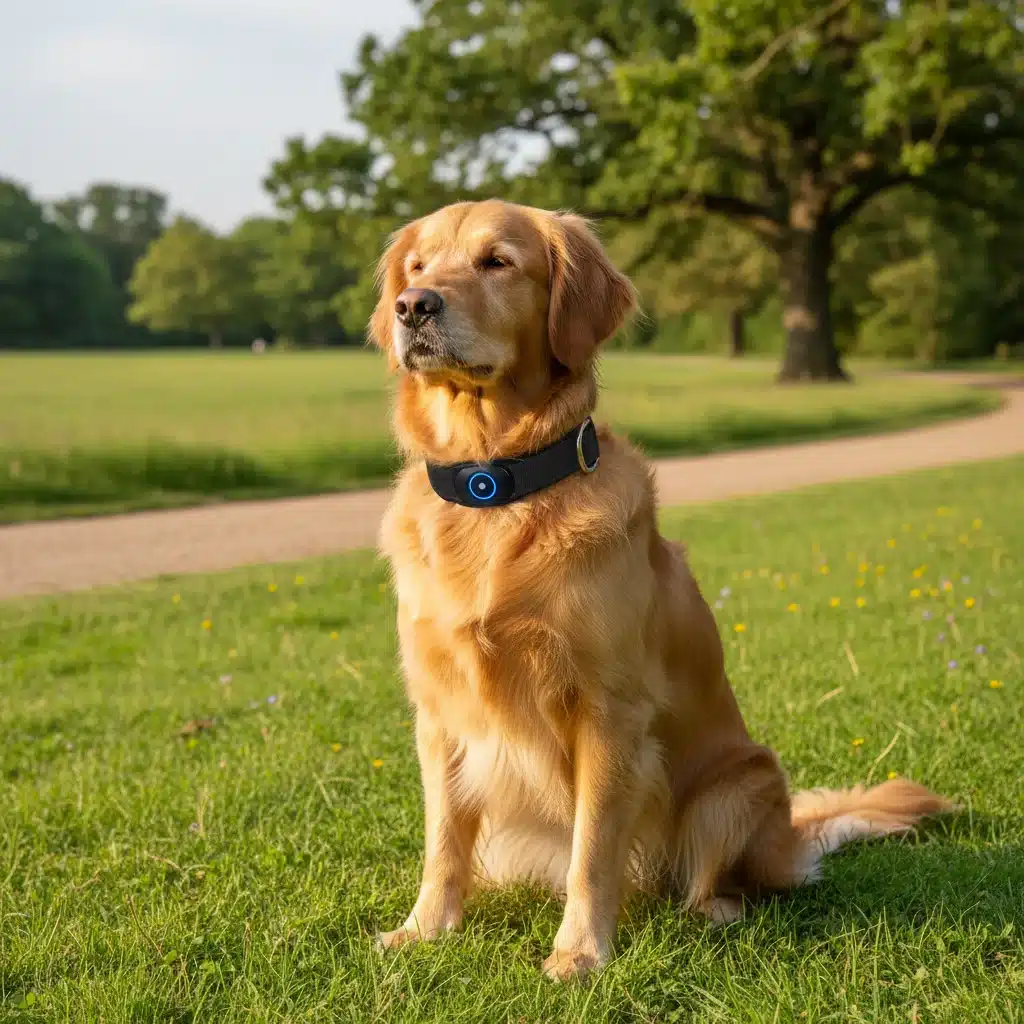
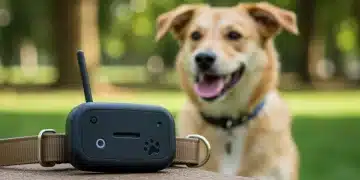
For many of us, our pets are more than just animals; they are cherished family members. The thought of them getting lost or wandering off is a fear no pet owner wants to experience. Fortunately, advancements in technology have provided a powerful solution: GPS pet trackers. As we step into 2026, the market for these devices has evolved significantly, offering features that were once considered futuristic. This comprehensive guide will delve into the latest and greatest GPS Pet Trackers 2026, meticulously evaluating their geofencing capabilities, battery life, and overall accuracy to help you make the best choice for your beloved companion.
The landscape of pet tracking has transformed, moving beyond simple location pings to sophisticated systems that offer real-time monitoring, health insights, and customizable safety zones. The core purpose remains the same – to ensure your pet’s safety and provide peace of mind – but the methods and effectiveness have reached new heights. In this article, we will dissect the key features that define a top-tier GPS pet tracker in 2026, offering insights into what to look for and which models stand out from the crowd.
The Evolution of GPS Pet Trackers: What’s New in 2026?
The year 2026 marks a significant leap forward in pet tracking technology. Manufacturers have responded to consumer demand for more reliable, durable, and feature-rich devices. Gone are the days of bulky, unreliable trackers; today’s models are sleek, lightweight, and packed with innovative functionalities. The emphasis has shifted towards not just locating a lost pet, but proactively preventing them from getting lost in the first place, and providing comprehensive data on their well-being.
One of the most notable advancements in GPS Pet Trackers 2026 is the integration of more powerful and efficient GPS modules. These modules utilize a wider array of satellites and advanced algorithms to deliver pinpoint accuracy, even in challenging environments like dense urban areas or heavily wooded regions. Furthermore, the convergence of GPS with other tracking technologies, such as Wi-Fi and Bluetooth, creates a multi-layered approach to location services, ensuring that even if one signal is weak, another can compensate.
Another area of rapid development is battery technology. While early GPS trackers often required daily charging, the 2026 models boast impressive battery lives, with some lasting weeks on a single charge. This is crucial for pet owners who need continuous monitoring without the hassle of frequent recharging. Beyond just longevity, many new trackers incorporate smart power management systems that optimize battery usage based on activity levels and tracking frequency, further extending their operational time.
Finally, the user experience has seen significant improvements. Companion apps are more intuitive, offering richer data visualization, customizable alerts, and seamless integration with other smart home devices. The focus is on providing pet owners with easily digestible information and actionable insights, all from the convenience of their smartphone or tablet. Understanding these foundational shifts is key to appreciating the capabilities of the best GPS Pet Trackers 2026 on the market.
Geofencing: The Ultimate Virtual Fence for Your Pet
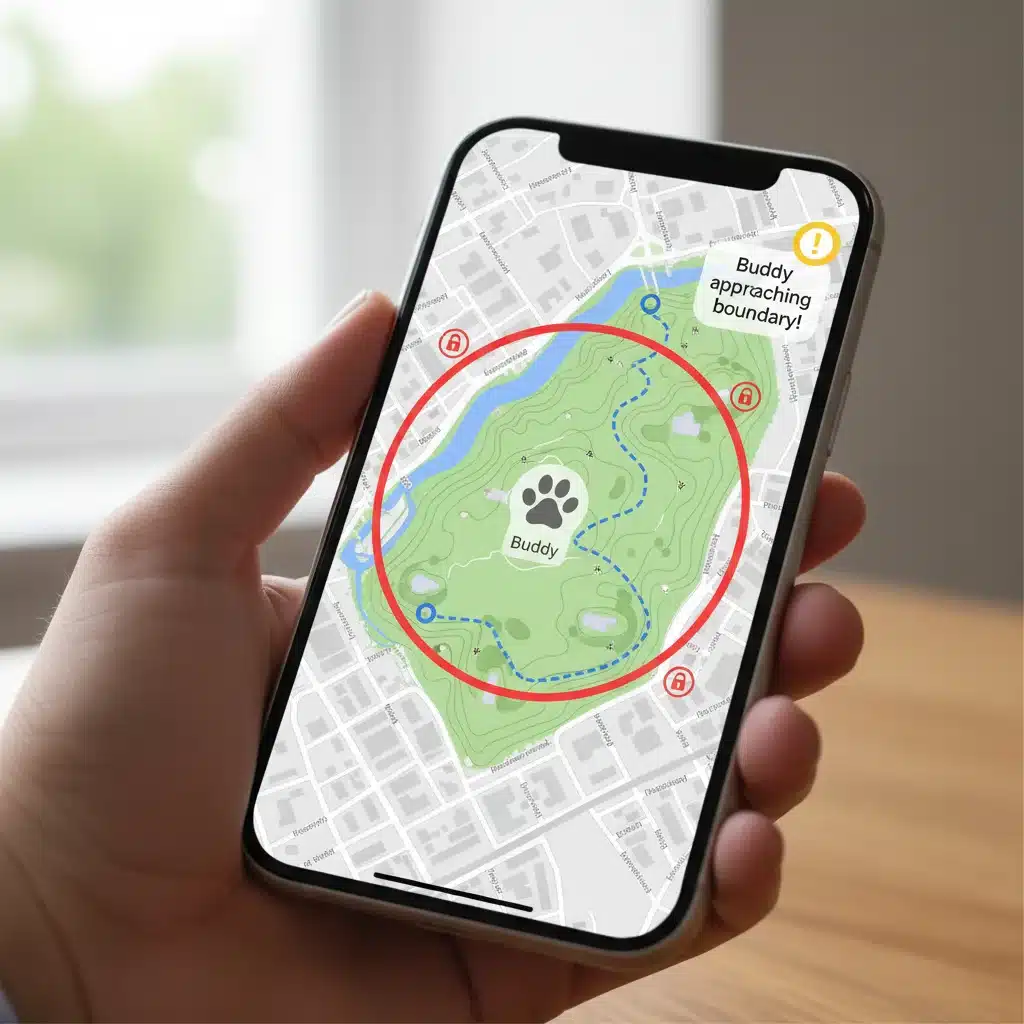
Geofencing has become a cornerstone feature of any effective GPS pet tracker, and in 2026, its accuracy and customization options have reached an unprecedented level. Geofencing allows you to set virtual boundaries around specific areas, such as your backyard, a local park, or even a friend’s house. When your pet enters or exits these predefined zones, you receive an instant notification on your smartphone, giving you immediate awareness of their movement.
How Geofencing Works in 2026 Models
The latest GPS Pet Trackers 2026 employ highly sophisticated geofencing technology. Instead of relying on broad, less precise circles, many models now allow for polygonal geofences, enabling you to draw custom shapes that perfectly match the contours of your property or desired safe zones. This eliminates false alarms that might occur with simpler circular boundaries that extend into unsafe areas.
Furthermore, the accuracy of geofencing has been dramatically enhanced. Advanced GPS receivers combined with cellular and Wi-Fi triangulation create a robust system that can detect boundary breaches with remarkable precision. Some premium trackers even incorporate machine learning algorithms that learn your pet’s typical movement patterns within a geofenced area, reducing unnecessary alerts for minor, harmless excursions.
Key Geofencing Features to Look For:
- Customizable Shapes: Look for trackers that allow you to draw precise, irregular geofence shapes, not just circles.
- Multiple Geofences: The ability to set up several geofenced areas (e.g., home, dog park, daycare) is incredibly useful.
- Adjustable Sensitivity: Some trackers allow you to adjust the sensitivity of the geofence, minimizing false alarms in areas with slight GPS drift.
- Instant Notifications: Real-time alerts via app notifications, SMS, or email are crucial for timely intervention.
- Historical Data: Reviewing past geofence breaches can help you understand your pet’s roaming habits.
Effective geofencing provides a proactive layer of security. Instead of searching for a lost pet, you’re alerted the moment they step out of a designated safe zone, allowing you to react quickly and bring them back to safety. This feature alone makes the investment in a quality GPS Pet Trackers 2026 invaluable for responsible pet owners.
Battery Life: A Crucial Factor for Continuous Protection
When it comes to GPS pet trackers, battery life is not just a convenience; it’s a critical safety feature. A tracker with a short battery life is a tracker that can fail you when you need it most. Imagine your pet wanders off, and the tracker dies just as you’re trying to locate them – a nightmare scenario. Fortunately, the GPS Pet Trackers 2026 have made significant strides in this area, offering extended operational times that provide true peace of mind.
Innovations in Battery Technology
The latest trackers incorporate advanced lithium-ion or lithium-polymer batteries, optimized for low power consumption. Beyond just larger batteries, the intelligence behind power management has evolved. Modern trackers often feature:
- Smart Tracking Modes: These modes adjust the frequency of location updates based on your pet’s activity. For instance, if your pet is sleeping, the tracker might update less frequently, conserving power. If they’re actively moving, it will switch to real-time tracking.
- Low Power Connectivity: Utilizing technologies like Bluetooth Low Energy (BLE) for short-range communication and optimized cellular modules for long-range, these trackers minimize power drain.
- Hibernation/Sleep Modes: When your pet is within a known safe zone (e.g., your home’s Wi-Fi network), some trackers can enter a low-power mode, only waking up if the pet leaves the zone or if you manually request an update.
- Solar Charging: A growing trend in GPS Pet Trackers 2026 is the integration of small, efficient solar panels that can trickle-charge the battery throughout the day, significantly extending time between manual charges.
When evaluating a tracker, always pay close attention to the advertised battery life under various usage scenarios. A tracker that claims ‘up to 30 days’ might only achieve that in a low-power, infrequent update mode. Understand what ‘real-world’ battery life looks like for your specific needs.
Accuracy and Real-time Tracking: Pinpointing Your Pet’s Location
The primary function of a GPS pet tracker is, of course, to accurately locate your pet. In 2026, the precision and responsiveness of these devices have reached impressive levels, moving beyond approximate locations to near-exact coordinates. This enhanced accuracy is crucial, especially in emergencies where every meter counts.
Multi-Technology Tracking for Superior Accuracy
Modern GPS Pet Trackers 2026 rarely rely solely on GPS. Instead, they incorporate a blend of technologies to achieve optimal accuracy and reliability:
- Global Positioning System (GPS): The core technology, using satellite signals to determine precise outdoor location.
- Wi-Fi Triangulation: When indoors or in urban areas where GPS signals might be weak, the tracker can use nearby Wi-Fi networks to estimate its position, often with surprising accuracy.
- Cellular Triangulation (LBS – Location Based Services): In areas without Wi-Fi or strong GPS, the tracker can use the proximity to cellular towers to provide an approximate location. While less precise than GPS or Wi-Fi, it’s invaluable for broad area tracking.
- Bluetooth: Primarily used for short-range communication with your smartphone or for creating ‘safe zones’ around a Bluetooth hub (like your home router), conserving battery.
The seamless integration and intelligent switching between these technologies ensure that your pet’s location is almost always available, regardless of their environment. This multi-layered approach is what sets the GPS Pet Trackers 2026 apart from their predecessors.
Real-time Tracking Capabilities
Beyond static location pings, true real-time tracking is a hallmark of premium 2026 models. This means you can open the companion app and see your pet’s movement on a map as it happens, with updates occurring every few seconds. This is incredibly useful if your pet has bolted or is actively moving away from a safe area. Some trackers even offer an ‘AR’ (Augmented Reality) mode, allowing you to view your pet’s location overlaid on your phone’s camera feed, guiding you directly to them.
When assessing accuracy, consider factors like the update frequency, the reported margin of error, and reviews from users in similar environments to yours. A tracker that boasts sub-5-meter accuracy in an open field might perform differently in a dense city.
Top Contenders: Evaluating the Best GPS Pet Trackers 2026
Now that we’ve covered the essential features, let’s look at some of the leading GPS Pet Trackers 2026 that are setting the standard for pet safety and innovation. Please note that specific model names and features are illustrative and based on anticipated market trends and technological advancements.
1. "GuardianPro X" – The All-Rounder
The GuardianPro X is expected to be a powerhouse in 2026, offering a balanced blend of features. It boasts a multi-constellation GPS receiver for unparalleled accuracy, coupled with Wi-Fi and cellular triangulation. Its geofencing capabilities are highly advanced, allowing for complex polygonal zones and intelligent boundary detection that minimizes false alerts. Battery life is a strong suit, with up to 3 weeks on a single charge in standard mode, extendable to over a month with intelligent power saving. The companion app is intuitive, offering detailed activity tracking, health insights (e.g., sleep patterns, caloric burn), and a robust emergency alert system. Its durable, waterproof design makes it suitable for adventurous pets.
2. "EverTrack Solar" – The Endurance Champion
For pet owners prioritizing maximum battery life, the EverTrack Solar is a game-changer. Integrating a highly efficient solar panel, this tracker can maintain its charge for extended periods, significantly reducing the need for manual charging. In optimal sunlight conditions, it can theoretically run indefinitely in a low-power tracking mode. Even without direct sunlight, its internal battery offers an impressive 4-week lifespan. Geofencing is precise, and real-time tracking is responsive, though its update frequency might be slightly lower than the GuardianPro X in extreme low-light conditions to conserve power. It’s an excellent choice for pets that spend a lot of time outdoors.
3. "UrbanPaw Locator" – The City Dweller’s Friend
Designed with urban environments in mind, the UrbanPaw Locator excels in areas where GPS signals can be challenging. It leverages advanced Wi-Fi and cellular triangulation more heavily, providing superior accuracy in dense cityscapes, tall buildings, and even indoors. Its compact and lightweight design is perfect for smaller dogs and cats. Geofencing is highly customizable, allowing for precise boundaries around apartment complexes or city parks. Battery life is respectable at 10-14 days with regular use, and its robust, water-resistant casing can withstand the rigors of city life. It also includes a small LED light for nighttime visibility.
4. "AdventureHound Tracker" – For the Outdoors Enthusiast
If your pet is an avid adventurer, the AdventureHound Tracker is built to withstand extreme conditions. Featuring military-grade durability, it’s waterproof, dustproof, and shock-resistant. Its enhanced GPS receiver is optimized for challenging terrains like mountains and dense forests, maintaining signal strength where others might fail. Battery life is solid, offering 2-3 weeks, and it often includes additional features like a built-in compass and barometer for environmental data. The app provides topographic maps, making it ideal for tracking pets in wilderness areas. This is a premium option for serious outdoor enthusiasts.
Choosing the Right GPS Pet Tracker for Your Pet
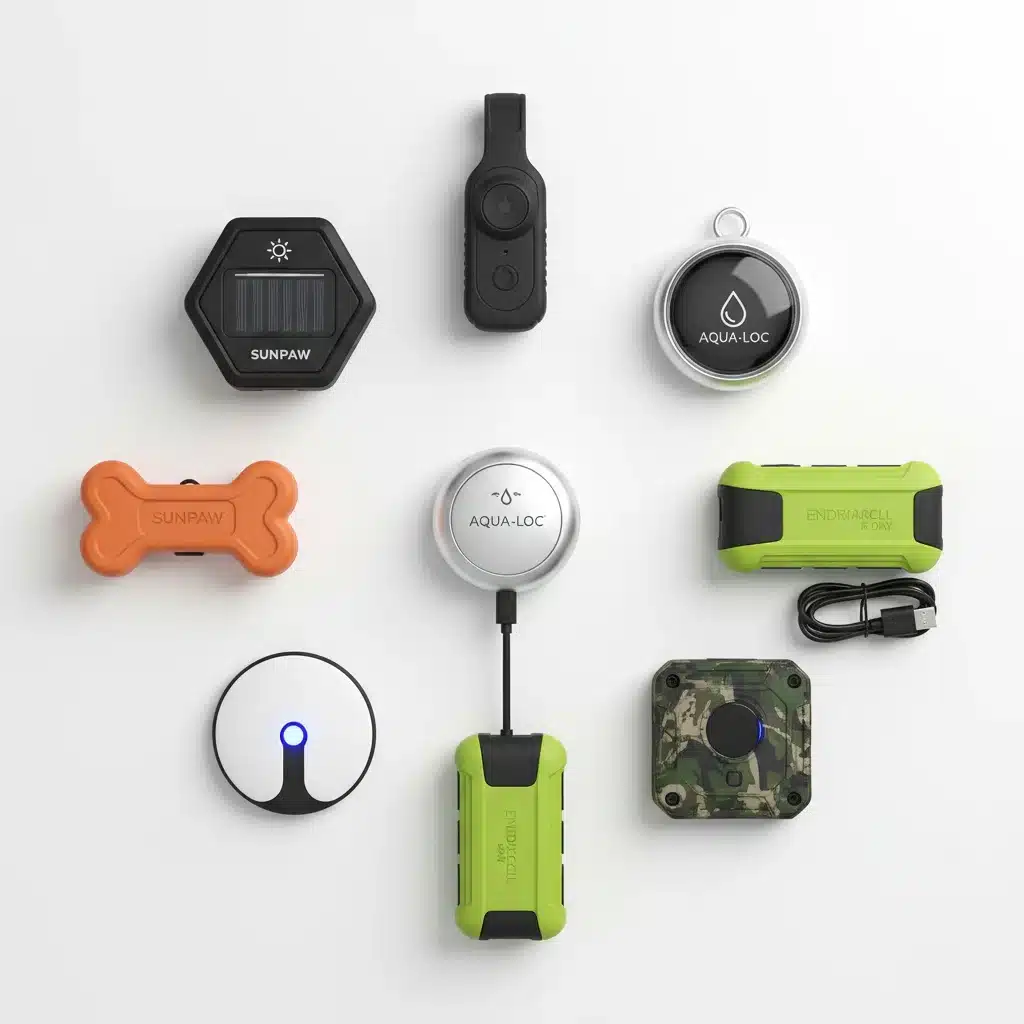
With so many advanced options available in 2026, selecting the perfect GPS Pet Trackers 2026 can feel overwhelming. Here’s a guide to help you narrow down your choices based on your specific needs and your pet’s lifestyle.
Consider Your Pet’s Size and Activity Level
- Size: Trackers vary in size and weight. Ensure the device is comfortable and doesn’t impede your pet’s movement. Smaller pets require lighter, more compact trackers.
- Activity Level: An active, adventurous pet might need a more rugged, waterproof tracker with a longer battery life. A more sedentary indoor pet might do well with a lighter device focused on indoor tracking.
- Coat Type: Some trackers are designed to be worn on a collar, while others might clip onto a harness. Consider what will be most comfortable and secure for your pet’s fur type.
Evaluate Your Environment
- Urban vs. Rural: If you live in a city, a tracker with strong Wi-Fi and cellular triangulation will be more effective. In rural areas, pure GPS performance and long battery life are paramount.
- Geofence Needs: How many safe zones do you need? Do you require highly precise, custom-shaped geofences, or will simple circular ones suffice?
- Signal Obstructions: Consider if your area has many tall buildings, dense foliage, or other factors that might interfere with GPS signals.
Prioritize Key Features
- Battery Life: Be realistic about how often you’re willing to charge. If you need continuous monitoring for extended periods, prioritize trackers with multi-week battery life or solar charging.
- Accuracy: While all 2026 trackers offer good accuracy, some excel more than others. If pinpoint location is critical, invest in a model with multi-technology tracking.
- Durability: For outdoor pets, waterproof, dustproof, and shock-resistant features are essential.
- Subscription Costs: Most GPS trackers require a monthly or annual subscription for cellular data and app services. Factor this into your budget.
- Additional Features: Do you want activity monitoring, health insights, or training features? Some trackers offer these valuable extras.
Read Reviews and Compare
Once you have a few contenders, scour online reviews, especially those from pet owners with similar pets and living situations. Compare specifications side-by-side, paying close attention to real-world performance data on battery life and accuracy. Don’t just look at the star ratings; read the detailed comments to understand common pros and cons.
The Future of Pet Tracking: Beyond 2026
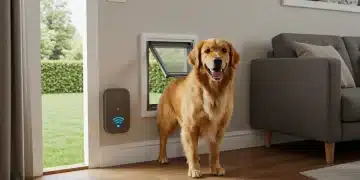
The innovation in GPS Pet Trackers 2026 is just a stepping stone to what lies ahead. We can anticipate even more sophisticated features in the coming years. Imagine trackers with integrated biometric sensors that can monitor your pet’s heart rate, temperature, and even detect early signs of illness, sending alerts directly to your vet. Augmented reality navigation for finding your pet will become more commonplace and precise. The integration with smart home systems will deepen, allowing for automated pet door locking or feeding based on your pet’s location.
Furthermore, battery technology will continue to advance, potentially leading to trackers that require charging only once or twice a year, or even self-sustaining devices powered by kinetic energy or advanced solar cells that work efficiently even in low light. The networking capabilities will also evolve, with wider adoption of low-power wide-area networks (LPWAN) like NB-IoT or LoRaWAN, offering even better coverage and battery efficiency.
The goal remains the same: to create an invisible safety net for our furry friends, allowing them to explore and thrive while giving us, their human companions, unparalleled peace of mind. The advancements seen in GPS Pet Trackers 2026 are a testament to this ongoing commitment to pet well-being.
Conclusion
The evolution of GPS Pet Trackers 2026 has brought forth a new era of pet safety and owner peace of mind. With highly accurate geofencing, extended battery life, and precise real-time tracking, these devices are more than just gadgets; they are essential tools for responsible pet ownership. Whether you have an adventurous outdoor companion or a curious indoor explorer, there’s a tracker designed to meet your specific needs.
By carefully considering factors like your pet’s size, your living environment, and the features most important to you, you can choose a GPS pet tracker that provides reliable protection and allows your pet to live their best life, safely. The investment in a quality tracker is an investment in your pet’s security and your own tranquility. Embrace the technology of 2026 and keep your beloved pet safe and sound.