Best Pet Water Fountains 2026: Filtration, Noise, and Optimal Hydration
As pet owners, we constantly strive to provide the absolute best for our furry companions. From nutritious food to comfortable bedding, every choice we make impacts their health and happiness. One often- overlooked yet critical aspect of pet care is hydration. Just like humans, pets need consistent access to fresh, clean water to thrive. This is where pet water fountains come into play, offering a superior alternative to traditional water bowls. For 2026, the market is brimming with innovative designs, advanced filtration systems, and whisper-quiet operation, making the decision of choosing the best pet fountains more intricate than ever. This comprehensive guide will delve deep into what makes a pet water fountain truly exceptional, focusing on key features like filtration, noise levels, material quality, and overall design, to help you make an informed decision for your beloved pets.
The Crucial Role of Hydration in Pet Health
Before we dive into the specifics of various pet water fountains, let’s reiterate why proper hydration is paramount for your pets. Water constitutes a significant portion of an animal’s body weight and is essential for nearly all bodily functions. It aids in digestion, nutrient absorption, temperature regulation, joint lubrication, and waste elimination. Dehydration, even mild, can lead to a range of health issues, including lethargy, loss of appetite, and more severe conditions like kidney disease or urinary tract infections. Cats, in particular, are known for their low thirst drive and often benefit immensely from flowing water, which mimics natural sources and entices them to drink more. Dogs, especially active ones, also require ample hydration to maintain energy levels and support organ function. Investing in one of the best pet fountains is a proactive step towards ensuring your pet’s long-term health and vitality.
Why Choose a Pet Water Fountain Over a Bowl?
While a regular water bowl might seem sufficient, pet water fountains offer several distinct advantages:
- Increased Water Intake: The gentle flow and aeration of a fountain naturally attract pets, especially cats, who are often intrigued by moving water. This increased appeal encourages them to drink more frequently, leading to better hydration.
- Improved Water Quality: Most modern pet fountains come equipped with advanced filtration systems that remove impurities, odors, and tastes from the water. This results in fresher, cleaner, and better-tasting water, which further encourages consumption.
- Reduced Bacterial Growth: Stagnant water in a bowl can quickly become a breeding ground for bacteria and algae. Fountains, with their continuous circulation and filtration, significantly reduce the growth of these harmful microorganisms.
- Constant Freshness: The circulating water is constantly oxygenated, keeping it fresh and appealing for longer periods compared to still water in a bowl.
- Convenience for Owners: Many fountains have larger capacities, meaning fewer refills throughout the day, which is a significant advantage for busy pet owners.
Key Features to Consider When Selecting the Best Pet Fountains in 2026
The market for pet water fountains has evolved considerably, offering a plethora of options. To truly identify the best pet fountains for your needs, consider the following critical features:
1. Filtration Systems: The Heart of Clean Water
The efficacy of a pet water fountain largely hinges on its filtration system. In 2026, expect to see even more sophisticated multi-stage filtration. Here’s what to look for:
- Mechanical Filtration: This is the initial stage, typically involving a foam or mesh filter. Its primary role is to trap larger particles such as pet hair, food debris, and sediment, preventing them from clogging the pump and ensuring the water remains visibly clean. A good mechanical filter is crucial for the longevity of the fountain and the overall cleanliness of the water.
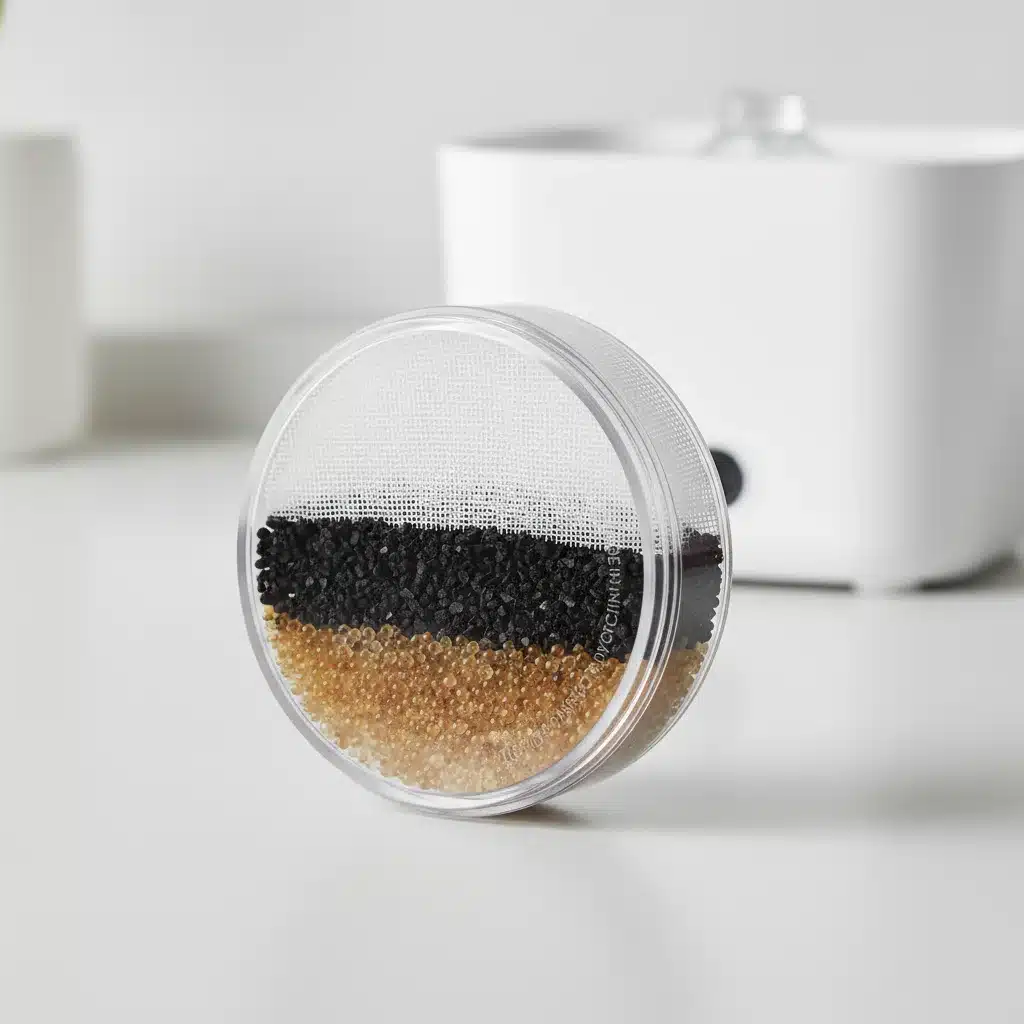
- Activated Carbon Filtration: This is arguably the most vital component. Activated carbon filters work by adsorbing impurities, odors, and bad tastes from the water. They effectively remove chlorine, heavy metals, volatile organic compounds (VOCs), and other contaminants that can make water unappealing or even harmful to pets. High-quality carbon filters ensure the water tastes and smells fresh, making it much more enticing for your pets to drink.
- Ion-Exchange Resin Filtration: Some advanced fountains incorporate ion-exchange resin. This specialized filter helps to soften hard water by removing magnesium and calcium ions, which can contribute to urinary tract issues in pets. Softened water can also be more palatable and gentle on your pet’s system.
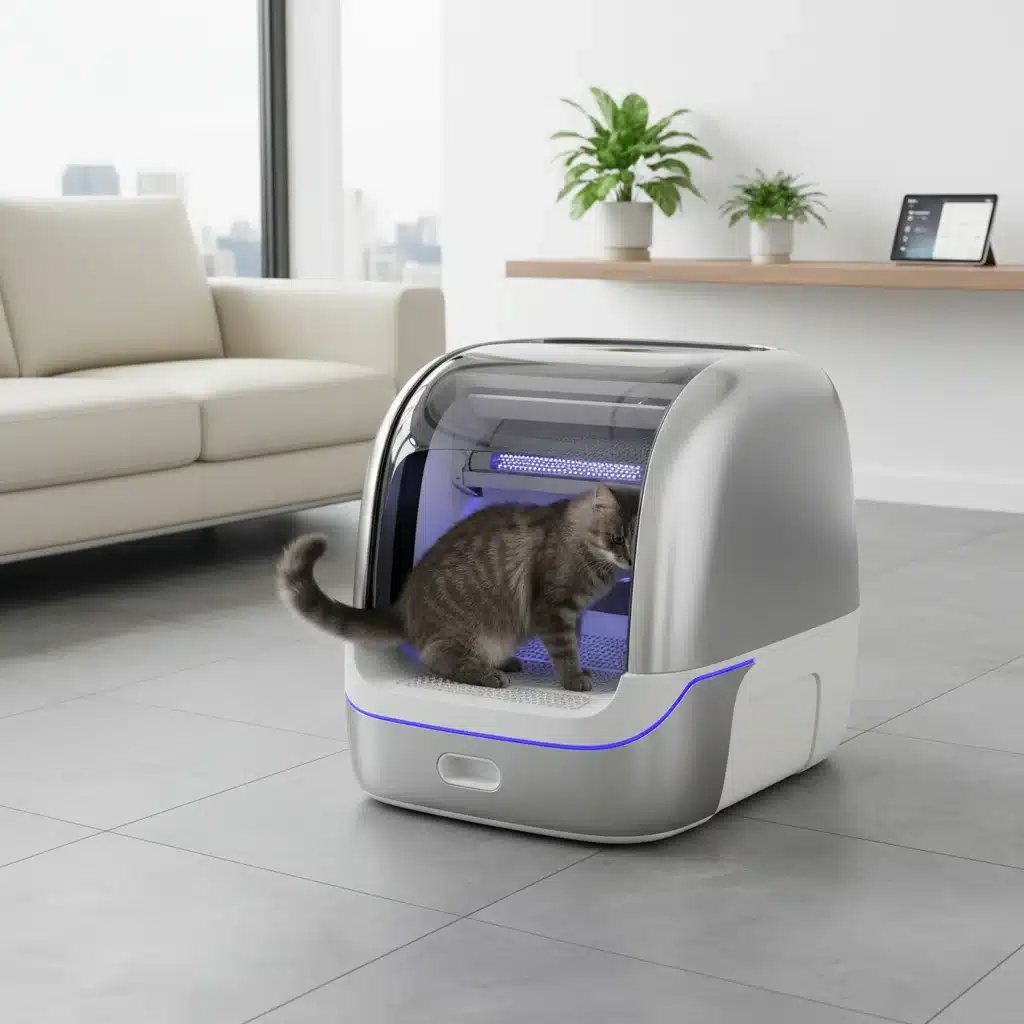
- UV Sterilization (Emerging Technology): While not yet standard, some high-end best pet fountains are beginning to integrate UV-C light sterilization. This technology effectively kills bacteria, viruses, and other pathogens, providing an extra layer of purification and hygiene. This is particularly beneficial in multi-pet households or for pets with compromised immune systems.
- Filter Replacement Frequency and Cost: Always check how frequently filters need to be replaced (typically every 2-4 weeks) and the cost of replacement filters. Factor this into the overall running cost of the fountain. Easy access to replacement filters is also a plus.
2. Noise Levels: A Silent Hydrator is a Happy Hydrator
No one wants a perpetually gurgling or humming appliance in their home, especially not one designed for relaxation and well-being. Pet water fountains have made significant strides in reducing noise levels. When evaluating the best pet fountains, consider:
- Pump Quality: The pump is the primary source of noise. Look for fountains that explicitly mention a ‘submersible pump,’ ‘ultra-quiet pump,’ or ‘low-decibel operation.’ Ceramic bearings in pumps can also contribute to quieter operation and longer lifespan.
- Water Flow Design: The way water flows and falls back into the reservoir can also create noise. Fountains with gentle cascades, multiple streams, or bubbler designs tend to be quieter than those with a single, forceful stream. Some designs minimize splashing, which also reduces noise.
- Material and Construction: The material of the fountain can affect how sound resonates. Stainless steel and ceramic fountains tend to be quieter than plastic ones, as they absorb vibrations more effectively. A sturdy, well-constructed fountain will also vibrate less.
- User Reviews: Always check user reviews for comments on noise levels. Real-world experiences are invaluable in determining how quiet a fountain truly is in a home environment.
3. Material and Durability: Built to Last and Easy to Clean
The material of your pet water fountain directly impacts its durability, hygiene, and ease of maintenance. The most common materials include:
- Plastic: Often the most affordable option, plastic fountains are lightweight and come in a wide variety of designs. However, choose food-grade, BPA-free plastic to ensure safety. Plastic can be prone to scratching, which can harbor bacteria over time, so regular cleaning is essential.
- Stainless Steel: Highly durable, hygienic, and easy to clean, stainless steel is an excellent choice. It’s rust-resistant, doesn’t harbor bacteria easily, and is less likely to scratch. Stainless steel fountains often have a sleek, modern aesthetic. They might be a bit pricier but offer superior longevity and hygiene.
- Ceramic: Ceramic fountains are heavy, sturdy, and aesthetically pleasing. They are very easy to clean, don’t scratch easily, and are naturally resistant to bacterial growth. However, they can be fragile and prone to chipping or breaking if dropped. They are also typically more expensive.
- Silicone (Components): Some fountains incorporate silicone parts for seals or tubing, which are flexible, durable, and easy to clean.
Regardless of the material, ensure the fountain is easy to disassemble and clean. Dishwasher-safe components are a huge plus for convenience.
4. Capacity and Size: Matching Your Pet’s Needs
Consider the size and number of your pets when selecting a fountain’s capacity:
- Small Pets/Single Pet: A capacity of 1-2 liters might be sufficient for a single cat or small dog.
- Medium to Large Pets/Multiple Pets: For larger breeds or multi-pet households, a fountain with a capacity of 3-6 liters or more is recommended to ensure constant access to water without frequent refills.
- Footprint: Consider the physical size of the fountain and where you plan to place it. Ensure it fits comfortably without being a tripping hazard.
5. Design and Aesthetics: Blending with Your Home
While functionality is key, the appearance of the fountain matters too. Many modern best pet fountains are designed to blend seamlessly with home decor, offering sleek lines, natural colors, and unobtrusive forms. Consider the overall aesthetic and choose a design that you find appealing and that complements your living space.
6. Additional Features: Enhancing the Experience
- Water Level Indicator: A clear window or sensor that shows the water level is incredibly useful, allowing you to know when it’s time for a refill at a glance.
- LED Nightlight: Some fountains include a soft LED light, which can be helpful for pets to locate the fountain in the dark and adds a pleasant ambiance.
- Flow Control: Adjustable water flow settings allow you to customize the stream to your pet’s preference, from a gentle trickle to a more robust flow.
- Wireless/Smart Features: Emerging in 2026, some high-tech fountains might offer app connectivity for monitoring water levels, filter life, or even controlling flow remotely.
- Power Source: Most fountains are plug-in electric. Ensure the cord length is adequate for your chosen placement and consider safety features like chew-resistant cords if your pet is prone to gnawing.
Top Contenders for the Best Pet Fountains in 2026 (Hypothetical Examples)
Based on the criteria above, here are some hypothetical examples of what you might expect from the best pet fountains in 2026:
1. The “AquaStream Pro Max” (Premium Choice)
- Filtration: 5-stage filtration (mechanical, activated carbon, ion-exchange resin, UV-C sterilization, and a pre-filter for pump protection).
- Noise Level: Ultra-quiet, ceramic-bearing submersible pump (less than 20dB), with a multi-directional laminar flow design that minimizes splashing and gurgling.
- Material: Food-grade 304 stainless steel with a ceramic drinking surface.
- Capacity: 4.5 Liters.
- Special Features: Smart app connectivity for water level alerts and filter replacement reminders, integrated LED nightlight, adjustable flow control, and a chew-resistant braided power cord.
- Ideal For: Multi-pet households, large dogs, or owners seeking the absolute best in hygiene and smart features.
2. The “WhisperFlow Ceramic” (Balanced Performance)
- Filtration: 3-stage filtration (mechanical foam, activated carbon, and ion-exchange resin).
- Noise Level: Exceptionally quiet pump with a gentle bubbling and cascading water design (around 25dB).
- Material: High-quality, durable ceramic.
- Capacity: 2.5 Liters.
- Special Features: Elegant, minimalist design, easy-to-clean dishwasher-safe components, and a visible water level window.
- Ideal For: Cats and small to medium dogs, owners who prioritize aesthetics and quiet operation without needing smart features.
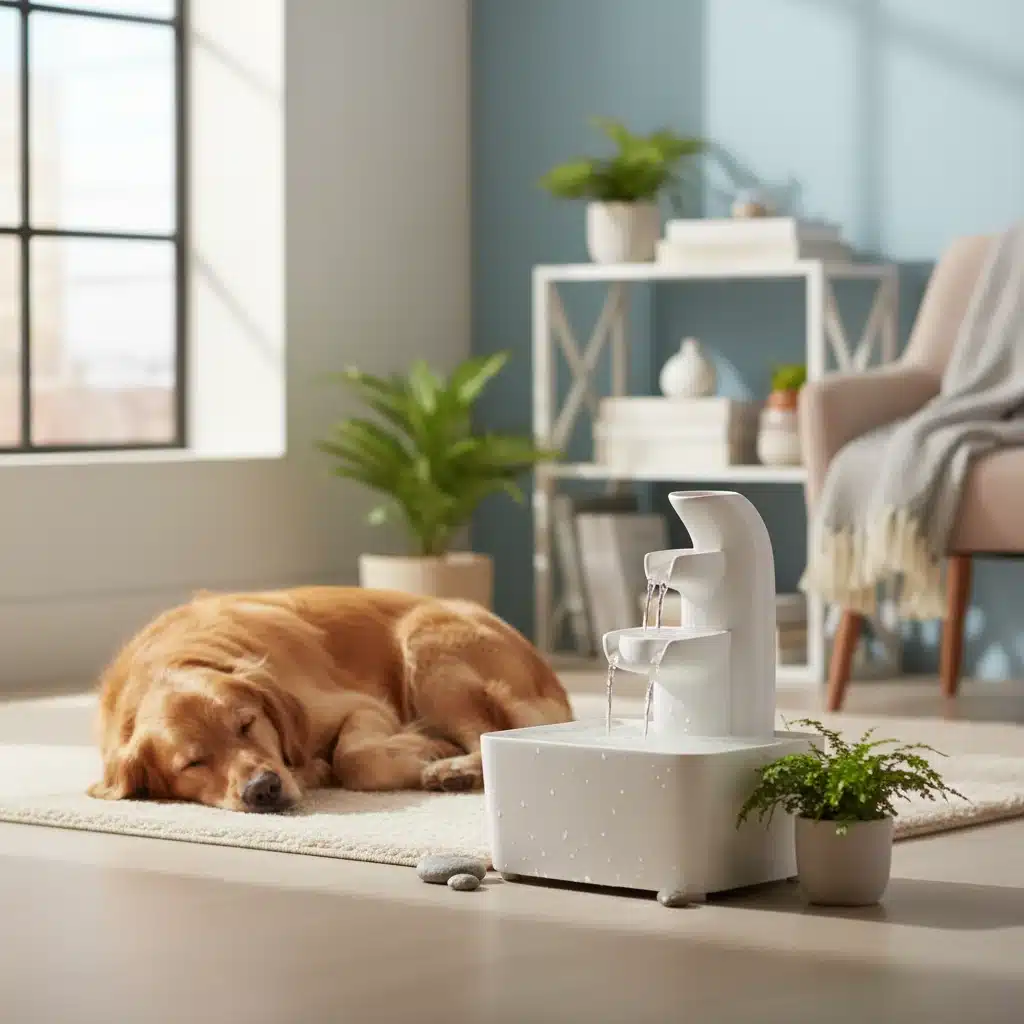
3. The “EverFresh Compact” (Budget-Friendly & Efficient)
- Filtration: 2-stage filtration (mechanical sponge and activated carbon).
- Noise Level: Low noise submersible pump (around 30dB) with a gentle waterfall stream.
- Material: BPA-free, food-grade ABS plastic.
- Capacity: 1.8 Liters.
- Special Features: Compact design, easy to assemble and clean, and a transparent reservoir for quick water level checks.
- Ideal For: Single cats or small dogs, owners looking for an affordable yet effective entry-level pet fountain.
Maintenance Tips for Your Pet Water Fountain
Even the best pet fountains require regular maintenance to function optimally and provide clean water. Here are some essential tips:
- Clean Regularly: Disassemble and clean all parts of the fountain at least once a week. Use warm, soapy water and a brush to remove any slime, debris, or mineral buildup. For ceramic or stainless steel, you can often use a dishwasher.
- Replace Filters: Adhere to the manufacturer’s recommendations for filter replacement, typically every 2-4 weeks. Neglecting this will compromise water quality.
- Clean the Pump: The pump is crucial. Once a month, take the pump apart (if possible) and clean any hair or debris that might be caught in the impeller. This prevents clogs and ensures quiet, efficient operation.
- Monitor Water Levels: Always ensure the water level is above the minimum mark to prevent the pump from running dry, which can damage it and create noise.
- Check for Mineral Buildup: If you have hard water, mineral deposits can accumulate. Use a descaling solution (like vinegar diluted in water) periodically to remove these.
Addressing Common Concerns
My pet won’t drink from the fountain. What can I do?
Patience is key! Some pets are wary of new things. Try these tips:
- Introduce Gradually: Place the fountain next to their old water bowl for a few days.
- Turn Off Initially: Let them get used to the fountain as a stationary bowl before turning it on.
- Different Flow Settings: Experiment with different flow rates if your fountain has them. Some pets prefer a gentle trickle, others a stronger stream.
- Treats and Positive Reinforcement: Reward them for approaching or sniffing the fountain.
- Consider Placement: Place it in a quiet, accessible area where they feel safe.
Why is my fountain getting noisy?
Increased noise usually indicates a problem:
- Low Water Level: The most common cause. Refill the fountain immediately.
- Dirty Pump: Hair or debris can clog the pump’s impeller. Clean the pump thoroughly.
- Mineral Buildup: Hard water can cause mineral deposits on the pump or moving parts. Descale the fountain.
- Worn-out Pump: If the pump is old, it might be reaching the end of its life. Replacement pumps are usually available from the manufacturer.
The Future of Pet Hydration: Innovations to Watch
Looking beyond 2026, the pet hydration market is likely to see further advancements:
- Smarter Integration: Even more sophisticated smart features, including AI-driven monitoring of pet drinking habits and personalized hydration recommendations.
- Sustainable Materials: A greater emphasis on eco-friendly and biodegradable materials for fountains and filters.
- Enhanced Sterilization: More widespread adoption of UV-C or other advanced sterilization techniques to ensure pathogen-free water.
- Modular Designs: Fountains with interchangeable components, allowing for easier upgrades and customization.
- Portable Options: More robust and efficient portable pet fountains for travel and outdoor activities.
Conclusion: Investing in Your Pet’s Well-being with the Best Pet Fountains
Choosing the best pet fountains for your furry friend is more than just buying an accessory; it’s an investment in their health, happiness, and longevity. By prioritizing advanced filtration, whisper-quiet operation, durable materials, and thoughtful design, you can ensure your pet has constant access to fresh, clean, and enticing water. Remember to consider your pet’s specific needs, your household dynamics, and your budget when making your final decision. With the innovations available in 2026, providing optimal hydration for your pets has never been easier or more effective. Keep these factors in mind, and you’ll be well on your way to selecting a fountain that both you and your pet will love for years to come.