Decoding Cat Bloodwork: 5 Key Indicators Veterinarians Prioritize in 2026
Decoding Your Cat’s Bloodwork: 5 Key Indicators Veterinarians Prioritize in 2026
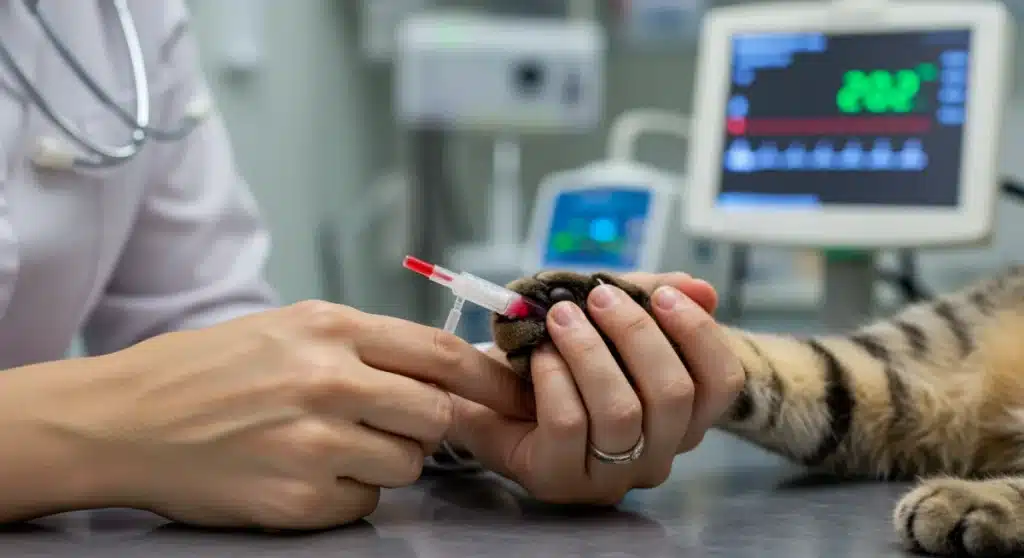
As devoted cat parents, we all want the best for our feline companions. Their purrs, playful antics, and comforting presence enrich our lives immeasurably. But unlike us, our cats can’t tell us when they’re feeling unwell. This is where the crucial role of veterinary diagnostics, particularly bloodwork, comes into play. Understanding your cat’s bloodwork is akin to receiving a detailed report on their internal health, offering insights that are often invisible to the naked eye. In 2026, with advancements in veterinary medicine, the focus on specific cat bloodwork indicators has become even more refined, allowing for earlier detection and more effective treatment of potential health issues.
This comprehensive guide will walk you through the five most important cat bloodwork indicators that veterinarians prioritize. We’ll delve into what each indicator signifies, why it’s important, and what abnormal results might suggest. By the end of this article, you’ll feel more empowered and informed during your next veterinary visit, ready to engage in meaningful discussions about your cat’s health. Let’s embark on this journey to decode the secrets held within your cat’s blood.
The Foundation: Why Cat Bloodwork is Essential for Feline Health
Before we dive into the specific indicators, it’s vital to understand the overarching importance of regular blood tests for your cat. Bloodwork serves as a powerful diagnostic tool, providing a snapshot of your cat’s physiological state. It can reveal a myriad of conditions, from infections and inflammation to organ dysfunction and metabolic disorders, often long before clinical signs become apparent. Early detection through these cat bloodwork indicators significantly improves the prognosis for many diseases, leading to more successful outcomes and a better quality of life for your beloved pet.
Routine blood tests are particularly crucial for:
- Preventive Care: Establishing baseline values when your cat is healthy allows your vet to easily identify deviations in future tests.
- Monitoring Chronic Conditions: For cats with ongoing health issues like kidney disease or diabetes, regular bloodwork helps track disease progression and assess the effectiveness of treatment plans.
- Pre-surgical Screening: Ensuring your cat is healthy enough for anesthesia and surgery minimizes risks.
- Diagnosing Illness: When your cat exhibits symptoms of illness, blood tests can pinpoint the underlying cause.
- Senior Cat Care: Older cats are more susceptible to age-related diseases, making routine bloodwork an invaluable tool for early intervention.
In 2026, the integration of advanced laboratory techniques and data analysis means that veterinary professionals can glean even more precise and actionable information from these tests. This enhanced capability underscores the necessity of understanding the key cat bloodwork indicators.
Indicator 1: Complete Blood Count (CBC) – The Body’s Cellular Census
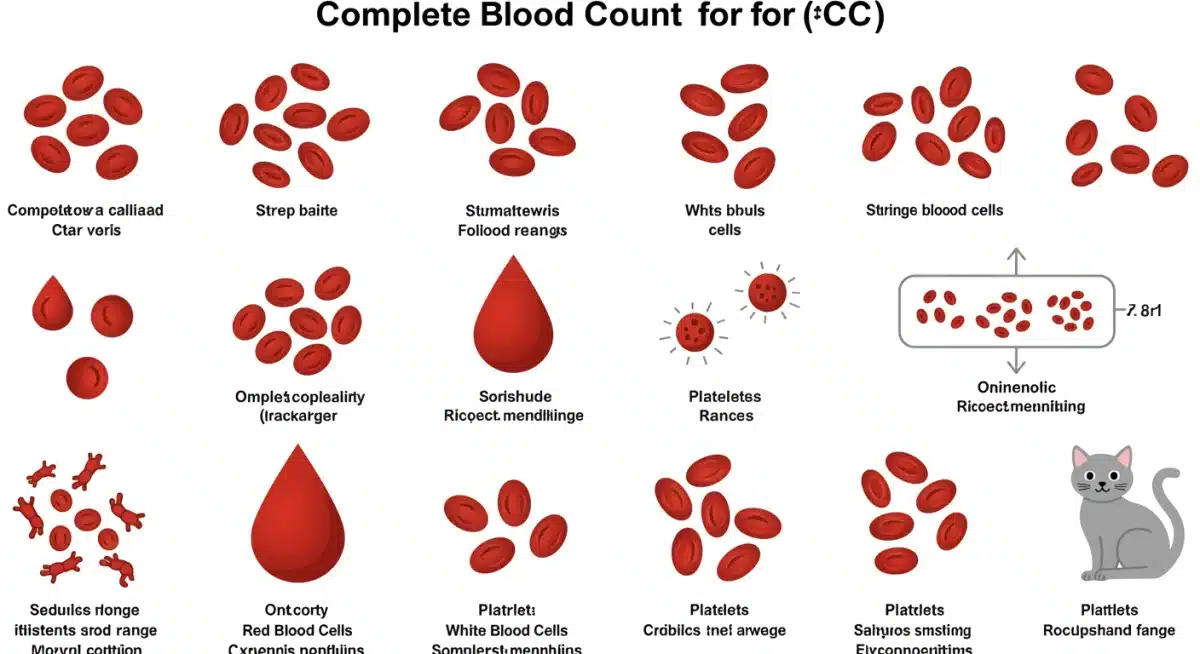
The Complete Blood Count, or CBC, is often the first and most fundamental test performed. It provides a detailed look at the different types of cells circulating in your cat’s blood: red blood cells, white blood cells, and platelets. Each component offers vital clues about your cat’s overall health and immune system function.
Red Blood Cells (RBCs) and Hemoglobin
Red blood cells are responsible for carrying oxygen from the lungs to the rest of the body. Hemoglobin is the protein within RBCs that binds to oxygen. Key metrics include:
- Red Blood Cell Count (RBC): The total number of red blood cells.
- Hemoglobin (HGB): The amount of oxygen-carrying protein in the blood.
- Hematocrit (HCT) or Packed Cell Volume (PCV): The percentage of blood volume occupied by red blood cells.
What they indicate:
- Low levels (Anemia): Can suggest blood loss, nutritional deficiencies, bone marrow disorders, chronic kidney disease, or parasitic infections. Symptoms might include lethargy, pale gums, and weakness.
- High levels (Polycythemia): Less common, but can indicate dehydration, certain heart conditions, or rare bone marrow disorders.
White Blood Cells (WBCs)
White blood cells are the warriors of the immune system, defending the body against infection and disease. The CBC breaks down WBCs into several types:
- Neutrophils: Primarily fight bacterial infections and inflammation.
- Lymphocytes: Involved in immune responses, fighting viral infections and certain cancers.
- Monocytes: Phagocytic cells that clean up cellular debris and fight chronic infections.
- Eosinophils: Associated with allergic reactions and parasitic infections.
- Basophils: Involved in allergic reactions, though less common.
What they indicate:
- Elevated WBCs (Leukocytosis): Often points to an infection (bacterial, viral, fungal), inflammation, stress, or certain types of cancer. The specific type of elevated WBC helps narrow down the cause.
- Low WBCs (Leukopenia): Can be a sign of severe infection (where the body’s reserves are depleted), viral infections (like feline panleukopenia or FIV), bone marrow suppression, or certain medications.
Platelets
Platelets are tiny cell fragments crucial for blood clotting and stopping bleeding.
What they indicate:
- Low Platelets (Thrombocytopenia): Can lead to excessive bleeding or bruising. Causes include autoimmune diseases, certain infections, bone marrow disorders, or exposure to toxins.
- High Platelets (Thrombocytosis): Less common, but can be a reaction to inflammation, infection, or certain cancers.
Understanding these cat bloodwork indicators within the CBC provides a holistic view of your cat’s immediate health and immune status.
Indicator 2: Kidney Function Tests – The Body’s Filtration System
The kidneys are vital organs responsible for filtering waste products from the blood and maintaining fluid and electrolyte balance. Kidney disease is unfortunately common in cats, especially as they age. Blood tests are critical for early detection, which can significantly slow disease progression. The primary cat bloodwork indicators for kidney function are BUN, Creatinine, and SDMA.
Blood Urea Nitrogen (BUN)
BUN is a waste product of protein metabolism, filtered by the kidneys.
What it indicates:
- Elevated BUN: Can suggest kidney dysfunction, dehydration, or a high-protein diet. However, BUN can also be influenced by factors like gastrointestinal bleeding.
- Low BUN: Less common, but can indicate liver disease or malnutrition.
Creatinine (CREA)
Creatinine is a waste product of muscle metabolism, also filtered by the kidneys. It’s generally a more reliable indicator of kidney function than BUN, as it’s less affected by hydration status or diet.
What it indicates:
- Elevated Creatinine: A strong indicator of reduced kidney function. As kidney function declines, creatinine levels in the blood rise because the kidneys are less efficient at removing it.
Symmetric Dimethylarginine (SDMA)
SDMA is a relatively newer and more sensitive biomarker for kidney disease. It can detect kidney disease much earlier than BUN and Creatinine, often when only 25% of kidney function is lost, compared to 75% for BUN and Creatinine.
What it indicates:
- Elevated SDMA: The earliest indicator of kidney disease, allowing for intervention before significant damage occurs. This makes SDMA an incredibly valuable cat bloodwork indicator, especially for older cats or those at risk.
Monitoring these kidney cat bloodwork indicators is paramount for proactive feline health management.
Indicator 3: Liver Function Tests – The Body’s Chemical Plant
The liver is a powerhouse organ involved in countless metabolic processes, including detoxification, protein synthesis, and bile production. Liver disease can have a wide range of causes, from infections and toxins to genetic predispositions. Several blood enzymes and proteins are used as cat bloodwork indicators for liver health.
Alanine Aminotransferase (ALT) and Aspartate Aminotransferase (AST)
These are enzymes found within liver cells. When liver cells are damaged, these enzymes leak into the bloodstream.
What they indicate:
- Elevated ALT and AST: Suggests liver cell damage or inflammation. The degree of elevation can correlate with the severity of the damage, but doesn’t always indicate the cause. Other conditions, like muscle damage, can also elevate AST.
Alkaline Phosphatase (ALP)
ALP is an enzyme primarily associated with bile ducts and bone. In cats, significant elevations often point towards cholestasis (bile flow obstruction) or certain liver diseases.
What it indicates:
- Elevated ALP: Can indicate liver disease, bile duct obstruction, or, less commonly in cats than dogs, certain endocrine disorders.
Bilirubin
Bilirubin is a yellowish pigment produced during the breakdown of red blood cells. It’s processed by the liver and excreted in bile.
What it indicates:
- Elevated Bilirubin: Can cause jaundice (yellowing of the skin, eyes, and gums). It suggests liver dysfunction, bile duct obstruction, or excessive red blood cell destruction (hemolysis).
Albumin and Globulins (Total Protein)
These are proteins produced by the liver and immune system, respectively. Total protein measures the combined amount.
What they indicate:
- Low Albumin: Can indicate liver disease, kidney disease (protein loss in urine), gastrointestinal protein loss, or malnutrition.
- High Globulins: Often points to chronic inflammation, infection, or immune-mediated diseases.
- Abnormal Total Protein: Suggests underlying issues affecting protein production or loss, requiring further investigation.
These liver cat bloodwork indicators are crucial for assessing the health and function of this vital organ.
Indicator 4: Glucose – The Body’s Energy Source
Glucose, or blood sugar, is the primary energy source for your cat’s cells. Its levels are tightly regulated by hormones, primarily insulin, produced by the pancreas. Imbalances can indicate serious metabolic disorders.
Blood Glucose Levels
What it indicates:
- Elevated Glucose (Hyperglycemia): The most common cause is diabetes mellitus, where the body either doesn’t produce enough insulin or can’t use it effectively. Stress can also cause temporary elevations in cats (stress hyperglycemia). Less commonly, it can be due to pancreatic tumors or other endocrine disorders.
- Low Glucose (Hypoglycemia): Less common but can be life-threatening. Causes include liver disease, insulin overdose (in diabetic cats), certain tumors (insulinoma), severe infection, or starvation in very young or sick kittens. Symptoms include weakness, disorientation, seizures, or collapse.
Monitoring glucose levels is a key cat bloodwork indicator for identifying and managing diabetes, a condition that is increasingly prevalent in the feline population.

Indicator 5: Electrolytes – The Body’s Electrical Balance
Electrolytes are minerals in the blood and other body fluids that carry an electric charge. They are essential for a multitude of bodily functions, including nerve and muscle function, hydration, and maintaining the body’s pH balance. Key electrolytes include sodium, potassium, and chloride.
Sodium (Na+)
Sodium plays a critical role in fluid balance and nerve function.
What it indicates:
- Elevated Sodium (Hypernatremia): Usually indicates dehydration or insufficient water intake.
- Low Sodium (Hyponatremia): Can be seen with severe vomiting or diarrhea, kidney disease, heart failure, or Addison’s disease (hypoadrenocorticism).
Potassium (K+)
Potassium is crucial for muscle contraction, heart function, and nerve signals.
What it indicates:
- Elevated Potassium (Hyperkalemia): A serious condition that can affect heart rhythm. Causes include kidney failure, urinary obstruction (blocked cat), Addison’s disease, or severe tissue damage.
- Low Potassium (Hypokalemia): Often seen with chronic kidney disease, excessive vomiting or diarrhea, or certain diuretics. Can cause muscle weakness and lethargy.
Chloride (Cl-)
Chloride works closely with sodium and potassium to maintain fluid balance and acid-base balance.
What it indicates:
- Abnormal Chloride: Often mirrors changes in sodium levels and can be affected by acid-base imbalances.
Electrolyte imbalances, often revealed through these cat bloodwork indicators, can be subtle yet have profound effects on your cat’s health, making their assessment vital.
Beyond the Numbers: Interpreting Results and What to Ask Your Vet in 2026
While understanding these five key cat bloodwork indicators is empowering, it’s crucial to remember that bloodwork results are just one piece of the diagnostic puzzle. Your veterinarian will always interpret these numbers in conjunction with your cat’s clinical signs, medical history, age, breed, and physical examination findings.
Here are some questions you should feel comfortable asking your vet when reviewing bloodwork results in 2026:
- "What are the normal ranges for my cat’s age and breed for these specific cat bloodwork indicators?"
- "Are any of these values outside the normal range? If so, by how much?"
- "What could these abnormal values potentially indicate for my cat?"
- "Are there any other tests you recommend to get a clearer picture of my cat’s health?" (e.g., urine analysis, imaging, specific hormonal tests)
- "What are the next steps based on these results? Do we need to monitor, change diet, or start medication?"
- "How often should we recheck these cat bloodwork indicators?"
- "Are there any lifestyle or dietary changes I can implement to support my cat’s health based on these findings?"
Don’t hesitate to ask for clarification on any terms or results you don’t understand. A good veterinarian will be happy to explain everything in detail, ensuring you are a fully informed partner in your cat’s healthcare journey. In 2026, with the increasing access to digital health records and telehealth options, understanding these discussions will be even more streamlined.
The Future of Feline Bloodwork: What to Expect in 2026 and Beyond
Veterinary medicine is constantly evolving, and the field of diagnostics is no exception. In 2026, we’re seeing continued advancements that make bloodwork even more precise and comprehensive. Here’s a glimpse into what the future holds for cat bloodwork indicators:
- Enhanced Biomarkers: Research continues to uncover new biomarkers that can detect diseases even earlier, predict disease progression, and monitor treatment response with greater accuracy. For example, specific cardiac biomarkers are becoming more routine for early heart disease detection.
- Point-of-Care Diagnostics: While not new, point-of-care testing is becoming more sophisticated, allowing vets to perform a wider range of blood tests in-clinic with rapid results, facilitating quicker diagnoses and treatment decisions.
- AI and Machine Learning Integration: Artificial intelligence is beginning to assist in analyzing complex bloodwork patterns, helping veterinarians identify subtle trends and potential issues that might be missed by the human eye alone. This can lead to more accurate prognoses and personalized treatment plans.
- Personalized Reference Ranges: As more data is collected, there’s a move towards developing more personalized reference ranges for cat bloodwork indicators, taking into account individual factors like breed, age, lifestyle, and even genetic predispositions, rather than relying solely on broad population averages.
- Non-Invasive Testing: While blood draws will remain essential, research into less invasive methods for collecting diagnostic information (e.g., saliva, urine, or even breath analysis for certain markers) continues, aiming to reduce stress for both cats and owners.
These advancements mean that the insights gained from your cat’s bloodwork will become even more powerful, further solidifying its role as an indispensable tool in proactive feline healthcare.
Conclusion: Partnering for a Healthier Feline Future
Understanding the five key cat bloodwork indicators – the Complete Blood Count, Kidney Function Tests (BUN, Creatinine, SDMA), Liver Function Tests (ALT, AST, ALP, Bilirubin, Albumin, Globulins), Glucose, and Electrolytes – empowers you as a cat owner. These tests provide invaluable information about your cat’s internal health, enabling early detection of diseases and facilitating timely interventions that can dramatically improve their quality of life and longevity.
Regular veterinary check-ups, including routine bloodwork, are the cornerstone of preventive care for your feline friend. Don’t wait for your cat to show obvious signs of illness; by then, a condition might be more advanced and challenging to treat. Be proactive, engage in open communication with your veterinarian, and leverage the diagnostic power of bloodwork.
In 2026 and beyond, with continued advancements in veterinary medicine, our ability to keep our cats healthy and happy is greater than ever. By staying informed about these critical cat bloodwork indicators, you are taking an active role in ensuring your beloved companion enjoys a long, healthy, and purr-filled life. Your cat depends on you to be their advocate, and understanding their bloodwork is a significant step in fulfilling that vital role.
Invest in your cat’s health today by prioritizing their regular veterinary examinations and the crucial insights provided by their bloodwork. It’s an investment that pays dividends in years of companionship and joy.