
This article debunks prevalent dog training myths in the US, offering an insider’s perspective on effective, science-based behavior modification techniques crucial for fostering a harmonious relationship between dogs and their owners.
Many dog owners in the US strive for a well-behaved companion, often encountering a maze of information, some of which is based on outdated or incorrect assumptions. This article aims at debunking 3 common dog training myths, providing an insider’s look at effective behavior modification strategies that truly work, fostering a stronger bond between you and your furry friend.
The Alpha Dog Myth: Understanding Pack Dynamics in the Home
One of the most persistent and damaging dog training myths revolves around the concept of the ‘alpha dog’ or ‘pack leader.’ This idea suggests that humans must dominate their dogs to establish control, often leading to confrontational training methods. However, modern ethology and veterinary behavior science have largely debunked this hierarchical view of canine-human relationships.
The ‘alpha dog’ theory originated from early studies of captive wolf packs, which exhibited dominance hierarchies. Subsequent research on wild wolf populations, however, revealed a much more nuanced social structure, typically based on a breeding pair and their offspring, where cooperation, not dominance, is key. Applying these outdated captive wolf observations to domestic dogs, whose social structures differ significantly, is fundamentally flawed.
rethinking dominance in domestic dogs
Domestic dogs are not wolves, and their social behavior is heavily influenced by thousands of years of co-evolution with humans. Their interactions with us are more akin to a parent-child relationship than a strict dominance hierarchy. Attempts to assert ‘alpha’ status over a dog often lead to fear, anxiety, and aggression, rather than respect or obedience.
- Misinterpreting canine signals: Growling or snapping is often a sign of fear or discomfort, not an attempt to dominate.
- Counterproductive training: Forceful methods can suppress behavior without addressing the underlying emotional state.
- Damaged relationship: A fear-based approach erodes trust and can lead to behavioral breakdowns.
Instead of focusing on dominance, effective training emphasizes leadership through guidance, consistency, and positive reinforcement. A true leader provides security, clear communication, and meets the dog’s needs, earning their trust and cooperation. This approach builds a resilient and happy dog, rather than one constantly fearing punishment.
Understanding that dogs thrive on clear communication and predictable interactions, not on being constantly ‘put in their place,’ is crucial for successful training. Rejecting the alpha myth opens the door to more humane and effective methods that strengthen the human-animal bond.
You Can’t Teach an Old Dog New Tricks: Age and Learning Ability
The adage, ‘you can’t teach an old dog new tricks,’ is another widely held belief that often discourages owners from training or retraining older dogs. This myth is not only inaccurate but also prevents many dogs from reaching their full potential, regardless of age. Dogs, like humans, are capable of learning throughout their lives, albeit sometimes at a different pace.
While puppies may learn new commands more quickly due to their developing brains and higher energy levels, older dogs possess valuable attributes that can make them excellent students. They often have longer attention spans, are less prone to impulsive behaviors, and are generally more settled, which can be advantageous in a training environment.
adapting training for senior canines
Training an older dog often requires a slightly different approach, focusing on patience, positive reinforcement, and accommodating any physical limitations. It’s about adapting the training to the dog’s individual needs and capabilities.
- Patience is key: Older dogs might take a bit longer to grasp new concepts, but consistency pays off.
- Physical considerations: Modify exercises for dogs with arthritis or reduced mobility.
- Cognitive stimulation: Training provides essential mental exercise, keeping their minds sharp.
Many senior dogs benefit immensely from continued mental stimulation through training. Learning new tricks or refreshing old ones can boost their confidence, reduce boredom, and even help manage age-related cognitive decline. It’s never too late to start teaching your dog, whether it’s a new command, a fun trick, or addressing a long-standing behavioral issue.
The idea that an older dog is set in its ways and incapable of change overlooks the inherent adaptability and intelligence of canines. With the right motivation and a supportive environment, senior dogs can learn, grow, and continue to be wonderful companions, often surprising their owners with their capacity for new skills.
Punishment-Based Training is More Effective: The Drawbacks of Aversive Methods
A significant myth in dog training perpetuates the belief that punishment, particularly harsh or aversive methods, is the most effective way to correct unwanted behaviors. This approach often involves yelling, leash jerks, shock collars, or other forms of physical intimidation. While these methods might suppress a behavior in the short term, they come with a host of negative consequences that undermine the dog’s welfare and the owner-dog relationship.
Modern canine behavior science strongly advocates for positive reinforcement and force-free training methods. These techniques focus on rewarding desired behaviors, rather than punishing undesired ones. The goal is to teach the dog what *to do*, rather than simply what *not to do*.
why positive reinforcement prevails
Positive reinforcement works by creating positive associations with desired actions. When a dog performs a behavior and receives a reward (like a treat, praise, or a toy), they are more likely to repeat that behavior. This builds motivation and a willingness to learn, without instilling fear or anxiety.
- Building trust: Positive methods foster a strong, trusting bond between dog and owner.
- Long-term effectiveness: Behaviors learned through positive reinforcement are often more reliable and lasting.
- Reduced stress: Dogs trained with positive methods exhibit lower stress levels and fewer behavioral problems.
Conversely, punishment-based training can lead to a range of problems. Dogs may become fearful of their owners, leading to avoidance or aggression. They might also learn to associate the punishment with unrelated stimuli, causing generalized anxiety or phobias. For instance, a dog punished for barking at the mail carrier might become fearful of all strangers approaching the house.
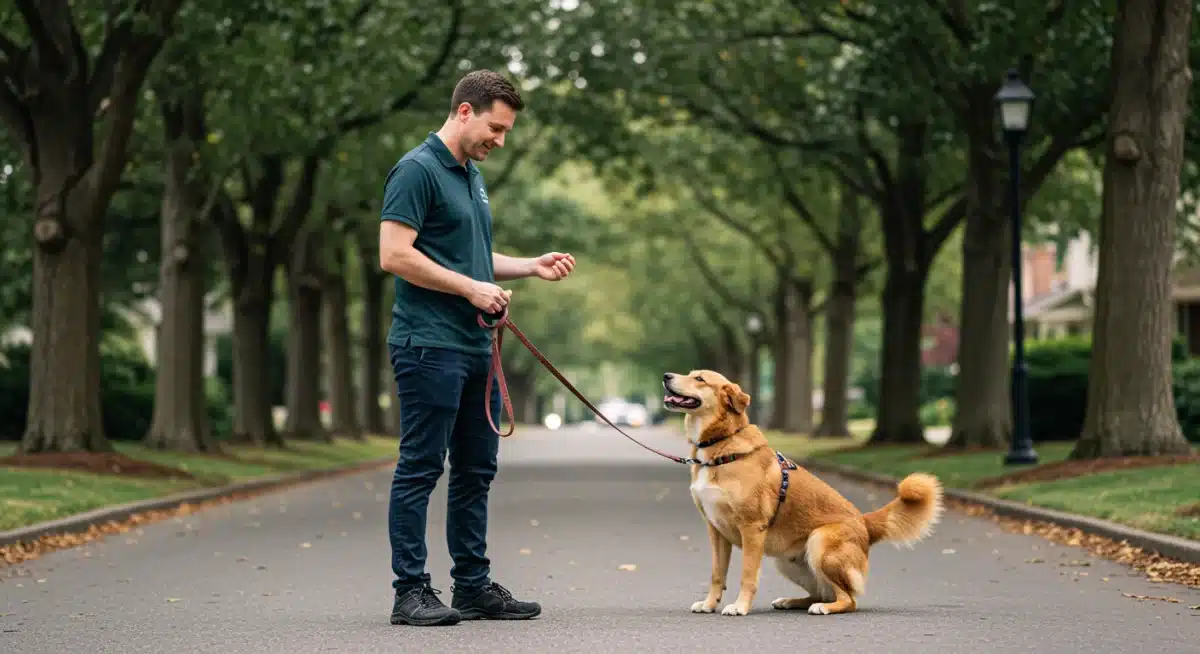
Moreover, punishment often fails to address the root cause of a behavior. A dog jumping on guests might be seeking attention, not trying to dominate. Punishing the jump doesn’t teach them an alternative way to greet politely. Positive reinforcement, however, provides an opportunity to teach an appropriate alternative, like sitting calmly upon greeting.
Choosing positive reinforcement is not just about being ‘nice’; it’s about being effective, ethical, and building a genuinely happy and cooperative relationship with your dog. It’s an investment in their emotional well-being and your shared future.
The Importance of Early Socialization: Beyond Puppyhood
While not strictly a myth, there’s a common misconception that socialization is only crucial during a dog’s puppyhood, specifically between 3 and 16 weeks of age. While this period is undoubtedly critical for developing appropriate social skills, the need for continued socialization extends far beyond puppyhood. Many owners stop exposing their dogs to new experiences once they are past this initial window, leading to potential behavioral issues later on.
Socialization is an ongoing process of exposing a dog to various people, places, sounds, objects, and other animals in a positive and controlled manner. This continuous exposure helps dogs develop confidence, adaptability, and resilience, preventing fear-based aggression or anxiety in new situations.
continuous exposure to diverse environments
Even well-socialized puppies can regress if their exposure to the world dwindles as they grow older. Adult dogs benefit greatly from regular outings, meeting new people, encountering different environments, and interacting with other well-behaved dogs. This keeps their social skills sharp and reinforces their positive associations with novelty.
- Preventing fear and anxiety: Regular exposure reduces the likelihood of developing phobias or aggression.
- Building confidence: Dogs become more comfortable and adaptable in various situations.
- Enhancing quality of life: A well-socialized dog can enjoy more activities and outings with their owner.
The key is to make every new experience a positive one. This means ensuring the dog is not overwhelmed, providing plenty of treats, praise, and opportunities for retreat if they feel uncomfortable. It’s about creating positive associations, not forcing interactions.
Continuing socialization throughout a dog’s life is an investment in their long-term behavioral health and happiness. It ensures they remain well-adjusted, confident companions capable of navigating the complexities of the human world with grace and ease.
Consistency is Key: Establishing Clear Expectations
A pervasive oversight, rather than a myth, in dog training is the underestimation of consistency. Many owners begin training with enthusiasm but falter in maintaining consistent rules, commands, and expectations. This inconsistency can confuse dogs, delay learning, and inadvertently reinforce unwanted behaviors. Dogs thrive on predictability and clear boundaries.
Imagine teaching a child that sometimes ‘no’ means no, and other times it’s negotiable. The result would be confusion and a testing of boundaries. The same applies to dogs. If ‘sit’ sometimes means sit and sometimes means nothing, the command loses its meaning. If jumping on guests is sometimes tolerated and sometimes punished, the dog can’t understand the rule.
unified approach in the household
Consistency must extend to every member of the household. If one person allows the dog on the furniture while another forbids it, the dog receives mixed signals. This can lead to frustration for the dog and owner alike, and ultimately, a breakdown in training. A unified approach ensures the dog understands what is expected of them, regardless of who is giving the command.
- Clear communication: Consistent commands and rules eliminate ambiguity for the dog.
- Faster learning: Predictable consequences help dogs learn desired behaviors more quickly.
- Stronger bond: A consistent environment builds trust and reduces anxiety.
This also applies to rewards. If a dog is rewarded inconsistently for a desired behavior, they may become less motivated to perform it. While continuous reinforcement is crucial in the initial stages of learning, transitioning to intermittent reinforcement can help maintain the behavior over time, making it more resilient.
Establishing clear, consistent rules and enforcing them patiently and fairly is fundamental to successful dog training. It creates a stable environment where dogs feel secure, understand their role, and can confidently meet their owners’ expectations.
Seeking Professional Guidance: When to Call a Trainer
Another common misconception, or perhaps a reluctance, is the idea that seeking professional dog training help signifies failure on the owner’s part. Many owners feel they should be able to handle all training issues themselves. However, recognizing when to enlist the help of a qualified professional is a sign of responsible pet ownership, not a deficiency.
Just as you would consult a doctor for health concerns or a mechanic for car troubles, a certified professional dog trainer or veterinary behaviorist possesses specialized knowledge and experience to address complex behavioral challenges. They can offer tailored strategies, identify underlying issues, and provide guidance that might be beyond the scope of general advice.
benefits of expert intervention
Professional trainers bring an objective perspective and a wealth of experience working with diverse breeds and temperaments. They can accurately assess a dog’s behavior, understand the nuances of canine communication, and develop a personalized training plan that aligns with both the dog’s needs and the owner’s goals.
- Personalized plans: Tailored strategies for specific behavioral issues and dog personalities.
- Addressing root causes: Professionals can identify underlying medical or psychological factors contributing to behavior.
- Preventing escalation: Early intervention can prevent minor issues from becoming major problems.
Whether it’s aggression, severe anxiety, house-training issues, or simply a desire to deepen your understanding of canine behavior, a professional can be an invaluable resource. They can teach owners how to effectively communicate with their dogs, interpret their signals, and implement techniques that foster a harmonious relationship.
Choosing a qualified, force-free trainer is paramount. Look for certifications from reputable organizations and ask about their methods and philosophy. Investing in professional guidance is an investment in your dog’s well-being and a testament to your commitment to their happiness and good behavior.
| Key Myth | Reality Check |
|---|---|
| Alpha Dog Theory | Outdated; modern science emphasizes leadership through positive reinforcement, not dominance. |
| Old Dogs Can’t Learn | Dogs learn throughout life; patience and adapted methods yield excellent results for senior dogs. |
| Punishment is Best | Positive reinforcement is more effective, ethical, and builds trust, avoiding fear and anxiety. |
| Socialization Ends | Socialization is an ongoing process crucial for lifelong confidence and adaptability. |
Frequently Asked Questions About Dog Training Myths
While the traditional ‘alpha’ theory is largely debunked for domestic dogs, it’s important to establish clear leadership through consistent guidance and positive reinforcement. Dogs thrive on structure and knowing what’s expected, but this comes from trust and respect, not dominance or intimidation.
The most effective alternatives are positive reinforcement methods, which involve rewarding desired behaviors with treats, praise, or toys. This approach encourages dogs to repeat good behaviors because they associate them with positive outcomes, fostering a stronger and more joyful bond.
Absolutely! Older dogs are fully capable of learning complex commands and new tricks. They might learn at a slower pace than puppies, but their longer attention spans and reduced impulsivity can make them excellent, patient students. Mental stimulation is beneficial for their overall well-being.
Socialization should be an ongoing process throughout your dog’s life. Regular, positive exposures to new people, places, sounds, and well-behaved dogs help maintain their confidence and adaptability, preventing the development of fear or anxiety in novel situations.
Consider professional help when you encounter persistent behavioral issues you can’t resolve, such as aggression, severe anxiety, or house-training problems. A certified force-free trainer can provide personalized strategies, identify root causes, and offer expert guidance to improve your dog’s behavior and your relationship.
Conclusion
Debunking common dog training myths is essential for fostering a healthy, respectful, and effective relationship with our canine companions. By moving past outdated concepts like the alpha dog theory and punishment-based training, and embracing modern, science-backed methods such as positive reinforcement and continuous socialization, owners can achieve remarkable results. Understanding that dogs are lifelong learners who thrive on consistency and clear, humane communication empowers us to be better leaders and companions. Investing in ongoing education, and seeking professional guidance when needed, ensures a happier, well-adjusted dog and a more fulfilling bond for years to come.