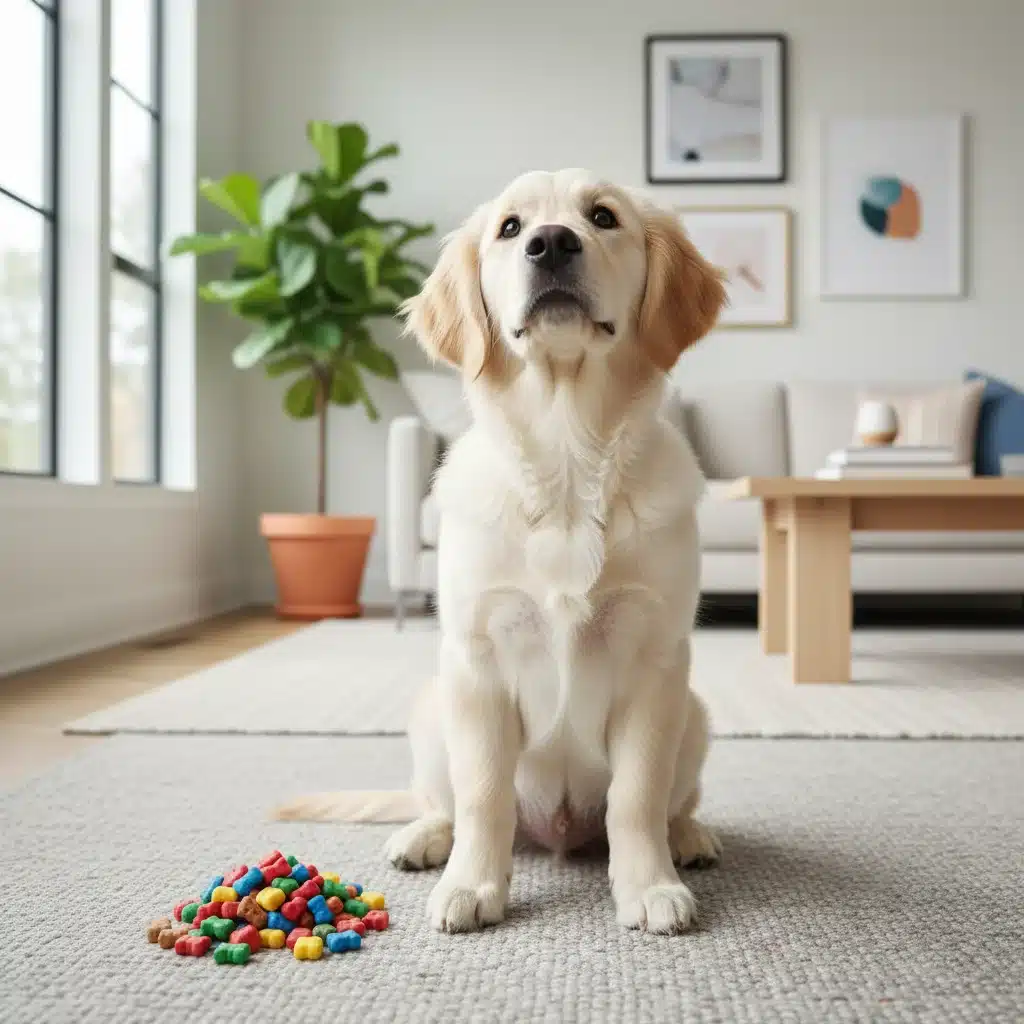

dog doorbell desensitization before Halloween visitors arrive reduces panic by using short daily sound exposures paired with high-value rewards, a safe retreat, and staged visitor rehearsals; track reactions and slow progress until the dog remains calm at real doorbell volumes.
dog doorbell desensitization before Halloween visitors arrive can turn a chaotic evening into a manageable one for you and your dog. Curious which small steps really work and how fast you can see change? Read on for a short, practical plan with real examples to try this week.
Why doorbells trigger fear during Halloween
dog doorbell desensitization before Halloween visitors arrive explains why a simple ring can upset many dogs on that busy night.
Seeing the causes helps you plan gentle training instead of new surprises.
Loud, unfamiliar sounds
Doorbells and smart chimes often sound sharper or stranger than your dog expects. A sudden tone can startle even calm pets.
Sensory overload
Halloween adds costumes, new smells, and lots of movement. Those extra inputs make the doorbell feel like the last straw to the dog’s senses.
- Unexpected timing: rings at odd hours or repeatedly
- Masked faces and strange voices that confuse recognition
- Multiple visitors crowding the doorway
- Strong scents from candy or smoke that heighten arousal
Dogs learn by association: a loud ring followed by fast footsteps and strangers can create a fearful expectation. That link is why simple practice with the sound matters more than scolding.
Watch body language: a tucked tail, yawns, or pacing show stress early. Offering a safe spot and short practice sessions lowers tension before the big night.
Past experiences and temperament
Some dogs are naturally more sensitive; others risk forming strong fears after one bad episode. Age, breed, and past scares all shape the reaction.
Small, repeated exposures to the sound, paired with treats and calm praise, weaken the scare and build confidence.
Plan short drills: play the chime softly, reward quiet attention, then gradually raise volume over days. Keep sessions under five minutes and end positively to avoid fatigue.
In short, doorbells trigger fear on Halloween because of sudden, strange sounds combined with an overload of sights and smells. With focused, gentle desensitization and attention to your dog’s cues, you can reduce fear and make the night calmer for everyone.
Quick check: how reactive is your dog?
dog doorbell desensitization before Halloween visitors arrive begins by checking how your dog reacts to sounds and strangers. A quick, calm check shows what to train next.
Keep sessions short and watch body signals to stay safe and clear.
Signs to watch for
Look for simple cues that show stress or reactivity. Noting these helps you choose the right steps.
- Tense body or stiff stance
- Raised hackles or direct staring
- Pacing, whining, or barking at the door
- Tucked tail, lip licking, or hiding
These signs mean your dog feels uncertain or threatened by the ring or visitor. Count how often and how strong each sign appears.
Quick, safe sound test
Play the doorbell sound at low volume from a phone while your dog is relaxed. Wait and watch for a response.
If your dog glances and stays calm, raise the volume slightly. If the dog reacts strongly, lower the volume and reward calm behavior.
- Start at very low volume for 30 seconds
- Reward quiet attention with a treat
- Repeat 3–5 short trials, ending on a positive note
Keep sessions under five minutes. Short repeats work better than long drills. Use high-value treats and a calm voice.
Simple scoring method
Use a 0–3 scale to track progress. Write results down so you can compare days.
- 0 — Calm, no reaction
- 1 — Alert but relaxed (ears up, watches)
- 2 — Shows stress (barks, paces, yawns)
- 3 — Avoidance or aggressive signals (growl, snap)
Aim to move scores down toward 0 with gentle practice. If scores stay at 2 or 3, slow the pace and seek a trainer if needed.
If your dog has a past trauma or shows high fear, do not push exposure too fast. Small wins build trust and help with desensitization.
Keep notes about timing, volume, and the dog’s score. Share these with a trainer if you get one. A few minutes a day can change the night from stressful to calm.
By doing this quick check, you learn how reactive your dog is and what level of doorbell desensitization to start. Use gentle steps, short sessions, and clear rewards to reduce fear before Halloween.
Gradual sound desensitization: day-by-day plan
dog doorbell desensitization before Halloween visitors arrive works best when you break training into short daily steps. A steady, clear plan helps dogs accept the sound without panic.
Keep sessions brief, reward calm behavior, and track small gains each day.
Day 1–2: very low volume and positive pairing
Play the doorbell at the lowest volume while your dog is relaxed. Reward any calm glance or quiet attention.
- 30–60 seconds per trial, 3–5 trials per session
- Give high-value treats immediately for calm behavior
- End on a positive note before the dog tires
Repeat twice a day. The aim is to make the sound predict good things, not stress.
Day 3–4: raise volume slightly and add distance
Increase the volume a small step and move the device a few feet away from the dog. Continue rewarding calm responses.
- Keep trials short and consistent
- Use a marker (“yes” or click) then treat to mark calmness
- If the dog reacts, lower volume and repeat the previous step
This is the phase to watch body language closely. If signs of stress rise, slow the progress and repeat easier steps.
Introduce mild movement: the owner can stand, then sit, while the sound plays. That helps the dog learn the ring is not always followed by sudden action.
Day 5–6: add real door cues and varied timing
Pair the chime with subtle door activity: a creak, soft footsteps, or a knock at low intensity. Make timing unpredictable so the dog cannot predict a scare.
- Mix short chime trials with quiet door opening (no visitors yet)
- Reward calm when the dog stays settled during these events
- Vary intervals so the sound isn’t always followed by movement
Practice in different rooms and with different family members so the dog generalizes calm behavior to many contexts.
Introduce short visitor simulations: a friend stands at the door briefly, offers a treat from a distance, then leaves. Keep interactions slow and pleasant.
Day 7+: increase realism and maintain progress
Gradually raise realism by having costumed visitors stand farther away, then move closer only if the dog stays calm. Keep sessions short and always end positively.
- Use real-life timing: ring, pause, then a gentle approach
- Teach an alternate behavior (sit on mat) to focus the dog away from the door
- Keep a daily log of responses and rewards
If progress stalls, step back a level and rebuild confidence slowly. Consistency matters more than speed.
Short reminders each day after the plan ends keep the learning fresh. With clear steps, small wins, and gentle pacing, your dog can learn that the doorbell is no longer a signal to panic. Track improvements and reward calm to reinforce lasting change.
Tools, treats and timing: practical training setups
dog doorbell desensitization before Halloween visitors arrive works best with the right gear, good treats, and smart timing. These basics make training clear and stress-free.
Choose simple tools and plan short sessions so your dog learns calmly and reliably.
Equipment that helps
Use items that make practice easy and repeatable at home. Consistency speeds learning.
- Phone or small speaker to play the doorbell sound at controlled volumes
- Treat pouch for quick rewards and easy access
- Designated mat or bed to teach an alternate, safe place
- Clicker or a clear marker word like “yes” to mark calm behavior
Keep tools in one spot so sessions can start quickly. Quick setup means more short wins each day.
Picking and using treats
Pick treats your dog values most for training moments. Use tiny pieces so you can reward often without overfeeding.
High-value options like soft meat bits or cheese work well when the dog is alert or slightly stressed. Save weekly kibble for low-value steps.
- Use small, moist treats for strong reactions
- Switch to lower-value treats as the dog gains calmness
- Keep treats ready in a pouch and reward immediately after calm behavior
Timing the reward is key: mark the exact calm moment, then treat. That link builds the idea that the sound predicts good things.
Timing and session length
Short, frequent sessions beat long ones. Aim for multiple 3–5 minute sessions daily rather than one long practice.
- Start with 30–60 second trials at low volume
- Rest a few minutes between trials so the dog stays fresh
- End each session on a positive note to keep motivation high
Practice at predictable times so your dog expects training. Also mix in surprise timings to generalize calm to real-life scenarios.
Use a simple schedule: morning, afternoon, and evening short drills. Track progress in a notebook or phone note to see steady gains.
Practical setup tips
Set up real-feel drills that match Halloween conditions but start gentle. Gradually add distance, movement, and costumes.
- Play the chime from different rooms and heights
- Have a helper ring the bell while staying distant, then slowly approach
- Use a mat cue so the dog has a clear task when the bell rings
- Control access to the door with a baby gate or collar leash during practice
Keep sessions calm and predictable. If the dog shows stress, back up a step and reward smaller achievements. Small, steady progress beats fast escalation.
With the right tools, tasty rewards, and clear timing, you create a repeatable training routine. That routine makes desensitization reliable and helps your dog stay calm when Halloween visitors arrive.
Preparing your home and visitors for a calm night
dog doorbell desensitization before Halloween visitors arrive includes small home changes that keep your dog calm and reduce surprises. Clear steps for visitors cut stress and make the night safe.
Focus on simple setup, clear signals, and short rehearsals to build predictable routines.
Create a safe space
Give your dog a quiet room or a cozy mat away from the front door. A dedicated spot helps the dog retreat when things get busy.
- Place a familiar bed or blanket in a low-traffic area
- Use a baby gate or closed door to limit access to the entryway
- Add soft background noise or a pheromone diffuser to mask sudden sounds
Keep this area ready each night and encourage the dog to go there with treats or a favorite toy.
Prepare visitors with simple rules
Tell guests how to behave near your dog before they reach the door. Short, clear instructions prevent accidental scares.
- Ask visitors to step back a few feet and speak softly
- Request no sudden movements or loud greetings at the door
- Suggest masks be removed or kept at a distance until the dog is calm
- Offer a treat-handling option: visitors can toss a treat from a safe distance
Print a quick note or text visitors the plan so everyone knows what to do. Most people are happy to help if they understand the goal.
Practice the approach with one calm friend first. Have the friend ring once, pause, then wait for your cue before moving. This rehearsal lets you check your dog’s comfort in a low-stress test.
Control access and timing
Manage how and when people arrive to lower surprises. A slow, staged entry beats sudden crowding on the porch.
- Keep the front door closed until the dog is settled on its mat
- Use a porch light and visible path so visitors move slowly
- Have one person greet and hand out treats while others wait back
Time trick-or-treat visits to quieter periods if possible. A staggered arrival reduces noise and crowding, which helps your dog stay relaxed.
Small changes to lighting and decorations also help. Avoid flickering lights, loud props, or sudden movements near the entrance. Choose gentle décor that sets a calm tone for visitors.
When you combine a safe space, clear visitor rules, and controlled timing, you make real progress on desensitization. These steps reduce triggers and give your dog a predictable routine so Halloween can be enjoyable for everyone.
dog doorbell desensitization before Halloween visitors arrive helps your dog feel safer by using short daily practice, tasty rewards, and a quiet safe spot. Prep visitors with simple rules, track small wins, and move slowly so fear fades before the big night.
FAQ – dog doorbell desensitization before Halloween
How long does desensitization usually take?
Many dogs show improvement in days to weeks with short daily sessions. Be patient and track small gains.
What treats should I use during training?
Use tiny, high-value soft treats like cooked chicken or cheese so you can reward often without overfeeding.
Can I do the training on Halloween night?
No. Start earlier and use short refreshers that day. Rely on the practiced routine and a safe space during the event.
When should I get a professional trainer?
Seek a certified trainer if your dog shows severe fear or aggression, or if progress stalls despite slow, consistent practice.