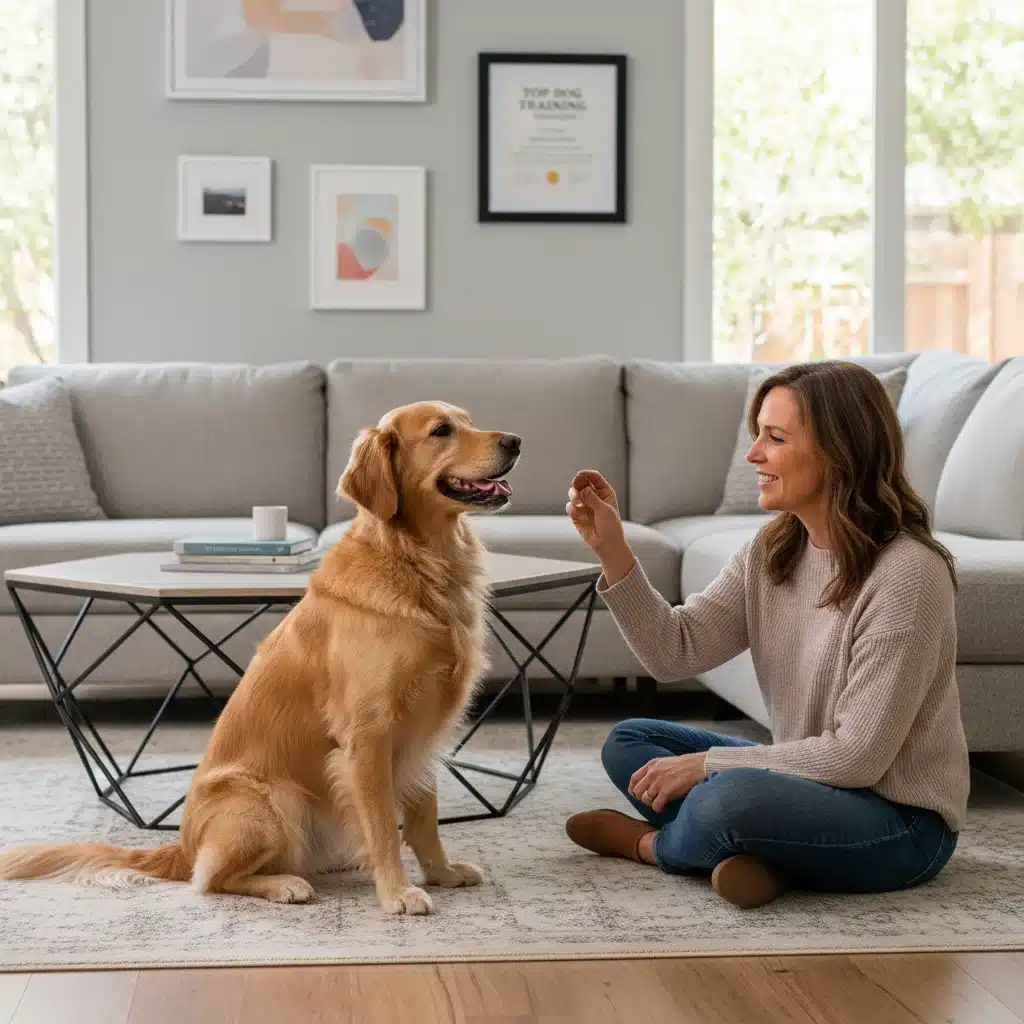
The 3 Latest Positive Reinforcement Techniques for Puppies in 2026: A 15-Minute Daily Guide
Bringing a new puppy into your home is an exhilarating experience, filled with boundless joy, playful antics, and, let’s be honest, a fair share of chewed slippers and ‘accidents.’ The foundation of a well-behaved, happy canine companion lies in effective early training. As we step into 2026, the world of dog training continues to evolve, with increasingly sophisticated and humane methods emerging. This comprehensive guide will introduce you to the 3 latest Puppy Training Techniques focusing on positive reinforcement, designed to be integrated into your daily routine with just 15 minutes of dedicated effort. These aren’t just fads; they’re scientifically-backed approaches that foster a strong bond between you and your puppy, ensuring a lifetime of mutual understanding and happiness.
Gone are the days of harsh corrections and dominance theories. Modern puppy training emphasizes positive reinforcement, rewarding desired behaviors to encourage their repetition. This creates a learning environment that is stress-free, enjoyable, and incredibly effective for both you and your furry friend. Our focus on 15-minute daily sessions is intentional. Puppies have short attention spans, and brief, consistent training is far more impactful than infrequent, long sessions. Let’s dive into the future of Puppy Training Techniques!
Understanding Positive Reinforcement: The Cornerstone of Effective Puppy Training
Before we delve into the specific techniques, it’s crucial to grasp the core philosophy of positive reinforcement. At its heart, positive reinforcement means adding something desirable to the environment after a behavior occurs, which increases the likelihood of that behavior happening again. For puppies, this ‘something desirable’ is typically high-value treats, praise, toys, or even a quick game. The key is to deliver the reward immediately (within 1-3 seconds) after the desired action, so your puppy clearly associates the reward with their behavior.
Why Positive Reinforcement is Superior for Puppy Training
- Builds Trust and Bond: It fosters a positive relationship based on trust and mutual respect, rather than fear or intimidation. Your puppy learns to see you as a source of good things.
- Reduces Stress and Anxiety: A positive learning environment minimizes stress, making your puppy more receptive to learning and less likely to develop behavioral issues stemming from anxiety.
- Encourages Problem-Solving: Puppies learn to think and offer behaviors, rather than passively waiting for commands. This empowers them to be more engaged in their learning.
- Long-Lasting Results: Behaviors learned through positive reinforcement are often more deeply ingrained and resistant to extinction, as they are intrinsically rewarding for the puppy.
- Fun for Everyone: Training becomes an enjoyable activity for both you and your puppy, strengthening your bond and making the process sustainable.
Now, let’s explore the cutting-edge Puppy Training Techniques that leverage these principles for maximum effectiveness in just 15 minutes a day.
Technique 1: The ‘Micro-Session’ Clicker & Treat Method with Environmental Enrichment
This technique combines the precision of clicker training with the motivation of high-value treats, all within short, focused ‘micro-sessions’ that also incorporate environmental enrichment. The year 2026 sees an increased emphasis on not just teaching commands, but also on stimulating a puppy’s natural instincts and cognitive abilities during training.
What You’ll Need:
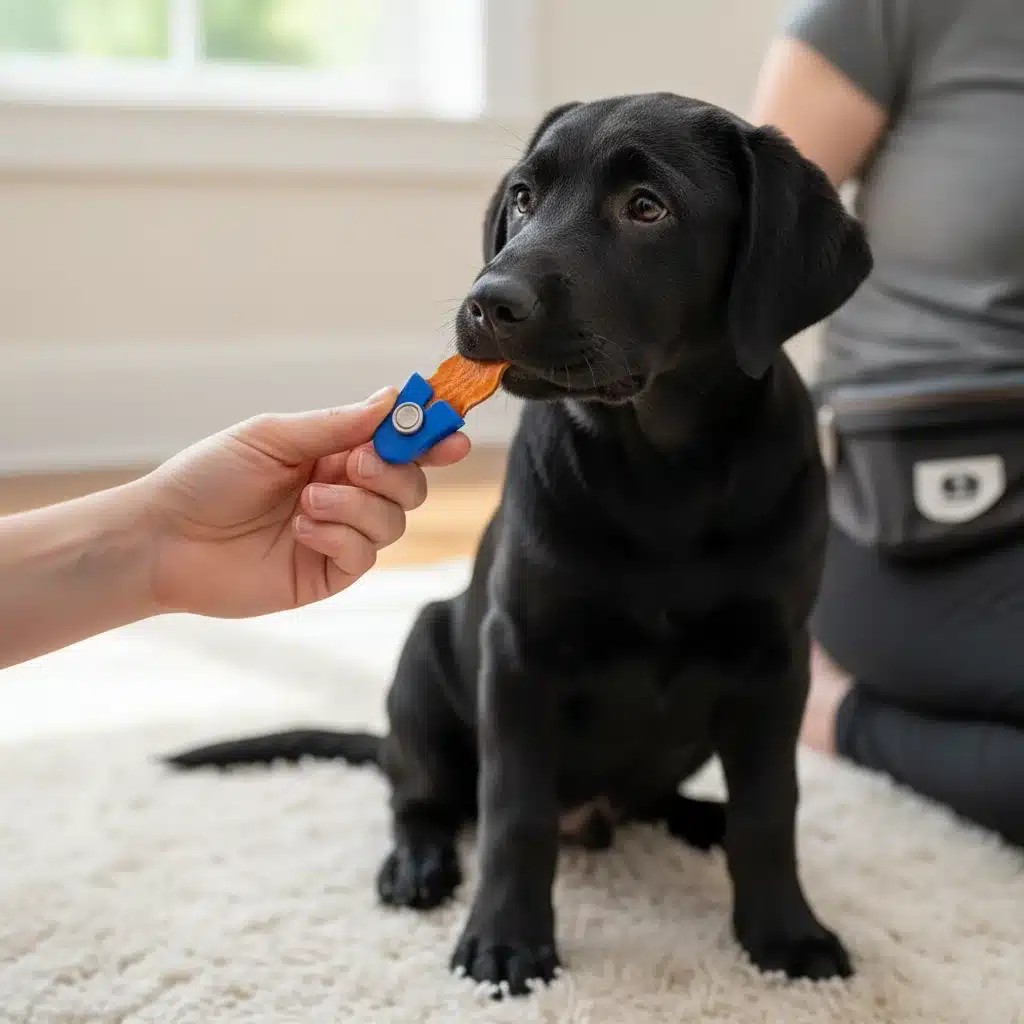
- A clicker: A small device that makes a distinct ‘click’ sound.
- High-value treats: Small, soft, and incredibly delicious (e.g., boiled chicken, cheese, specific puppy treats).
- A quiet, distraction-free space.
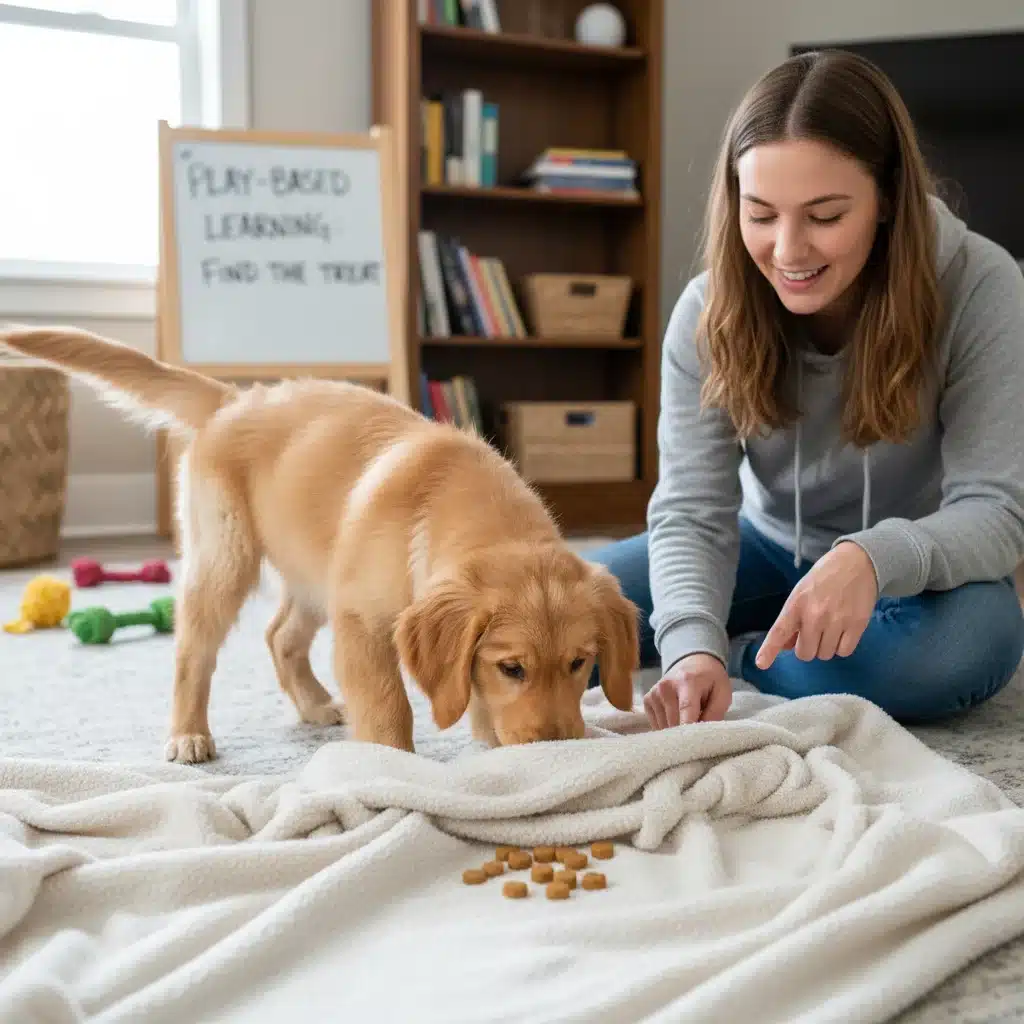
- Optional: Simple puzzle toys or snuffle mats for enrichment integration.
The 15-Minute Daily Breakdown:
- Minutes 1-3: Charge the Clicker (Daily Refresh): Even if your puppy knows the clicker, a quick refresh is beneficial. Click, then immediately give a treat. Repeat 10-15 times. This reinforces the association: ‘Click means treat!’
- Minutes 4-8: Target Behavior Introduction/Practice: Choose one specific behavior to work on (e.g., ‘sit,’ ‘down,’ ‘come’). Lure your puppy into the desired position with a treat. As soon as they perform the action, click, then immediately give the treat. Repeat 5-10 times. Keep it short, sweet, and successful.
- Minutes 9-12: Environmental Enrichment Integration: Instead of just ending the session, integrate a puzzle toy or a snuffle mat with some of the remaining treats. This allows your puppy to use their natural foraging instincts, providing mental stimulation and a positive end to the formal training. This is a crucial element of modern Puppy Training Techniques, addressing both obedience and cognitive development.
- Minutes 13-15: Free Play & Positive Interaction: End with a short burst of play with a favorite toy or gentle petting and praise. This keeps the entire experience positive and reinforces your bond.
Why it works in 2026: The ‘micro-session’ approach respects a puppy’s limited attention span, preventing boredom and frustration. The clicker provides precise timing of the reward, making it crystal clear to your puppy what behavior earned the treat. Integrating environmental enrichment taps into their innate drives, making learning more holistic and engaging. This technique is highly adaptable and can be used for virtually any command or trick, making it one of the most versatile Puppy Training Techniques.
Technique 2: ‘Choice & Control’ Training for Confidence and Impulse Control
A significant advancement in Puppy Training Techniques for 2026 is the emphasis on giving puppies more agency and control over their environment, within safe boundaries. This technique, ‘Choice & Control’ training, revolves around teaching impulse control and making good decisions by offering choices and rewarding the desired outcome. This method is particularly effective for preventing common puppy problems like jumping, nipping, and counter-surfing.
What You’ll Need:
- High-value treats.
- A safe, enclosed area.
- A comfortable mat or bed for your puppy.
The 15-Minute Daily Breakdown:
- Minutes 1-5: The ‘It’s Your Choice’ Game (Thresholds): Stand at a doorway with your puppy. Gently block their path if they try to bolt through. Wait patiently. The moment your puppy pauses, looks at you, or takes a step back, mark (with a verbal marker like ‘Yes!’ or a click) and reward. Repeat until they consistently offer a moment of calm before proceeding. This teaches them that calm behavior grants access. This can be applied to going outside, approaching food bowls, or greeting people.
- Minutes 6-10: ‘Wait’ for Resources: Place a treat on the floor or in your hand. Cover it with your hand. If your puppy tries to get it, keep it covered. The moment they back away, even slightly, or look at you, uncover the treat and let them have it, accompanied by your marker word. Gradually increase the duration they have to ‘wait’ before you release them to the treat. This is a powerful impulse control exercise.
- Minutes 11-15: ‘Go to Your Mat’ for Calmness: Lure your puppy onto their mat or bed with a treat. As soon as all four paws are on the mat, mark and reward. Repeat several times. Once they are consistent, start adding a verbal cue like ‘Mat’ or ‘Place.’ The goal is for them to choose to go to their designated calm spot. This gives them a ‘job’ and a place to settle when overstimulated.
Why it works in 2026: By allowing the puppy to ‘choose’ the correct behavior (e.g., waiting instead of pushing), they become more invested in the outcome. This technique empowers them, building confidence and self-control. It teaches them that patience and good manners lead to rewards, which is a fundamental life skill for any dog. It transforms potential ‘no’ situations into opportunities for positive reinforcement, a cornerstone of advanced Puppy Training Techniques.
Technique 3: Structured Play-Based Learning & Socialization
The third key Puppy Training Technique for 2026 integrates structured play directly into learning and emphasizes positive socialization experiences. Play is a puppy’s natural way of learning about the world, and by structuring it, we can teach critical skills like bite inhibition, recall, and appropriate interaction with their environment and other beings.
What You’ll Need:
- Variety of safe, engaging puppy toys (tug toys, fetch toys).
- Access to safe, controlled environments for socialization (e.g., puppy classes, trusted vaccinated dogs, quiet public spaces).
- High-value treats for rewarding calm interactions.
The 15-Minute Daily Breakdown:
- Minutes 1-5: ‘Engage & Disengage’ Play for Recall: Start a fun game with a favorite tug or fetch toy. After a short period (15-30 seconds), suddenly stop the game, take a step back, and say your puppy’s name in an upbeat tone. The moment they look at you or come towards you, mark and reward with a treat, then immediately re-engage in play. This teaches them that coming to you (even from play) leads to more fun, not the end of it.
- Minutes 6-10: Gentle Mouth & Bite Inhibition Practice: During play, allow your puppy to mouth your hand gently. The moment their teeth apply too much pressure, let out a high-pitched ‘ouch!’ and immediately withdraw your hand and stop play for 10-15 seconds. Resume play. If they mouth hard again, repeat. If they mouth gently, continue play. This teaches them ‘soft mouth’ and bite inhibition, a vital skill.
- Minutes 11-15: Controlled Socialization Exposure: This isn’t about letting your puppy run wild with every dog or person. It’s about controlled, positive exposure. This might mean:
- Sitting on a bench outside a busy park, rewarding your puppy for calmly observing people and dogs pass by.
- A brief, supervised playdate with a calm, vaccinated adult dog.
- A short visit to a pet-friendly store, rewarding for calm behavior on a leash.
The goal is quality over quantity, ensuring every new experience is positive. This proactive approach to socialization is a hallmark of modern Puppy Training Techniques.
Why it works in 2026: Puppies learn best through play. By structuring play, we can embed crucial commands and social skills in a way that is natural and highly reinforcing. The ‘engage & disengage’ method supercharges recall, while bite inhibition teaches appropriate interaction. Controlled socialization, rather than overwhelming exposure, builds resilience and positive associations with the wider world, preventing fear-based behaviors later on. These integrated Puppy Training Techniques are holistic and incredibly powerful.
Integrating These Puppy Training Techniques into Your Daily Routine
The beauty of these 2026 Puppy Training Techniques is their adaptability. You don’t need a dedicated hour each day. Consistency is far more important than duration. Here’s how to weave these 15-minute sessions seamlessly into your puppy’s day:
- Morning Boost: Start your day with a 15-minute ‘Micro-Session’ Clicker & Treat method. It wakes up your puppy’s brain and sets a positive tone for the day.
- Mid-Day Break: During a potty break or before a meal, use 15 minutes for ‘Choice & Control’ training. Practice ‘wait’ before their food bowl or at the door.
- Evening Wind-Down: Before bed, engage in 15 minutes of Structured Play-Based Learning. A gentle tug game or a short socialization observation session can be a great way to bond and expend some energy.
- Opportunistic Training: Don’t limit training to just these blocks. Every interaction is a training opportunity. Reward calm behavior, offer choices, and play constructively throughout the day.
Common Pitfalls to Avoid in Puppy Training
- Inconsistency: If you only train sometimes, your puppy will get confused. Make it a daily habit.
- Lack of High-Value Rewards: If your puppy isn’t motivated by the reward, the training won’t be effective. Experiment to find what they love most.
- Long Sessions: Puppies get bored and frustrated easily. Keep it short and positive.
- Punishment: Never scold or punish your puppy. This breaks trust and can lead to fear and aggression. Redirect undesired behaviors and reward desired ones.
- Ignoring Body Language: Pay attention to your puppy’s cues. If they’re stressed, tired, or overwhelmed, stop the session and try again later.
- Expecting Perfection: Puppies are learning. There will be setbacks. Celebrate small successes and be patient.
The Long-Term Benefits of Modern Puppy Training Techniques
Investing just 15 minutes a day using these positive reinforcement Puppy Training Techniques will yield incredible dividends over your puppy’s lifetime. You’ll raise a confident, well-adjusted dog who understands boundaries, enjoys learning, and shares an unbreakable bond with you. These methods go beyond just teaching commands; they cultivate a thinking, happy companion who is a joy to live with.
- Reduced Behavioral Issues: Early, positive training significantly decreases the likelihood of common issues like excessive barking, destructive chewing, and aggression.
- Enhanced Communication: You’ll learn to understand your puppy’s needs and they’ll learn to understand yours, leading to a harmonious household.
- Increased Safety: A puppy with a strong recall and impulse control is safer in various environments.
- A Happier, Healthier Dog: Mental stimulation through training is just as important as physical exercise for a dog’s overall well-being.
- Stronger Human-Animal Bond: The positive interactions during training deepen your connection, creating a lifelong partnership built on trust and love.
Conclusion: Embrace the Future of Positive Puppy Training
The year 2026 brings exciting advancements in our understanding of canine cognition and behavior. By adopting these three positive reinforcement Puppy Training Techniques – the ‘Micro-Session’ Clicker & Treat Method with Environmental Enrichment, ‘Choice & Control’ Training for Confidence and Impulse Control, and Structured Play-Based Learning & Socialization – you are setting your puppy up for unparalleled success. Remember, consistency, patience, and a positive attitude are your best tools. With just 15 minutes a day, you can unlock your puppy’s full potential and forge an incredible, lasting relationship. Start today, and watch your puppy flourish into the amazing companion they were meant to be!