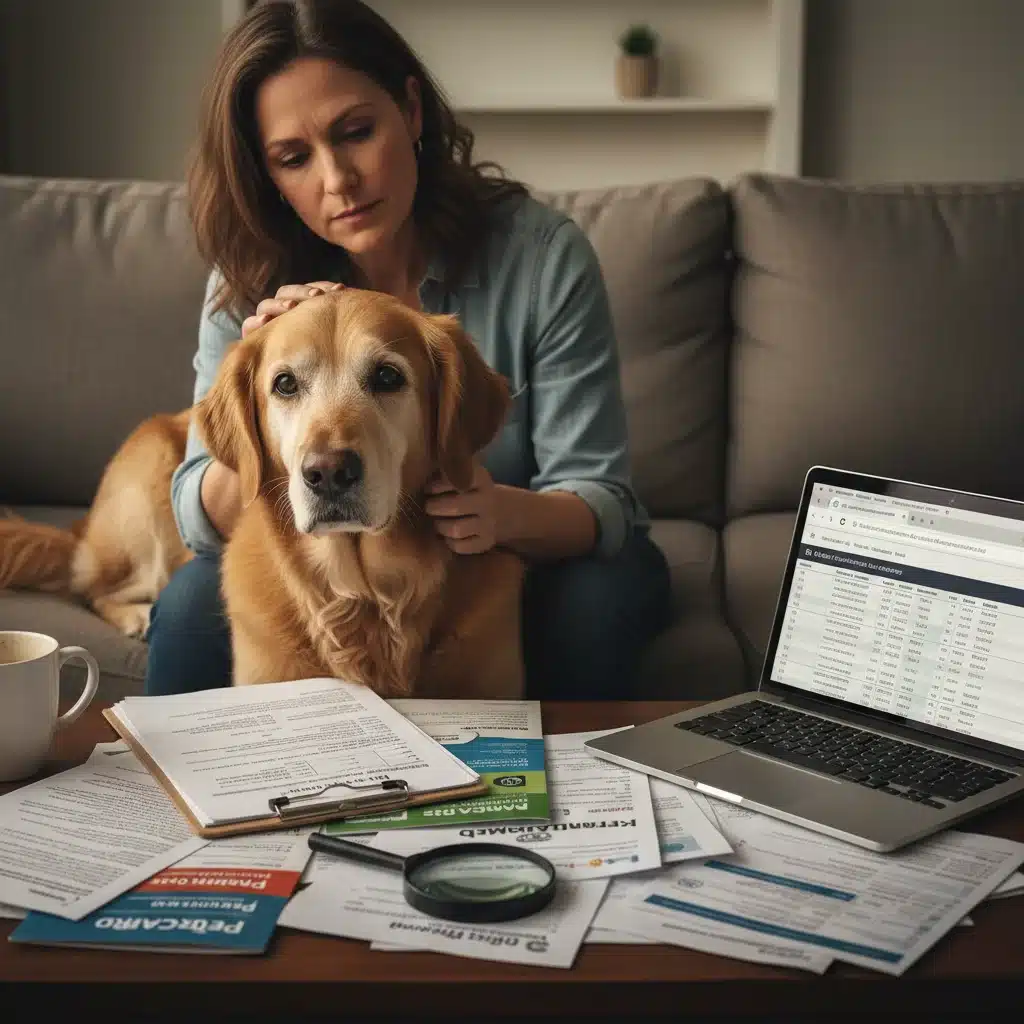

2026 FDA pet food recalls and how to check affected products: search the FDA recall database for your brand, match the exact lot number/UPC and manufacture dates on your package, stop using matching products, report to the manufacturer and contact your veterinarian if symptoms appear.
2026 FDA pet food recalls and how to check affected products can feel overwhelming — where do you start? Follow a few simple checks to confirm if your pet’s food is affected and learn practical next steps to keep them safe.
What the 2026 recalls cover and why they matter
2026 FDA pet food recalls often cover contaminated ingredients, wrong labels, or nutrition errors. Knowing what is recalled helps you act fast to protect your pet.
Common reasons for recalls
Recalls usually start when tests or reports show a risk. These can include bacterial contamination like salmonella, toxic molds, or harmful levels of vitamins and minerals.
- Contamination with pathogens (Salmonella, Listeria)
- Toxins such as aflatoxin from moldy ingredients
- Mislabeled allergens or ingredient omissions
- Nutritional imbalances or excess supplements
Manufacturing issues, supplier problems, or packaging mistakes can all trigger a recall. A single bad ingredient can affect many batches across brands.
How recalls are defined and spread
Agencies and companies report recalls by product name, brand, lot number, and sell-by date. That info narrows which packages are unsafe so owners can check their supplies.
Retailers, distributors, and online marketplaces may carry the same affected lots. Even if your bag looks fine, the lot number is what matters.
Small problems can become large fast when an ingredient goes into many recipes. That’s why some recalls are limited to a few lots, while others cover wide date ranges and many SKUs.
Health risks and when to act
Signs of an affected product include sudden vomiting, diarrhea, lethargy, loss of appetite, or neurological symptoms. Some issues show quickly; others may appear after days.
- Watch for digestive upset or unusual behavior
- Contact your vet if symptoms appear
- Keep packaging and lot numbers for reporting
If a product is linked to severe illness, quick removal from your home and vet care can make a big difference.
Understanding what the 2026 FDA pet food recalls cover helps you check your pantry, talk with your vet, and decide whether to return or discard affected food.
How to search the FDA recall database step by step
2026 FDA pet food recalls are listed in the FDA recall database, and you can search it step by step to see if your pet’s food is affected. A quick search can save time and prevent harm.
This guide shows clear, practical steps to find recalls by brand, lot, or product type using the official tools.
Where to begin
Open the FDA official site and find the recalls or enforcement reports page. Use a computer or phone with a stable connection.
Look for a search box or filters labeled recall, enforcement, or product recalls. That is where you start.
Step-by-step search checklist
- Enter the brand or product name in the search field to narrow results.
- Use the lot number or UPC if you have it for precise matching.
- Filter by date range to see the latest 2026 entries or older notices.
- Open each result to read the full recall notice, including affected lot numbers and actions.
When results appear, click individual notices to view details. Note the recall reason, the list of affected SKUs, and any consumer advice.
Some pages let you download PDFs or datasets. Save or screenshot the page so you have a record with the recall date and reference number.
What to verify on your package
Match the lot number, manufacturing date, and UPC exactly. Package design or size alone does not confirm safety.
- Check the printed lot or batch code on the bag or can.
- Compare expiration or best-by dates when listed in the recall.
- Confirm the product description matches (flavor, weight, wet vs. dry).
If you find a match, follow the recall instructions: stop using the product, contact your vet if your pet shows symptoms, and follow return or refund steps from the notice.
You can also sign up for FDA email alerts or follow their social channels to get updates automatically, which helps you act faster on new recall listings.
Record key details like the recall name, date, and reference number, and keep the original packaging until the issue is resolved or returned.
Following these steps makes the FDA database a practical tool to protect your pet from contaminated or mislabeled food.
How to check packages, lot numbers and receipts
Check the bag or can for a printed lot number, batch code, or production stamp. These codes tell you if the product matches a recall.
Keep the receipt or order confirmation handy. It shows purchase date, store, and the exact product you bought.
Where to find lot numbers
Lot numbers can be on the bottom, side seam, or near the top seal. Cans often have codes on the lid or rim. Dry food bags may hide codes under labels.
Look for short groups of letters and numbers. Manufacturers use many formats, so check the whole package carefully.
How to read and match codes
- Copy the entire code exactly, including letters, dashes, and spacing.
- Compare the code to the recall notice — an exact match matters more than package design.
- If the notice lists a date or range, check manufacture or best-by dates too.
Photograph the code and package for your records. Screenshots help if you need to report or return the item.
For online orders, match the UPC or product SKU on the receipt to the recall list. Some marketplaces hide lot info, so check the shipped package when it arrives.
Receipts and proof of purchase
Store receipts often show the store name, date, and item description. Email confirmations include order numbers and product details.
- Keep digital receipts in a folder or take a photo of paper receipts.
- Note the purchase date; some recalls cover specific sale windows.
- Retain original packaging until the issue is resolved or the company instructs otherwise.
If you find a match with the 2026 FDA pet food recalls, follow the recall steps: stop using the product, contact the seller for a refund or replacement, and call your vet if your pet is unwell.
When in doubt, contact the manufacturer or your retailer with the lot number and receipt details. Clear records make the process faster and safer for your pet.
Signs your pet may be affected and when to seek help
2026 FDA pet food recalls may cause mild to serious symptoms in pets. Learn the signs to watch for and when to get professional help.
Noting timing and symptoms can speed diagnosis and treatment.
Common early signs
Many problems show up quickly after eating a contaminated product. Watch closely for changes in behavior or digestion.
- Vomiting or repeated retching
- Diarrhea, sometimes with blood or mucus
- Loss of appetite or refusal to eat
- Unusual lethargy or weakness
These signs can be mild at first. If they persist or get worse, act fast.
Serious and urgent symptoms
Some recalls involve toxins or infections that affect organs or the nervous system. These need immediate attention.
- Frequent, uncontrollable vomiting or severe diarrhea
- Signs of dehydration: dry gums, sunken eyes, low skin elasticity
- Seizures, tremors, collapse, or trouble breathing
If you see any of these, head to an emergency clinic or call your vet right away.
Timing matters: symptoms that start within hours of eating the food suggest a direct link. But some problems appear after days or show as slow weight loss or odd behavior.
How to prepare before you call
Gather clear details to help the vet assess the risk quickly. Having facts on hand speeds care.
- Product name and brand, plus the lot number from the package
- When the pet first ate the item and how much
- Exact symptoms and when they started
- Photos of the package and any vomit or stool, if safe to collect
Keep the packaging and receipt. They help confirm if the item matches the recall notice and guide treatment choices.
Some recalls involve contaminants that can spread to humans, like Salmonella. Wash hands, clean bowls, and avoid touching the pet’s mouth when possible.
Reporting and follow-up steps
If your pet is sick and you suspect a recalled product, tell your vet about the recall and keep records of visits and treatments.
- Ask the clinic for a medical report or diagnosis to support a recall claim
- Report the issue to the manufacturer and the FDA with lot details
- Save receipts and take screenshots of the recall notice for your records
Early recognition, clear records, and quick contact with a veterinarian improve outcomes and help authorities trace the source. Stay calm, act promptly, and keep documentation handy.
How to report issues, claim refunds and find safer alternatives
2026 FDA pet food recalls may mean you need to report a problem, request a refund, and switch to a safer option. Quick action and clear records make the process smoother.
Below are practical steps to report issues, claim refunds, and find alternatives that reduce future risk.
Who to contact and how to report
Start by notifying the manufacturer and the place you bought the food. Then report the issue to the appropriate agency so it is tracked.
- Contact the manufacturer with the lot number, purchase date, and photos of the package.
- Tell the retailer or online marketplace and ask about their refund or return policy.
- File an official report with the FDA or national consumer safety body, including symptoms and photos.
- Keep copies of all communications, receipts, and pictures for your records.
When reporting, be clear and concise. Include product name, exact lot code, where and when you bought it, and any pet symptoms. This helps investigators link reports and spot patterns.
How to claim refunds or replacements
Many manufacturers and stores offer refunds or replacements once a recall is confirmed. Documenting your purchase speeds the refund process.
- Provide the receipt or order confirmation and the product packaging with the lot code.
- Follow the return instructions in the recall notice or from the seller.
- Ask for written confirmation of the refund or replacement and estimated timelines.
- If online, check the marketplace’s buyer protection or payment dispute options if the seller is unresponsive.
Keep any vet bills and medical records if your pet became ill. These documents can support a refund claim or a reimbursement request from the manufacturer or retailer.
Finding safer alternatives
Choosing a safer pet food lowers the chance of repeat problems. Look for transparency and a clean recall history when comparing brands.
- Pick brands that publish ingredient sources and traceability information.
- Check a brand’s recent recall history before buying.
- Consider limited-ingredient or single-protein options if your pet has sensitivities.
- Ask your veterinarian for trusted brands or therapeutic diets when needed.
Rotate new foods slowly over several days to spot problems early. Preserve original packaging until you’re sure the product is safe or until the recall is resolved.
Document every step: who you contacted, dates, and responses. Clear records help secure refunds and assist authorities tracking unsafe products.
Reporting issues, keeping good records, claiming refunds, and choosing transparent brands protect your pet and help prevent future recalls from spreading.
Act quickly if you suspect your pet’s food is part of the 2026 FDA pet food recalls. Check lot numbers, keep receipts, report the product, and contact your vet if symptoms appear—clear records and safer brand choices help protect your pet.
FAQ – 2026 FDA pet food recalls and how to check affected products
How can I quickly check if my pet food is part of the 2026 recalls?
Search the FDA recall database by brand or product, then match the exact lot number, UPC, and manufacture/best-by dates shown on your package.
Where do I find the lot number on pet food packaging?
Lot numbers may be printed on the bag seam, bottom, top seal, or can rim. Copy the full code exactly, including letters, dashes, and spaces.
What should I do if my pet ate a recalled product and shows symptoms?
Stop feeding the product, contact your veterinarian immediately, keep the package and receipt, and report the issue to the manufacturer and the FDA.
How do I claim a refund or replacement for a recalled item?
Contact the retailer and manufacturer with your receipt and package photos. Follow the recall notice instructions and save all communications for proof.